
 EN
EN
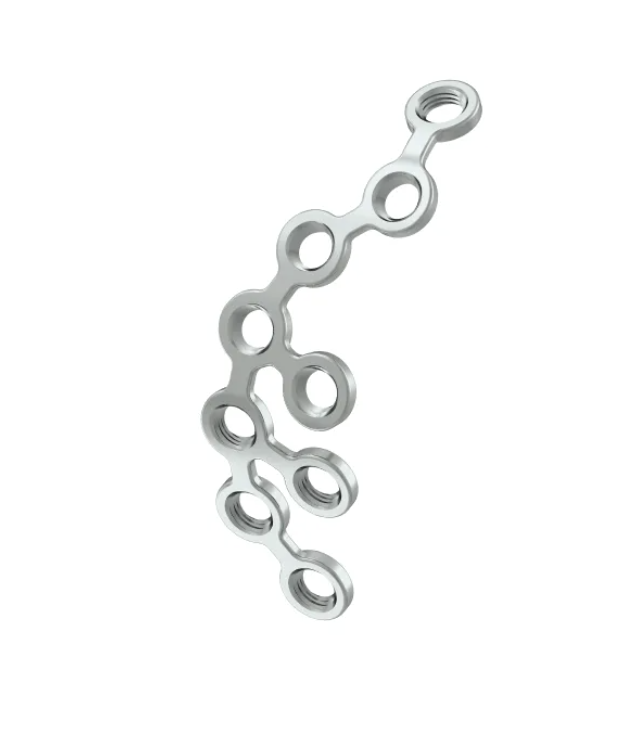
Osteoporotic patients present unique orthopedic challenges that demand specialized treatment approaches. When bone quality is compromised by reduced mineral density and deteriorated microarchitecture, standard fracture management techniques often fall short. The bone plate has emerged as a critical solution for surgeons managing fragility fractures in this vulnerable population. Understanding how a bone plate performs in osteoporotic patients requires insight into material properties, mechanical design, and the biological response of weakened bone tissue to fixation devices.
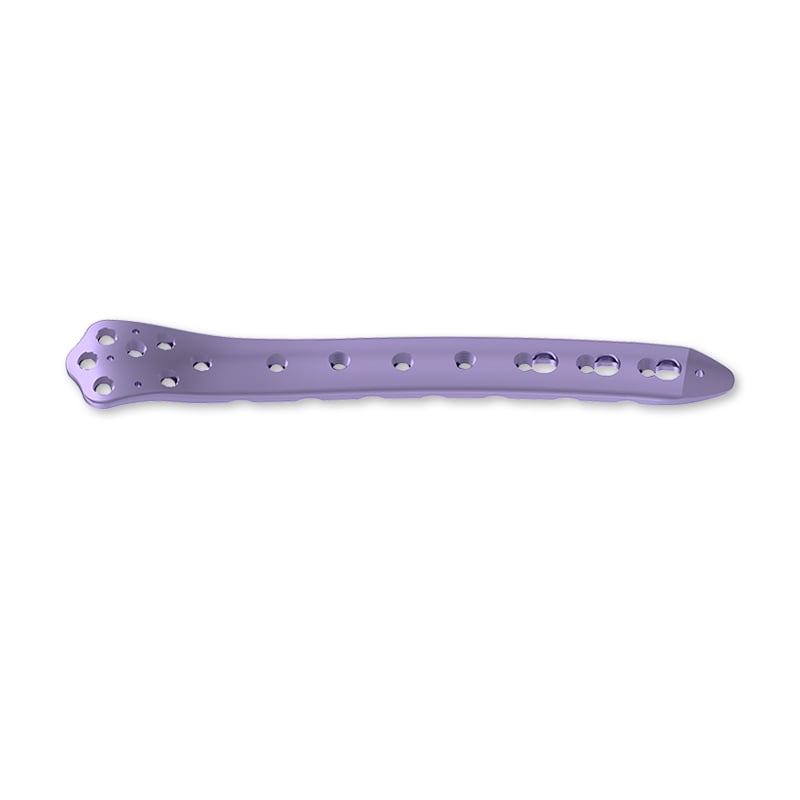
The performance of a bone plate in osteoporotic bone differs substantially from its function in normal-density bone. Osteoporotic patients suffer from compromised bone architecture, reduced cortical thickness, and diminished load-bearing capacity. These factors directly influence how a bone plate stabilizes fractures, transfers load, and facilitates healing. A successful bone plate design for osteoporotic applications must account for poor screw purchase, reduced stress distribution, and prolonged healing timelines inherent to fragile bone tissue.
Mechanical Design Adaptations for Osteoporotic Bone
Locking Mechanism and Thread Geometry
Modern bone plate systems employ locking screw technology to overcome the fundamental weakness of osteoporotic bone. Traditional compression plating relied on friction between the screw head and plate surface, but this approach fails when bone is too soft to support adequate screw purchase. A bone plate with locking screws functions as a fixed-angle device, where the screw threads engage the plate directly rather than relying on bone grip strength. This design principle ensures that a bone plate maintains its fixation integrity even when inserted into severely compromised bone stock.
The thread geometry of osteoporotic-specific bone plate systems typically features wider core diameters and optimized pitch angles to maximize contact surface area within cancellous bone. A bone plate engineered this way distributes load over a larger surface, reducing stress concentration at the screw-bone interface. This adaptation is critical because osteoporotic bone cannot tolerate the point loads generated by conventional screw designs. When surgeons choose a bone plate with appropriate thread specifications, healing outcomes improve substantially.
Material Composition and Stress Distribution
The material properties of a bone plate directly influence how it transfers mechanical load to weakened bone. Titanium alloy and stainless steel remain the primary materials for modern bone plate construction because they provide sufficient stiffness while avoiding stress shielding effects that compromise bone remodeling. Some specialized bone plate designs incorporate surface treatments or coatings to enhance osteogenic response in osteoporotic patients. The engineering goal is ensuring that a bone plate shares load appropriately with healing bone rather than bypassing it entirely.
A bone plate positioned on the tension side of a fracture site can support load-sharing healing, whereas a bone plate on the compression side demands absolute stability. In osteoporotic patients, surgeons typically prefer bridge plating techniques where a bone plate spans the fracture zone without direct reduction contact, preserving periosteal blood supply and promoting secondary bone healing. This approach allows a bone plate to provide relative stability while the body's biological processes gradually restore bone continuity.
Clinical Performance and Fixation Strategies
Screw Positioning and Density
The number and positioning of screws in a bone plate system significantly impacts fixation success in osteoporotic bone. While normal bone can often tolerate minimal screw placement, a bone plate for osteoporotic patients typically requires increased screw density near the fracture site. Surgeons may place screws in every hole, or nearly every hole, to distribute load across multiple purchase points. This strategy compensates for the reduced holding power of each individual screw in weak bone. A well-designed bone plate for osteoporotic applications includes sufficient holes to accommodate aggressive screw placement without compromising plate geometry.
Screw length and diameter also factor into how effectively a bone plate engages osteoporotic bone. Longer screws that achieve better cortical purchase enhance fixation stability, and a bone plate system should facilitate such placement without structural compromise. Some surgeons prefer bicortical screw placement when anatomy permits, as this maximizes screw purchase length. A bone plate that accommodates varied screw lengths and angles provides surgeons with flexibility to adapt to individual bone quality variations.
Load-Sharing Mechanics and Healing Integration
A bone plate performs optimally in osteoporotic patients when it facilitates load-sharing between the plate and the healing bone. Unlike absolute stability fixation, a bone plate using bridge plating techniques allows micro-motion at the fracture site, stimulating callus formation and promoting secondary bone healing. This mechanism is particularly advantageous in osteoporotic patients, whose bone healing already proceeds at a slower pace. A bone plate that provides sufficient stability while permitting controlled micromotion creates ideal conditions for robust callus development.
The healing response to a bone plate in osteoporotic bone differs from normal bone due to reduced angiogenic capacity and diminished osteogenic signaling. A bone plate positioned to preserve periosteal blood supply becomes critical for promoting healing. Surgeons understand that a bone plate should not replicate the biomechanical function of the bone being repaired; instead, a bone plate should guide the biological healing process toward successful union. In osteoporotic patients, callus formation often appears earlier and more robust when a bone plate permits physiologic loading patterns.
Clinical Outcomes and Patient-Specific Considerations
Union Rates and Complications
Clinical studies demonstrate that appropriate bone plate selection and application result in favorable union rates even in osteoporotic patients. When a bone plate is properly sized, positioned, and secured with adequate screw density, union rates typically exceed 90 percent. However, complications do occur, particularly when a bone plate is undersized or placed with insufficient screw purchase. Screw loosening represents the most common failure mode when a bone plate is inadequately secured in osteoporotic bone. Hardware prominence and soft tissue irritation remain secondary concerns, especially when a bone plate design emphasizes low-profile construction.
The performance timeline of a bone plate in osteoporotic patients extends longer than in normal bone. Radiographic evidence of healing typically appears three to four weeks later in osteoporotic fractures compared to normal fractures. A bone plate must remain stable throughout this extended healing window. Surgeons monitor osteoporotic patients carefully and may restrict weight-bearing longer when a bone plate alone provides fixation without supplemental support, ensuring that a bone plate maintains its mechanical advantage until bone union is sufficiently advanced.
Supplemental Fixation and Adjunctive Strategies
Advanced surgical technique often combines a bone plate with supplemental fixation or biological enhancement strategies in osteoporotic patients. Some surgeons augment a bone plate with intramedullary support, while others enhance fixation by incorporating a bone plate with percutaneous pinning techniques. Biological adjuncts such as bone graft substitutes or demineralized bone matrix may accompany a bone plate to accelerate healing. These multimodal approaches recognize that a bone plate alone may provide mechanical stability, but biological support optimizes outcomes in compromised bone.
Patient-specific factors influence how well a bone plate performs in osteoporotic individuals. Nutritional status, vitamin D levels, comorbidities, and medication history all affect bone healing and ultimately determine whether a bone plate achieves successful union. Osteoporotic patients with significant metabolic compromise may require extended immobilization even when a bone plate provides solid mechanical fixation. A comprehensive assessment of patient biology should guide whether a bone plate requires supplemental support or if standard application suffices.
FAQ
Why does bone plate screw purchase fail in osteoporotic bone?
Osteoporotic bone exhibits reduced mineral density and deteriorated trabeculae, meaning screws cannot achieve the same grip strength as they do in normal bone. A bone plate's locking mechanism addresses this by transferring the fixation load to the plate itself rather than relying on screw-bone friction. This design ensures a bone plate maintains stability despite poor bone quality.
Can a bone plate be used without supplemental fixation in osteoporotic fractures?
Yes, a bone plate can function as primary fixation in osteoporotic patients when properly designed and applied with adequate screw density. However, complex fracture patterns, severe comminution, or extreme osteoporosis may warrant supplemental support. Surgeons assess each case individually to determine whether a bone plate alone suffices or whether adjunctive techniques enhance outcomes.
How long does healing take when a bone plate stabilizes an osteoporotic fracture?
Healing timelines extend significantly in osteoporotic patients compared to normal bone. A bone plate typically requires immobilization support for 8 to 12 weeks, with full bony union often requiring 12 to 16 weeks or longer. The exact timeline depends on fracture location, patient age, bone quality, and overall health status, but a bone plate must remain stable throughout the entire healing process.