
 EN
EN
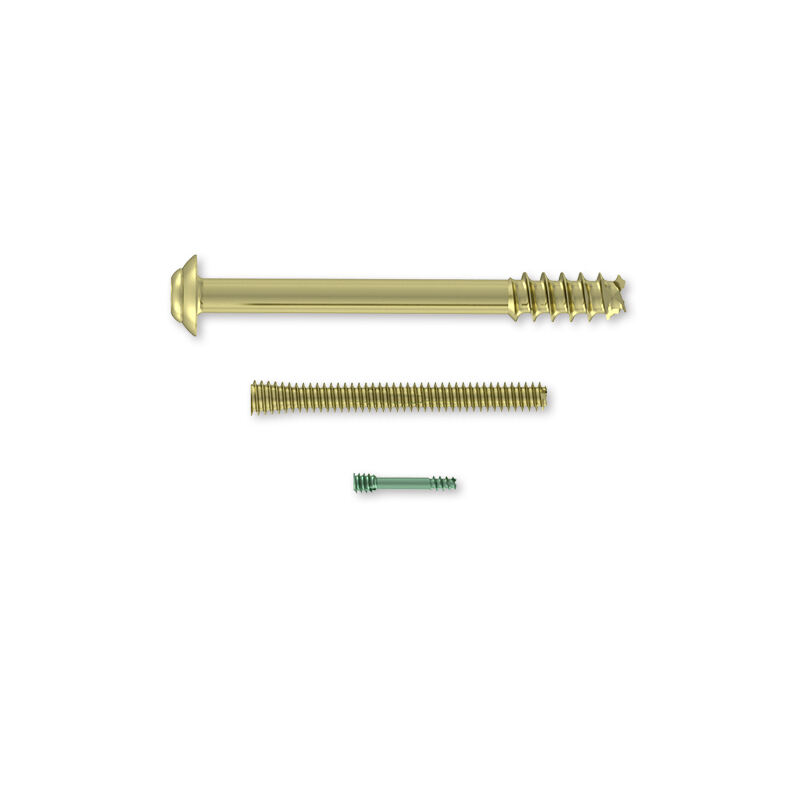
A modern ortopédiai sebészet forradalmasította a gerincbetegségek kezelését fejlett gerinc rögzítő eszközök amelyek jelentősen csökkentik a műtét utáni szövődményeket. Ezek a kifinomult orvosi eszközök alapvető stabilitást és támogatást nyújtanak az összetett gerincsebészeti beavatkozásokat követő kritikus gyógyulási fázisokban. Az innovatív tervezési elemek és a biokompatibilis anyagok integrálása forradalmasította a betegek kezelésének eredményességét, csökkentve a gyógyulási időt és javítva a hosszú távú sebészeti sikerarányokat. A készülékek működési mechanizmusainak megértése feltárja elengedhetetlen szerepüket a modern gerinchirurgiai protokollokban.
A gerincrögzítési technológia megértése
A gerincstabilizáció alapvető mechanizmusai
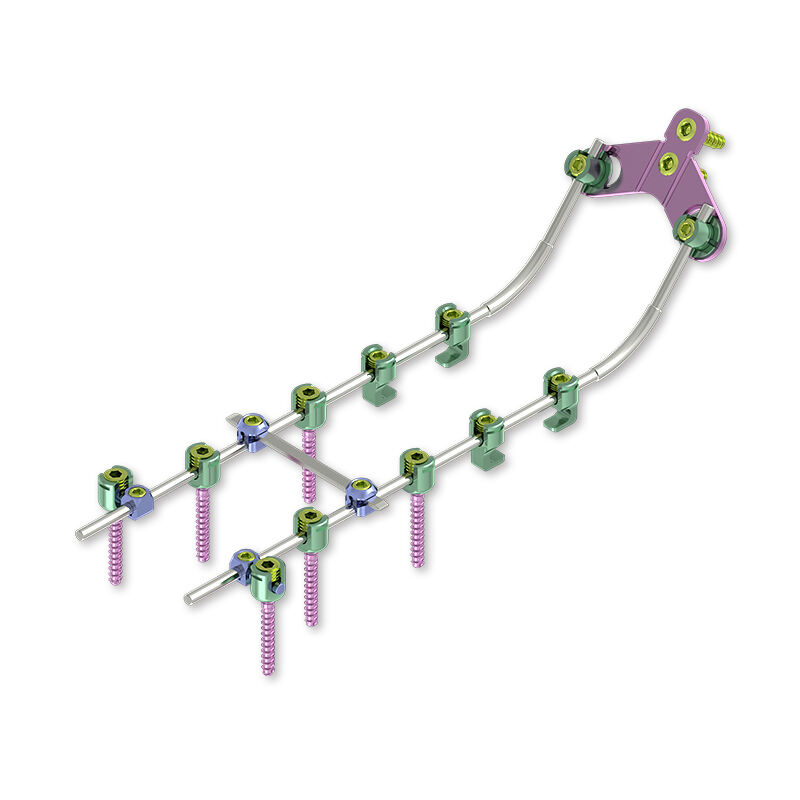
A gerincrögzítő eszközök precíz biomechanikai elvek alapján működnek, amelyek a gyógyulási folyamat során biztosítják a megfelelő csigolya-illeszkedést. Ezek a rendszerek célzottan elhelyezett csavarokat, rúdokat és lemezeket használnak egy merev keret létrehozására, amely megakadályozza a nem kívánt mozgást a műtéti helyeken. A technológia fejlett anyagtudományt alkalmaz, titánötvözeteket és más biokompatibilis anyagokat felhasználva, amelyek zökkenőmentesen integrálódnak az emberi csontszövetbe. Ezt az integrációs folyamatot, amelyet oszteointegrációnak neveznek, hosszú távú stabilitás biztosítja, és csökkenti az eszköz lazaságának vagy eltolódásának valószínűségét.
A modern rögzítőrendszerek mögötti mérnöki megoldások több tényezőt is figyelembe vesznek, beleértve a terheléseloszlást, a feszültségkoncentrációt és a fáradási ellenállást. Az egyes alkatrészeket szigorú teszteknek vetik alá, hogy ellenálljanak a normál fiziológiai mozgás során keletkező dinamikus erőknek. A fejlett gyártástechnikák folyamatos minőséget és pontos tűréshatárokat biztosítanak, amelyek elengedhetetlenek az optimális sebészi eredményekhez. Ezek a technológiai fejlesztések drámaian csökkentették a hardverrel kapcsolatos komplikációk előfordulását, amelyek korábban az első generációs gerincimplantátumokat jellemzően terhelték.
Anyagtudományi innovációk
A modern gerincrögzítő eszközök a biomérnöki terület úttörő fejlesztéseinek köszönhetik előnyeiket, amelyek javítják a biokompatibilitást és a mechanikai teljesítményt. A titánalapú ötvözetek továbbra is az arany standardot képviselik kitűnő szilárdság-súly arányuk és kiváló korrózióállóságuk miatt biológiai környezetben. A felületkezelések és bevonati technológiák tovább növelik a csontintegrációt, miközben csökkentik a gyulladásos válaszokat, amelyek hátrányosan befolyásolhatják a gyógyulást. Ezek az anyagok kiterjedt biokompatibilitási vizsgálatokon esnek át, hogy biztosítsák a szigorú szabályozási előírásoknak való megfelelést az orvosi implantátumok esetében.
A legújabb innovációk közé tartozik a porózus bevonatok fejlesztése, amelyek elősegítik a csontnövekedést, erősebb mechanikai kötést létrehozva az implantátum és a szövet között. Egyes gyártók tantál-dúsított felületeket vezettek be, amelyek jobb osteoconduktivitást mutatnak a hagyományos titánfelületekhez képest. Ezek az anyagfejlesztések jelentősen hozzájárulnak az alacsonyabb komplikációs arányhoz, mivel gyorsabb gyógyulást és erősebb hosszú távú rögzítést tesznek lehetővé. Az anyagtudomány folyamatos fejlődése még jobb eredményeket ígér a jövő gerincrögzítési alkalmazásai számára.
Szövődmények csökkentésére szolgáló stratégiák
Hardver lazaedés megelőzése
A modern gerincrögzítő eszközök egyik elsődleges előnye abban rejlik, hogy megakadályozzák a hardver lazaságát, amely gyakori forrása a műtét utáni komplikációknak. A fejlett csavarok olyan jellemzőkkel rendelkeznek, mint az önáttörő menetek és az optimalizált menetemelkedés-konfigurációk, amelyek maximális rögzítést biztosítanak a kortikális és a szivacsos csontban egyaránt. A javított menetgeometria hatékonyabban osztja el a terhelési erőket, csökkentve az implantátum-felület körüli csontreszorpcióhoz vezethető feszültségkoncentrációkat. Ezek a tervezési finomítások jelentősen csökkentették a csavarlazaság előfordulását az előző generációs rendszerekhez képest.
A több tengelyes pedikulás csavarrendszerek további előnyöket nyújtanak, mivel lehetővé teszik a sebészek számára, hogy optimális pálcázáson részesüljenek, miközben a csontok biztonságos beszerzését fenntartják. Ez a rugalmasság csökkenti a túlzott csont eltávolítás vagy a rögzítési erőt gyengítő, kompromittált csavar elhelyezkedés szükségességét. A poliaksiális fejek és a változó szögek beépítése lehetővé teszi a jobb anatómiai alkalmazkodást, miközben megőrzi a konstrukció mechanikai integritását. Ezek a javulások közvetlenül alacsonyabb felülvizsgálati sebészeti beavatkozási arányt és jobb hosszú távú betegekhez való jutást eredményeznek.
A fertőzés kockázatának minimalizálása
A modern gerincrögzítő eszközök antimikrobiális technológiákat és felületmódosításokat alkalmaznak, amelyek aktívan csökkentik a fertőzés kockázatát a műtéti helyen. Az ezüstkationokkal bevont felületek és egyéb antibakteriális kezelések kedvezőtlen környezetet teremtenek a baktériumok kolonizációja szempontjából anélkül, hogy befolyásolnák a biokompatibilitást vagy a csontintegrációt. A kortárs implantátumok sima, fényes felülete kevesebb lehetőséget biztosít a baktériumok tapadására, mint a durvább korábbi tervezések. Ezek a felületi jellemzők szinergikusan hatnak a megfelelő sebészeti technikával együtt, hogy minimalizálják a gerinchirurgia egyik legsúlyosabb komplikációját.
A rögzítő rendszerek tervezése figyelembe veszi a tisztítás és sterilizálás könnyűségét is, biztosítva, hogy az implantátumokat alaposan fel lehessen készíteni sebészeti felhasználásra. Az egyszerűsített geometriák kiküszöbölik azokat a réseket és összetett jellemzőket, amelyek gyártás vagy tárolás során szennyeződéseket rejtethetnek. Szabványos csomagolás és sterilizálási protokollok tovább csökkentik a fertőzési kockázatot, mivel fenntartják a steril állapotot az implantáció pillanatáig. Ezek az átfogó fertőzésmegelőzési megközelítések jelentősen csökkentették a posztoperatív fertőzések arányát a modern gerinchirurgiában.
Sebészeti Technika Fejlesztése
Fejlesztett Műszertervezés
A modern gerincrögzítő eszközök fejlett műszerezettséggel rendelkeznek, amely egyszerűsíti a sebészeti beavatkozásokat, miközben növeli a pontosságot és a biztonságot. Az ergonomikus nyélkialakítás csökkenti a sebészek fáradtságát hosszabb beavatkozások során, míg a javított láthatóságot biztosító segédletek pontos elhelyezést tesznek lehetővé. A színes kódolású alkatrészek és az intuitív szerelési rendszerek minimalizálják a sebészi hibák lehetőségét, amelyek komplikációkhoz vezethetnek. Ezek a felhasználóbarát funkciók lehetővé teszik a sebészek számára, hogy a beavatkozás kritikus elemeire koncentráljanak, ahelyett, hogy bonyolult műszerekkel küzdenének.
A modern rögzítőplatformokkal integrált fejlett irányítórendszerek valós idejű visszajelzést biztosítanak a csavarok trajectoriájáról és mélységéről, csökkentve az ideg- vagy érsérülés kockázatát. A fluoroszkópia-kompatibilis anyagok lehetővé teszik a műtét közbeni képalkotás javítását anélkül, hogy fémek okozta zavarok lépnének fel. Ezek a technológiai fejlesztések a bonyolult gerincműtéteket előrejelezhetőbbé és biztonságosabbá tették a betegek széles körű anatómiai variációi esetén is. A sebészeti eszközök további finomítása még jobb eredményeket ígér, ahogy a technológia továbbfejlődik.
Minimálisan invazív alkalmazások
A gerinc rögzítőeszközeinek fejlődése lehetővé tette a minimálisan invazív sebészeti technikák széleskörű elterjedését, amelyek jelentősen csökkentik a szimuláziót és a kapcsolódó komplikációkat. A percutan csavar rögzítőrendszerek lehetővé teszik a sebészek számára, hogy kis metszéseken keresztül érjenek el megbízható rögzítést, megőrizve a fontos anatómiai struktúrákat és csökkentve a vérzést. Ezek a módszerek rövidebb kórházi tartózkodáshoz, gyorsabb gyógyuláshoz és csökkent sebszövődési kockázathoz vezetnek. A modern rögzítőhardver precíziós mérnöki megoldásai teszik lehetővé ezeket a fejlett sebészeti technikákat.
A minimálisan invazív eljárásokhoz tervezett speciális műszerek olyan funkciókkal rendelkeznek, mint például hosszabbított nyél és szögelt leadórendszerek, amelyek korlátozott sebészi járatokon keresztül is hozzáférést biztosítanak. A modern implantátumok kompakt profilja lehetővé teszi beültetésüket kis metszéseken keresztül anélkül, hogy csökkennene a mechanikai teljesítményük. Ezek a technológiai fejlesztések kiterjesztették azon betegek körét, akik hasznot húzhatnak a gerincrögzítő eljárásokból, miközben egyidejűleg csökkentették az összes szövődmény előfordulásának valószínűségét. Az eszközök tervezése és a sebészeti technikák közötti szinergia folyamatosan tovább tolja a gerincsebészetben elérhető lehetőségek határait.
Hosszú távú teljesítményi előnyök
Növekedett tartóság és hosszú élettartam
A modern gerincrögzítő eszközök kiváló hosszú távú teljesítményjellemzőkkel rendelkeznek, amelyek csökkentik a késői szövődmények előfordulásának valószínűségét, melyek miatt ismételt beavatkozásra lehet szükség. A fejlett gyártási folyamatok biztosítják az anyagjellemzők konzisztenciáját, és kiküszöbölik azokat a hibákat, amelyek korai meghibásodáshoz vezethetnek. A fáradási vizsgálati protokollok évtizedekig tartó fiziológiai terhelést szimulálnak, hogy ellenőrizzék az eszközök tartósságát valós körülmények között. Ezek a minőségbiztosítási intézkedések megbízhatóságot nyújtanak a kortárs rögzítőrendszerek hosszú távú megbízhatóságában.
A jelenlegi biomatériumok fokozott korróziós ellenállása megakadályozza a korábbi implantátum-tervezésekben tapasztalt fokozatos lebomlást. Az ionkibocsátás vizsgálatok kimutatták, hogy a fém ionok minimális mennyiségben szabadulnak meg hosszabb időn át, ami csökkenti a szisztémás fémkibocsátás iránti aggodalmakat. A modern ötvözetek mechanikai tulajdonságai az idő múlásával stabilak maradnak, és a kritikus gyógyulási időszakban és azon túl is megőrzik a rögzítési erősséget. Ezek a teljesítményjavulások közvetlenül csökkentik a hosszú távú szövődmények arányát és javítják a beteg elégedettségét.
Biológiai integráció optimalizálása
A modern gerinc rögzítési eszközök a felszíni módosítások és a természetes csont-átépítés ösztönző tervezési jellemzők révén elősegítik a kiváló biológiai integrációt. A texturált felületek mechanikus összekapcsolódást biztosítanak a környező csontszövetekkel, miközben megfelelő pórusitást tartanak fenn a tápanyagcsere érdekében. A modern anyagok rugalmassági modulusa közelebb illeszkedik a csonthoz, csökkentve a stressz védőhatásokat, amelyek csontvesztéshez vezethetnek az implantátumok körül. Ezek a biológiai szempontok alapvető fontosságúak a stabil, hosszú távú rögzítés eléréséhez.
A csontmorfologenetikus fehérjék és más csontképződést serkentő tényezők iránti kutatás befolyásolta az olyan bioaktív bevonatok fejlesztését, amelyek aktívan elősegítik a csontképződést. Ezek a felületkezelések a rögzítőeszköz mechanikai tulajdonságával együttműködve optimális környezetet teremtenek az összeforrás érdekében. A különböző felületi topográfiákhoz tartozó sejtszintű válaszok megértése olyan optimalizált implántervezésekhez vezetett, amelyek maximális biológiai kompatibilitást biztosítanak. Az eszközfejlesztésnek ez a holisztikus megközelítése garantálja, hogy a gerinc rögzítőeszközök összhangban működjenek a természetes gyógyulási folyamatokkal.
GYIK
Melyek a leggyakori komplikációk, amelyeket a gerinc rögzítőeszközök segítenek megelőzni?
A gerincrögzítő eszközök elsősorban a pszeudoarthrosis (sikertelen csontragasztódás), a rögzítőelemek lazasága, a korrekció elvesztése és az instabilitás szövődményeinek megelőzésére szolgálnak a műtéti helyen. Ezek az eszközök csökkentik a szomszédos szegmensek degenerációjának kockázatát is, mivel biztosítják a gerinc megfelelő igazítását és a terhelés megfelelő eloszlását. A modern eszközök jelentősen csökkentik a javító műtétek előfordulását, mivel stabil, hosszú távú rögzítést biztosítanak, amely elősegíti a sikeres csontnövekedést.
Hogyan csökkentik a modern gerincrögzítő eszközök anyagának fejlesztései a szövődményeket?
A mai gerincrögzítő eszközökben használt speciális bioműanyagok kiváló korrózióállósággal, biocompatibilitással és olyan mechanikai tulajdonságokkal rendelkeznek, amelyek közel állnak az emberi csontéhoz. A titánötvözetek és speciális felületkezelések jobb oszteointegrációt támogatnak, miközben csökkentik a gyulladásos reakciókat. Ezek az anyagfejlesztések csökkentik az implantátum meghibásodásának, fertőzésnek és kóros szöveti reakcióknak a kockázatát, amelyek gyakoribbak voltak a korábbi generációs eszközök esetében.
Milyen szerepet játszik a sebészi technika a komplikációk csökkentésében gerincrögzítő eszközök alkalmazása során?
A megfelelő sebészi technika elengedhetetlen a modern gerincrögzítő eszközök előnyeinek maximalizálásához és a szövődmények minimalizálásához. A pontos csavarok elhelyezése, a megfelelő rúdformázás és a körültekintő lágyrész-kezelés mind hozzájárulnak a sikeres eredményhez. A jelenlegi eszközökkel rendelkezésre álló javított instrumentáció és irányítórendszerek segítik a sebészeket az optimális elhelyezés elérésében, miközben csökkentik a műtét idejét és a szöveti traumát.
Mennyi ideig tartanak általában a modern gerincrögzítő eszközök szövődmények nélkül?
A modern gerincrögzítő eszközöket hosszú távú állandóságra tervezték, és sok rendszer évtizedekig kiváló teljesítményt nyújt szövődmények nélkül. Klinikai tanulmányok szerint a mai korabeli rendszerek több mint 95%-a nem igényel módosítást 10 éves követési idő után. A jelenlegi eszközök fejlesztett anyagai és tervezési jellemzői megbízhatóságot adnak hosszú távú tartósságukat illetően, bár az egyéni eredmények eltérhetnek a betegspecifikus tényezőktől és a sebészeti technikától függően.
Tartalomjegyzék
- A gerincrögzítési technológia megértése
- Szövődmények csökkentésére szolgáló stratégiák
- Sebészeti Technika Fejlesztése
- Hosszú távú teljesítményi előnyök
-
GYIK
- Melyek a leggyakori komplikációk, amelyeket a gerinc rögzítőeszközök segítenek megelőzni?
- Hogyan csökkentik a modern gerincrögzítő eszközök anyagának fejlesztései a szövődményeket?
- Milyen szerepet játszik a sebészi technika a komplikációk csökkentésében gerincrögzítő eszközök alkalmazása során?
- Mennyi ideig tartanak általában a modern gerincrögzítő eszközök szövődmények nélkül?