
 EN
EN
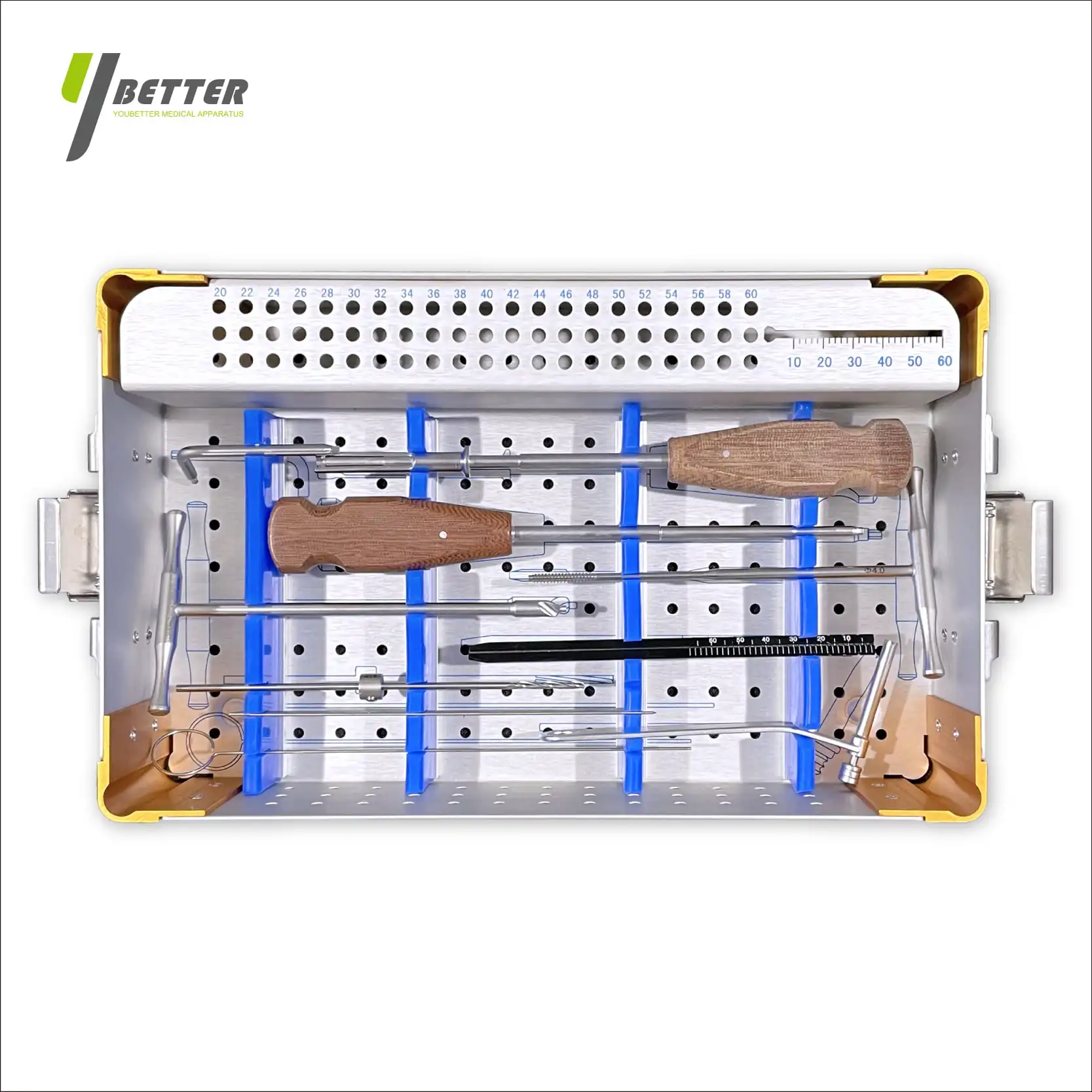
The demand for tailored orthopedic solutions has driven innovation in how medical device manufacturers approach external fixator design and production. An external fixator is a specialized bone stabilization system that sits outside the body, connected to bone fragments through pins or wires, enabling precise alignment during fracture healing or limb reconstruction. OEM services have become instrumental in delivering customized external fixator systems that meet the unique requirements of hospitals, surgical centers, and trauma specialists worldwide. When healthcare facilities need an external fixator configured for specific patient anatomies, surgical protocols, or clinical applications, original equipment manufacturer partnerships provide the engineering expertise and production capability to transform those requirements into reality.
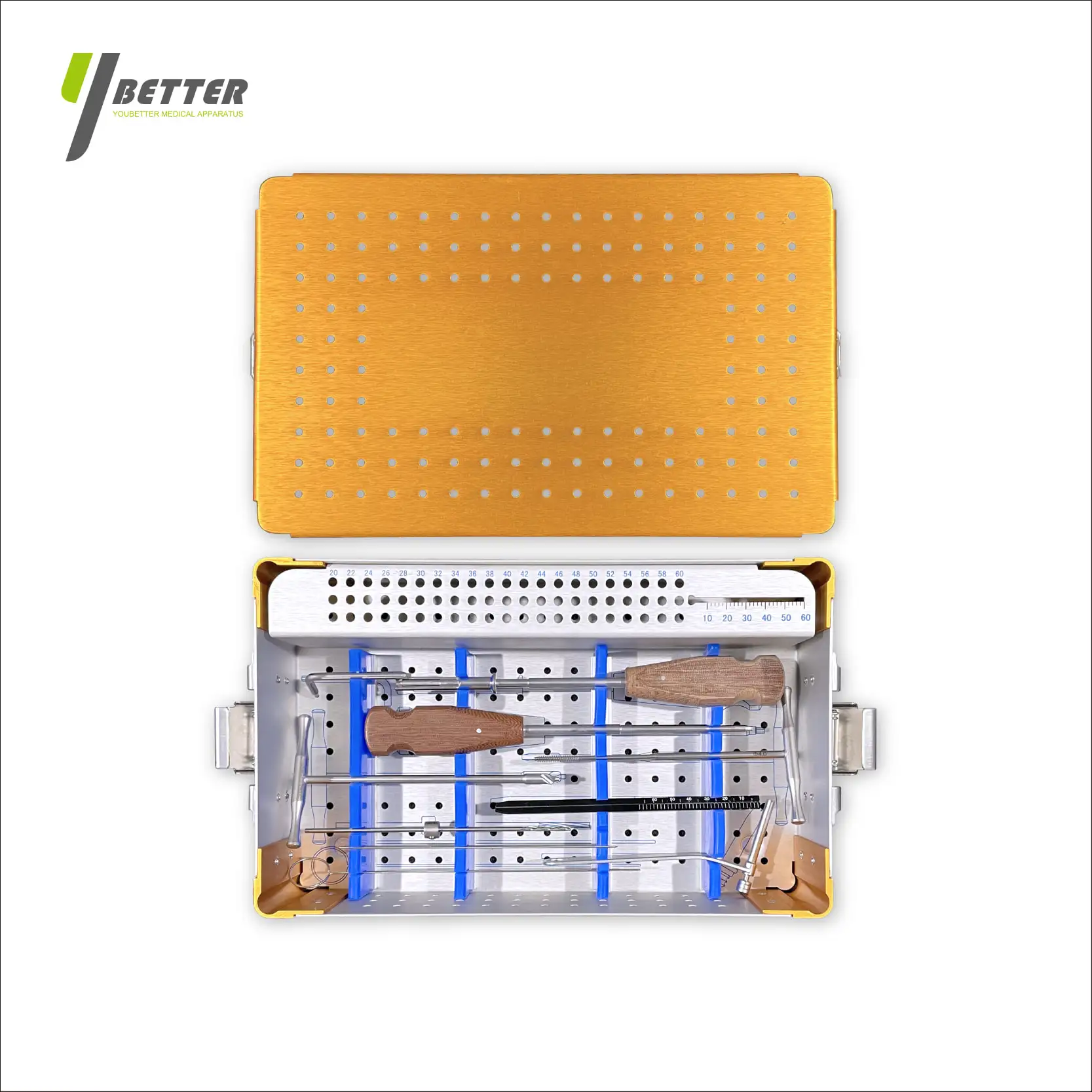
OEM services for external fixator customization represent far more than simple assembly or component sourcing. These partnerships involve collaborative design, material selection, manufacturing optimization, and rigorous quality assurance to ensure that each customized external fixator meets both regulatory standards and the clinical expectations of end users. Whether a healthcare provider requires modifications to frame geometry, adjustments to pin spacing, integration of specialized clamps, or entirely novel configurations, OEM manufacturers leverage their technical depth and production infrastructure to deliver solutions that standard catalog products cannot provide.
Design Flexibility and Material Innovation
Tailoring External Fixator Geometry for Clinical Need
The structural design of an external fixator directly influences surgical outcomes, patient comfort, and healing trajectory. OEM services enable manufacturers to modify frame geometry, pin angles, and ring diameters to accommodate patient-specific anatomy, fracture patterns, or surgical preferences. When a surgeon identifies that a standard external fixator geometry does not align with a particular clinical challenge, OEM partners work through design iterations to create an optimized configuration. This might involve adjusting the distance between fixation rings, altering the trajectory of threaded pins, or reconfiguring the mounting surfaces for specialized accessories. The external fixator that emerges from this collaborative process becomes a precision instrument rather than a generic solution, directly supporting the surgeon's treatment plan and improving biomechanical stability throughout the healing period.
Advanced Materials and Surface Treatments
Material selection profoundly affects the durability, biocompatibility, and performance of an external fixator system. OEM services allow manufacturers to specify titanium alloys, stainless steel grades, or composite materials that meet specific mechanical and biological requirements. Customized surface treatments such as anodizing, passivation, or specialized coatings can be integrated into the manufacturing process to enhance corrosion resistance or reduce the risk of infection at pin sites. When a healthcare provider requires an external fixator with enhanced antimicrobial properties or improved interface characteristics for sensitive patient populations, OEM manufacturing capabilities make these material innovations feasible. The flexibility to upgrade materials and treatments transforms an external fixator from a standard component into a sophisticated medical device aligned with contemporary clinical best practices.
Production Scalability and Quality Assurance
Managing Custom Orders While Maintaining Consistency
One of the primary challenges in external fixator customization is ensuring that bespoke designs maintain the same rigorous quality standards as high-volume production runs. OEM services address this challenge through structured design validation, process controls, and comprehensive testing protocols. When an OEM partner receives specifications for a customized external fixator, that design undergoes the same dimensional verification, mechanical testing, and sterility assurance processes as any standard product. This commitment to consistency means that surgical teams can rely on each customized external fixator to perform predictably and safely, regardless of production volume or design complexity. The manufacturing discipline embedded in OEM operations protects the clinical integrity of every customized external fixator that enters a surgical setting.
Regulatory Compliance and Documentation
Regulatory bodies worldwide impose stringent requirements on medical device design, manufacturing, and distribution. OEM services include the technical and administrative infrastructure to navigate these regulatory landscapes for customized external fixator systems. Manufacturers document design rationale, conduct appropriate biocompatibility assessments, perform sterilization validation, and maintain traceability records that demonstrate compliance with applicable standards. When a hospital or surgical center partners with an OEM to develop a specialized external fixator configuration, that partnership includes assurance that the resulting device meets FDA, ISO, CE, or other regional requirements. This regulatory backbone is often invisible to end users but represents a critical foundation that enables healthcare providers to confidently deploy customized external fixators in clinical practice.
Clinical Application and Strategic Partnership Value
Supporting Surgical Innovation and Specialized Procedures
Orthopedic surgery continues to evolve, with surgeons developing novel techniques for complex fracture management, limb lengthening, and deformity correction. An external fixator that satisfies yesterday's surgical protocols may prove inadequate for emerging treatment approaches. OEM partnerships enable surgical innovation by providing manufacturers with early access to clinical challenges and emerging procedural requirements. When a trauma surgeon identifies that a particular external fixator configuration would improve outcomes for a specific injury pattern, that insight can flow directly into OEM development roadmaps. The result is customized external fixator systems that support cutting-edge surgical practice, giving innovative surgeons the tools they need to expand treatment possibilities and improve patient outcomes. This collaborative relationship transforms OEM services from reactive manufacturing into a proactive extension of surgical innovation.
Long-Term Supply Chain and Product Evolution
Healthcare institutions often require sustained availability of specialized medical devices to support established surgical programs. OEM services provide the framework for long-term supply commitments, product lifecycle management, and continuous improvement of customized external fixator systems. When a hospital establishes a customized external fixator design through an OEM partner, that relationship typically includes agreements regarding production timelines, component sourcing, design modifications, and regulatory updates. As clinical experience accumulates with a customized external fixator, feedback from surgeons and patients can inform iterative improvements. OEM manufacturers can incorporate these refinements into subsequent production runs, ensuring that the external fixator evolves to reflect contemporary clinical knowledge. This partnership structure creates stability and continuous improvement rather than forcing healthcare providers to repeatedly source alternative solutions.
FAQ
What types of customization can OEM services provide for an external fixator?
OEM services can customize nearly every aspect of an external fixator design, including frame geometry, pin spacing, material selection, surface treatments, accessory integration, and sterilization packaging. Manufacturers can adjust the external fixator to accommodate specific patient anatomies, surgical preferences, or clinical protocols. Whether the modification involves minor dimensional adjustments or comprehensive redesign of the external fixator architecture, experienced OEM partners possess the engineering capability and production infrastructure to execute customization while maintaining rigorous quality and regulatory compliance standards.
How do OEM partners ensure that customized external fixator systems meet regulatory requirements?
OEM manufacturers maintain comprehensive quality management systems, design documentation, biocompatibility assessment protocols, and sterilization validation procedures that apply to both standard and customized external fixator products. Each customized external fixator undergoes dimensional verification, mechanical testing, and traceability documentation to ensure compliance with applicable regulatory standards including FDA, ISO, and CE requirements. This regulatory infrastructure is embedded in the OEM manufacturing process, ensuring that healthcare providers can deploy customized external fixator systems with confidence in their safety and effectiveness.
What is the typical timeline for developing a customized external fixator through OEM services?
The development timeline for a customized external fixator depends on the complexity of the design modifications, the extent of testing required, and regulatory considerations. Simple modifications to a standard external fixator design may be completed within weeks, while more complex customizations involving new materials, novel geometries, or extensive biocompatibility testing may require several months. OEM partners typically provide detailed project plans that outline design phases, testing milestones, regulatory submissions, and production timelines so healthcare providers can accurately plan their implementation of customized external fixator systems.