
 EN
EN
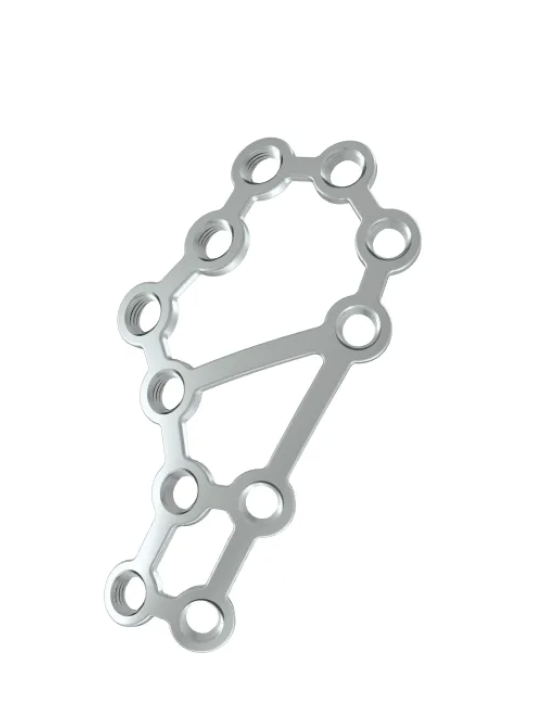
The manufacture of orthopedic implants, particularly bone plates, demands strict adherence to international standards and regulatory frameworks. Companies operating in the bone plate industry must secure multiple certifications to demonstrate their commitment to quality, safety, and compliance. These certifications verify that a bone plate manufacturer operates facilities and processes that meet or exceed global expectations for medical device production. Without proper certifications, a bone plate manufacturer cannot legally distribute products in major markets or maintain trust with healthcare providers and patients.
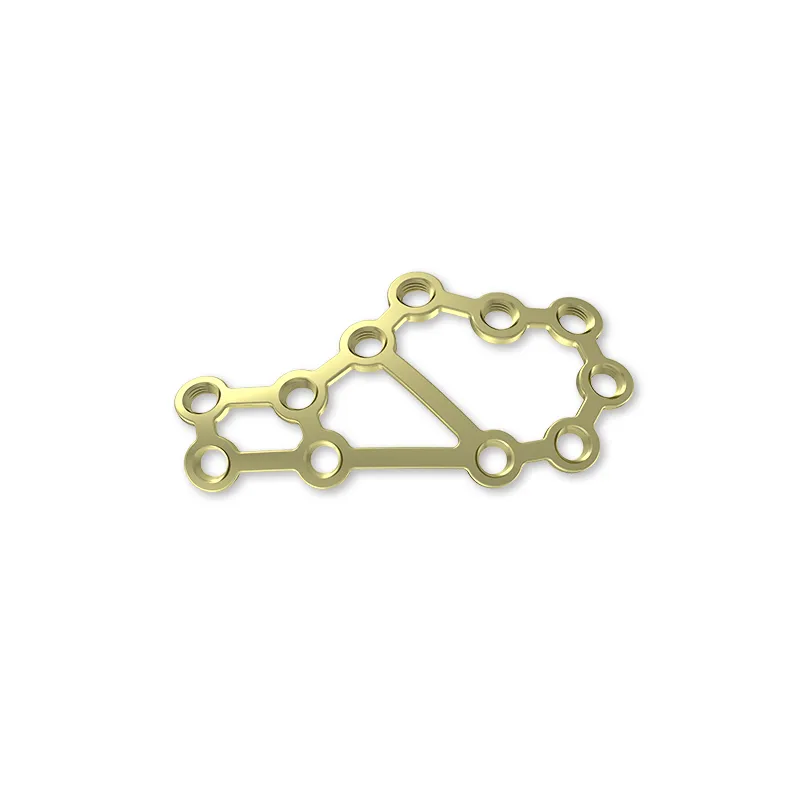
Regulatory bodies across Europe, North America, and Asia-Pacific regions require bone plate manufacturers to maintain documented proof of compliance through recognized certification programs. Each certification reflects a specific dimension of operational excellence, whether manufacturing quality systems, product design, sterilization capability, or traceability. A bone plate manufacturer must balance these requirements while maintaining cost efficiency and competitive positioning in a highly regulated market.
ISO 13485 Certification for Quality Management
Understanding ISO 13485 Requirements
The ISO 13485 standard establishes the quality management system requirements for organizations that design, manufacture, and distribute medical devices. Every bone plate manufacturer pursuing distribution in regulated markets must obtain ISO 13485 certification. This certification demonstrates that the bone plate manufacturer has implemented systematic processes for controlling design, production, verification, and delivery of medical devices. ISO 13485 covers document control, personnel training, supplier management, and post-market surveillance protocols that are non-negotiable for bone plate manufacturers.
A bone plate manufacturer achieving ISO 13485 certification must undergo rigorous third-party audits that assess every aspect of the production environment. The auditing process examines clean room conditions, equipment calibration, batch traceability, and corrective action procedures specific to bone plate manufacturing. For a bone plate manufacturer, this certification serves as proof to surgeons, hospital procurement teams, and regulatory agencies that the company maintains world-class manufacturing discipline.
Implementation and Audit Process
A bone plate manufacturer typically invests 6 to 18 months in implementing ISO 13485 protocols before the certification audit. The bone plate manufacturer must document every step of design and production, create quality manuals, and train all staff members on relevant procedures. During the audit, external assessors verify that a bone plate manufacturer's actual practices match documented procedures. For ongoing compliance, a bone plate manufacturer undergoes surveillance audits every year and full recertification every three years.
Regulatory Approvals and Market-Specific Certifications
FDA Clearance and 510(k) Requirements
In the United States, any bone plate manufacturer seeking market entry must obtain FDA approval through either a 510(k) submission, de novo pathway, or pre-market approval. Most bone plate manufacturers pursue the 510(k) route by demonstrating substantial equivalence to predicate devices already on the market. The bone plate manufacturer must submit detailed technical specifications, biocompatibility data, sterilization validation, and clinical evidence demonstrating that the new bone plate design performs as intended. FDA approval is a prerequisite that establishes regulatory credibility globally, as many international buyers reference FDA clearance as a quality assurance benchmark.
A bone plate manufacturer must also maintain a Quality System Regulation (QSR) compliant facility, which overlaps significantly with ISO 13485 but includes additional FDA-specific expectations. The bone plate manufacturer must establish adverse event reporting systems and maintain regulatory correspondence with the FDA. This ongoing relationship requires a bone plate manufacturer to update the FDA on any significant design changes or manufacturing process improvements that affect bone plate safety or performance.
European Medical Device Regulation (MDR) and CE Marking
European markets require bone plate manufacturers to comply with the Medical Device Regulation (MDR 2017/745). A bone plate manufacturer must obtain CE marking, which certifies that the bone plate meets essential safety and performance requirements. The bone plate manufacturer must work with a notified body that conducts conformity assessment and reviews technical documentation. For Class II devices like most bone plates, the bone plate manufacturer must demonstrate compliance through design and production quality assurance. The CE marking process requires the bone plate manufacturer to maintain detailed risk management files, design history files, and clinical evaluation reports.
Material Certification and Biocompatibility Standards
ISO 5832 and Material Specifications
Bone plates are typically manufactured from stainless steel, titanium, or specialized alloys that must meet strict material standards. Every bone plate manufacturer must source materials from suppliers who provide ISO 5832 certification, which specifies composition, mechanical properties, and purity requirements for metallic orthopedic implants. The bone plate manufacturer must verify material certificates for each batch and maintain traceability records linking finished bone plates to raw material lots. This material certification ensures that a bone plate manufacturer cannot accidentally introduce defective or substandard materials into production.
ISO 10993 Biocompatibility Testing
A bone plate manufacturer must conduct comprehensive biocompatibility testing per ISO 10993 standards before releasing any new bone plate design. The bone plate manufacturer engages independent laboratories to evaluate cytotoxicity, sensitization, irritation, and systemic toxicity using bone plate samples. ISO 10993 biocompatibility certification proves that a bone plate design poses no harmful biological response when implanted in human tissue. The bone plate manufacturer must document all test results and maintain them as part of the technical file. Biocompatibility certification is required by both FDA and European regulations, making it a non-negotiable element for any bone plate manufacturer entering major markets.
Sterilization and Additional Compliance Standards
Sterilization Validation and ISO 11135
Most bone plates are sterilized by ethylene oxide (EO) gas before shipment to hospitals and surgical centers. A bone plate manufacturer must validate sterilization processes according to ISO 11135 standards, which define parameters for achieving adequate sterilization efficacy. The bone plate manufacturer must demonstrate that EO sterilization reduces microbial load to acceptable levels without damaging the bone plate material or mechanical properties. Sterilization validation requires the bone plate manufacturer to conduct multiple test cycles and provide documentation to regulatory bodies.
Beyond initial validation, a bone plate manufacturer must conduct ongoing process monitoring through biological and chemical indicators placed within sterilization loads. Every batch of bone plates produced by the bone plate manufacturer undergoes verification testing before release. ISO 11135 compliance ensures that a bone plate reaching the operating room is free from pathogens and safe for surgical implantation. A bone plate manufacturer's sterilization certification directly impacts product recall risk and liability exposure.
Traceability and Lot Tracking Certification
Regulatory agencies require that a bone plate manufacturer maintain complete traceability from raw material receipt through final sterilization and shipment. The bone plate manufacturer must implement lot tracking systems that link each finished bone plate to its component materials, manufacturing dates, sterilization cycle, and distribution records. This traceability certification allows a bone plate manufacturer to execute rapid recalls if a safety issue emerges. Modern bone plate manufacturers use serialization and barcode systems to automate traceability, demonstrating commitment to post-market surveillance and patient safety.
FAQ
What is the most critical certification for a bone plate manufacturer to obtain?
ISO 13485 is widely regarded as the foundational certification because it establishes the quality management system framework that supports all other compliance efforts. Without ISO 13485, a bone plate manufacturer cannot meaningfully implement FDA, European, or other regulatory requirements. However, bone plate manufacturers must view all certifications as interconnected; each addresses a specific compliance dimension that together protects product safety and regulatory approval.
How long does it typically take for a bone plate manufacturer to achieve all necessary certifications?
A bone plate manufacturer typically requires 18 to 36 months to achieve comprehensive certification coverage. ISO 13485 implementation takes 6 to 18 months, biocompatibility and sterilization validation require 3 to 6 months, and FDA or CE marking processes can extend 6 to 18 months depending on complexity. A bone plate manufacturer accelerates this timeline by preparing all documentation packages simultaneously and engaging regulatory consultants experienced in medical device pathways.
Are certifications required for every bone plate design, or can a bone plate manufacturer reuse existing approvals?
A bone plate manufacturer can leverage existing ISO 13485 certification for all product lines, but significant design changes require new biocompatibility testing and regulatory submissions. A bone plate manufacturer can file 510(k) submissions if new designs are substantially equivalent to predicate devices, which streamlines market entry. However, bone plate manufacturers must notify regulatory bodies of any material, design, or manufacturing process changes that could affect safety or performance. The strategy a bone plate manufacturer adopts depends on how substantially the new bone plate differs from existing approved products.