
 EN
EN
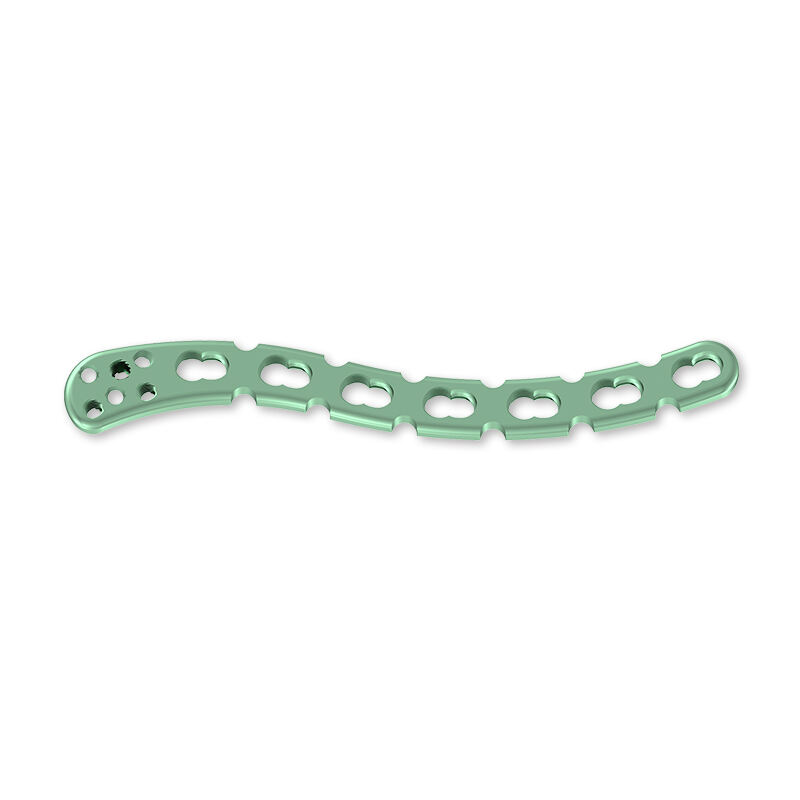
When a bone fractures, the body initiates a complex biological cascade aimed at restoring structural integrity and function. However, in many cases, this natural process requires mechanical support to succeed. This is precisely where orthopedic implants play a transformative role. By providing stabilization, alignment, and load-sharing capabilities, orthopedic implants create the optimal mechanical environment that allows bone tissue to regenerate efficiently and with greater predictability.
The relationship between orthopedic implants and fracture healing is deeply rooted in biomechanics and biology. Modern implant design is not simply about holding broken bone segments together — it is about facilitating the right kind of movement, preserving blood supply, and supporting the cellular activity required for tissue repair. Understanding how orthopedic implants interact with the healing process helps clinicians, patients, and procurement specialists make more informed decisions about treatment and device selection.
The Biological Basis of Fracture Healing
Stages of Bone Repair and the Role of Stability
Fracture healing occurs in a series of overlapping phases: hematoma formation, soft callus formation, hard callus formation, and bone remodeling. Each phase depends on a delicate balance between biological signals and mechanical conditions. Excessive motion at the fracture site during early healing can disrupt vascular ingrowth and delay the transition from soft to hard callus, leading to complications such as non-union or malunion.
Orthopedic implants provide the mechanical stabilization needed to protect these early biological events. When a locking plate, intramedullary nail, or compression screw is correctly positioned, it reduces pathological motion at the fracture gap while allowing the micromovement that stimulates callus formation. This controlled mechanical environment is a central reason why orthopedic implants have become indispensable in modern trauma surgery.
The concept of 'relative stability' versus 'absolute stability' is critical here. Absolute stability, achieved through compression techniques, promotes direct bone healing with minimal callus. Relative stability, often provided by bridging plates or flexible fixation, encourages indirect healing through callus bridging. Orthopedic implants are designed to deliver one or both of these stability modes depending on the fracture pattern and location.
Vascularization and Implant Design Considerations
One of the most significant advances in orthopedic implant design has been the recognition that preserving periosteal blood supply is essential for successful healing. Early plate designs required extensive bone-to-implant contact, which could compromise cortical vascularity and increase the risk of infection and delayed healing. Modern low-contact and locking plate systems reduce the footprint on bone surfaces, thereby preserving the periosteal blood flow needed to support osteogenesis.
Orthopedic implants designed with anatomical contouring further reduce the need for intraoperative bending, minimizing the risk of damaging surrounding soft tissue during implant placement. This is especially important in regions like the distal femur or proximal tibia, where soft tissue coverage is limited and vascular anatomy is complex. Preserving tissue integrity during implant insertion is not a secondary concern — it is a primary determinant of healing outcomes.
Mechanical Functions of Orthopedic Implants in Fracture Management
Load Sharing and Stress Distribution
One of the core mechanical contributions of orthopedic implants is their ability to redistribute mechanical loads away from the fractured bone segments. In weight-bearing bones such as the femur and tibia, physiological forces can be substantial. Without implant support, these forces may cause fracture displacement, pain, and failure of healing. Orthopedic implants act as internal load-sharing devices that allow controlled loading of the healing bone, which is known to stimulate osteoblast activity and accelerate repair.
The arc femur locking plate is a prime example of how implant geometry can be optimized for specific anatomical zones. Its curved design aligns with the natural curvature of the femoral shaft, ensuring that mechanical stresses are distributed along the bone-implant construct in a biomechanically favorable manner. This reduces stress concentration at the screw-bone interface and minimizes the risk of implant failure under cyclic loading conditions.
For procurement and clinical teams evaluating orthopedic implants for femoral fractures, understanding how load-sharing geometry varies between implant types is essential. A plate that is too rigid may stress-shield the underlying bone, leading to cortical atrophy. A plate that is too flexible may allow excessive motion, preventing stable healing. The balance between rigidity and flexibility is a defining quality parameter in orthopedic implant engineering.
Angular Stability and Locking Screw Technology
The introduction of locking screw technology has been one of the most impactful innovations in orthopedic implant design. Unlike conventional screws that rely on friction between the plate and bone for stability, locking screws thread into the plate itself, creating a fixed-angle construct. This angular stability transforms the plate from a simple splint into an internal fixator that does not depend on bone quality for purchase.
This is particularly relevant in patients with osteoporotic bone, where conventional screw fixation may fail due to poor cortical density. Locking orthopedic implants maintain their fixation even in compromised bone, reducing the risk of screw pull-out and construct collapse. The clinical implication is significant: elderly patients with osteoporotic femoral fractures can be treated with greater confidence when locking plate technology is applied correctly.
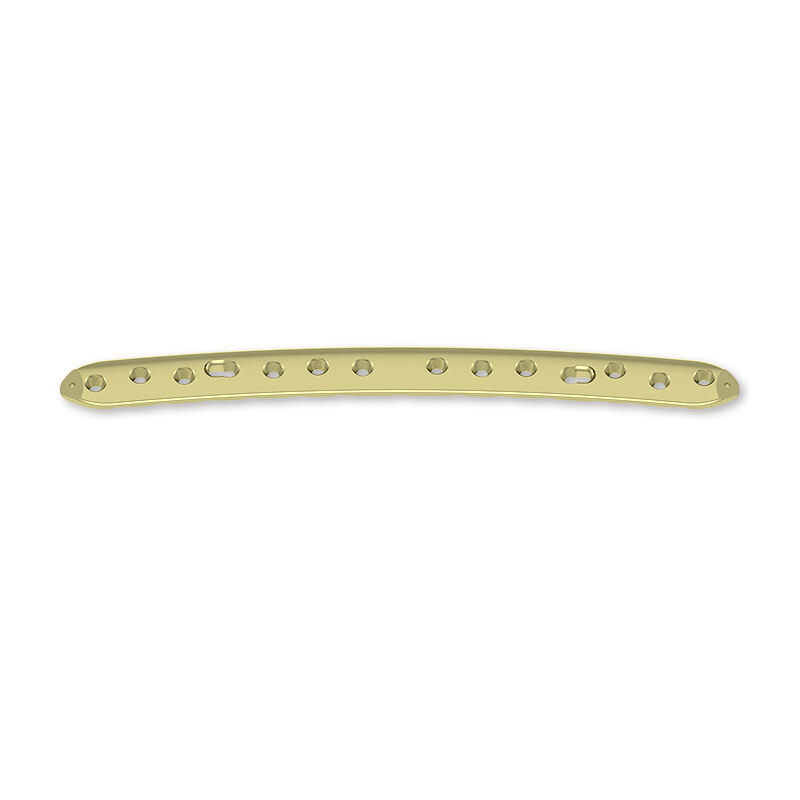
In locking plate constructs, the screws do not need to pull the plate down to the bone surface. This preserves the periosteal blood supply beneath the plate and reduces the risk of thermal or mechanical necrosis at the bone interface. This biological benefit, combined with the mechanical advantage of angular stability, is why locking orthopedic implants have largely replaced conventional plating systems in many trauma applications.
Implant Selection and Fracture-Specific Considerations
Matching Implant Type to Fracture Pattern
Not all fractures are the same, and neither are orthopedic implants. The selection of the appropriate implant type depends on multiple variables, including fracture location, fracture pattern, bone quality, patient age, activity level, and the surgeon's planned reduction technique. Diaphyseal fractures of long bones are often treated with intramedullary nails, which provide load-sharing fixation with minimal soft tissue disruption. Periarticular fractures, by contrast, frequently require anatomically contoured plates that can achieve stable fixation close to the joint surface.
Femoral fractures present a particularly demanding clinical challenge given the bone's size, curvature, and role in weight-bearing. Orthopedic implants designed for the femur must accommodate significant bending and torsional loads while maintaining stable fixation across the fracture zone. The use of pre-contoured locking plates that match the natural bow of the femoral shaft helps reduce intraoperative adjustment time and improves construct alignment without requiring aggressive soft tissue stripping.
Complex or comminuted fractures, where the bone is shattered into multiple fragments, require orthopedic implants that can bridge the fracture zone without relying on each fragment for stability. Bridging plating techniques using longer plates with fewer screws at the fracture zone allow callus formation while maintaining overall alignment. Selecting the right implant and applying the correct surgical technique are equally important determinants of healing success.
Material Properties and Biocompatibility
The materials used in orthopedic implants directly influence their mechanical performance and biological compatibility. Titanium alloys are widely used due to their excellent strength-to-weight ratio, corrosion resistance, and osseointegration properties. Titanium-based orthopedic implants generate less stress shielding than stainless steel alternatives in certain configurations, which can reduce the risk of bone resorption around the implant over time.
Stainless steel remains a common material choice in many trauma applications due to its high stiffness, ease of manufacture, and cost-effectiveness. However, for patients with nickel or metal sensitivities, titanium orthopedic implants are the preferred option. Advances in surface treatment technologies have further improved the biocompatibility of implant materials, reducing inflammatory responses and promoting direct bone apposition at the implant surface.
Material fatigue is another critical consideration. Orthopedic implants that are implanted in weight-bearing bones must withstand millions of loading cycles before fracture healing is complete. Implants that are not designed or manufactured to appropriate fatigue standards may fail before healing occurs, requiring revision surgery and prolonging patient recovery. This underscores the importance of sourcing orthopedic implants from manufacturers with rigorous quality control and validated testing protocols.
Clinical Outcomes and Recovery Enhancement
Early Mobilization and Functional Recovery
One of the most tangible benefits of modern orthopedic implants is their ability to support early patient mobilization. In the past, fracture management often required extended periods of immobilization through casting or traction, which carried significant risks including muscle atrophy, deep vein thrombosis, joint stiffness, and pressure ulcers. Stable internal fixation using orthopedic implants has dramatically changed this paradigm by allowing patients to begin weight-bearing and rehabilitation much sooner after surgery.
Early mobilization not only reduces complications associated with immobility but also has direct biological benefits for fracture healing. Controlled mechanical stimulation through physiological loading promotes angiogenesis, enhances callus mineralization, and accelerates the remodeling phase of bone repair. Orthopedic implants that provide sufficient stability to allow early functional loading therefore contribute to faster and more complete healing outcomes.
For elderly patients who are particularly vulnerable to the complications of prolonged bed rest, the stabilization provided by orthopedic implants can be life-saving. Hip fracture fixation, for example, allows patients to be mobilized within days of surgery, reducing mortality rates associated with prolonged recumbency. The design of the implant, the surgical technique, and the rehabilitation protocol work together as a system to optimize recovery.
Reducing Complications and Revision Rates
While orthopedic implants greatly improve outcomes in fracture management, their effectiveness is directly tied to appropriate selection, surgical technique, and implant quality. Complications such as non-union, malunion, infection, hardware failure, and screw loosening can occur when any of these factors are suboptimal. Understanding the potential complications associated with orthopedic implants allows clinical teams to implement preventive strategies and improve overall outcomes.
Locking plate technology has significantly reduced screw loosening in challenging anatomical zones and in patients with poor bone quality, as discussed earlier. Anatomically pre-contoured orthopedic implants have reduced intraoperative complication rates by minimizing the need for plate bending and repositioning. These design improvements have translated into measurable reductions in revision surgery rates and improved patient satisfaction scores across multiple clinical studies.
Infection prevention is another domain where orthopedic implant innovation has made meaningful progress. Surface coatings and modified surface textures that resist bacterial adhesion are being incorporated into next-generation orthopedic implants, particularly for patients at elevated risk of periprosthetic infection. While no implant can eliminate infection risk entirely, these developments represent a meaningful advance in the safety profile of surgical fracture management.
FAQ
How do orthopedic implants specifically support the bone healing process?
Orthopedic implants support bone healing by providing mechanical stabilization that reduces pathological movement at the fracture site while allowing the controlled micromotion that stimulates callus formation. They redistribute mechanical loads away from vulnerable fracture segments, preserve periosteal blood supply through minimized bone contact, and enable early patient mobilization that further promotes biological repair processes. The combination of these mechanical and biological contributions is what makes orthopedic implants essential in modern fracture care.
What makes locking plates different from conventional plates in fracture fixation?
Unlike conventional plates that rely on friction between the plate and bone surface for stability, locking plates feature threaded screw holes that allow screws to lock directly into the plate, creating a fixed-angle construct. This angular stability does not depend on bone quality for purchase, making locking orthopedic implants particularly effective in osteoporotic bone. Additionally, locking constructs do not require the plate to be compressed against the bone surface, which preserves periosteal vascularity and reduces the risk of cortical necrosis beneath the plate.
How is the arc femur locking plate suited for femoral fracture treatment?
The arc femur locking plate is anatomically pre-contoured to match the natural curvature of the femoral shaft, which reduces the need for intraoperative plate bending and minimizes soft tissue disruption during implant placement. Its geometry supports favorable stress distribution along the bone-implant construct under the significant bending and torsional loads typical in femoral fractures. Combined with locking screw technology, it provides reliable angular stability suitable for a range of femoral fracture patterns, including those in patients with compromised bone quality.
When should orthopedic implants be considered over non-surgical fracture management?
Orthopedic implants are generally indicated when a fracture cannot be adequately reduced or stabilized through non-surgical means, when the fracture involves a weight-bearing bone that requires early mobilization, when the patient is at high risk for complications from prolonged immobility, or when the fracture pattern is inherently unstable. Clinical judgment, supported by imaging and patient-specific factors such as age, bone quality, and functional goals, guides the decision to proceed with surgical fixation using orthopedic implants.
Table of Contents
- The Biological Basis of Fracture Healing
- Mechanical Functions of Orthopedic Implants in Fracture Management
- Implant Selection and Fracture-Specific Considerations
- Clinical Outcomes and Recovery Enhancement
-
FAQ
- How do orthopedic implants specifically support the bone healing process?
- What makes locking plates different from conventional plates in fracture fixation?
- How is the arc femur locking plate suited for femoral fracture treatment?
- When should orthopedic implants be considered over non-surgical fracture management?