
 EN
EN
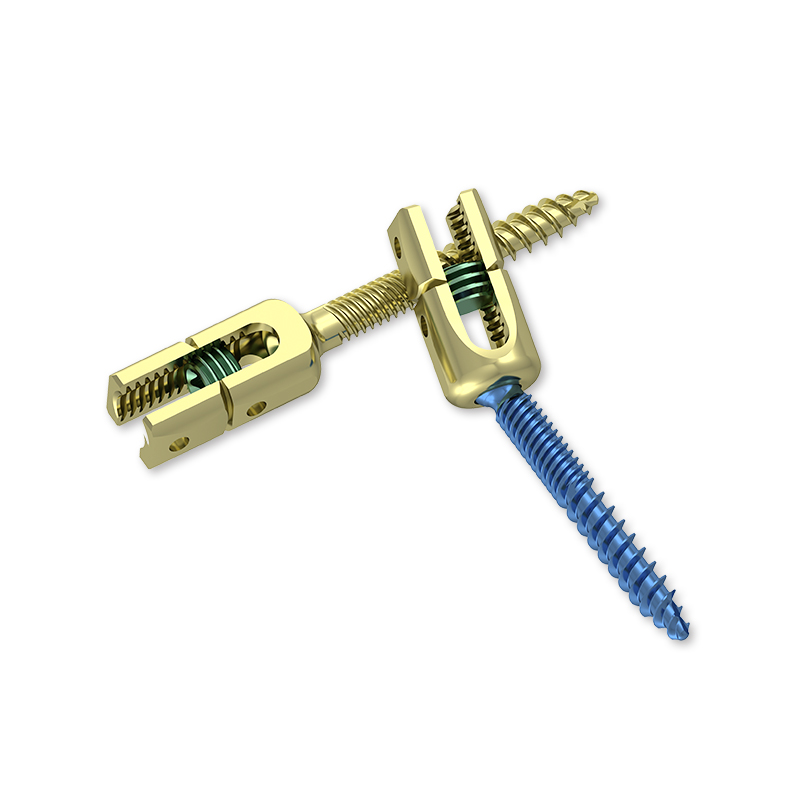
Bone fractures represent one of the most common orthopedic injuries requiring medical intervention. When bones break due to trauma, sports injuries, or pathological conditions, the healing process demands proper stabilization to ensure optimal recovery. Modern orthopedic surgery relies heavily on various fixation devices to maintain bone alignment and promote healing. Among these devices, the bone screw stands as a fundamental component in fracture repair, providing essential mechanical support that enables natural bone regeneration to occur effectively.
The application of bone screws in fracture treatment has revolutionized orthopedic surgery by providing surgeons with precise tools to achieve stable fixation. These specialized fasteners work by compressing bone fragments together, maintaining proper alignment throughout the healing period. Understanding how bone screws function in supporting bone healing requires examining their mechanical properties, biological compatibility, and integration with natural healing processes.
Mechanical Principles of Bone Screw Fixation
Compression and Stability Mechanisms
The primary function of a bone screw involves creating compression across fracture lines to eliminate movement between bone fragments. This compression generates intimate contact between fractured surfaces, which is essential for proper healing. When properly inserted, bone screws apply controlled pressure that maintains fracture reduction while allowing the natural healing cascade to proceed uninterrupted.
Thread design plays a crucial role in achieving optimal compression. The pitch and depth of threads determine how effectively the screw engages with bone tissue and distributes mechanical loads. Coarse threads provide excellent holding power in cancellous bone, while fine threads offer superior performance in cortical bone applications. The head design of the bone screw also contributes to fixation strength by providing a broad surface for load distribution.
Load Distribution and Stress Management
Effective bone screw placement requires understanding how mechanical forces transfer through the implant-bone interface. The screw acts as a bridge that redistributes stress across the fracture site, preventing excessive loading that could interfere with healing. Proper screw positioning ensures that physiological forces encountered during daily activities are managed without compromising fracture stability.
The material properties of bone screws influence their ability to manage mechanical stress. Titanium alloys commonly used in manufacturing these devices provide excellent strength-to-weight ratios while maintaining biocompatibility. The elastic modulus of the screw material should closely match that of bone tissue to prevent stress shielding, which can lead to bone resorption around the implant.
Biological Integration and Healing Support
Osseointegration Process
Beyond mechanical fixation, bone screws must integrate biologically with surrounding tissue to provide long-term stability. Osseointegration involves the direct structural connection between living bone and the implant surface. This process begins immediately after implantation as bone cells migrate to the implant interface and begin forming new bone tissue.
Surface treatments and coatings can enhance the osseointegration process. Roughened surfaces provide increased contact area for bone cell attachment, while bioactive coatings can stimulate bone formation around the implant. The geometry of the bone screw, including its thread pattern and surface texture, influences how effectively living tissue bonds with the device.
Vascular Response and Tissue Healing
The insertion of a bone screw initiates a controlled inflammatory response that is essential for healing. Blood vessels must regenerate around the implant to supply nutrients and oxygen necessary for bone formation. Proper surgical technique minimizes tissue trauma while ensuring adequate blood supply to the fracture site.
Bone screws must be positioned to avoid damaging critical vascular structures while providing optimal mechanical fixation. The healing response involves multiple cell types, including osteoblasts that form new bone and osteoclasts that remodel existing tissue. This biological process typically takes several months to complete, during which the bone screw provides continuous mechanical support.
Types of Bone Screws and Their Applications
Cortical Versus Cancellous Screws
Different types of bone screws are designed for specific anatomical locations and fracture patterns. Cortical screws feature fine threads and are optimized for dense outer bone layers, providing excellent holding power in compact bone tissue. These screws typically have smaller thread depths and closer spacing to maximize engagement with the dense cortical structure.
Cancellous screws, in contrast, have coarser threads designed to grip the spongy interior bone effectively. The larger thread pitch allows these screws to engage with the trabecular architecture of cancellous bone, providing stable fixation in areas where cortical screws might not achieve adequate purchase.
Specialized Screw Designs
Cannulated bone screws represent an advanced design that allows insertion over a guidewire for precise placement. This feature is particularly valuable in minimally invasive procedures where direct visualization of the fracture may be limited. The central hollow channel enables fluoroscopic guidance during placement while maintaining the structural integrity of the screw.
Self-tapping and self-drilling screws eliminate the need for separate drilling and tapping procedures, streamlining the surgical process. These designs incorporate cutting flutes that prepare the bone during insertion, reducing operative time and minimizing tissue trauma. The selection of appropriate screw type depends on bone quality, fracture location, and surgical approach requirements.
Surgical Considerations and Techniques
Preoperative Planning and Assessment
Successful bone screw fixation begins with thorough preoperative planning that considers fracture characteristics, bone quality, and patient factors. Imaging studies provide essential information about fracture geometry, bone density, and surrounding soft tissue conditions. This assessment guides selection of appropriate screw size, length, and placement trajectory.
Bone quality assessment is particularly important in elderly patients where osteoporosis may compromise screw holding power. Preoperative bone density measurements help surgeons select appropriate implants and modify surgical techniques to achieve optimal fixation. Patient comorbidities, activity level, and healing potential also influence treatment planning decisions.
Intraoperative Technique and Precision
Proper bone screw insertion requires precise technique to achieve optimal mechanical and biological outcomes. The drilling process must be carefully controlled to prevent thermal necrosis of surrounding bone tissue. Adequate irrigation during drilling removes bone debris and dissipates heat that could damage living tissue.
Screw insertion torque must be carefully monitored to achieve adequate fixation without over-tightening. Excessive torque can strip threads or fracture bone, while insufficient torque may result in inadequate compression. Modern instrumentation provides torque-limiting mechanisms that help surgeons achieve consistent insertion forces.
Healing Timeline and Recovery Process
Early Healing Phase
The initial weeks following bone screw implantation are critical for establishing proper healing conditions. During this period, the inflammatory response subsides, and early bone formation begins around the fracture site. The bone screw provides essential stability that prevents micromotion, which could disrupt the delicate healing process.
Patient compliance with activity restrictions is crucial during early healing. While the bone screw provides mechanical support, complete bone healing requires time for new tissue formation and maturation. Physical therapy may be initiated carefully to maintain joint mobility while protecting the healing fracture.
Long-term Integration and Remodeling
Complete bone healing typically requires several months, during which the bone screw remains an integral part of the skeletal structure. Bone remodeling continues for months to years after initial healing, with the implant becoming increasingly integrated with surrounding tissue. Regular follow-up imaging monitors healing progress and implant positioning.
In most cases, bone screws remain permanently in place without causing problems. However, some patients may require screw removal if complications develop or if the implant interferes with normal function. The decision to remove implants depends on patient symptoms, implant positioning, and individual circumstances.
Complications and Risk Management
Mechanical Complications
While bone screws generally provide reliable fixation, mechanical complications can occasionally occur. Screw loosening may result from inadequate initial fixation, poor bone quality, or excessive loading before healing is complete. Early recognition of loosening allows for prompt intervention to prevent further complications.
Screw breakage, though uncommon, can occur due to fatigue failure or excessive stress concentration. Material defects or improper insertion technique may contribute to implant failure. Modern manufacturing standards and quality control measures have significantly reduced the incidence of mechanical complications.
Biological Complications
Infection represents one of the most serious potential complications of bone screw implantation. Proper surgical technique, antibiotic prophylaxis, and sterile conditions minimize infection risk. When infections do occur, prompt recognition and treatment are essential to prevent chronic complications that might require implant removal.
Allergic reactions to implant materials are rare but can occur in susceptible individuals. Preoperative assessment may identify patients with known metal allergies who might benefit from alternative implant materials. Biocompatibility testing and improved manufacturing processes have reduced the incidence of adverse tissue reactions.
FAQ
How long does it take for bone to heal around a bone screw?
Initial bone healing around a bone screw typically occurs within 6-8 weeks, but complete integration and remodeling can take 3-6 months or longer. The healing timeline varies based on patient age, bone quality, fracture location, and overall health status. Regular follow-up with imaging studies helps monitor healing progress and ensures proper integration of the implant with surrounding bone tissue.
Will I be able to feel the bone screw after surgery?
Most patients do not feel bone screws once healing is complete and swelling subsides. However, some individuals may notice the implant, particularly if it is located near the skin surface or in areas with minimal soft tissue coverage. Screws placed in prominent locations may occasionally cause minor discomfort during certain activities or weather changes, but this typically does not interfere with normal function.
Can bone screws break or come loose over time?
Modern bone screws are designed to be extremely durable, and mechanical failure is uncommon when properly placed. However, screws can occasionally loosen or break due to factors such as poor bone quality, excessive stress, or incomplete healing. Regular follow-up appointments and imaging studies help detect any changes in implant positioning or integrity, allowing for prompt intervention if problems develop.
Do bone screws need to be removed after healing is complete?
In most cases, bone screws remain permanently in place without causing problems or requiring removal. The decision to remove implants depends on factors such as patient age, implant location, symptoms, and individual circumstances. Some patients may choose to have screws removed if they cause discomfort or interfere with activities, while others prefer to leave them in place indefinitely. Your surgeon can help determine the best approach based on your specific situation.