
 EN
EN
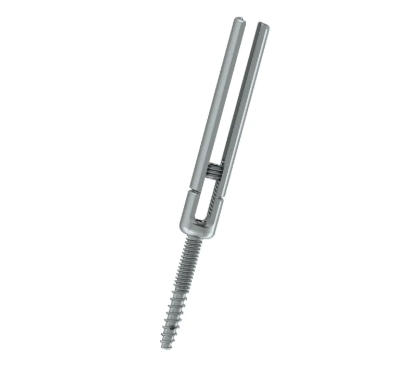
Orthopedic surgery has evolved significantly over the past century, with bone screws becoming one of the most essential fixation devices in modern surgical practice. These specialized medical implants serve as internal anchors that stabilize fractured bones, facilitate proper healing, and restore normal anatomical alignment. Understanding when and why surgeons utilize bone screws is crucial for both medical professionals and patients facing orthopedic procedures.
Primary Medical Indications for Bone Screw Implementation
Traumatic Fracture Management
Traumatic bone fractures represent the most common indication for bone screw placement in surgical settings. When bones break due to accidents, sports injuries, or high-impact trauma, the resulting fragments often require internal fixation to ensure proper alignment during the healing process. Simple fractures may heal adequately with external immobilization, but complex or displaced fractures typically necessitate surgical intervention with bone screws to maintain stability and prevent malunion or nonunion complications.
Surgeons evaluate multiple factors when determining whether a fracture requires bone screw fixation, including fracture pattern, bone quality, patient age, and functional demands. Oblique fractures, spiral fractures, and comminuted fractures frequently benefit from screw fixation because these patterns create inherent instability that external casting cannot adequately address. The mechanical properties of bone screws provide compression and rotational stability that promotes optimal healing conditions.
Joint Reconstruction and Arthrodesis
Joint fusion procedures, known as arthrodesis, commonly require bone screw placement to maintain proper positioning during the fusion process. Conditions such as severe arthritis, joint instability, or failed joint replacements may necessitate surgical fusion using bone screws as primary fixation devices. The screws provide continuous compression across joint surfaces, facilitating bone growth and eventual solid fusion between adjacent bone segments.
Spinal fusion procedures represent another significant application where bone screws play a critical role in maintaining vertebral alignment. Degenerative disc disease, spinal stenosis, and spondylolisthesis often require pedicle screw insertion to stabilize affected spinal segments. These specialized screws anchor into the vertebral pedicles and connect to rods or plates that maintain proper spinal curvature and prevent further deformity progression.
Degenerative Conditions Requiring Screw Fixation
Osteoporotic Fractures
Osteoporosis creates unique challenges in fracture management due to compromised bone density and quality. Hip fractures in elderly patients frequently require surgical fixation with specialized bone screws designed for osteoporotic bone. Cannulated screws and compression screws provide enhanced holding power in weakened bone tissue, reducing the risk of fixation failure and improving patient outcomes.
The selection of appropriate bone screw systems for osteoporotic patients requires careful consideration of screw design, thread configuration, and insertion technique. Surgeons often utilize cement augmentation or specialized screw designs with enhanced thread patterns to improve purchase in compromised bone stock. These modifications help prevent screw loosening and maintain fracture reduction throughout the healing period.
Pathological Fractures
Pathological fractures occur through bone weakened by underlying disease processes such as cancer, infection, or metabolic disorders. These fractures often present unique fixation challenges because the surrounding bone may be compromised by the underlying pathology. Bone screws used in pathological fracture treatment must provide adequate stability while accommodating potential ongoing bone destruction or healing impairment.
Cancer patients with bone metastases frequently develop pathological fractures that require prophylactic or therapeutic screw fixation. The choice of fixation method depends on the extent of bone involvement, patient prognosis, and functional goals. Long bone fractures through metastatic lesions typically require intramedullary nailing with supplemental screw fixation to provide durable stability for the patient's remaining lifespan.
Surgical Procedures Utilizing Bone Screw Technology
Osteotomy Corrections
Corrective osteotomies involve deliberately cutting bone to realign deformities or improve joint mechanics. These procedures commonly require bone screw fixation to maintain the correction during healing. High tibial osteotomies for knee arthritis, femoral osteotomies for hip dysplasia, and forefoot osteotomies for bunion correction all utilize specialized screw configurations to achieve optimal outcomes.
The success of osteotomy procedures depends heavily on precise screw placement and appropriate fixation strength. Compression screws help close osteotomy gaps and promote rapid bone healing, while positioning screws maintain angular corrections without excessive compression. Surgeons must consider bone quality, correction magnitude, and patient activity levels when selecting appropriate screw systems for osteotomy fixation.
Ligament and Tendon Reattachment
Soft tissue injuries involving ligament or tendon avulsions often require bone screw fixation when the injury includes a bone fragment. Anterior cruciate ligament tears with tibial spine avulsions, rotator cuff tears with greater tuberosity fractures, and Achilles tendon ruptures with calcaneal avulsions all represent scenarios where bone screws facilitate optimal healing by securing the bony fragment and associated soft tissue.
Interference screws represent a specialized category of bone screws used primarily in ligament reconstruction procedures. These screws secure graft tissue within bone tunnels during ACL reconstruction, PCL reconstruction, and other ligament repair procedures. The screw design creates interference between the graft and tunnel walls, providing immediate fixation strength that allows early rehabilitation and return to activity.
Pediatric Applications and Growth Considerations
Growth Plate Injuries
Pediatric fractures involving growth plates require special consideration regarding bone screw placement to avoid growth disturbances. Salter-Harris fractures may necessitate screw fixation when displacement threatens growth plate alignment or joint congruity. Surgeons must carefully plan screw trajectories to avoid crossing growth plates when possible, or utilize temporary fixation that can be removed before growth completion.
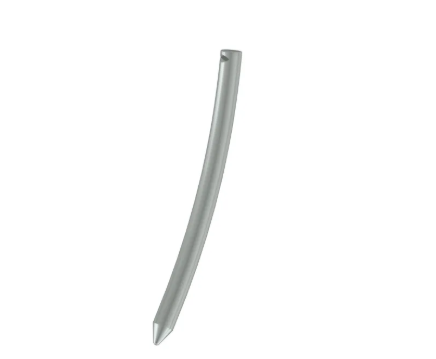
Smooth pins and screws without threads crossing the growth plate represent preferred fixation methods in growing children. When threaded screws must cross growth plates, surgeons often plan for early removal to minimize the risk of growth arrest or angular deformity. The timing of screw removal depends on fracture healing, patient age, and remaining growth potential.
Developmental Deformities
Congenital and developmental bone deformities in children sometimes require surgical correction with bone screw fixation. Conditions such as slipped capital femoral epiphysis, Blount disease, and congenital hip dysplasia may benefit from screw placement to maintain corrections or prevent progression. The challenge lies in providing adequate stability while preserving growth potential and avoiding complications that could affect long-term development.
Growth-friendly implants and adjustable screw systems have revolutionized pediatric orthopedic surgery by allowing for continued growth while maintaining deformity correction. These specialized devices can be lengthened or adjusted as children grow, eliminating the need for frequent revision surgeries. The technology represents a significant advancement in treating complex pediatric conditions that require long-term stabilization.
Complications and Risk Factors
Infection Prevention and Management
Surgical site infections represent one of the most serious complications associated with bone screw placement. Risk factors include diabetes, immunosuppression, poor nutrition, smoking, and prolonged surgical time. Preventive measures include appropriate antibiotic prophylaxis, sterile surgical technique, and careful patient selection. When infections occur around bone screws, treatment may require screw removal, antibiotic therapy, and revision fixation procedures.
Biofilm formation on bone screw surfaces creates particular challenges in treating implant-related infections. Bacteria can adhere to screw surfaces and produce protective biofilms that resist antibiotic penetration and immune system responses. Advanced treatment strategies may include antibiotic-loaded cement spacers, prolonged antibiotic courses, and staged revision procedures to eradicate persistent infections.
Mechanical Failure Considerations
Bone screw failure can occur through various mechanisms including screw breakage, loosening, or pullout. Factors contributing to mechanical failure include inadequate bone quality, excessive loading, poor screw selection, or technical errors during insertion. Osteoporotic bone presents particular challenges due to reduced holding power and increased risk of screw loosening over time.
Prevention of mechanical failure requires careful preoperative planning, appropriate screw selection, and proper surgical technique. Surgeons must consider patient factors such as bone quality, activity level, and compliance with postoperative restrictions. Advanced imaging techniques help assess bone density and guide screw placement to optimize purchase and reduce failure risk.
FAQ
How long do bone screws typically remain in the body
Bone screws are generally designed as permanent implants and can remain in the body indefinitely without causing problems. Most patients do not require screw removal unless complications develop such as infection, loosening, or hardware prominence causing discomfort. In pediatric patients, screws may be removed after healing to prevent growth-related complications. The decision for screw removal should always be made in consultation with the treating orthopedic surgeon based on individual circumstances and symptoms.
What materials are used to manufacture bone screws
Modern bone screws are typically manufactured from biocompatible materials including titanium alloys, stainless steel, and specialized polymers. Titanium screws offer excellent biocompatibility, corrosion resistance, and osseointegration properties, making them ideal for long-term implantation. Stainless steel screws provide superior strength and are often used in high-load applications. Bioabsorbable screws made from polymers like PLLA or PGA dissolve over time and may be preferred in certain applications where permanent hardware is undesirable.
Can patients undergo MRI scans with bone screws in place
Most modern bone screws are MRI-compatible, particularly those made from titanium alloys which are non-ferromagnetic. However, patients should always inform their healthcare providers about any orthopedic implants before undergoing MRI studies. While titanium screws do not pose safety risks during MRI scanning, they may create artifacts on images that could interfere with visualization of surrounding tissues. The radiologist can adjust scanning parameters to minimize artifacts and optimize image quality when bone screws are present.
What is the typical recovery time after bone screw surgery
Recovery time following bone screw surgery varies significantly depending on the specific procedure, fracture pattern, patient health, and compliance with postoperative instructions. Simple fracture repairs may allow return to normal activities within 6-12 weeks, while complex reconstructions may require several months of healing time. Initial bone healing typically occurs within 6-8 weeks, but full strength may not return for 3-6 months. Patients should follow their surgeon's specific guidelines regarding weight-bearing restrictions, physical therapy, and activity progression to ensure optimal healing outcomes.