
 EN
EN
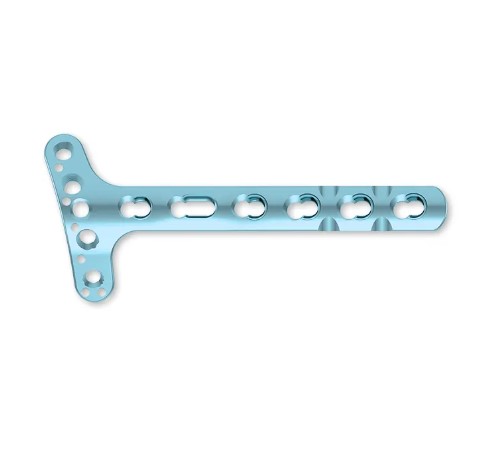
Postoperative complications remain a significant challenge in orthopedic surgery, affecting patient outcomes and extending recovery timelines. A bone plate serves as a critical mechanical solution that substantially reduces the incidence and severity of complications following surgical fracture repair. By providing rigid stabilization and promoting optimal healing conditions, bone plate technology has transformed modern orthopedic practice, enabling surgeons to achieve better functional results while minimizing adverse events. Understanding how bone plate systems work to prevent complications is essential for healthcare professionals and patients alike.

The integration of bone plate technology in fracture management has revolutionized surgical outcomes by addressing multiple pathways to postoperative complications. Modern bone plate designs combine biomechanical principles with clinical evidence to deliver superior stabilization, reduce inflammation, and support the biological healing process. This advancement represents a fundamental shift from earlier fixation methods toward precision-engineered solutions that minimize tissue disruption while maximizing fracture site stability.
Mechanical Stability and Early Mobilization
How Bone Plate Prevents Nonunion and Malunion
One of the primary mechanisms through which bone plate prevents postoperative complications is by maintaining rigid alignment at the fracture site. A bone plate achieves this through its fixed angle technology and locking screw design, which eliminate micromotion between fractured bone segments. Excessive motion at the fracture site can lead to nonunion—a failure of bone fragments to fuse—or malunion, where bone heals in an abnormal position. By securing the bone plate firmly across the fracture, surgeons eliminate these complications and create an optimal biological environment for bone consolidation.
Enhanced Patient Mobilization and Recovery
The rigid stabilization provided by bone plate technology enables early mobilization of adjacent joints and muscles. Patients can begin physiotherapy sooner, which prevents muscle atrophy, maintains range of motion, and reduces stiffness-related complications. When a bone plate stabilizes the fracture adequately, patients experience less pain during early movement, leading to better compliance with rehabilitation protocols. This early mobilization cascade directly reduces complications such as joint contractures, thrombosis, and pulmonary emboli that traditionally arise from prolonged immobilization.
Infection Prevention and Wound Healing
Minimizing Surgical Trauma with Bone Plate Design
Modern bone plate systems are engineered to minimize soft tissue disruption during insertion and throughout the healing process. The design of a bone plate—particularly locking plates—allows surgeons to achieve fixed-angle fixation without compromising the bone's blood supply. Preserving periosteal blood flow is critical because disrupted vascularization increases infection risk and impairs bone healing. A bone plate applied using proper surgical technique maintains adequate blood supply, reducing infection complications and supporting natural immune responses at the surgical site.
Reduced Infection Through Decreased Operative Time
The efficiency of bone plate insertion—especially compared to earlier fixation methods—significantly reduces operative time. Shorter surgical duration means less tissue exposure, reduced contamination risk, and lower infection rates. Infection remains one of the most serious postoperative complications, potentially leading to osteomyelitis, sepsis, or even amputation in severe cases. By streamlining the fixation process, a bone plate helps surgeons minimize wound exposure time, thereby reducing bacterial colonization risk and supporting optimal wound healing outcomes.
Load Sharing and Callus Formation
Biological Bone Healing Support
A bone plate does not simply hold bone fragments in place; it actively supports the biological healing cascade through controlled load sharing. Modern bone plate technology, particularly bridge plating techniques, allows physiological micromotion that stimulates callus formation—the biological scaffold essential for bone union. This controlled stress at the fracture site encourages osteoblast activation and promotes secondary bone healing, which is more robust than primary healing alone. The result is stronger bone consolidation with reduced delayed union and nonunion complications.
Preventing Stress Shielding and Secondary Loss
When a bone plate is too rigid, it can cause stress shielding, where the bone plate bears most load and bone becomes osteoporotic. However, modern bone plate designs—particularly those using locking technology—are engineered to minimize this effect while maintaining necessary stability. By optimizing the balance between support and load sharing, a bone plate prevents stress shielding-related complications such as secondary fracture after plate removal, delayed union, or implant failure. This evidence-based engineering approach ensures that bone plate fixation supports both immediate and long-term bone integrity.
FAQ
Can a bone plate prevent all postoperative complications?
While a bone plate significantly reduces many postoperative complications, it cannot prevent all possible adverse events. Complications may still arise from patient factors such as poor nutrition, smoking, or underlying metabolic diseases, as well as from surgical technique or patient non-compliance with rehabilitation. However, a bone plate does eliminate or substantially reduce complications directly related to fixation failure, such as nonunion, malunion, and excessive motion-related stiffness. When combined with proper surgical technique, patient education, and postoperative care, bone plate fixation provides optimal conditions for preventing the majority of mechanical and biological postoperative complications.
How long does a bone plate typically remain in place?
Most bone plates remain in place until the fracture achieves solid union, typically ranging from three months to one year depending on bone type, fracture complexity, and patient age. Once radiographic confirmation shows adequate bone healing, surgeons may recommend plate removal if the patient prefers to eliminate the implant. However, many patients elect to keep the bone plate permanently, as modern implant materials are biocompatible and pose minimal long-term risk. The decision to remove a bone plate is individualized based on fracture site, implant position, patient age, and functional demands.
What patient factors influence bone plate success in reducing complications?
Several patient factors significantly impact how effectively a bone plate prevents postoperative complications. Age, bone quality, overall health status, smoking history, and nutritional status all influence healing rates and infection risk. Patients with diabetes, immunosuppression, or vascular disease may experience slower healing despite optimal bone plate fixation. Additionally, patient compliance with weight-bearing restrictions and rehabilitation protocols directly affects outcomes. To maximize the complication-reducing benefits of bone plate technology, surgeons must assess these factors preoperatively and adjust surgical planning and postoperative management accordingly.