
 EN
EN

The orthopedic industry continues to evolve as surgical professionals demand increasingly sophisticated solutions for fracture management and skeletal stabilization. The bone plate market reflects this evolution through continuous innovation, expanded clinical applications, and growing investment in advanced materials and design methodologies. Understanding the current trends in bone plate technology provides essential insight for healthcare administrators, surgical teams, and procurement specialists seeking to optimize patient outcomes while managing healthcare costs effectively.
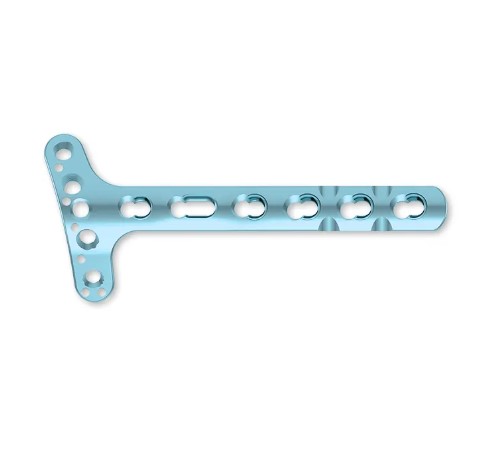
Market research indicates that the bone plate sector is experiencing robust expansion driven by demographic factors, technological advancement, and shifting surgical preferences. The global bone plate market is responding to these pressures through product diversification, enhanced biocompatibility, and improved mechanical design. This analysis examines the primary trends shaping the bone plate landscape and their implications for orthopedic practice.
Technological Innovation Driving Bone Plate Development
Advanced Materials and Biocompatibility Enhancements
Modern bone plate manufacturing increasingly emphasizes biocompatible materials that minimize immune response and promote osseointegration. Titanium and titanium alloy bone plate products dominate this segment due to superior corrosion resistance and mechanical compatibility with natural bone tissue. The bone plate market has shifted toward surface treatments such as hydroxyapatite coating and advanced anodization techniques that accelerate bone union and reduce healing time. These material innovations represent a significant departure from earlier steel-based bone plate systems, which, while effective, offered limited biological compatibility.
Locking Mechanism Refinements
Locking compression technology has become the standard for contemporary bone plate design, replacing traditional compression methods in many clinical scenarios. The bone plate locking mechanism provides angular stability without relying on friction between the bone plate and bone surface, reducing soft tissue damage and improving vascularization. This advancement enables surgeons to achieve stable fixation even in osteoporotic or comminuted bone, where traditional bone plate approaches prove inadequate. The evolution toward hybrid bone plate systems that combine locking and compression capabilities represents an important trend, allowing surgeons to select the most appropriate fixation method for each unique clinical situation.
Market Growth Drivers and Clinical Demand Expansion
Aging Population and Fracture Incidence
Demographic trends significantly influence bone plate market growth, particularly in developed regions experiencing population aging. Elderly patients present with increased fracture risk due to diminished bone density and higher fall rates, driving demand for sophisticated bone plate solutions that accommodate weaker bone quality. Osteoporotic fractures, particularly in the proximal humerus, femoral neck, and vertebral bodies, require bone plate fixation approaches specifically designed to function in compromised bone architectures. The bone plate market continues to expand as healthcare systems recognize the cost-effectiveness of early surgical intervention compared to prolonged conservative management.
Expanding Surgical Applications Beyond Traditional Fracture Care
The bone plate market now extends well beyond fracture fixation into specialized orthopedic domains including trauma, reconstruction, and revision surgery. Orthopedic surgeons increasingly employ bone plate technology for complex fracture patterns, non-union management, and pathological fracture stabilization. The bone plate has emerged as essential for treating revision cases where previous fixation has failed or proved inadequate. Additionally, spine surgery applications continue expanding, with specialized bone plate designs addressing cervical, thoracic, and lumbar pathologies. This diversification strengthens the bone plate market by creating multiple revenue streams and clinical demand pathways.
Minimally Invasive Techniques and Surgical Evolution
Percutaneous and Submuscular Bone Plate Application
Contemporary orthopedic practice increasingly favors minimally invasive bone plate placement techniques that preserve soft tissue integrity and reduce operative trauma. The bone plate market responds through development of specialized instruments and imaging-compatible designs that facilitate submuscular and percutaneous application. Percutaneous bone plate placement reduces operative time, minimizes blood loss, and accelerates post-operative recovery, making it increasingly attractive to surgical teams and healthcare administrators alike. The bone plate designs optimized for minimal-incision approaches represent a significant market segment, particularly in trauma centers and high-volume surgical facilities.
Intraoperative Imaging Integration
The bone plate market benefits from integration with advanced intraoperative imaging technology including fluoroscopy and computed tomography guidance. Real-time imaging enables surgeons to verify bone plate position, screw placement, and reduction quality without expanding surgical exposure. This technological synergy improves surgical precision and reduces complications associated with malposition, creating market advantages for bone plate systems designed with imaging compatibility in mind. Surgical teams increasingly demand bone plate products that facilitate image-guided placement, driving innovation in radiolucent materials and imaging-optimized design geometries.
Regulatory Evolution and Quality Standards
Stringent Biocompatibility and Performance Requirements
Global regulatory frameworks continue tightening requirements for bone plate materials, design validation, and clinical evidence. The bone plate market experiences accelerated consolidation as smaller manufacturers struggle to meet increasingly demanding biocompatibility testing, mechanical performance standards, and clinical documentation requirements. Regulatory agencies across major markets now require comprehensive data demonstrating bone plate safety, effectiveness, and long-term performance. This regulatory environment creates barriers to entry but strengthens market position for manufacturers capable of investing in robust quality systems and clinical evidence generation.
Post-Market Surveillance and Real-World Performance Data
The bone plate market increasingly emphasizes real-world performance data and post-market surveillance systems that track clinical outcomes across diverse patient populations. Healthcare systems demand evidence demonstrating bone plate effectiveness in their specific clinical contexts and patient demographics. The bone plate manufacturers investing in registry participation and outcome tracking develop competitive advantages through credible performance documentation. This trend reflects growing healthcare industry emphasis on evidence-based procurement decisions and value-based reimbursement models that reward superior clinical outcomes.
FAQ
What factors are currently driving growth in the bone plate market?
The bone plate market experiences growth driven by aging demographics increasing fracture incidence, technological innovations improving material properties and fixation mechanisms, expanding surgical applications beyond traditional fracture care, and minimally invasive technique adoption. Healthcare systems investing in trauma programs and revision surgery capabilities create sustained demand for specialized bone plate products. Additionally, regulatory emphasis on biocompatibility and long-term safety drives market consolidation among manufacturers capable of meeting stringent requirements.
How are minimally invasive approaches influencing bone plate design trends?
Minimally invasive surgical preferences directly influence bone plate product development, particularly regarding submuscular and percutaneous application feasibility. Manufacturers design bone plate systems with specialized instrument sets facilitating reduced-incision placement while maintaining anatomical accuracy and rotational stability. The bone plate market increasingly emphasizes imaging-compatible geometries and radiolucent materials supporting fluoroscopic and computed tomography guidance. These design considerations represent fundamental shifts in bone plate engineering philosophy, prioritizing soft tissue preservation alongside skeletal stabilization.
What role do material innovations play in contemporary bone plate market development?
Material science advances directly enable superior bone plate performance through enhanced biocompatibility, corrosion resistance, and mechanical properties optimized for various fracture types and bone qualities. Titanium alloy bone plate systems featuring advanced surface treatments including hydroxyapatite coating accelerate osseointegration and reduce healing times compared to earlier steel-based designs. The bone plate market continues evolving toward materials and manufacturing processes that minimize stress shielding while promoting biological fixation and long-term skeletal stability.