
 EN
EN
Spinal fusion surgery is one of the most common and technically demanding procedures in orthopedic and neurosurgical practice. At the heart of this procedure lies a critical mechanical principle: the spine must be held in precise alignment while bone grafts integrate and new bone tissue forms. Spinal screw fixation is the primary method surgeons rely on to achieve this. By anchoring screws into the vertebral bodies or pedicles and connecting them through rigid or semi-rigid rod systems, spinal screw fixation creates a stable internal environment that promotes successful fusion outcomes.
Understanding how spinal screw fixation contributes to spinal stability requires a closer look at the biomechanical demands placed on the spine during the healing process. After a fusion procedure, the vertebral segments must remain immobile enough to allow bone growth across the target levels. Any excessive movement can disrupt bone graft incorporation and lead to non-union or hardware failure. Spinal screw fixation directly addresses this challenge by restricting motion at the treated levels while preserving as much natural spinal function as possible at adjacent segments. This article explores the precise mechanisms by which spinal screw fixation enhances surgical stability.
The Biomechanical Role of Spinal Screw Fixation
How Screws Resist Spinal Motion Forces
The human spine experiences complex forces including compression, flexion, extension, and rotational stress during daily activity. Spinal screw fixation works by introducing rigid anchor points at each vertebral level involved in the fusion construct. These anchor points connect to longitudinal rods that span the treated segments, creating a load-sharing system. Spinal screw fixation effectively transfers mechanical stress away from the healing bone graft and distributes it across the implant construct, reducing the risk of graft displacement or collapse during the early post-operative period.
Pedicle Screw Placement and Three-Column Support
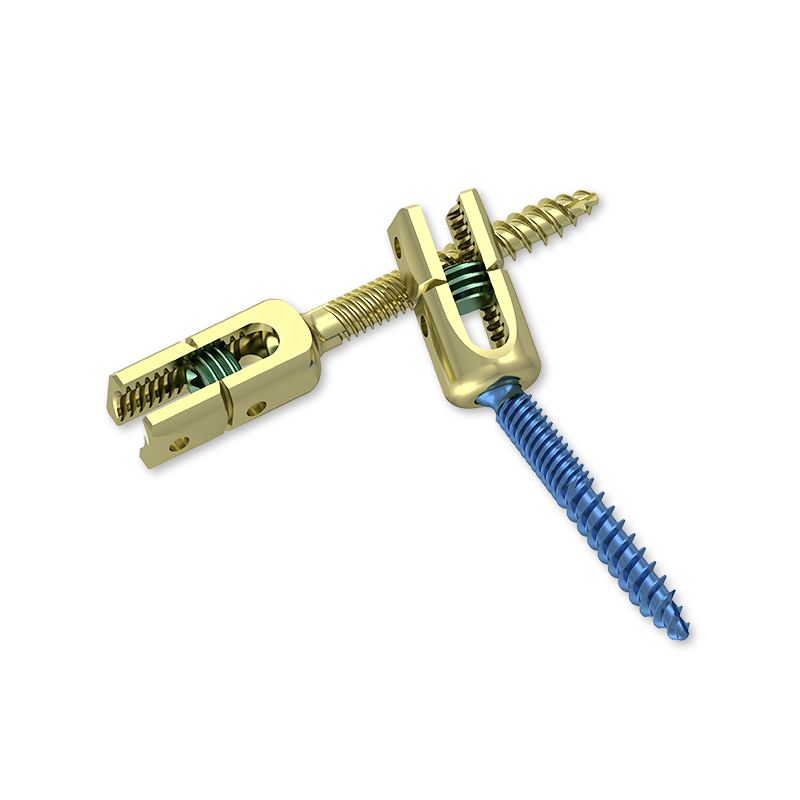
A particularly effective form of spinal screw fixation uses pedicle screws inserted through the pedicle and into the vertebral body. This approach provides what spine surgeons describe as three-column fixation, meaning it stabilizes the anterior, middle, and posterior spinal columns simultaneously. The spinal screw fixation achieved through pedicle screws is considerably stronger than that provided by hooks or wires alone, which is why pedicle-based constructs have become the gold standard in modern spinal fusion surgery. Proper screw trajectory and depth are essential to maximize pullout resistance and prevent vertebral endplate damage.
Improving Fusion Rates Through Rigid Stabilization
Creating the Ideal Biological Environment
Bone fusion is a biological process that requires mechanical stability to succeed. When spinal screw fixation is applied correctly, it eliminates the micromotion at the fusion site that would otherwise prevent osteoblast activity and new bone deposition. Research consistently shows that rigid spinal screw fixation correlates with higher fusion rates compared to uninstrumented fusion procedures. By holding the vertebral segments firmly in their corrected positions, spinal screw fixation gives the bone graft the stability it needs to mature into solid bridging bone over time.
Reduction Screws and Deformity Correction
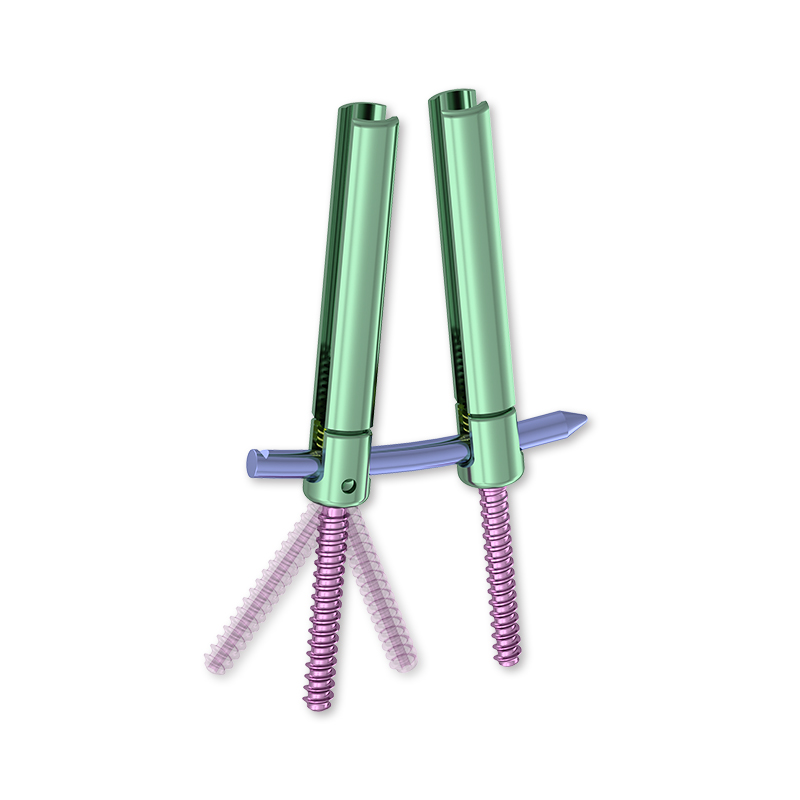
In cases involving spinal deformity, spondylolisthesis, or significant vertebral displacement, standard screws may not be sufficient to achieve adequate reduction. Specialized reduction pedicle screws are designed to assist surgeons in pulling displaced vertebrae back into proper alignment before final tightening. This feature of spinal screw fixation is especially important in high-grade spondylolisthesis, where restoring sagittal balance is as critical as achieving fusion. The ability to perform intraoperative reduction through the screw-rod construct simplifies the surgical workflow and reduces the need for additional corrective maneuvers.
Clinical Outcomes and Long-Term Stability
Post-Operative Stability and Patient Recovery
The stability provided by spinal screw fixation has direct implications for post-operative recovery. Patients with well-executed fixation constructs typically experience faster mobilization, reduced post-operative pain from spinal instability, and a lower risk of progressive deformity. Spinal screw fixation supports early rehabilitation by allowing patients to bear weight and begin structured physical therapy sooner than would be possible with uninstrumented fusion. The mechanical security of the implant system also reduces reliance on external bracing, improving patient comfort during the recovery period.
Factors That Influence the Durability of Spinal Screw Fixation
The long-term success of spinal screw fixation depends on multiple factors including bone quality, screw size and material, construct design, and surgical technique. In patients with osteoporosis, augmented spinal screw fixation techniques such as cement augmentation may be used to enhance pullout strength. The diameter and length of the screw, along with thread design, all influence how well spinal screw fixation anchors to the vertebral bone. Surgeons must carefully evaluate imaging data and patient-specific anatomy to select the appropriate implant configuration for each case. When these variables are optimized, spinal screw fixation provides durable, long-lasting spinal stability that supports fusion over the long term.
Spinal screw fixation remains the cornerstone of modern spinal fusion surgery because it directly addresses the mechanical requirements for successful bone healing. Whether used in single-level degenerative disc procedures or complex multi-level deformity corrections, spinal screw fixation provides the rigid or semi-rigid stabilization needed to create a biological environment where fusion can occur reliably. As implant technology advances, spinal screw fixation continues to evolve with improved screw designs, smarter instrumentation systems, and better imaging guidance, all contributing to enhanced patient outcomes and more predictable surgical results.
FAQ
What is the primary purpose of spinal screw fixation in fusion surgery?
The primary purpose of spinal screw fixation is to immobilize the targeted vertebral segments, preventing motion that would disrupt bone graft healing. By holding the spine in its corrected position, spinal screw fixation creates the mechanical stability required for successful bone fusion across the treated levels.
How does spinal screw fixation differ from other spine stabilization methods?
Compared to hooks or wires, spinal screw fixation through pedicle screws provides superior three-column support and higher pullout resistance. This makes spinal screw fixation more reliable in cases requiring strong correction forces or where the patient has poor bone quality, offering a more secure and versatile fixation option.
Can spinal screw fixation be used for both deformity correction and standard fusion?
Yes, spinal screw fixation is versatile enough to support both standard single-level fusion and complex deformity correction procedures. Specialized designs such as reduction pedicle screws extend the capability of spinal screw fixation to address vertebral displacement, making it suitable for a wide range of spinal conditions requiring surgical stabilization.