
 EN
EN
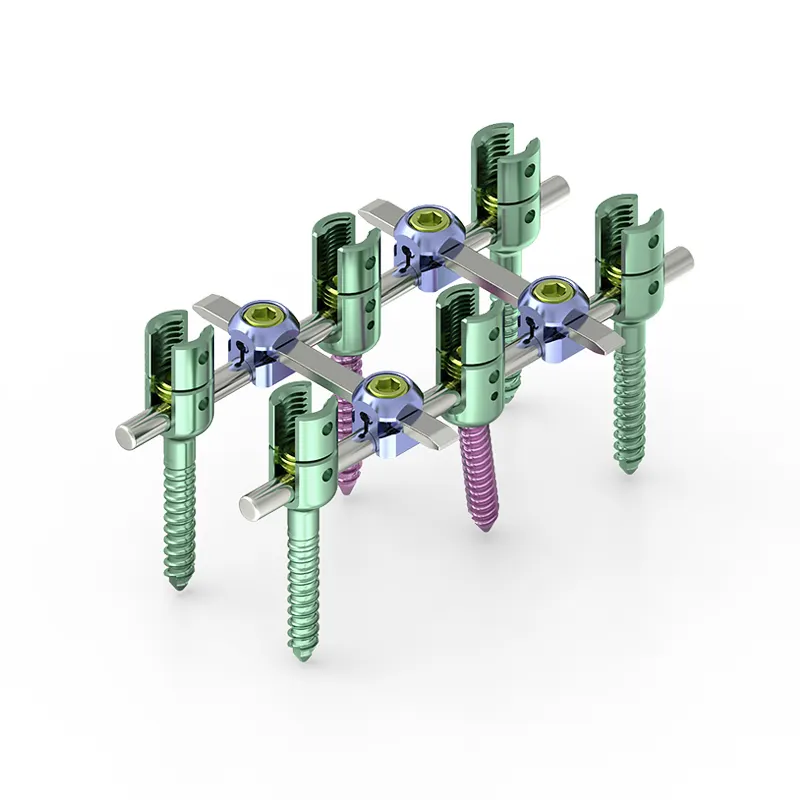
Choosing the right pedicle screw supplier is one of the most consequential decisions a medical device distributor can make. A pedicle screw supplier directly affects patient safety, regulatory standing, and the commercial reputation of every distributor in the supply chain. With spinal implant procurement under increasing scrutiny, distributors need a structured, reliable method to evaluate and verify supplier credibility before committing to any partnership.
Every pedicle screw supplier presents itself as compliant, experienced, and capable. However, surface-level claims are not enough when the end use involves surgical implantation in the human spine. Distributors must look beyond marketing materials and apply systematic assessment criteria to determine whether a pedicle screw supplier can consistently deliver quality, meet timelines, and support long-term business needs. This article outlines the key dimensions distributors should evaluate when assessing any pedicle screw supplier relationship.
Regulatory Credentials and Certifications
Verifying Compliance Documentation
The first layer of evaluation for any pedicle screw supplier is regulatory compliance. A credible pedicle screw supplier must hold relevant certifications, such as ISO 13485, which is the international standard for quality management systems in medical device manufacturing. Distributors should request full documentation from the pedicle screw supplier, not just a certificate number, but actual audit reports and scope details that confirm the certification covers pedicle screw production specifically.
Market registration is equally important. A pedicle screw supplier serving distributors in regulated markets must hold the appropriate device registration approvals, such as FDA 510(k) clearance for the US market or CE marking for European markets. Distributors should verify that the registration is current, that it covers the exact product models being sourced, and that the pedicle screw supplier has a history of maintaining compliance without significant regulatory action.
Understanding Audit History and Inspection Records
Beyond certification documents, distributors should inquire about the pedicle screw supplier's audit history. A reliable pedicle screw supplier welcomes third-party audits and can provide clean inspection records from regulatory bodies or notified organizations. If a pedicle screw supplier is reluctant to share audit results or cites confidentiality for every record, that resistance is itself a signal worth investigating. Transparency in regulatory history is a hallmark of a trustworthy pedicle screw supplier.
Manufacturing Quality and Process Control
Evaluating Production Capabilities
A dependable pedicle screw supplier maintains rigorous in-house process controls that span material sourcing, machining precision, surface treatment, and sterile packaging. Distributors should ask the pedicle screw supplier for detailed information about the materials used, typically titanium alloys conforming to ASTM or ISO standards, and whether the supplier tests raw materials upon receipt. The pedicle screw supplier should also be able to demonstrate traceability for every component, from raw material lot to finished implant.
Precision is non-negotiable in spinal implant manufacturing. The pedicle screw supplier should operate equipment capable of meeting tight dimensional tolerances and should have documented inspection protocols at multiple stages of production. Distributors who can arrange a facility visit gain direct insight into how the pedicle screw supplier manages production quality in real operating conditions, which is far more informative than reviewing documents alone.
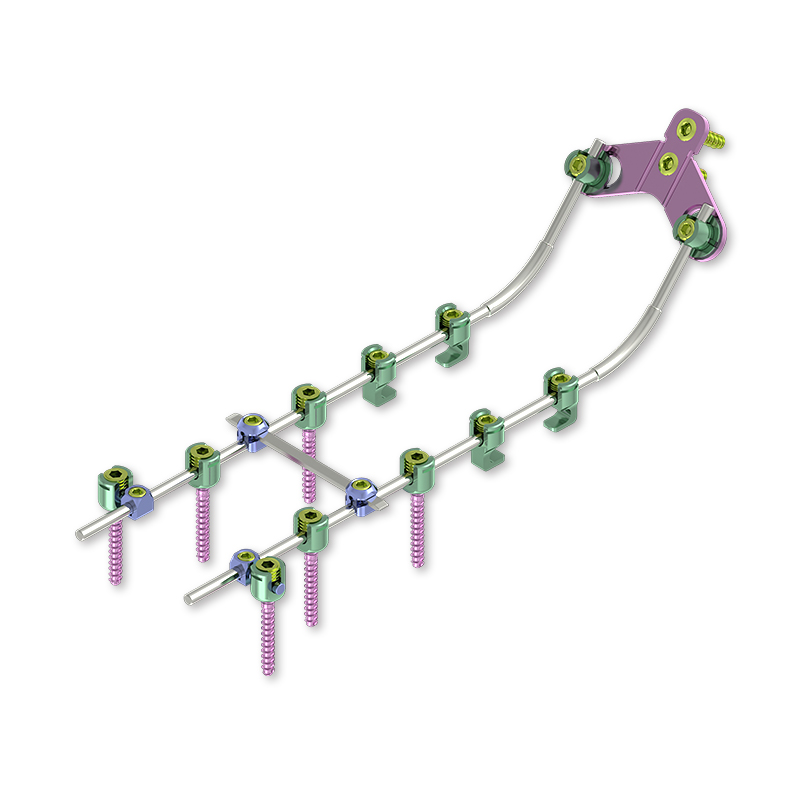
Post-Market Surveillance and Complaint Handling
A serious pedicle screw supplier maintains an active post-market surveillance system and a clearly defined complaint-handling procedure. Distributors should ask how the pedicle screw supplier tracks field complaints, how quickly it initiates investigations, and whether it has ever issued a voluntary recall or field safety corrective action. A pedicle screw supplier that handles complaints professionally and transparently demonstrates a mature quality culture, which reduces long-term risk for the distributor considerably.
Supply Chain Stability and Commercial Reliability
Assessing Production Capacity and Lead Times
Supply reliability is just as critical as product quality. Distributors should ask the pedicle screw supplier about current production capacity, typical lead times for standard orders, and how the pedicle screw supplier manages demand surges or production disruptions. A pedicle screw supplier that cannot clearly articulate its capacity limits or that has a history of delivery delays introduces operational risk that can damage a distributor's hospital relationships and revenue targets.
Distributors should also examine whether the pedicle screw supplier sources critical raw materials from single-source vendors, which creates vulnerability in the supply chain. A well-managed pedicle screw supplier diversifies its material sources and holds safety stock to buffer against upstream disruptions. These supply chain details are part of due diligence that separates a resilient pedicle screw supplier from one that may struggle under pressure.
Financial Stability and Long-Term Partnership Potential
A pedicle screw supplier that lacks financial stability may cut corners on quality during difficult periods or may exit the market without warning, leaving distributors without a product line and without post-market support obligations being met. Distributors should assess the pedicle screw supplier's business longevity, ownership structure, and whether it has an established track record in multiple markets. A pedicle screw supplier with a stable financial base and a multi-market presence is more likely to honor long-term agreements and invest in ongoing product development.
Communication quality is another practical indicator. Distributors should evaluate how quickly and clearly the pedicle screw supplier responds to pre-sales inquiries, technical questions, and sample requests. A pedicle screw supplier that is slow, vague, or inconsistent during the evaluation phase is unlikely to improve after the contract is signed. Responsiveness during the assessment stage is a strong predictor of how the pedicle screw supplier will perform as an ongoing partner.
FAQ
What certifications should a pedicle screw supplier hold?
A credible pedicle screw supplier should hold ISO 13485 certification and carry market-specific device registrations such as FDA clearance or CE marking. These credentials confirm that the pedicle screw supplier operates a validated quality management system and that its products meet the safety and performance requirements of regulated markets.
How can distributors verify a pedicle screw supplier's quality without visiting the factory?
Distributors can request ISO 13485 certificates, product registration documents, audit reports, and material traceability records from the pedicle screw supplier. Third-party audit reports from notified bodies or regulatory agencies also provide strong evidence of a pedicle screw supplier's compliance status without requiring a physical visit.
Why does supply chain stability matter when selecting a pedicle screw supplier?
Supply chain instability from a pedicle screw supplier can disrupt hospital deliveries, damage distributor relationships, and create gaps in post-market support. Evaluating a pedicle screw supplier's capacity, raw material sourcing strategy, and financial health helps distributors avoid partners that may fail to deliver consistently over the duration of a commercial agreement.