
 EN
EN
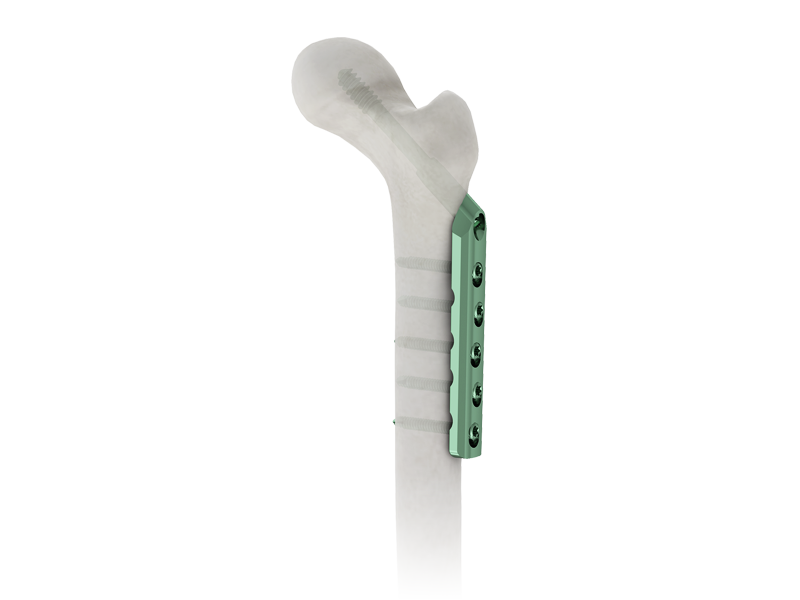
Modern spinal surgery has undergone a revolutionary transformation with the integration of advanced technologies that enhance precision and reduce surgical risks. Among the most significant innovations in orthopedic medicine is the development of sophisticated cervical pedicle screw systems that enable surgeons to achieve unprecedented levels of accuracy in spinal fixation procedures. These technological advancements have fundamentally changed how spine specialists approach complex cervical spine disorders, offering patients improved outcomes and reduced recovery times. The evolution from traditional surgical techniques to technology-assisted procedures represents a paradigm shift that continues to reshape the landscape of spinal care.
Technological Foundations of Modern Spinal Fixation
Computer-Assisted Navigation Systems
Computer-assisted navigation has emerged as a cornerstone technology in spinal surgery, providing surgeons with real-time three-dimensional guidance during procedures. These sophisticated systems utilize preoperative imaging data, including CT scans and MRI images, to create detailed anatomical maps that guide instrument placement with millimeter precision. The integration of navigation technology with cervical pedicle screw placement has dramatically reduced the incidence of malpositioned screws, which historically occurred in up to 15% of cases using conventional techniques. Surgeons can now visualize the exact trajectory of screw placement in relation to critical anatomical structures such as nerve roots, vertebral arteries, and the spinal cord.
The real-time feedback provided by navigation systems allows for immediate corrections during surgery, ensuring optimal screw placement angles and depths. This technology is particularly valuable in cervical spine procedures where the margin for error is extremely small due to the proximity of vital neurovascular structures. Advanced navigation platforms can track surgical instruments with sub-millimeter accuracy, providing surgeons with confidence to perform complex fixation procedures that might otherwise be considered too risky using traditional techniques.
Intraoperative Imaging Integration
The incorporation of intraoperative imaging technologies, including fluoroscopy and intraoperative CT scanning, has revolutionized the verification process during spinal fixation procedures. These imaging modalities provide immediate confirmation of screw placement accuracy, allowing surgeons to make real-time adjustments before completing the procedure. The ability to obtain high-quality imaging during surgery eliminates the uncertainty associated with traditional blind placement techniques and significantly reduces the need for revision surgeries.
Modern O-arm imaging systems provide 360-degree visualization of the surgical site, enabling comprehensive assessment of hardware positioning from multiple angles. This technology is particularly beneficial when working with complex cervical anatomy where traditional two-dimensional fluoroscopy may not adequately visualize all critical structures. The integration of intraoperative imaging with navigation systems creates a powerful synergy that enhances surgical precision and patient safety.
Advanced Screw Design and Material Engineering
Biomechanical Optimization
Contemporary cervical pedicle screw systems incorporate advanced biomechanical principles that optimize load distribution and enhance fusion success rates. The evolution of screw thread patterns, core diameters, and tip geometries has been guided by extensive finite element analysis and biomechanical testing. These design improvements ensure maximum purchase in often compromised cervical bone quality while minimizing the risk of pedicle wall breach or screw loosening over time.
The development of variable pitch thread patterns allows for improved initial fixation strength and reduced insertion torque, making placement easier while maintaining excellent holding power. Advanced screw designs also incorporate features such as self-drilling and self-tapping capabilities that reduce surgical time and minimize tissue trauma during insertion. These technological improvements directly translate to better patient outcomes and reduced surgical complications.
Material Science Innovations
The materials used in modern cervical pedicle screw systems represent significant advances in bioengineering and metallurgy. Titanium alloys with enhanced strength-to-weight ratios provide excellent biocompatibility while maintaining the structural integrity necessary for long-term spinal stabilization. Surface treatments and coatings have been developed to promote osseointegration and reduce the risk of implant-related infections.
Recent innovations include the development of bioresorbable components and surface modifications that encourage bone ingrowth while maintaining mechanical properties throughout the critical healing period. These material advances work in conjunction with improved screw designs to create implant systems that better integrate with natural bone biology and promote long-term stability.
Robotic Assistance in Spinal Surgery
Precision Through Automation
Robotic surgical platforms have introduced unprecedented levels of precision and reproducibility to spinal fixation procedures. These systems combine advanced imaging, artificial intelligence, and mechanical precision to guide screw placement with accuracy levels that consistently exceed human capabilities. Robotic assistance is particularly valuable in cervical spine surgery where the small anatomical structures and critical adjacent tissues demand extreme precision.
The cervical pedicle screw system placement using robotic guidance typically achieves accuracy rates exceeding 98%, compared to 85-90% with traditional freehand techniques. This improvement in accuracy directly correlates with reduced complications, shorter operative times, and improved patient outcomes. Robotic systems also provide consistent performance regardless of surgeon fatigue or other human factors that might affect manual precision.
Learning Algorithms and Adaptive Technology
Modern robotic surgical platforms incorporate machine learning algorithms that continuously improve performance based on accumulated surgical data. These systems can adapt to individual patient anatomy and surgical preferences while maintaining optimal safety parameters. The ability to learn from each procedure and apply this knowledge to future surgeries represents a significant advancement in surgical technology.
Adaptive robotic systems can also compensate for patient movement during surgery and automatically adjust for anatomical variations that might not be apparent in preoperative imaging. This level of intelligent adaptation ensures consistent accuracy across diverse patient populations and complex anatomical presentations.
Digital Planning and Simulation Technologies
Three-Dimensional Surgical Planning
Advanced software platforms now enable comprehensive three-dimensional planning of spinal fixation procedures before patients enter the operating room. These systems allow surgeons to virtually plan screw trajectories, select optimal implant sizes, and anticipate potential complications using patient-specific anatomical models. The ability to rehearse complex procedures in a virtual environment significantly improves surgical efficiency and reduces operative times.
Digital planning tools incorporate biomechanical modeling that can predict the long-term performance of different fixation strategies. This capability enables surgeons to optimize their approach for each individual patient, taking into account factors such as bone quality, anatomical variations, and expected healing patterns. The integration of artificial intelligence into planning software continues to enhance the accuracy of these predictions.
Patient-Specific Instrumentation
The development of patient-specific surgical guides and instrumentation represents a significant advancement in personalized surgical care. These custom-manufactured guides are created based on individual patient anatomy and surgical plans, ensuring optimal positioning and orientation of cervical pedicle screws. Patient-specific instrumentation eliminates much of the guesswork associated with traditional surgical approaches and provides consistent results across different skill levels.
The manufacturing process for patient-specific guides utilizes advanced 3D printing technologies and biocompatible materials that can be sterilized for surgical use. These guides are designed to fit precisely onto patient anatomy, providing stable reference points for accurate screw placement while maintaining the efficiency of the surgical procedure.
Monitoring and Feedback Systems
Real-Time Neurological Monitoring
Intraoperative neurological monitoring has become an essential component of safe cervical spine surgery, providing real-time feedback about the integrity of neural structures during screw placement. These sophisticated monitoring systems can detect potential nerve injury before permanent damage occurs, allowing surgeons to modify their approach or reposition hardware as needed. The integration of neurological monitoring with cervical pedicle screw placement has significantly reduced the incidence of neurological complications.
Advanced monitoring protocols include somatosensory evoked potentials, motor evoked potentials, and electromyography, which together provide comprehensive assessment of spinal cord and nerve root function throughout the procedure. The immediate feedback provided by these systems enables prompt intervention when potential problems are detected, often preventing permanent neurological injury.
Biomechanical Load Monitoring
Modern surgical instruments now incorporate sensors that provide real-time feedback about insertion forces and torque during screw placement. This information helps surgeons optimize their technique and avoid over-tightening or under-seating of implants. Load monitoring technology is particularly valuable in cervical spine surgery where the smaller bone structures require more delicate handling compared to lumbar procedures.
The data collected from biomechanical monitoring systems can be used to assess bone quality in real-time and adjust surgical techniques accordingly. This capability is especially important in patients with osteoporosis or other conditions that affect bone strength, where traditional tactile feedback may not provide adequate information for optimal implant placement.
Integration of Artificial Intelligence
Pattern Recognition and Decision Support
Artificial intelligence algorithms are increasingly being integrated into spinal surgery platforms to provide decision support and pattern recognition capabilities. These systems can analyze vast amounts of surgical data to identify optimal approaches for specific patient presentations and anatomical variations. AI-powered analysis of preoperative imaging can highlight potential risk factors and suggest modifications to surgical plans before procedures begin.
Machine learning algorithms trained on thousands of surgical cases can predict outcomes and identify patients who may benefit from alternative approaches or additional precautions. This predictive capability enables more personalized treatment planning and helps surgeons make informed decisions about when to use advanced technologies versus traditional techniques.
Continuous Learning and Improvement
The integration of artificial intelligence into spinal surgery platforms creates systems that continuously learn and improve from each procedure. These adaptive technologies can identify patterns in successful outcomes and incorporate these insights into future surgical guidance. The result is a constantly evolving system that becomes more accurate and effective with each use.
AI-driven analysis of surgical outcomes also enables the identification of best practices and the standardization of successful techniques across different surgeons and institutions. This capability has the potential to reduce variations in care quality and ensure that all patients benefit from the collective experience of the global surgical community.
Future Directions and Emerging Technologies
Augmented Reality Applications
Augmented reality technology is poised to revolutionize spinal surgery by overlaying digital information directly onto the surgeon's view of the operative field. These systems can display critical anatomical structures, planned screw trajectories, and real-time navigation information without requiring surgeons to look away from the surgical site. The seamless integration of digital and physical visualization promises to further enhance accuracy and surgical efficiency.
Early implementations of augmented reality in spinal surgery have demonstrated significant improvements in screw placement accuracy and reductions in operative time. As this technology continues to mature, it is expected to become an integral component of routine spinal fixation procedures, providing surgeons with enhanced visualization capabilities that exceed what is possible with traditional techniques.
Advanced Materials and Smart Implants
The development of smart implants with embedded sensors represents the next frontier in spinal fixation technology. These intelligent devices can monitor healing progress, detect potential complications, and provide feedback about implant performance over time. Smart cervical pedicle screw systems may include capabilities such as load monitoring, temperature sensing, and wireless communication with external monitoring devices.
Research into shape-memory alloys and other responsive materials may lead to implants that can adapt their properties in response to physiological conditions or external stimuli. These advanced materials could provide optimal support during the critical healing period while gradually transferring loads back to the natural spine as fusion progresses.
FAQ
How do navigation systems improve cervical pedicle screw placement accuracy?
Navigation systems improve accuracy by providing real-time three-dimensional guidance based on preoperative imaging data. These systems track surgical instruments with sub-millimeter precision and display their position relative to critical anatomical structures. This technology reduces malpositioned screw rates from approximately 15% with traditional techniques to less than 2% with navigation assistance, significantly improving patient safety and surgical outcomes.
What role does robotic assistance play in modern spinal fixation procedures?
Robotic assistance provides unprecedented precision and consistency in screw placement by combining advanced imaging, artificial intelligence, and mechanical accuracy. Robotic systems achieve screw placement accuracy rates exceeding 98% while reducing operative times and eliminating human factors such as fatigue that might affect manual precision. These systems also incorporate learning algorithms that continuously improve performance based on accumulated surgical data.
How do patient-specific instrumentation systems enhance surgical outcomes?
Patient-specific instrumentation systems are custom-manufactured based on individual patient anatomy and surgical plans, ensuring optimal positioning and orientation of cervical pedicle screws. These personalized guides eliminate much of the guesswork associated with traditional approaches and provide consistent results regardless of surgeon experience level. The precision fit of these guides on patient anatomy provides stable reference points for accurate hardware placement while maintaining surgical efficiency.
What safety measures are incorporated into modern cervical spine surgery technologies?
Modern cervical spine surgery incorporates multiple safety measures including real-time neurological monitoring, intraoperative imaging verification, and biomechanical load monitoring. These systems provide immediate feedback about neural structure integrity, hardware placement accuracy, and insertion forces. The integration of these monitoring technologies with navigation and robotic systems creates multiple layers of safety that significantly reduce the risk of complications compared to traditional surgical approaches.
Table of Contents
- Technological Foundations of Modern Spinal Fixation
- Advanced Screw Design and Material Engineering
- Robotic Assistance in Spinal Surgery
- Digital Planning and Simulation Technologies
- Monitoring and Feedback Systems
- Integration of Artificial Intelligence
- Future Directions and Emerging Technologies
-
FAQ
- How do navigation systems improve cervical pedicle screw placement accuracy?
- What role does robotic assistance play in modern spinal fixation procedures?
- How do patient-specific instrumentation systems enhance surgical outcomes?
- What safety measures are incorporated into modern cervical spine surgery technologies?