
 EN
EN
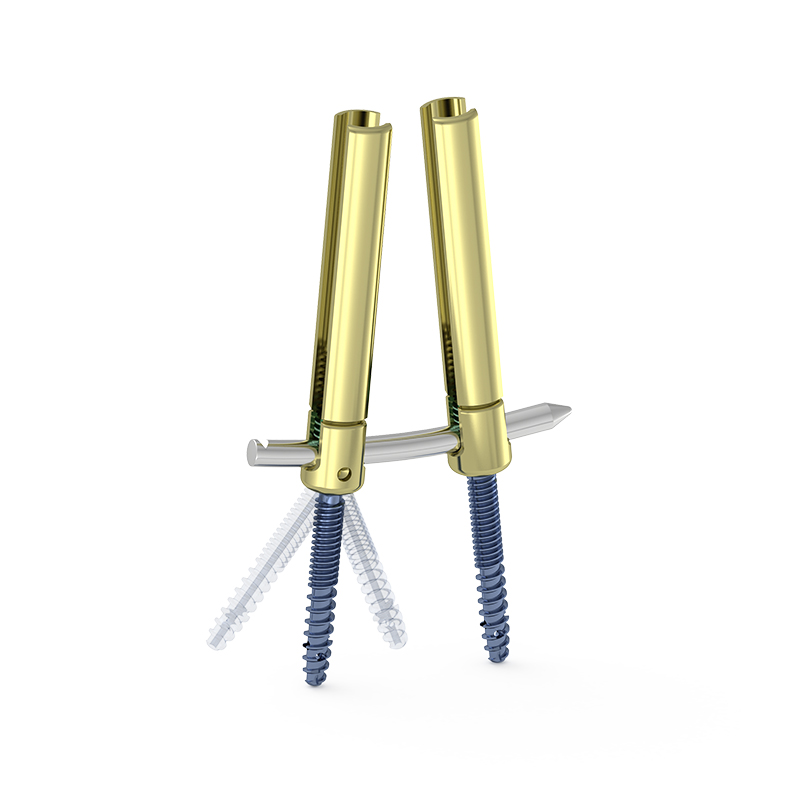
The critical importance of pedicle screw safety in spinal surgery cannot be overstated, as these devices serve as fundamental components in stabilizing vertebral segments during complex orthopedic procedures. Modern surgical practices demand rigorous protocols that encompass every aspect of screw handling, from initial preparation through post-operative monitoring. Healthcare professionals must understand that maintaining optimal pedicle screw safety requires comprehensive knowledge of proper techniques, sterile procedures, and systematic approaches to device management. The implementation of standardized protocols significantly reduces the risk of complications while enhancing patient outcomes. Understanding these critical maintenance practices forms the foundation of successful spinal interventions and long-term patient recovery.
Essential Pre-Operative Preparation Protocols
Device Inspection and Verification Procedures
Thorough examination of pedicle screw components represents the cornerstone of effective safety protocols in spinal surgery environments. Surgical teams must implement systematic inspection routines that evaluate every aspect of the device, including thread integrity, surface smoothness, and dimensional accuracy. Visual inspection should be complemented by tactile assessment to identify any microscopic defects that could compromise performance during implantation. Documentation of inspection findings provides essential traceability and supports quality assurance initiatives within healthcare institutions. The verification process must include confirmation of proper sizing, material specifications, and compatibility with intended surgical applications.
Advanced imaging techniques can enhance traditional inspection methods by revealing internal structural characteristics that may not be apparent through visual examination alone. Digital documentation systems should capture detailed images of each device, creating permanent records that support post-operative analysis and continuous improvement initiatives. Standardized checklists ensure consistent application of inspection protocols across different surgical teams and operating environments. Regular calibration of measurement instruments maintains the accuracy of dimensional verification procedures, supporting overall device integrity assessment processes.
Sterile Storage and Environmental Control
Maintaining sterile conditions throughout the storage and preparation phases directly impacts pedicle screw safety outcomes in clinical settings. Temperature-controlled environments prevent material degradation while humidity management reduces the risk of corrosion or surface contamination. Sterile packaging integrity must be verified before device utilization, with any compromised barriers requiring immediate replacement to maintain aseptic conditions. Proper rotation of inventory ensures that devices are utilized within their designated shelf life parameters, preventing the use of expired or degraded components.
Environmental monitoring systems provide continuous oversight of storage conditions, generating alerts when parameters exceed acceptable ranges. Staff training programs should emphasize the importance of maintaining sterile techniques during device handling and preparation activities. Regular audits of storage facilities identify potential contamination sources and verify compliance with established protocols. Integration of environmental data with surgical outcomes creates valuable feedback loops that support continuous improvement of storage and preparation procedures.
Intraoperative Handling Excellence Standards
Surgical Technique Optimization
Precise surgical technique forms the foundation of successful pedicle screw implantation while minimizing risk factors associated with device placement procedures. Surgeon training programs must emphasize proper insertion angles, depth control, and torque management to prevent complications during the implantation process. Real-time imaging guidance supports accurate placement while reducing the likelihood of anatomical structure damage or improper positioning. Standardized surgical protocols ensure consistent application of best practices across different operating teams and healthcare facilities.
Advanced surgical instruments designed specifically for pedicle screw safety applications enhance precision while reducing procedural complexity. Instrument calibration procedures maintain optimal performance characteristics throughout extended surgical sessions. Team communication protocols facilitate coordinated efforts among surgical staff members, reducing the risk of errors or misunderstandings during critical procedural phases. Post-procedure analysis of surgical techniques identifies opportunities for refinement and supports ongoing professional development initiatives.
Real-Time Monitoring and Assessment
Continuous monitoring during pedicle screw implantation procedures provides immediate feedback regarding device performance and anatomical response characteristics. Advanced monitoring systems track insertion forces, rotation angles, and penetration depths in real-time, enabling immediate corrective actions when necessary. Neurological monitoring protocols detect potential nerve involvement or spinal cord compromise during device placement activities. Integration of multiple monitoring modalities creates comprehensive situational awareness that supports optimal decision-making throughout surgical procedures.
Data logging systems capture detailed procedural information that supports post-operative analysis and quality improvement initiatives. Alert mechanisms notify surgical teams when monitored parameters exceed predetermined safety thresholds, enabling immediate intervention to prevent complications. Standardized response protocols guide team actions when monitoring systems indicate potential safety concerns or procedural deviations. Regular calibration and maintenance of monitoring equipment ensures reliable performance and accurate data collection throughout surgical procedures.
Post-Operative Care and Monitoring Protocols
Immediate Recovery Assessment
Comprehensive post-operative evaluation protocols ensure early detection of potential complications while supporting optimal patient recovery outcomes. Systematic assessment of neurological function, pain levels, and mobility characteristics provides essential baseline data for ongoing monitoring activities. Imaging studies confirm proper device positioning and identify any immediate structural concerns that require attention. Documentation of recovery parameters creates valuable reference points for tracking patient progress and identifying trends that may indicate developing complications.
Pain management protocols specifically designed for pedicle screw patients consider both surgical trauma and device-related factors that may influence comfort levels. Physical therapy assessments guide the development of appropriate rehabilitation programs while considering device-specific limitations and capabilities. Integration of patient-reported outcomes with clinical assessment data provides comprehensive perspectives on recovery progress and treatment effectiveness. Regular communication between healthcare team members ensures coordinated care delivery and consistent monitoring approaches.
Long-Term Follow-Up Strategies
Extended follow-up protocols support long-term pedicle screw safety through systematic monitoring of device performance and patient outcomes over extended time periods. Scheduled imaging studies track device stability, bone integration, and potential loosening or migration issues that may develop gradually. Functional assessment protocols evaluate patient mobility, pain levels, and quality of life indicators that reflect overall treatment success. Data collection systems capture long-term outcomes that support evidence-based improvements to surgical techniques and device selection criteria.
Patient education programs emphasize the importance of compliance with activity restrictions and follow-up appointments in maintaining device integrity and safety. Communication protocols ensure that patients understand warning signs that may indicate developing complications requiring immediate medical attention. Integration of patient feedback with clinical assessment data provides comprehensive perspectives on long-term treatment outcomes and device performance characteristics. Regular analysis of long-term follow-up data identifies trends and patterns that support continuous improvement of patient care protocols.
Quality Assurance and Continuous Improvement
Performance Metrics and Analysis
Systematic collection and analysis of performance metrics provide essential insights into the effectiveness of pedicle screw safety protocols and identify opportunities for improvement. Complication rates, patient satisfaction scores, and functional outcome measures create comprehensive datasets that support evidence-based decision-making. Statistical analysis techniques reveal trends and correlations that may not be apparent through casual observation of individual cases. Regular reporting of performance metrics maintains awareness of safety standards and supports accountability throughout healthcare organizations.
Benchmarking activities compare institutional performance with industry standards and best practices, identifying areas where improvements may be beneficial. Root cause analysis of adverse events provides detailed understanding of failure mechanisms and supports development of preventive measures. Integration of performance data with quality improvement initiatives creates feedback loops that drive continuous enhancement of safety protocols and patient care standards. Regular review of metrics with clinical teams maintains engagement and supports collaborative improvement efforts.
Training and Competency Development
Comprehensive training programs ensure that all healthcare team members possess the knowledge and skills necessary to maintain optimal pedicle screw safety standards. Competency assessment procedures verify that staff members can perform required procedures accurately and consistently. Continuing education initiatives keep teams current with evolving best practices, new technologies, and updated safety protocols. Simulation-based training provides opportunities to practice complex procedures in controlled environments before applying techniques in actual patient care situations.
Mentorship programs pair experienced practitioners with newer team members, supporting knowledge transfer and skill development through guided practice opportunities. Regular skills assessments identify individual training needs and support targeted professional development initiatives. Documentation of training activities maintains records of staff competencies and supports regulatory compliance requirements. Integration of training outcomes with performance metrics provides feedback on the effectiveness of educational programs and identifies areas for curriculum enhancement.
FAQ
How often should pedicle screws be inspected during storage?
Pedicle screws should undergo visual inspection each time they are handled during storage rotation procedures, typically on a monthly basis for active inventory. Additionally, comprehensive inspections should be conducted immediately before surgical use to verify device integrity and sterile packaging conditions. Environmental monitoring systems should provide continuous oversight of storage conditions, with immediate alerts for any parameter deviations that could affect device quality or safety.
What are the most critical factors in maintaining pedicle screw safety during surgery?
The most critical factors include proper surgical technique with accurate insertion angles and appropriate torque application, real-time imaging guidance to ensure optimal placement, and continuous neurological monitoring to detect potential complications immediately. Additionally, maintaining sterile conditions throughout the procedure and using properly calibrated instruments designed specifically for pedicle screw applications are essential for optimal safety outcomes.
What warning signs should patients watch for after pedicle screw implantation?
Patients should immediately report any sudden increase in back or leg pain, new numbness or tingling sensations, loss of strength in extremities, or signs of infection such as fever, redness, or unusual drainage from the surgical site. Changes in mobility or function, persistent pain that worsens rather than improves over time, or any unusual sensations around the implant site require prompt medical evaluation to ensure continued device safety and patient wellbeing.
How do long-term follow-up protocols contribute to pedicle screw safety?
Long-term follow-up protocols enable early detection of potential device-related complications such as loosening, migration, or infection that may develop gradually over time. Regular imaging studies and functional assessments provide objective measures of device performance and patient outcomes, while systematic data collection supports evidence-based improvements to surgical techniques and patient care protocols. These protocols also facilitate patient education and compliance with activity restrictions that help maintain device integrity throughout the healing process.