
 EN
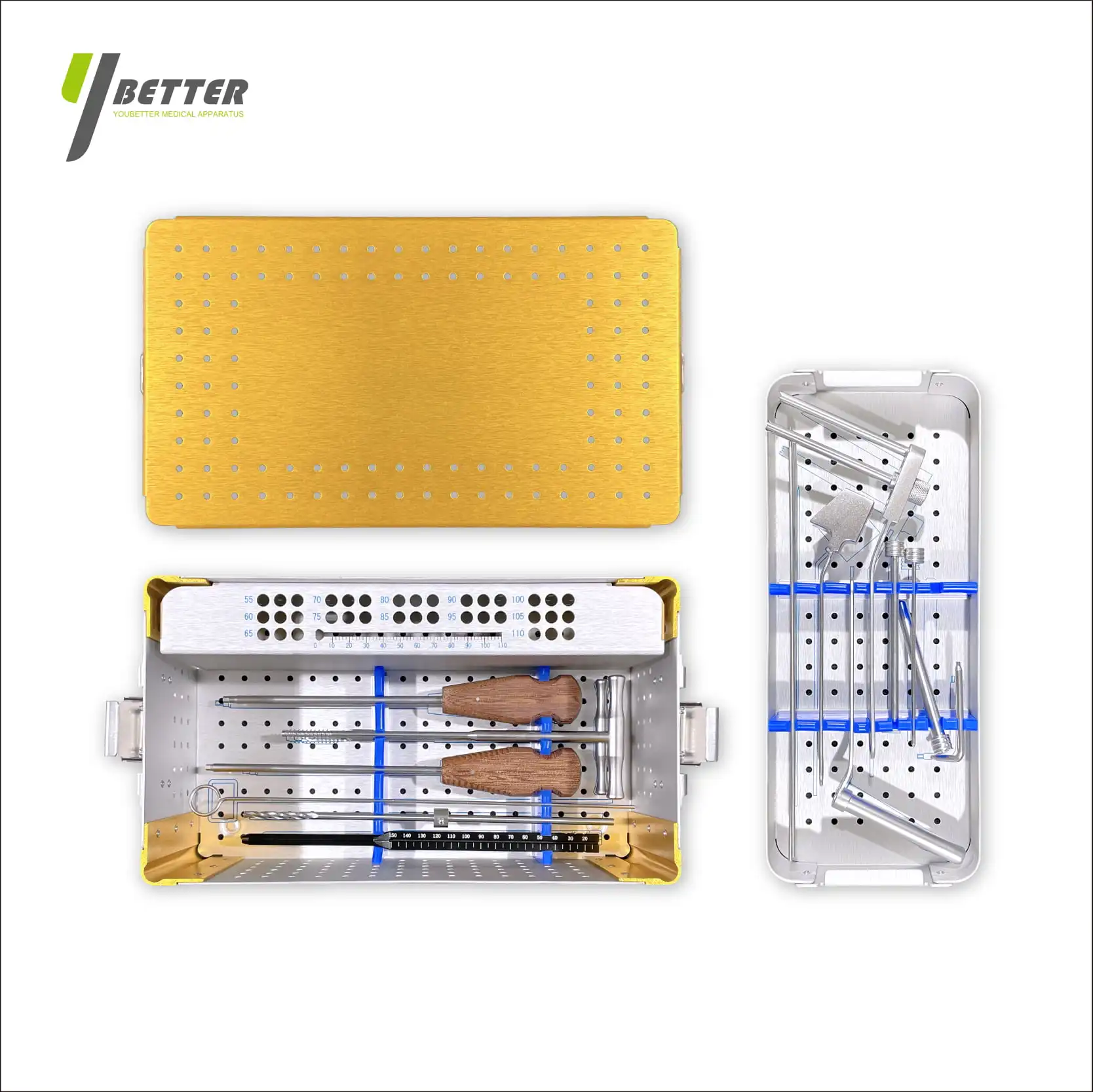
Selecting the proper cannulated screw diameter starts with the bone, fracture pattern, and fixation goal—not with choosing the largest available implant. A cannulated screw must fit the planned trajectory and provide appropriate support while preserving surrounding bone. The right diameter is therefore a balance: a cannulated screw that is too small may not offer the intended purchase, while one that is too large may compromise bone stock or complicate placement.
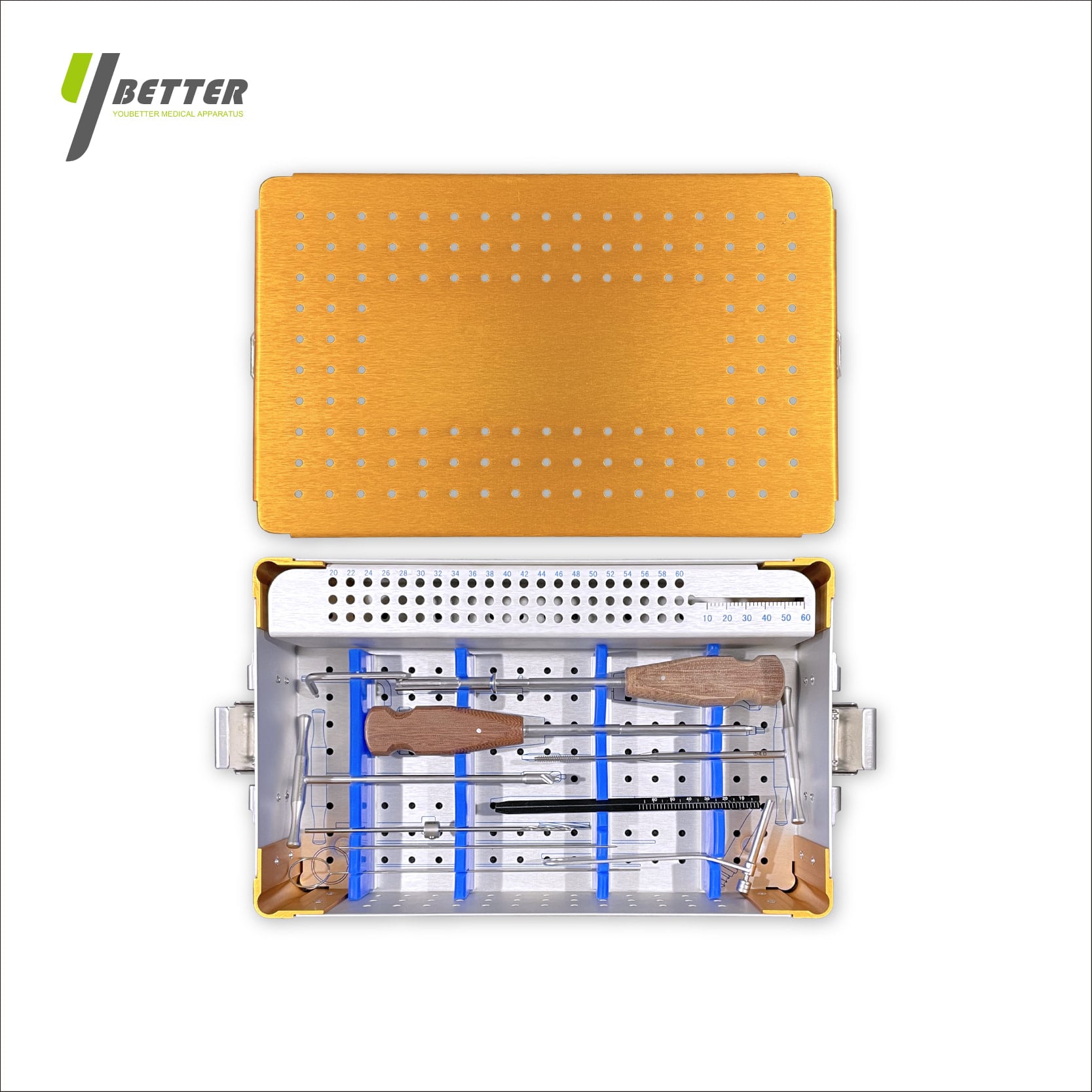
A reliable selection process connects preoperative measurements with intraoperative confirmation. Surgeons consider the available bone corridor, intended screw path, thread engagement, and the demands placed on the fixation. This guide explains how to evaluate those factors in sequence, compare diameter options, and recognize when a planned size needs reconsideration. The goal is a reasoned choice for the specific case, not a universal diameter recommendation.
Assess the anatomy and planned trajectory
Map the available bone corridor
Begin by reviewing the target bone and the narrowest part of the intended path. Imaging should clarify cortical boundaries, fracture geometry, nearby joint surfaces, and any anatomical variation that could constrain a cannulated screw. The corridor is more important than a broad measurement elsewhere in the bone because the implant must pass safely along its entire planned route. A diameter that appears suitable at the entry point may be unsuitable deeper along the trajectory.
Use appropriate imaging views to estimate the available width and length, then relate those measurements to the surgical approach and guidewire plan. A cannulated screw follows a wire, so the planned wire position helps define the usable corridor. Account for the wire, drill, and any countersinking steps specified by the implant system. Measurements should support clinical judgment; they do not replace assessment of the patient’s anatomy or the treating surgeon’s planning.
Match size to the fracture and fixation objective
The fracture pattern determines what the cannulated screw must accomplish. A compression-oriented construct, a fixation point in a small fragment, and stabilization across a larger bone segment can place different demands on diameter and thread engagement. Consider fragment size, bone quality, fracture orientation, and the intended number and position of screws. A larger cannulated screw is not automatically stronger in a clinically useful way if its path risks splitting a fragment or violating a joint.
Plan the trajectory and diameter together rather than treating them as separate decisions. If the ideal path is narrow or oblique, adjusting screw placement may be more appropriate than increasing diameter. For multiple implants, consider spacing and the remaining bone between paths. The selected cannulated screw should fit the anatomy while allowing the construct to meet its intended role. Follow the applicable technique guidance and clinical protocol when translating the plan into a specific size.
Compare diameter options against fixation needs
Balance purchase with bone preservation
Diameter influences the amount of bone engaged, but fixation depends on more than width alone. Thread form, thread length, insertion depth, bone quality, and the placement angle all contribute to performance. When comparing cannulated screw sizes, ask whether a proposed increase meaningfully improves purchase for the case or simply consumes more of the available corridor. Preserving adequate surrounding bone can be especially important in small fragments and in areas where a second fixation point is planned.
In weaker bone, selecting a wider cannulated screw may not solve every limitation. The surgeon may need to consider the full construct, including the number of fixation points, their distribution, and whether the chosen implant design suits the clinical objective. In denser bone, insertion technique and preparation remain relevant to controlled placement. Diameter decisions should be made within the system’s indications and instructions, not by assuming that one dimension guarantees a particular outcome.
Check implant design and instrument compatibility
A cannulated screw is part of a coordinated system that may include guidewires, drills, depth gauges, and drivers. Confirm that the diameter under consideration is compatible with the required instruments and the planned technique. The cannulation itself affects the implant’s internal structure, so nominal outer diameter alone does not describe every mechanical property. Review the relevant product specifications and surgical technique information before finalizing the choice.
When evaluating available options, distinguish diameter from length and thread configuration. These dimensions solve different planning needs and should not be substituted for one another. A properly sized cannulated screw must reach the intended area, engage the desired bone, and remain within safe boundaries. If several sizes appear feasible, compare their fit against the narrowest corridor and the desired purchase rather than defaulting to a familiar size. Instrument readiness also helps avoid unnecessary changes during the procedure.
Confirm the choice during the procedure
Use guidewire position as a sizing checkpoint
Intraoperative imaging allows the team to check whether the planned path remains appropriate before advancing the cannulated screw. Confirm that the guidewire is positioned as intended and that its course respects relevant cortical and joint boundaries. If the wire position differs from the plan, reassess the diameter and trajectory together. Advancing an implant along a wire does not make an unsuitable path safe; the alignment must be verified at the appropriate stages.
Measure depth with the designated instrument and follow the system’s steps for drilling and insertion. These checks help confirm that the cannulated screw will reach the planned location without unintended prominence or inadequate engagement. Imaging views should be selected to evaluate the anatomy relevant to the case, since a single projection may not show every boundary clearly. The surgeon remains responsible for interpreting the images and making adjustments according to the operative findings.
Reconsider diameter when the plan changes
A change in reduction, wire position, or observed bone quality can alter the original sizing assumptions. Pause and reassess whether the selected cannulated screw still matches the corridor and fixation objective. If the path appears constrained, forcing a larger implant may increase risk without addressing the underlying issue. Depending on the case, the appropriate response may involve revising the trajectory, choosing another compatible diameter, or reconsidering the fixation plan.
Documenting the rationale makes the decision easier to communicate across the surgical team and supports consistent planning. Record the imaging basis, relevant anatomical constraints, and the reason the chosen cannulated screw diameter fits the intended construct. This is particularly useful when patient anatomy differs from typical assumptions or when intraoperative findings require a change. A measured, case-specific decision is more defensible than relying on habit or a single diameter preference.
FAQ
Should the largest cannulated screw that fits be selected?
No. A cannulated screw should suit the bone corridor and fixation objective. The largest feasible diameter may reduce surrounding bone or create a placement concern, so size selection should balance purchase with anatomical safety.
Does bone quality determine cannulated screw diameter?
Bone quality is an important factor, but it does not determine diameter by itself. Consider the fracture, available corridor, thread engagement, implant design, and overall construct, while following clinical judgment and system guidance.
When should the planned diameter be reassessed?
Reassess the cannulated screw diameter if imaging shows a different trajectory than planned, the guidewire position changes, or operative findings alter the understanding of bone quality or fragment size. Confirm the revised choice before insertion.