
 EN
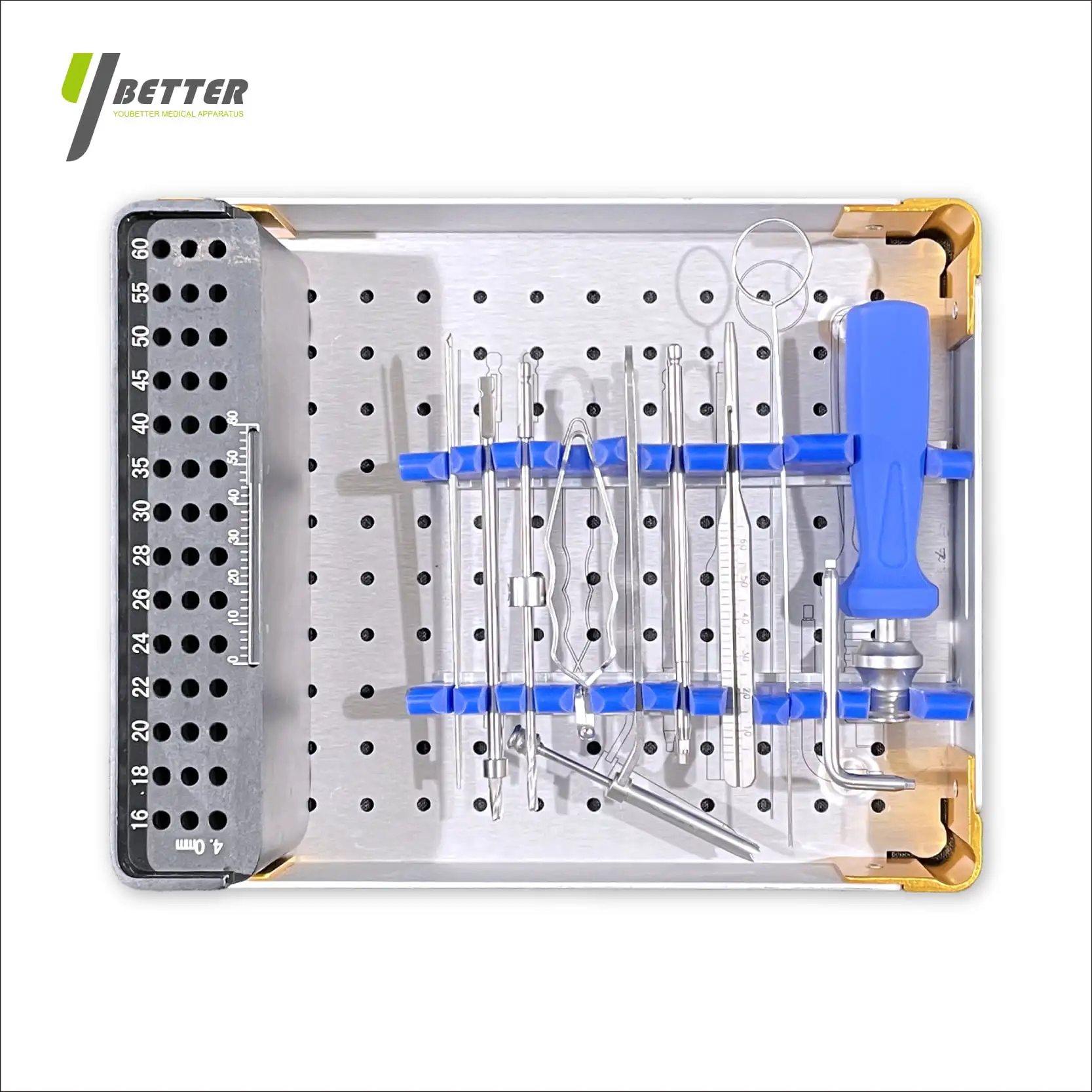
A cannulated screw is well suited to many minimally invasive procedures because its hollow center allows it to advance over a guidewire placed through a small access point. This gives the surgeon a defined path for positioning and insertion while limiting the need to expose the full treatment area. The design supports accurate fixation when the anatomy, fracture pattern, and surgical plan make a percutaneous approach appropriate.
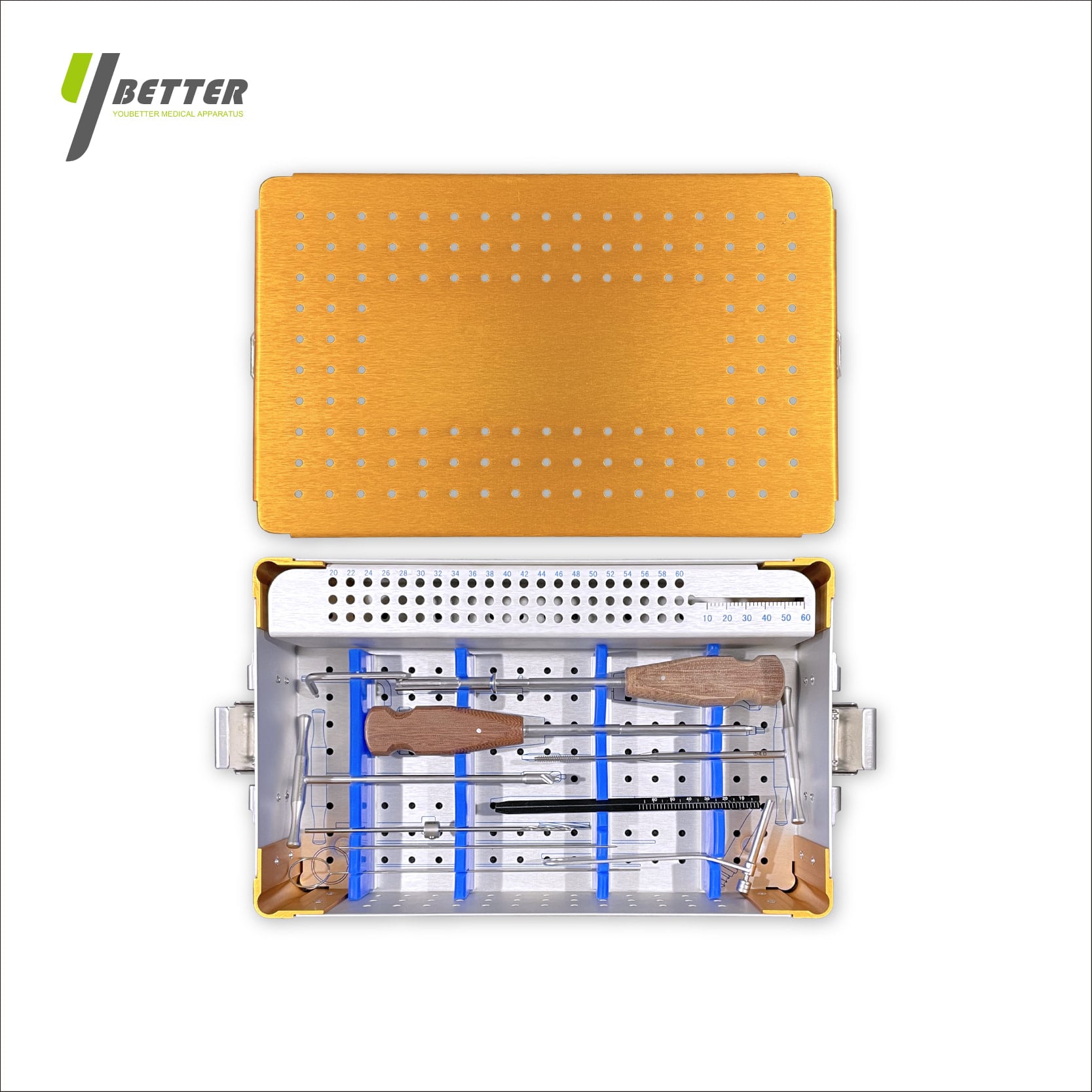
The advantage is not simply a smaller incision. A cannulated screw can help translate preoperative imaging and intraoperative alignment into a controlled insertion route, with less disruption to surrounding soft tissue than a wide exposure may require. Its value depends on careful guidewire placement, suitable bone purchase, and a procedure-specific decision about whether indirect access can achieve the required reduction and stability.
How the guidewire supports precise access
A defined path from entry point to target
In minimally invasive surgery, the cannulated screw follows a guidewire that has already been directed toward the intended fixation site. The wire provides a physical route through the incision, and the screw advances along that route rather than requiring the surgeon to create an open corridor for every step. This sequence can be useful where direct visualization is limited, because imaging and wire position help guide placement.
A cannulated screw therefore links planning with execution. The surgeon can assess the entry point, trajectory, and depth before final insertion, then use imaging to verify the wire position. If alignment is unsuitable, the wire can be adjusted before the implant is advanced. This staged approach can reduce avoidable redirection of the screw itself, although it does not remove the need for anatomical knowledge or repeated confirmation.
Less exposure with purposeful control
A smaller access route may reduce the amount of tissue that must be exposed to reach a target. In suitable cases, a cannulated screw allows fixation through that route while preserving the ability to control the implant trajectory. The practical benefit is a balance: the incision can remain limited, but the procedure still needs sufficient access for reliable wire placement, imaging, and safe instrument handling.
The cannulated screw is not a substitute for visualization or sound technique. Fluoroscopic views, anatomical landmarks, and the planned trajectory all contribute to safe placement. A wire that is poorly positioned can direct the implant into an unintended path, so the surgeon should confirm its position in relevant planes before insertion. The design makes a controlled route possible; it does not guarantee that the route is correct.
How fixation needs shape the choice
Compression and construct planning
A cannulated screw may be selected when the fracture or osteotomy can be brought into suitable alignment and the planned implant can provide the intended fixation. Depending on its design and the procedure, screw placement may help draw bone fragments together. The surgeon must consider the fracture geometry, bone quality, load demands, and whether one or more fixation points are needed to control rotation.
Because the cannulated screw is inserted over a wire, the planned trajectory should account for both the target and the final construct. The entry point must allow the screw to engage appropriate bone without crossing structures that need protection. A precise route can support placement, but stability still depends on implant dimensions, thread engagement, reduction quality, and the mechanical demands expected after surgery.
Matching the implant to the anatomy
A cannulated screw is most useful when its diameter, length, and configuration match the intended application. Too little purchase may compromise fixation, while excessive length or an unsuitable path can create avoidable risk. Preoperative imaging helps define the target and assess available bone, and intraoperative measurement helps confirm that the chosen implant will end at the intended depth.
The cannulated screw also needs to work with the instruments and imaging workflow used for the procedure. The guidewire, drill, depth gauge, and driver must be compatible with the implant system and handled in the correct sequence. Teams should confirm instrument readiness before incision, since a minimally invasive approach offers limited room to resolve equipment issues or make major changes to the plan during insertion.
Practical limits and safe implementation
Recognizing when limited access is not enough
A cannulated screw is not ideal for every fracture or patient. A highly displaced pattern, poor bone quality, complex anatomy, or a need for direct assessment may make another approach or a different fixation construct more appropriate. The surgeon should prioritize adequate reduction and stable fixation over incision size. Minimally invasive access is beneficial only when it permits the clinical goals to be met safely.
The cannulated screw depends on accurate guidewire placement, which may be challenging when landmarks are unclear or imaging is constrained. Repeated wire passes can create additional tissue or bone trauma, so the team should establish a clear trajectory and confirm it before advancing. If the wire cannot be positioned reliably, the surgeon may need to revise the approach rather than continue with a compromised path.
Planning the workflow around verification
Good planning makes cannulated screw insertion a sequence of checks rather than a single act of driving an implant. The team defines the target, selects a suitable entry point, places and verifies the guidewire, measures depth, prepares the tract as required, and advances the screw under appropriate imaging. Each step provides an opportunity to identify a mismatch before it affects final fixation.
After placement, the cannulated screw position and the overall reduction should be assessed using the views appropriate to the anatomy and operation. The surgeon confirms that the implant has reached the intended depth, that its path is acceptable, and that the construct addresses the procedural objective. This verification matters because a small incision can make direct inspection difficult, increasing the importance of a deliberate imaging and assessment plan.
FAQ
Why is a cannulated screw useful in minimally invasive surgery?
A cannulated screw advances over a guidewire, giving the surgeon a defined insertion route through limited access. It can support controlled positioning while reducing the need for broad exposure when the procedure is suitable for a percutaneous technique.
Does a cannulated screw always mean a smaller incision?
Not necessarily. A cannulated screw can facilitate insertion through a smaller access point, but incision size depends on the operation, anatomy, reduction needs, and instruments. Safe access and reliable fixation remain more important than minimizing the incision alone.
What should be confirmed before inserting a cannulated screw?
The surgeon should verify guidewire trajectory and depth, implant suitability, and compatibility with the planned construct. Imaging, anatomical assessment, and instrument readiness help ensure the cannulated screw follows the intended path and achieves the required fixation.