
 EN
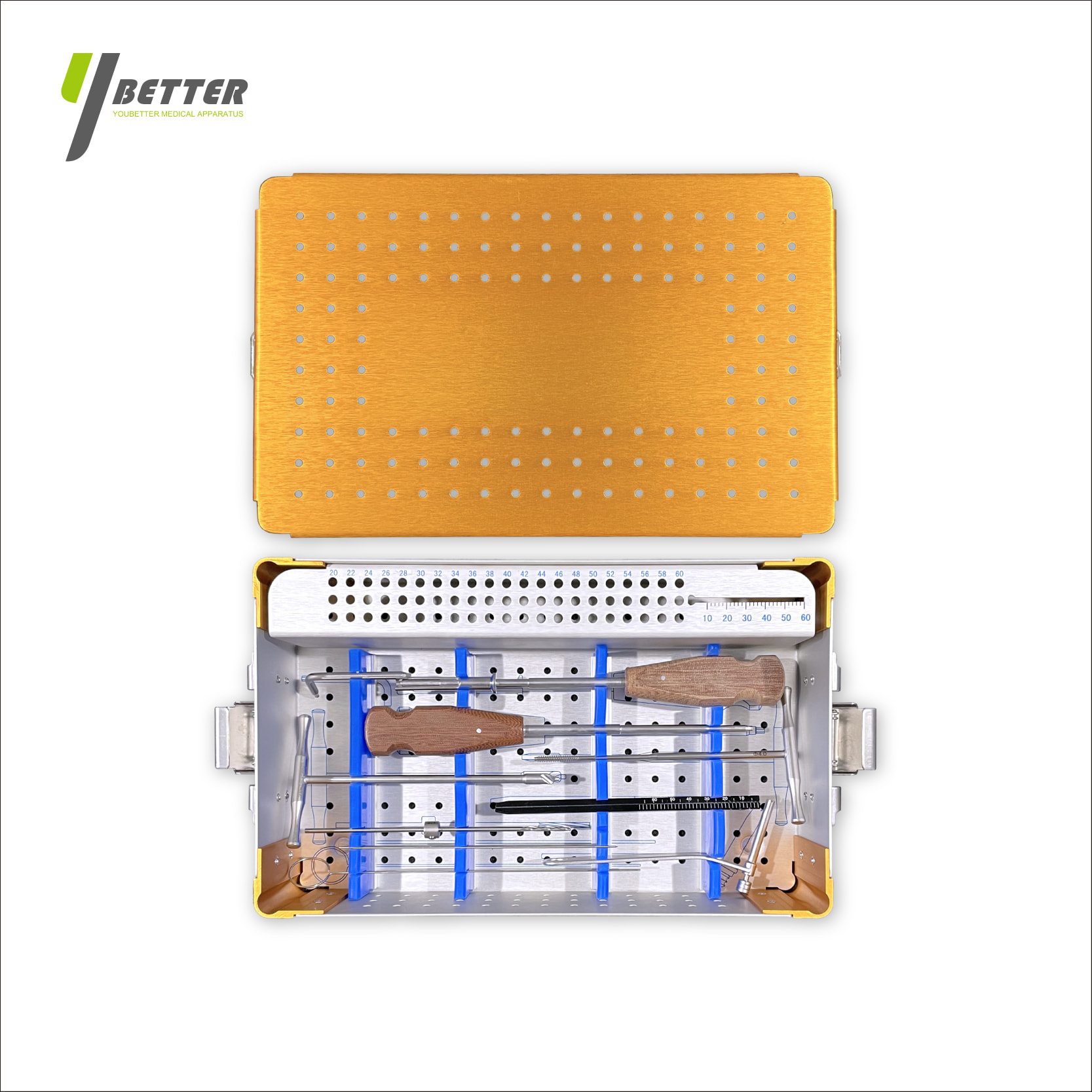
A cannulated screw is popular in sports injury surgery because it can provide targeted fixation while allowing the surgeon to guide placement over a temporary wire. This combination is useful when an athlete has a fracture or bone fragment in an area where accurate alignment matters. The cannulated screw is not suitable for every injury, but its guided insertion can support a controlled surgical approach.
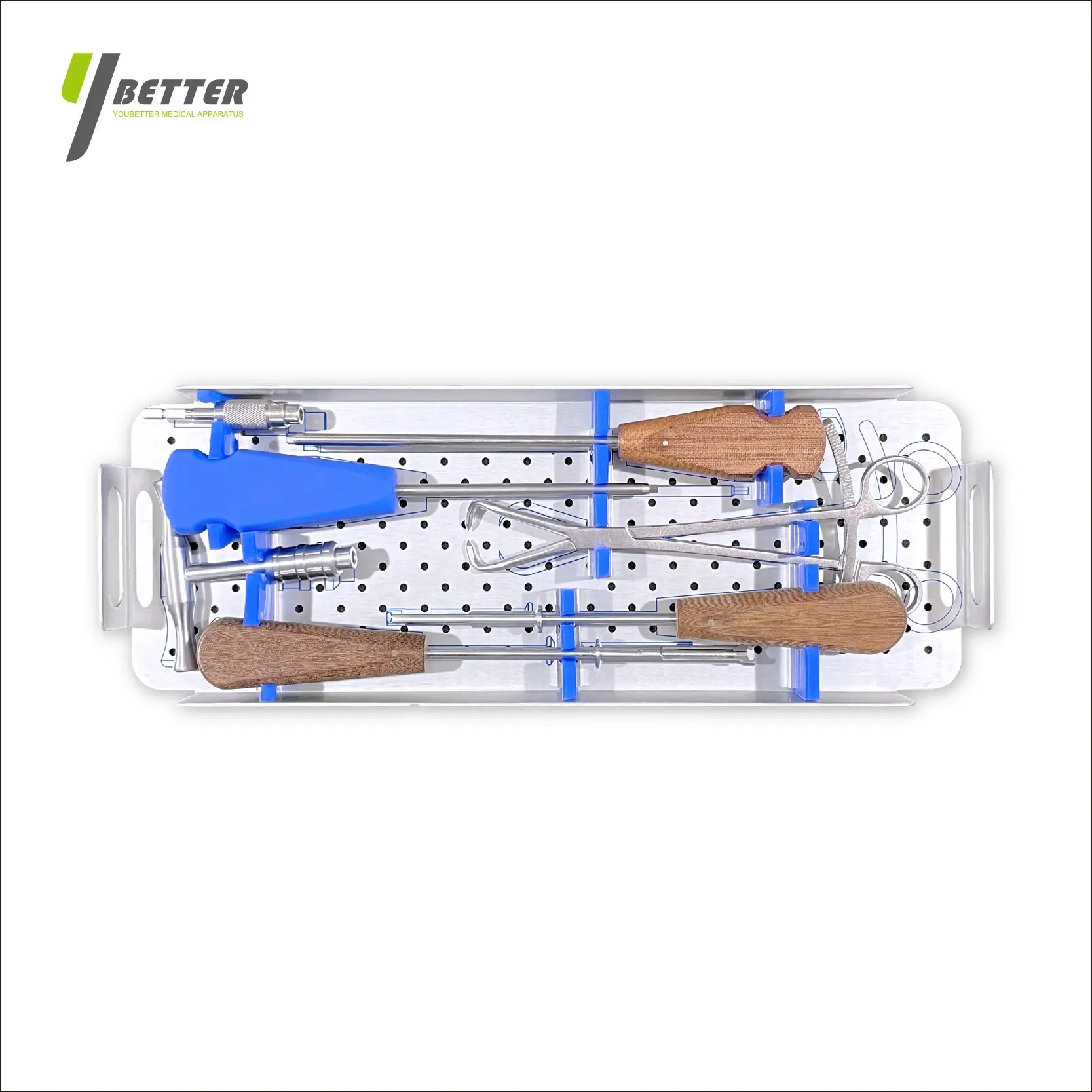
The reasons extend beyond the implant itself. Sports surgeons weigh fracture pattern, bone quality, nearby joints, soft tissue condition, and an athlete’s rehabilitation demands before choosing fixation. Understanding how a cannulated screw works helps explain its appeal, while also clarifying the limits that keep treatment decisions patient-specific.
Why guided placement suits sports injuries
Wire guidance supports accurate positioning
Many sports-related fractures involve small fragments or locations where a few millimeters can affect joint movement. A cannulated screw has a hollow central channel, so the surgeon can pass it over a guide wire placed along the planned path. This sequence allows the trajectory to be checked before final insertion. For a cannulated screw, that guided path is a key reason it can be considered when precise positioning is important.
The guide wire also provides a reference during the procedure, helping the team maintain the intended direction while preparing the bone and advancing fixation. Imaging can be used to assess the wire position before the screw is placed. A cannulated screw does not make positioning automatic; careful planning, imaging, and surgical judgment remain essential. Its design instead gives the surgeon a practical way to follow a selected path.
Small access can matter around mobile joints
Athletes often need treatment near joints and tendons that must later regain smooth movement. Depending on the injury and approach, a cannulated screw may be inserted through a relatively limited exposure compared with some other fixation strategies. Smaller access is not guaranteed in every case, but it can be relevant when the anatomy and fracture pattern permit. The cannulated screw is therefore valued as an option, not as a promise of minimal surgery.
For example, selected fractures around the ankle, foot, wrist, or other sites may call for stable fixation while preserving surrounding structures. Surgeons consider whether the screw can compress the relevant bone surfaces and whether its path avoids important anatomy. A cannulated screw may fit that plan when the fragment and bone dimensions allow suitable purchase. The specific site, rather than athletic status alone, determines whether this approach makes sense.
How fixation aligns with athletic recovery
Compression can stabilize selected fractures
Some screw designs are used to draw fracture surfaces together, supporting contact between bone fragments. When indicated, a cannulated screw can help maintain reduction while healing progresses. This matters in sports surgery because an unstable fragment may interfere with joint mechanics or delay progression through rehabilitation. Still, a cannulated screw cannot guarantee union or a faster return to play; biology, injury severity, and adherence to care all influence recovery.
The surgeon selects screw diameter, length, thread configuration, and trajectory based on the anatomy and required fixation. A screw that is too short may not achieve adequate purchase, while an unsuitable path can threaten the joint or surrounding structures. A cannulated screw is most useful when its dimensions match the treatment plan. These choices require imaging, technical experience, and attention to the patient’s bone and fracture characteristics.
Rehabilitation remains staged and individual
Fixation is one part of an athlete’s treatment pathway, not a substitute for rehabilitation. After a cannulated screw is placed, weight bearing or loading may be restricted until the treating team considers healing sufficient. The schedule depends on the fracture location, stability, symptoms, and follow-up findings. Even when fixation appears satisfactory, returning to sport too early can expose healing bone to forces it is not ready to tolerate.
Rehabilitation commonly progresses from protection toward mobility, strength, balance, and sport-specific loading as clinically appropriate. A cannulated screw may help maintain the intended alignment during this process, but it does not determine the pace by itself. Athletes and care teams need clear milestones and reassessment rather than a calendar-only decision. For surgical teams, explaining those limits helps align expectations around recovery and return-to-play decisions.
Factors that limit the choice
Injury pattern and bone quality guide suitability
A cannulated screw is not the default for every sports fracture. Fragment size, fracture direction, comminution, bone quality, and the amount of force expected at the site can make another fixation method more appropriate. The surgeon also considers whether the screw can achieve secure purchase without crossing a joint surface or compromising nearby tissue. If those conditions are unfavorable, the apparent convenience of a cannulated screw does not outweigh the need for reliable fixation.
The patient’s broader health matters as well. Smoking, certain medical conditions, prior injury, and bone-healing risks may affect treatment planning and recovery discussions. A cannulated screw addresses a mechanical fixation need; it does not remove biological risks. Surgeons balance the expected stability against the specific demands placed on the injured area, including the athlete’s sport, position, and likely loading during everyday movement.
Instrumentation and technique affect execution
The procedure depends on compatible instruments and a controlled sequence for guide-wire placement, measurement, drilling when indicated, and screw insertion. The team must confirm that the instruments match the selected implant and that imaging provides the views needed to assess position. A cannulated screw is only as useful as the plan and execution supporting it. Preparation helps reduce avoidable delays and supports consistent handling in the operating room.
Surgeons also consider whether the implant may need removal, how prominent it could be beneath soft tissue, and what follow-up monitoring is appropriate. Those issues vary by anatomical site and patient symptoms. A cannulated screw should be discussed in terms of its specific benefits and trade-offs for the individual injury, rather than treated as universally superior. The strongest rationale is a clear match between implant design, fracture geometry, and clinical goals.
FAQ
Why is a cannulated screw often chosen for sports injuries?
A cannulated screw allows insertion over a guide wire, which can help the surgeon follow a planned trajectory. It may provide useful fixation for selected fractures where alignment and fragment control matter. The choice depends on the injury, anatomy, and patient needs, rather than sport participation alone.
Does a cannulated screw mean an athlete will recover faster?
No. A cannulated screw can support fracture fixation when appropriate, but it does not guarantee faster healing or an earlier return to sport. Recovery depends on the fracture, biological healing, rehabilitation, and clinical assessment. The care team sets progression according to the individual athlete’s condition.
Can every sports fracture be treated with a cannulated screw?
No. A cannulated screw may be unsuitable when the fragment is too small, the pattern is highly complex, bone quality is poor, or the required stability cannot be achieved. The surgeon assesses imaging and patient factors before recommending fixation. Other approaches may better meet the needs of a particular injury.