
 EN
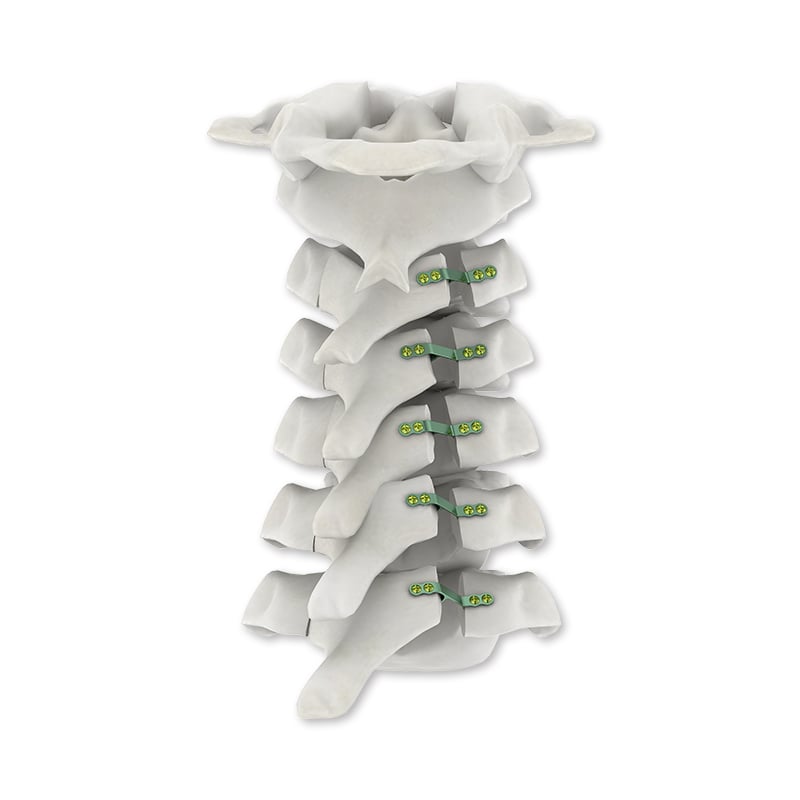
Complex fractures demand precision, stability, and a fixation method that can withstand the biomechanical forces acting on the injured bone. A bone plate serves as the cornerstone of modern orthopedic surgery, particularly when managing complicated fracture patterns that standard internal fixation methods cannot adequately address. The evolution of bone plate technology has fundamentally changed how surgeons approach fracture management, offering solutions that enhance patient outcomes and reduce recovery timelines. Understanding why a bone plate is chosen for complex fractures requires insight into the unique advantages this implant provides compared to traditional fixation techniques.
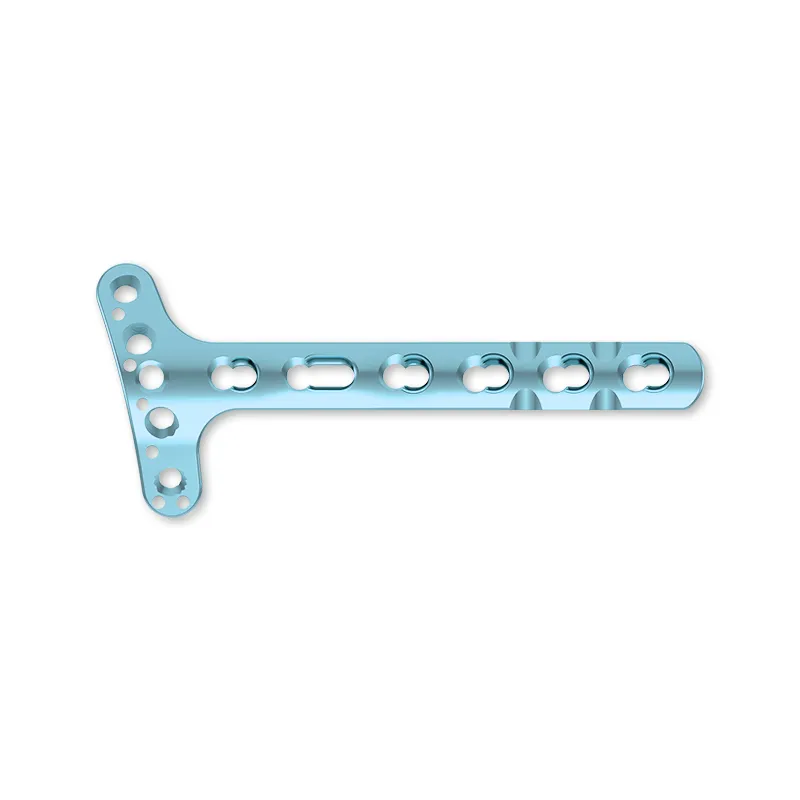
The bone plate has revolutionized fracture fixation by introducing locking mechanisms that fundamentally alter how force is distributed across the fracture site. Unlike conventional plating systems that rely on friction between the plate and bone, a modern bone plate creates a fixed-angle construct that maintains alignment without direct bone contact. This innovation addresses the limitations of traditional methods and provides surgeons with the precision needed to manage multifragmentary, comminuted, and periarticular fractures that would otherwise result in poor alignment and prolonged healing complications.
Superior Biomechanical Stability with Bone Plate Technology
How Locking Mechanisms Enhance Fracture Fixation
The defining characteristic of a locking bone plate is its ability to create a fixed-angle relationship between the screw and the plate itself. When a screw is inserted into a locking hole on the bone plate, the threads engage with corresponding threads in the plate hole, essentially creating a construct where the screw and plate function as a single unit. This mechanism eliminates micromotion at the plate-bone interface, a critical factor in complex fracture scenarios where any movement can lead to delayed union or nonunion. The bone plate design distributes loads more evenly across the fracture site, reducing stress concentration and promoting more predictable healing patterns.
Advantages Over Traditional Plating Systems
Conventional bone plate systems depend on friction created by screw compression against the bone surface. This approach works well for simple fractures with minimal comminution but becomes problematic in complex cases where bone quality is compromised or multiple fragments exist. A bone plate with locking technology maintains its mechanical advantage regardless of bone quality, making it invaluable in osteoporotic bone or areas with severe comminution. The fixed-angle construct provided by a locking bone plate also allows for placement in anatomically challenging locations where conventional compression techniques would be difficult or impossible to achieve safely.
Clinical Advantages in Complex Fracture Management
Preservation of Blood Supply and Soft Tissue
One of the most significant advantages of using a bone plate in complex fractures is its capacity to maintain stability without requiring direct compression against bone surfaces. Traditional fixation methods often necessitate stripping periosteal attachments and damaging the vascular supply to achieve adequate reduction and compression. A modern bone plate can be positioned as a bridge construct, spanning comminuted fracture zones while preserving the blood supply essential for bone healing. This preservation of vascularity with a bone plate reduces inflammation, accelerates callus formation, and significantly improves union rates in complex fractures where healing is already compromised by the extent of injury.
Versatility Across Fracture Patterns and Anatomical Locations
Complex fractures occur in anatomically diverse locations, each presenting unique challenges that require specialized solutions. A bone plate designed with locking technology demonstrates remarkable versatility, functioning effectively in periarticular regions, diaphyseal zones, and metaphyseal areas. The rigid fixation provided by a bone plate allows early mobilization in periarticular fractures, preventing stiffness and improving functional outcomes. Additionally, the bone plate can be contoured and positioned without compromising its mechanical integrity, a flexibility that traditional compression plating systems lack. This adaptability makes a bone plate the preferred choice for complex fractures across virtually all skeletal locations.
Promotion of Secondary Bone Healing and Union
Callus Formation and Biological Healing Response
The mechanical environment created by a bone plate significantly influences the biological response to fracture. By providing stable fixation without complete rigidity, a bone plate encourages the development of secondary bone healing through callus formation. Unlike rigid compression plating that can induce primary bone healing, a bone plate allows controlled micromotion that stimulates periosteal and endosteal activity, leading to more robust callus formation. This biological response is particularly beneficial in complex fractures where the extent of soft tissue damage has already activated healing cascades that benefit from gentle motion rather than absolute stillness.
Reduced Infection Risk and Soft Tissue Compatibility
Complex fractures, especially those resulting from high-energy mechanisms, often involve significant soft tissue damage that increases infection risk. The minimally invasive techniques compatible with a bone plate reduce surgical exposure and soft tissue trauma compared to traditional open reduction approaches. The bone plate's ability to achieve stable fixation through multiple points of fixation rather than reliance on a single compression mechanism reduces stress concentration and improves tissue tolerance around the implant. This enhanced compatibility with soft tissue, combined with reduced surgical dissection required for bone plate insertion, contributes to lower complication rates and faster soft tissue healing in complex fracture cases.
FAQ
What makes a bone plate superior to intramedullary nailing in complex fractures?
While intramedullary nailing offers certain advantages in simple fractures, a bone plate provides superior fixation in complex patterns with significant comminution. A bone plate excels in periarticular and metaphyseal fractures where anatomical reduction is critical for joint function. The fixed-angle stability of a modern bone plate allows precise reduction maintenance without the stress riser effect associated with nail insertion. Additionally, a bone plate preserves bone stock and allows easier revision surgery if needed, making it the preferred choice for complex fractures in these anatomical zones.
Can a bone plate be used in all complex fracture scenarios?
While a bone plate is extremely versatile, its use depends on fracture location, bone quality, and the extent of comminution. A bone plate works optimally when sufficient proximal and distal segments exist for adequate screw fixation on both sides of the fracture. In severely comminuted fractures with minimal bone stock, a bone plate may require augmentation with bridge plating or temporary external fixation. Surgeon experience and anatomical understanding are essential for determining whether a bone plate alone is appropriate or if combined techniques are necessary for optimal results in complex fracture management.
How does a bone plate compare to external fixation in complex fractures?
External fixation provides rapid stabilization and is invaluable in damage control scenarios, but permanent fixation with a bone plate offers superior functional outcomes once patient stability is achieved. A bone plate allows earlier mobilization, prevents stiffness, and eliminates the complications associated with prolonged external fixation such as pin tract infections and loss of reduction. Many surgeons use external fixation temporarily followed by conversion to definitive bone plate fixation once the patient is stable enough for operative intervention. This staged approach combines the advantages of both techniques, leveraging the bone plate's superior biomechanical properties for definitive healing in complex fracture cases.