
 EN
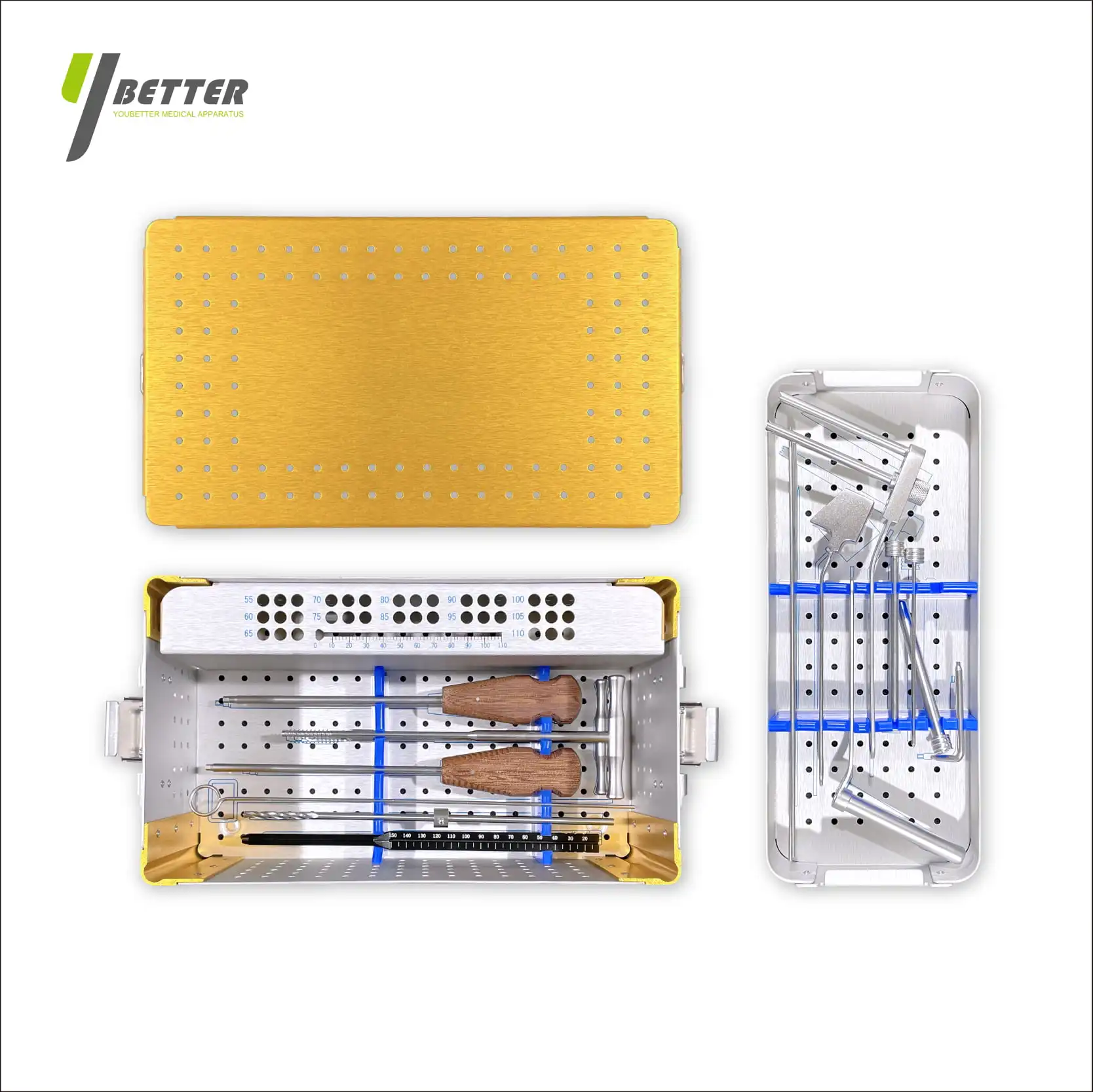
A cannulated screw can improve precision in fracture fixation by allowing the surgeon to place a guidewire first, check its position with imaging, and advance the screw along that planned path. This sequence gives the surgical team a way to assess direction and depth before committing to definitive fixation. The benefit depends on careful planning, suitable anatomy, and controlled technique rather than on the implant alone.
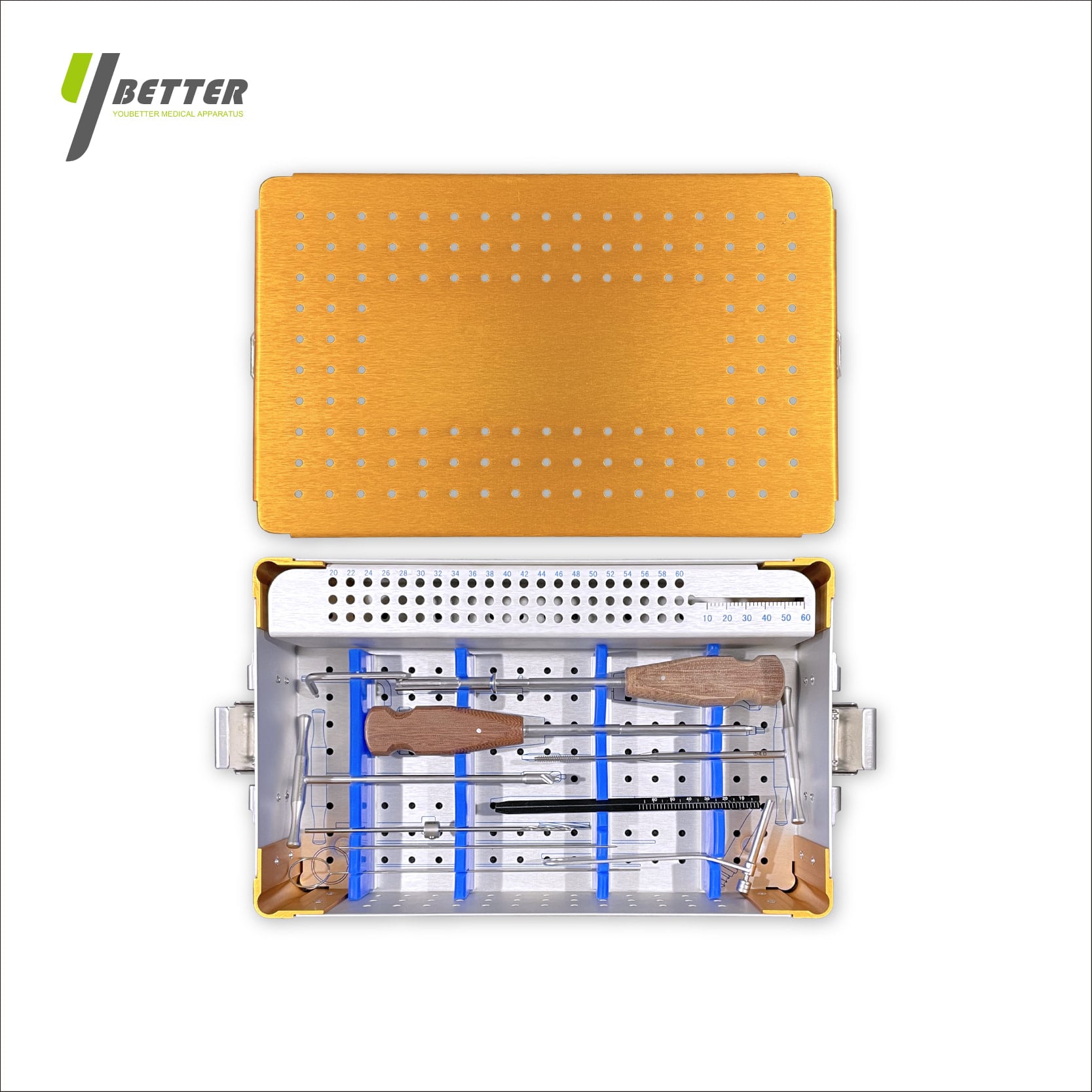
In practical terms, the cannulated screw works with a guidewire that establishes the intended trajectory through bone. Imaging can help the surgeon evaluate that trajectory before the screw is inserted, which is particularly useful when a fracture is small, deep, or near a joint. Understanding how this workflow improves control also clarifies its limits and the decisions involved in fracture fixation.
How the guidewire sequence supports accuracy
Planning the path before implant insertion
The central precision advantage of a cannulated screw is that the guidewire can be positioned before the implant follows. The surgeon can use anatomical landmarks and intraoperative imaging to assess whether the wire crosses the fracture in the desired direction. If its course is not appropriate, the wire may be adjusted before the cannulated screw is advanced, subject to the clinical situation and surgical judgment.
This staged approach separates trajectory planning from implant placement. With a cannulated screw, the wire acts as a physical reference that helps maintain the chosen path during insertion. That reference can reduce the need to estimate the direction repeatedly by eye, although it does not remove the need for careful exposure, imaging, and anatomical knowledge.
Checking position with imaging
Imaging lets the team review guidewire position in relevant views before final fixation. A cannulated screw can then follow the confirmed wire path, helping the surgeon control where the implant travels relative to the fracture and nearby structures. The value comes from combining the implant design with deliberate checks, rather than assuming that a wire is correctly placed without verification.
For a fracture close to a joint surface, even small directional differences can matter to the planned construct. The cannulated screw workflow gives the team an opportunity to assess alignment and depth while the guidewire is still serving as a visible reference. Image quality, positioning, and interpretation all influence how useful those checks are, so imaging remains an essential part of the process.
How controlled insertion affects fixation
Maintaining the planned trajectory
Once the wire position is accepted, the cannulated screw is advanced over it. The hollow center allows the screw to follow the wire, supporting continuity between the planned route and implant placement. This guided movement can make insertion more controlled than starting the screw without a pre-established path, but the surgeon must still manage the instrument and monitor progress.
A stable wire matters because movement during insertion may change the intended trajectory. The cannulated screw therefore works as part of a sequence: establish the route, confirm it, keep the reference stable, and advance the implant with appropriate control. Instrument compatibility and the selected screw dimensions also need to match the operative plan.
Managing depth and fracture compression
Precision includes depth as well as direction. A cannulated screw must be selected and inserted so its position suits the bone, fracture pattern, and intended fixation. The team assesses the required length and checks the implant position using appropriate methods, with care to avoid an unsuitable endpoint or interference with nearby anatomy.
Where the chosen construct is intended to provide compression, screw design and placement influence how the fracture surfaces are brought together. A cannulated screw does not automatically create an ideal reduction or guarantee compression; those outcomes depend on fracture preparation, reduction quality, implant choice, and technique. The guidewire helps control the route, while clinical judgment determines whether the fixation plan is appropriate.
Where precision gains matter and what limits them
Fracture patterns that benefit from guidance
A cannulated screw may be useful in selected fractures where a defined path and controlled placement are important. This can include cases in which the target is relatively small or access is constrained, and where the surgeon wants to verify the trajectory before inserting the implant. Suitability depends on the fracture configuration, bone quality, patient factors, and the treatment goals.
In image-guided procedures, the wire-first sequence can support incremental assessment during fixation. The surgeon can relate wire position to the fracture and surrounding anatomy, then decide whether to proceed or revise the plan. A cannulated screw is not a substitute for achieving reduction, and it may not suit every fracture or fixation strategy.
Technique, equipment, and safety considerations
Precision depends on the complete setup. The cannulated screw, guidewire, drill or other required instruments, and imaging workflow must be appropriate for the planned procedure. Teams should follow device instructions and established clinical protocols, confirm component compatibility, and inspect the operative field and instruments before use.
A misplaced guidewire can direct the cannulated screw along an unintended path, so confirmation should occur at the necessary stages. Surgeons also consider the risks of wire migration, repeated passes, and proximity to important structures. When evaluating an instrument set for a procedure, review whether it supports the required steps and implant system; product information is available for this cannulated screw instrument set.
Ultimately, a cannulated screw improves precision by making the planned trajectory easier to establish, inspect, and follow. It cannot independently ensure accurate reduction, stable fixation, or a good clinical outcome. Those depend on case selection, imaging, surgical expertise, suitable equipment, and ongoing assessment of the construct.
FAQ
How does a cannulated screw follow a guidewire?
A cannulated screw has a hollow central channel that fits over a guidewire. After the surgeon positions and checks the wire, the screw is advanced along it, using the wire as a trajectory reference. The wire does not replace imaging or careful control during insertion.
Does a cannulated screw guarantee more accurate fixation?
No. A cannulated screw can support controlled placement, but accuracy also depends on reduction, imaging, anatomy, implant selection, and technique. The surgeon must verify the guidewire and implant positions and determine whether the fixation is suitable for the specific fracture.
What should a surgical team consider before use?
The team should consider fracture pattern, bone quality, planned trajectory, screw dimensions, compatible instruments, and the imaging available. A cannulated screw should be used according to its instructions and applicable clinical protocols, with the final decision based on professional assessment of the case.