
 EN
EN
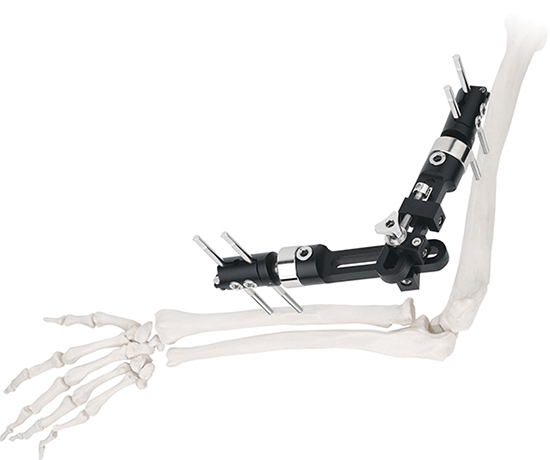
Patient comfort during orthopedic treatment remains a critical concern for healthcare providers and device manufacturers alike. An external fixator serves as a mechanical framework that stabilizes fractured bones and facilitates healing, yet its design directly influences how patients experience their recovery journey. The way an external fixator is engineered determines not only the stability it provides but also the level of discomfort, mobility restrictions, and psychological well-being patients experience throughout their treatment period. Understanding how external fixator design choices affect patient comfort is essential for selecting appropriate devices and optimizing clinical outcomes.
The relationship between external fixator configuration and patient comfort extends beyond simple pain reduction. Modern external fixator designs must balance mechanical efficacy with wearability, weight distribution, and integration into daily living. Patients wearing an external fixator for weeks or months face challenges including skin irritation at pin sites, restricted movement, hygiene concerns, and emotional adaptation. These factors collectively define the patient experience and significantly influence compliance with treatment protocols, rehabilitation timelines, and overall satisfaction with orthopedic care.
Frame Configuration and Load Distribution
Material Selection in External Fixator Design
The materials used in external fixator manufacturing directly impact comfort through weight, durability, and biocompatibility considerations. Titanium and carbon fiber composites have become preferred choices because they reduce overall frame weight while maintaining structural rigidity required for bone stabilization. A lighter external fixator reduces fatigue in affected limbs, lessens shoulder and back strain from supporting the device, and enables patients to maintain more natural movement patterns. Aluminum alloys, while cost-effective, often result in heavier frames that increase compensatory strain on unaffected body regions and accelerate patient fatigue.
Clamp Geometry and Pressure Distribution
How an external fixator's clamps and mounting points contact the limb dramatically affects localized comfort and skin integrity. Modern designs feature curved, contoured clamp surfaces that distribute pressure more evenly across tissue contact areas rather than concentrating force at sharp edges. This distributed pressure approach significantly reduces skin breakdown, pin site complications, and associated discomfort. Adjustable padding and anatomically shaped interfaces in contemporary external fixator systems allow clinicians to customize pressure distribution based on individual patient anatomy, further enhancing comfort during the healing period.
Pin Site Management and Skin Integration
Pin Geometry and Insertion Technique Integration
Pin site complications represent a primary source of discomfort in external fixator patients, and design innovations directly address this challenge. Self-tapping pins with improved thread geometry reduce traumatic tissue damage during insertion, thereby minimizing inflammation and post-insertion pain. Modern external fixator systems incorporate pins with optimized core diameters that balance tensioning requirements against tissue trauma. Smooth pin transitions between threaded and unthreaded sections reduce mechanical irritation at the bone-pin interface, lowering the inflammatory response and associated discomfort that patients experience throughout their treatment course.
Dressing and Accessibility Features
An external fixator's design must facilitate daily pin site care without causing additional trauma or discomfort. Frame configurations that allow clear access to all pin sites, adequate spacing between pins, and removable protective covers enable thorough hygiene maintenance while minimizing handling-related pain. Some advanced external fixator designs incorporate integrated drainage paths and antimicrobial surface treatments that reduce infection risk and associated soreness. Easy-access architecture in well-designed external fixator systems means patients spend less time managing pin sites and experience fewer complications, which directly translates to improved comfort and quality of life during recovery.
Mobility Enhancement and Psychological Comfort
Compact Frame Profiles and Movement Freedom
The external fixator's physical footprint significantly influences the range of motion available to patients and their ability to perform daily activities. Minimalist external fixator designs that reduce frame bulk allow greater joint mobility, enable patients to maintain more functional movement patterns, and reduce the psychological burden of visible, intrusive medical devices. Compact external fixator configurations permit patients to wear standard clothing more comfortably, navigate doorways without obstruction, and perform self-care activities with fewer complications. This enhanced functional capacity directly improves patient morale, reduces depression commonly associated with immobility, and supports better rehabilitation outcomes through increased voluntary movement.
Adjustability and Comfort Customization
Modern external fixator systems feature modular components and adjustable positioning that allow clinicians to fine-tune comfort parameters during treatment. Patients can often modify minor adjustments to reduce pressure points or accommodate swelling changes, giving them a sense of control and active participation in their comfort management. An external fixator with adequate adjustment range accommodates the normal tissue swelling that occurs post-injury and supports gradual pressure redistribution as inflammation resolves. This adaptive capability in contemporary external fixator designs reduces the need for device replacement or repositioning procedures, minimizing additional trauma and discomfort while maintaining proper fracture stabilization throughout the healing process.
FAQ
Does external fixator design influence infection rates?
Yes, external fixator design significantly influences infection risk through pin site architecture, material biocompatibility, and access design. Frames with optimal spacing between pins, smooth surfaces resistant to bacterial colonization, and configurations that facilitate thorough cleansing show lower infection rates. Reduced infections mean fewer complications, less discomfort, and shorter treatment duration, making design quality a critical comfort factor.
Can external fixator comfort be improved after device placement?
Many aspects of external fixator comfort can be optimized after placement through padding adjustments, pressure redistribution, and minor positioning changes. However, fundamental design limitations present at installation cannot be remedied later. Selecting an external fixator with excellent comfort engineering from the start prevents unnecessary suffering and avoids the need for device changes during treatment.
How does external fixator weight affect long-term patient outcomes?
Heavier external fixator designs increase muscle fatigue, reduce voluntary movement, and can delay rehabilitation progress by discouraging activity participation. Lightweight external fixator systems reduce compensatory strain on healthy limbs, enable more normal movement patterns, and support better long-term functional recovery. Patients wearing lighter-weight external fixator devices demonstrate improved compliance and faster return to normal activities following treatment completion.