
 EN
EN
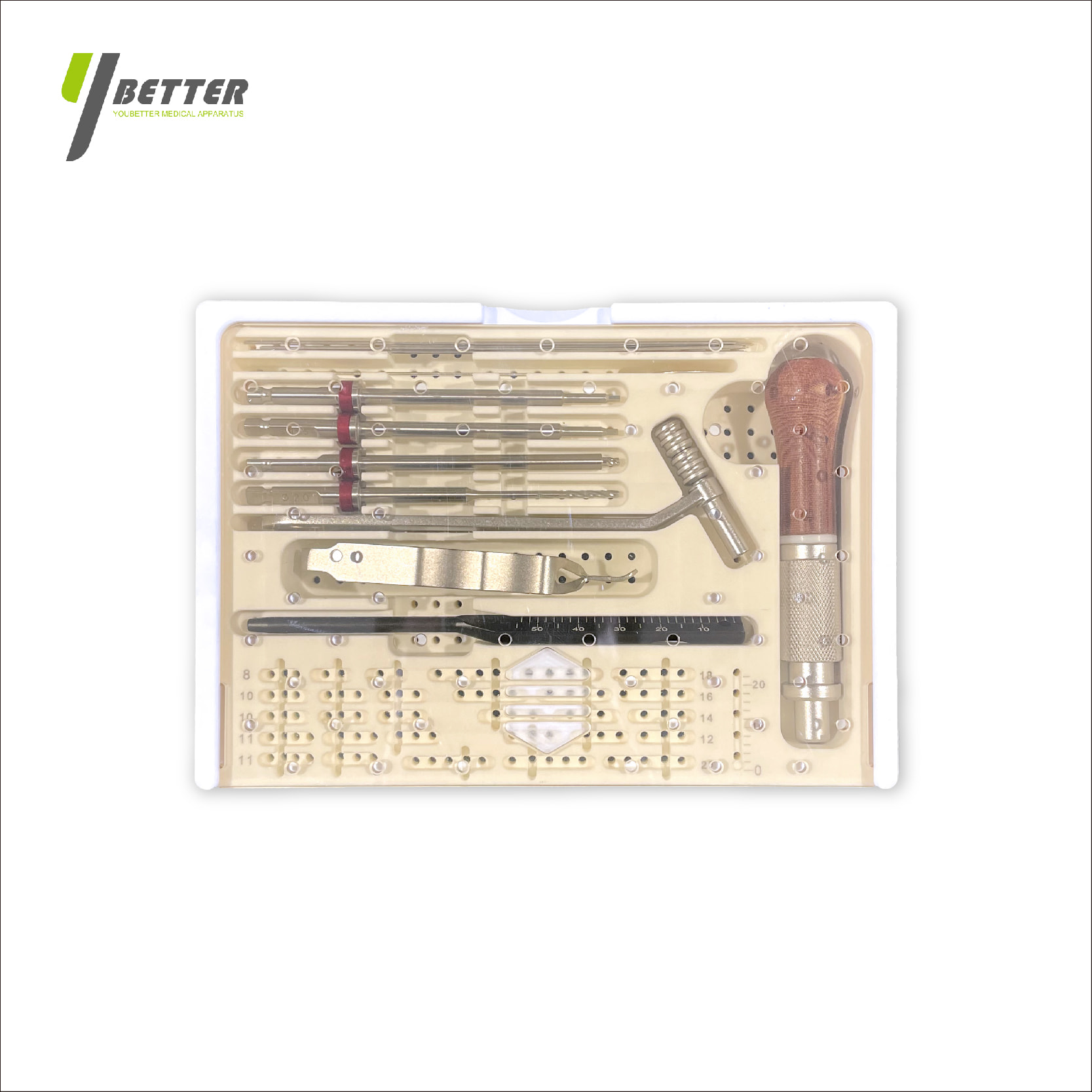
Achieving precise pedicle screw placement is one of the most critical skills in modern spinal surgery. When pedicle screw placement is performed accurately, it creates a stable fixation point that supports spinal fusion, corrects deformity, and reduces the risk of neurological injury. Surgeons who consistently optimize pedicle screw placement report better fusion rates, fewer revisions, and improved patient satisfaction. Understanding the full workflow behind safe and effective pedicle screw placement is therefore essential for any spine surgical team.
Optimizing pedicle screw placement requires attention to preoperative planning, intraoperative technique, and implant selection. Each stage of pedicle screw placement contributes to the final surgical outcome, and a weakness in any one area can compromise the entire construct. This article outlines a practical, evidence-informed approach to pedicle screw placement that helps surgical teams reduce misplacement rates, protect critical anatomy, and build durable spinal constructs that support long-term patient recovery.
Preoperative Planning for Pedicle Screw Placement
Imaging and Anatomical Assessment
Effective pedicle screw placement begins well before the patient enters the operating room. High-quality preoperative imaging, particularly CT scanning, is the foundation of safe pedicle screw placement because it reveals the exact dimensions, angulation, and cortical boundaries of each pedicle. Surgeons should measure pedicle width and height at each targeted level to select the correct screw diameter and length. Without this assessment, pedicle screw placement becomes a guesswork exercise that significantly elevates complication risk. Multiplanar CT reconstruction allows the surgical team to rehearse pedicle screw placement trajectories in a virtual environment before making any incision.
Surgical Planning and Screw Selection
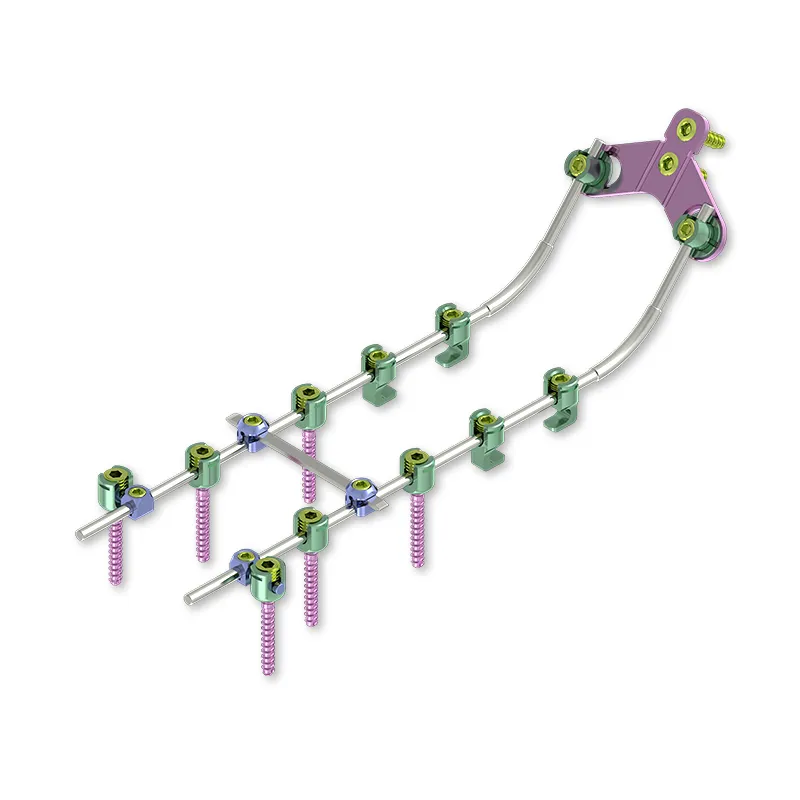
Selecting the appropriate implant is inseparable from planning pedicle screw placement. Reduction pedicle screws, for example, are specifically designed to facilitate deformity correction during pedicle screw placement in cases involving spondylolisthesis or spinal fracture reduction. The screw head height, tulip design, and polyaxial capability all influence how pedicle screw placement integrates with rod insertion. A thorough surgical plan should document the intended pedicle screw placement trajectory, the anticipated screw size, and any anatomical anomalies that may complicate the procedure. Detailed planning directly reduces intraoperative decision fatigue and improves the consistency of pedicle screw placement.
Intraoperative Technique for Pedicle Screw Placement
Entry Point Identification and Trajectory Control
Accurate intraoperative pedicle screw placement depends on correct entry point identification at each vertebral level. In the thoracic spine, pedicle screw placement typically begins at the junction of the transverse process and the superior articular process. In the lumbar spine, pedicle screw placement entry is commonly located at the intersection of a horizontal line through the middle of the transverse process and a vertical line along the lateral border of the superior articular process. Once the entry point is established, the surgeon advances a pedicle probe or awl along the intended trajectory while monitoring resistance. Tactile feedback during pedicle screw placement is a vital safety signal; a sudden loss of resistance may indicate pedicle wall breach.
Fluoroscopic and Navigation-Assisted Guidance
Image guidance has transformed pedicle screw placement by giving surgeons real-time feedback on screw trajectory and depth. Biplanar fluoroscopy allows continuous monitoring of pedicle screw placement in both the anteroposterior and lateral planes, helping surgeons detect medial or lateral deviation before it becomes a clinically significant breach. Intraoperative CT-based navigation further enhances pedicle screw placement accuracy, with studies consistently showing reduced misplacement rates compared to freehand techniques. For complex deformity cases where pedicle screw placement involves rotated or dysplastic pedicles, navigation is strongly recommended. Robotic-assisted pedicle screw placement platforms offer another layer of precision by executing pre-planned trajectories with submillimeter reproducibility. Regardless of the guidance method used, confirmation of pedicle screw placement position before final tightening remains a mandatory step in every procedure.
Post-Placement Verification and Construct Optimization
Intraoperative Confirmation Methods
Verifying pedicle screw placement before wound closure is a non-negotiable quality step. Intraoperative electromyography monitoring can detect medial pedicle wall breach during pedicle screw placement by measuring nerve root stimulation thresholds at each screw. If threshold values fall below accepted safety limits, the surgical team must reassess and reposition pedicle screw placement immediately. Intraoperative CT or fluoroscopic spin can provide a comprehensive three-dimensional overview of the entire pedicle screw placement construct, enabling detection of any outliers before closure. Addressing suboptimal pedicle screw placement at the time of surgery is far less costly than managing revision surgery later.
Construct Biomechanics and Load Distribution
Beyond individual screw accuracy, optimizing pedicle screw placement means considering the biomechanical performance of the whole construct. Even perfectly positioned pedicle screw placement can fail if the rod contour is inappropriate or if screw spacing creates stress concentration zones. Surgeons should ensure that pedicle screw placement at each level engages sufficient cortical bone, particularly at the proximal and distal anchors of the construct. In longer fusions, intermediate pedicle screw placement levels must balance rigidity and load sharing to prevent adjacent segment stress. Proper rod contouring relative to pedicle screw placement head positions reduces toggling forces and minimizes the risk of screw loosening over time. Revisiting pedicle screw placement strategy with a biomechanical mindset ultimately translates into more durable surgical outcomes.
FAQ
What factors most commonly cause inaccurate pedicle screw placement?
Inaccurate pedicle screw placement most often results from incorrect entry point selection, poor trajectory angulation, inadequate preoperative imaging, or anatomical variations such as pedicle dysplasia. Surgeon experience and the availability of intraoperative guidance tools also significantly influence pedicle screw placement accuracy. Using image navigation or fluoroscopy reduces misplacement rates compared to freehand pedicle screw placement alone.
How does a reduction pedicle screw differ from a standard screw in placement technique?
A reduction pedicle screw shares the same fundamental pedicle screw placement process as a standard screw, but its extended tulip head allows surgeons to progressively reduce a listhetic or fractured vertebra by applying reduction forces through the screw head after pedicle screw placement is complete. This makes reduction pedicle screw placement particularly valuable in spondylolisthesis and trauma cases where realignment must occur after initial fixation.
Can pedicle screw placement be revised if the initial position is suboptimal?
Yes, pedicle screw placement can be revised, and doing so intraoperatively is always preferable to a return to the operating room. When intraoperative monitoring or imaging reveals problematic pedicle screw placement, the screw can be removed, the trajectory reassessed, and pedicle screw placement repeated along a corrected path. In some cases, a larger diameter screw or a slightly different entry point resolves the pedicle screw placement issue without compromising fixation quality.