
 EN
EN
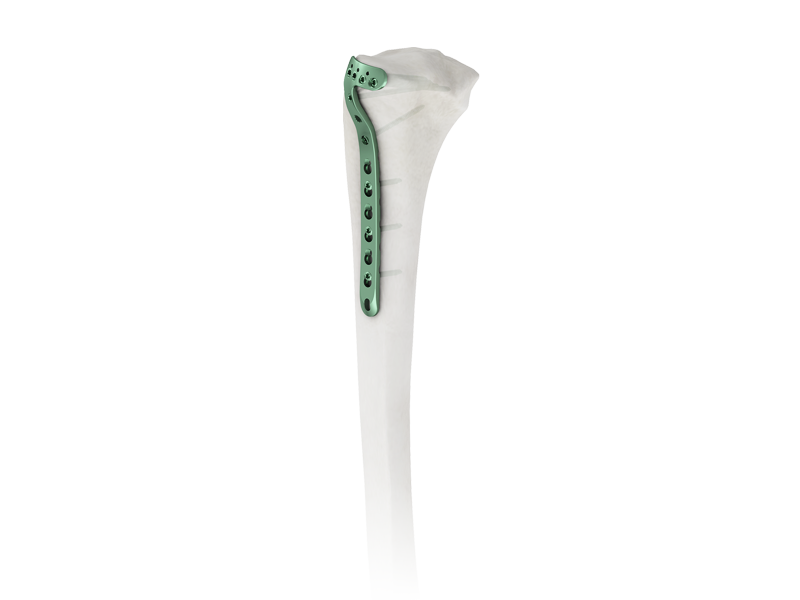
Modern medicine has witnessed remarkable advances in orthopedic surgery, particularly in the development of sophisticated trauma implant systems that restore function and mobility to patients with severe bone injuries. These precision-engineered medical devices represent the convergence of cutting-edge materials science, advanced manufacturing techniques, and deep understanding of human biomechanics. As the demand for effective trauma treatment continues to grow globally, the importance of precision engineering in developing reliable, biocompatible, and durable implant solutions becomes increasingly critical for surgical success and patient outcomes.
Evolution of Precision Engineering in Medical Implants
Historical Development and Manufacturing Breakthroughs
The journey of precision engineering in medical implants began in the mid-20th century when orthopedic surgeons recognized the need for standardized, reliable fixation devices. Early trauma implant systems were often crude and lacked the sophisticated design principles we see today. The introduction of computer-aided design and manufacturing revolutionized the field, enabling engineers to create implants with tolerances measured in microns rather than millimeters. This precision became essential as surgeons demanded more reliable outcomes and reduced complication rates in complex trauma cases.
Manufacturing processes such as CNC machining, additive manufacturing, and advanced surface treatments have transformed how trauma implants are produced. These technologies allow for the creation of complex geometries that would have been impossible to achieve with traditional manufacturing methods. The ability to produce implants with consistent quality and precise specifications has directly contributed to improved surgical outcomes and reduced revision rates across various trauma applications.
Material Science Innovations
The selection and engineering of materials for trauma implant systems has evolved dramatically over the past several decades. Titanium alloys, particularly Ti-6Al-4V, have become the gold standard for many applications due to their excellent biocompatibility, corrosion resistance, and mechanical properties that closely match those of human bone. Precision engineering extends beyond just the manufacturing process to include the molecular-level design of these materials, ensuring optimal integration with surrounding tissue.
Advanced surface treatments and coatings represent another frontier in precision engineering for trauma implants. Techniques such as plasma spraying, anodization, and nanotechnology-based surface modifications allow engineers to tailor the surface properties of implants for specific biological responses. These treatments can promote osseointegration, reduce bacterial adhesion, and enhance the long-term performance of the implant system.
Design Principles for Modern Trauma Implant Systems
Biomechanical Considerations
Precision engineering in trauma implant systems requires a deep understanding of human biomechanics and the complex loading conditions that implants must withstand. Engineers must consider factors such as stress distribution, fatigue resistance, and the dynamic nature of bone healing when designing these systems. Finite element analysis and computational modeling have become essential tools in this process, allowing designers to optimize implant geometry before physical prototyping begins.
The concept of elastic modulus matching has become increasingly important in modern implant design. When the stiffness of an implant differs significantly from that of surrounding bone, stress shielding can occur, leading to bone resorption and potential implant failure. Precision engineering enables the creation of implant structures with tailored mechanical properties that better match the natural biomechanics of the skeletal system.
Anatomical Adaptation and Customization
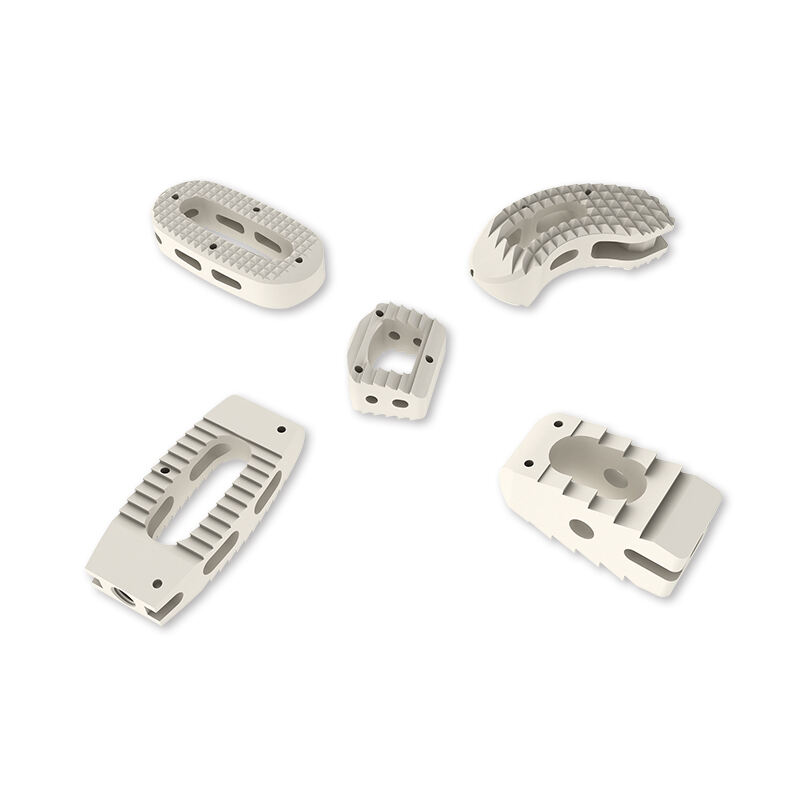
Contemporary trauma implant systems increasingly incorporate anatomical adaptation features that allow for better patient-specific fitting and improved surgical outcomes. This includes the development of plate systems with multiple hole configurations, variable angle locking screws, and modular components that can be assembled intraoperatively to match specific fracture patterns and patient anatomy.
Advanced imaging technologies and 3D printing capabilities now enable the production of patient-specific implants for complex trauma cases. This level of customization requires exceptional precision in both the imaging process and the manufacturing workflow, ensuring that the final implant matches the patient's anatomy with minimal margin for error. The integration of digital workflows from preoperative planning through final implant production represents a significant advancement in precision engineering applications.
Manufacturing Technologies and Quality Control
Advanced Manufacturing Processes
The production of trauma implant systems demands manufacturing processes capable of achieving extremely tight tolerances while maintaining consistent quality across large production volumes. Multi-axis CNC machining centers equipped with sophisticated tool management systems can produce complex implant geometries with dimensional accuracies of plus or minus 25 microns or better. This level of precision is essential for ensuring proper fit and function in critical applications such as locking plate systems and intramedullary nails.
Additive manufacturing technologies, including selective laser melting and electron beam melting, have opened new possibilities for creating trauma implant systems with internal structures and surface textures that were previously impossible to manufacture. These processes allow for the production of implants with controlled porosity, integrated fixation features, and complex internal cooling channels that can be incorporated during the manufacturing process rather than added as secondary operations.
Quality Assurance and Regulatory Compliance
Precision engineering in trauma implant systems extends far beyond the design and manufacturing phases to encompass comprehensive quality control and regulatory compliance procedures. Every aspect of the production process must be documented and validated to meet stringent regulatory requirements set forth by organizations such as the FDA and ISO standards bodies. This includes material traceability, dimensional verification, surface finish measurement, and mechanical testing protocols.
Non-destructive testing methods such as computed tomography scanning, ultrasonic inspection, and dye penetrant testing are routinely employed to detect potential defects that could compromise implant performance. The implementation of statistical process control methods ensures that manufacturing variations remain within acceptable limits, contributing to the overall reliability and safety of trauma implant systems used in clinical practice.
Clinical Applications and Surgical Considerations
Fracture Fixation Technologies
The application of precision engineering principles has led to significant improvements in fracture fixation technologies used in trauma surgery. Modern locking plate systems incorporate features such as variable angle locking screws, polyaxial locking mechanisms, and anatomically contoured profiles that allow surgeons to achieve optimal fixation while minimizing soft tissue disruption. These design refinements are only possible through careful attention to manufacturing precision and quality control processes.
Intramedullary nailing systems represent another area where precision engineering has made substantial contributions to clinical outcomes. The development of cannulated nails with multiple interlocking options, expandable designs, and specialized instrumentation requires exceptional manufacturing precision to ensure proper function and longevity. The ability to machine complex internal features while maintaining the structural integrity of the nail shaft demonstrates the advanced capabilities of modern precision manufacturing techniques.
Minimally Invasive Surgical Approaches
Precision engineering has enabled the development of trauma implant systems specifically designed for minimally invasive surgical approaches. These systems often feature reduced-profile designs, specialized insertion instrumentation, and innovative locking mechanisms that allow surgeons to achieve secure fixation through smaller incisions. The precision required in manufacturing these specialized instruments and implants is significantly higher than traditional open surgical systems due to the constraints imposed by minimal access approaches.
The integration of navigation and robotic technologies in trauma surgery places additional demands on the precision of implant systems and associated instrumentation. These advanced surgical techniques require implants and instruments with precisely defined reference features and tight geometric tolerances to ensure compatibility with computer-assisted surgical systems. The marriage of precision engineering with digital surgery represents the future direction of trauma implant development.
Future Trends and Technological Innovations
Smart Implant Technologies
The next generation of trauma implant systems is incorporating smart technologies that can monitor healing progress, detect complications, and even adapt their mechanical properties in response to physiological changes. These intelligent implants require precision engineering at the microscale to integrate sensors, wireless communication components, and power sources without compromising the structural integrity or biocompatibility of the device.
Biodegradable trauma implant systems represent another frontier where precision engineering plays a crucial role. The controlled degradation of these materials must be precisely engineered to match the timeline of bone healing while maintaining adequate mechanical support throughout the healing process. This requires sophisticated understanding of material science, manufacturing processes, and biological response mechanisms.
Artificial Intelligence and Design Optimization
Machine learning algorithms and artificial intelligence are beginning to influence the design and manufacturing of trauma implant systems. These technologies can analyze vast databases of clinical outcomes, imaging data, and biomechanical simulations to identify optimal design parameters for specific patient populations or fracture patterns. The implementation of AI-driven design optimization requires precision in data collection, model validation, and manufacturing execution to translate computational predictions into clinical reality.
Predictive maintenance and quality control systems powered by artificial intelligence are also being integrated into trauma implant manufacturing processes. These systems can detect subtle variations in manufacturing parameters that might indicate potential quality issues before they result in defective products. This proactive approach to quality management represents an evolution in precision engineering that could significantly improve the reliability and safety of trauma implant systems.
FAQ
What makes precision engineering essential for trauma implant systems?
Precision engineering is essential for trauma implant systems because it ensures consistent quality, proper fit, and reliable performance in critical medical applications. The tight tolerances achieved through precision manufacturing directly impact surgical outcomes, implant longevity, and patient safety. Even minor variations in dimensions or surface finish can affect the biocompatibility and mechanical performance of these life-critical devices.
How do manufacturing tolerances affect the clinical performance of trauma implants?
Manufacturing tolerances directly influence the clinical performance of trauma implants by affecting how well the implant interfaces with bone tissue and surgical instruments. Tight tolerances ensure proper fit between locking screws and plates, optimal stress distribution across fracture sites, and consistent mechanical properties that surgeons can rely upon during procedures. Poor tolerances can lead to implant loosening, mechanical failure, or suboptimal healing outcomes.
What role does material selection play in precision-engineered trauma implants?
Material selection is fundamental to precision-engineered trauma implants as it determines biocompatibility, mechanical properties, and long-term performance characteristics. Advanced materials like titanium alloys and specialized surface treatments must be precisely controlled during manufacturing to achieve desired properties such as osseointegration, corrosion resistance, and fatigue strength. The precision in material processing directly affects the clinical success of the implant system.
How are quality control measures implemented in trauma implant manufacturing?
Quality control in trauma implant manufacturing involves comprehensive testing protocols including dimensional verification, material composition analysis, mechanical testing, and surface finish measurement. Advanced inspection techniques such as coordinate measuring machines, computed tomography scanning, and statistical process control ensure that every implant meets strict specifications. These measures are essential for maintaining regulatory compliance and ensuring patient safety in clinical applications.
Table of Contents
- Evolution of Precision Engineering in Medical Implants
- Design Principles for Modern Trauma Implant Systems
- Manufacturing Technologies and Quality Control
- Clinical Applications and Surgical Considerations
- Future Trends and Technological Innovations
-
FAQ
- What makes precision engineering essential for trauma implant systems?
- How do manufacturing tolerances affect the clinical performance of trauma implants?
- What role does material selection play in precision-engineered trauma implants?
- How are quality control measures implemented in trauma implant manufacturing?