
 EN
EN
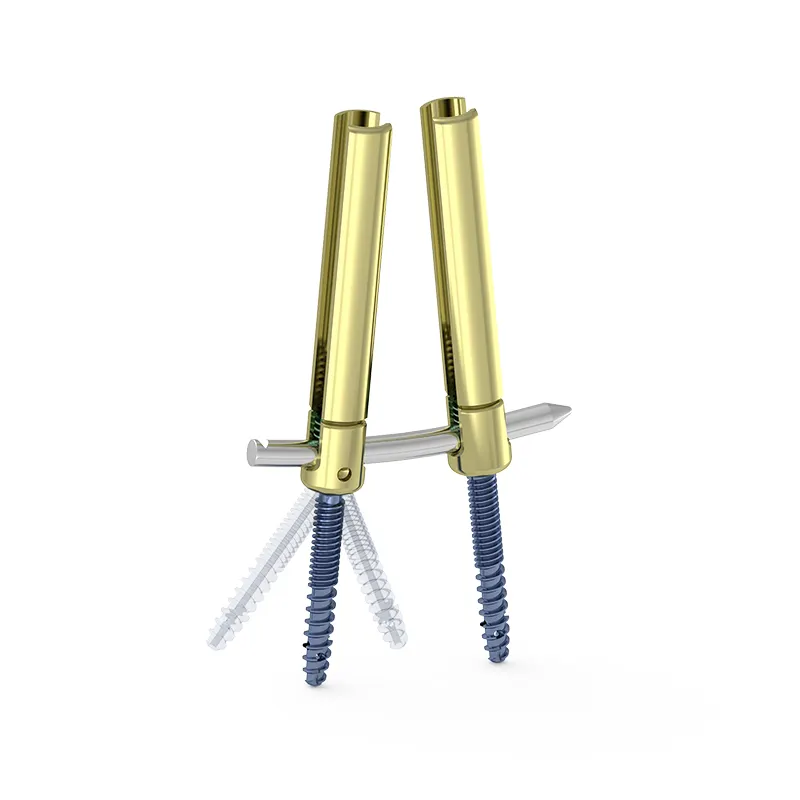
Surgical precision in orthopedic and trauma procedures depends heavily on the quality and type of instruments used, with bone drill bits serving as fundamental tools in modern surgical practice. These specialized instruments are designed to create precise holes in bone tissue for various medical applications, including fracture fixation, joint replacement, and reconstructive surgeries. Understanding the different types available and their specific applications is crucial for surgical teams to achieve optimal patient outcomes and maintain procedural efficiency.
The selection of appropriate drilling instruments directly impacts surgical success rates, healing times, and overall patient satisfaction. Modern medical facilities require comprehensive knowledge of available options to ensure they maintain the highest standards of care while optimizing their instrument inventory management and procurement strategies.
Standard Twist Drill Bits in Orthopedic Applications
Basic Design Characteristics
Standard twist drill bits represent the most commonly utilized category in orthopedic surgeries, featuring a helical flute design that efficiently removes bone debris during drilling operations. These instruments typically range from 1.0mm to 6.5mm in diameter, accommodating various screw sizes and surgical requirements. The spiral geometry creates effective chip evacuation while maintaining structural integrity during high-torque applications.
Manufacturing standards for these instruments require precise tolerances to ensure consistent performance across different bone densities and surgical scenarios. The cutting edges are specifically angled to minimize heat generation while maximizing cutting efficiency, which is essential for preserving surrounding bone tissue viability during procedures.
Material Composition and Durability
High-grade stainless steel construction forms the foundation of most standard twist drill bits, providing excellent corrosion resistance and sterilization compatibility. Advanced coating technologies, including titanium nitride and diamond-like carbon applications, enhance wear resistance and extend instrument lifespan significantly. These surface treatments also reduce friction coefficients, resulting in smoother drilling operations and decreased thermal buildup.
Quality control measures ensure each instrument meets stringent medical device regulations while maintaining consistent performance standards throughout multiple sterilization cycles. The manufacturing process involves precision grinding and quality inspection protocols that guarantee dimensional accuracy and cutting edge sharpness essential for optimal surgical outcomes.
Specialized Cannulated Drill Systems
Guided Drilling Technology
Cannulated drill bits feature a hollow center channel that allows insertion over guidewires, providing enhanced accuracy and control during complex surgical procedures. This design enables surgeons to pre-position drilling paths using fluoroscopic guidance, significantly reducing procedural complications and improving placement precision. The hollow construction maintains structural strength while facilitating precise navigation through anatomical structures.
These instruments are particularly valuable in minimally invasive procedures where direct visualization may be limited, allowing surgeons to maintain confidence in their drilling trajectory. The guidewire compatibility ensures reproducible results and reduces the learning curve associated with complex orthopedic interventions, making them essential tools in modern surgical practice.
Clinical Applications and Benefits
Trauma surgery applications frequently utilize cannulated systems for femoral neck fractures, tibial plateau repairs, and other challenging anatomical locations where precision is paramount. The ability to confirm positioning before committing to the final drilling operation reduces revision rates and improves overall surgical outcomes. Surgeons can make adjustments to trajectory and depth based on real-time imaging feedback.
Joint replacement procedures also benefit from cannulated drilling systems, particularly in acetabular preparation and component positioning scenarios. The enhanced control provided by these instruments contributes to improved implant integration and long-term stability, ultimately benefiting patient recovery and satisfaction rates.
Self-Tapping and Self-Drilling Screw Systems
Integrated Drilling and Threading
Self-tapping bone drill bits combine drilling and threading operations into a single instrument, streamlining surgical workflows and reducing procedure times significantly. These specialized tools feature cutting flutes that create the pilot hole while simultaneously forming threads for screw insertion. The integrated design eliminates the need for separate drilling and tapping operations, reducing surgical complexity and instrumentation requirements.
Advanced geometries in self-tapping designs optimize bone engagement while minimizing tissue trauma and thermal generation. The cutting edges are precisely engineered to match specific screw thread patterns, ensuring optimal mechanical fixation strength and reducing the risk of screw loosening or failure over time.
Efficiency and Workflow Optimization
Surgical efficiency gains from self-tapping systems include reduced operative time, decreased instrument exchanges, and simplified procedural protocols. These benefits translate to improved operating room utilization, reduced anesthesia exposure for patients, and enhanced surgeon workflow management. The streamlined approach also reduces the potential for procedural errors associated with multiple instrument changes.
Cost-effectiveness considerations favor self-tapping systems in high-volume surgical practices, where the reduction in procedural time and instrument complexity provides measurable economic benefits. The simplified inventory management and reduced sterilization requirements further contribute to overall operational efficiency improvements.
Step Drill Bits for Progressive Enlargement
Graduated Diameter Design
Step drill bits feature multiple diameter sections along their length, allowing progressive hole enlargement without requiring multiple separate instruments. This design is particularly beneficial when creating holes for larger diameter screws or implants while maintaining precise control over the drilling process. Each step is carefully dimensioned to provide optimal cutting performance while preventing excessive force application.
The graduated approach reduces stress concentration in bone tissue by allowing gradual material removal rather than aggressive single-pass drilling. This technique is especially important in osteoporotic bone where excessive forces can cause fractures or unwanted bone damage that compromises fixation strength.
Applications in Complex Procedures
Spinal surgery applications frequently employ step drill bits for pedicle screw insertion, where precise diameter control is essential for maintaining cortical integrity while achieving adequate purchase. The ability to incrementally enlarge holes allows surgeons to adapt to individual anatomical variations and bone quality differences encountered during procedures.
Large fragment fixation scenarios also benefit from step drilling techniques, particularly in long bone applications where screw diameter optimization is crucial for mechanical stability. The controlled enlargement process reduces the risk of cortical breakthrough while ensuring adequate thread engagement for optimal fixation strength.
Specialized Drill Bits for Specific Anatomical Regions
Cranial and Maxillofacial Applications
Neurosurgical and maxillofacial procedures require specialized bone drill bits designed specifically for thin cortical bone and proximity to critical structures. These instruments feature modified cutting geometries that prevent sudden breakthrough and minimize heat generation in sensitive anatomical areas. The design considerations include reduced cutting aggression and enhanced tactile feedback for surgeons.
Safety features in cranial drilling systems include depth stops and controlled penetration mechanisms that prevent inadvertent damage to underlying soft tissues. These protective measures are essential when working near neural structures, blood vessels, or other critical anatomical elements that could be compromised by excessive drilling depth or lateral deviation.
Pediatric Considerations
Pediatric orthopedic applications require specially designed instruments that accommodate the unique properties of growing bone tissue. These specialized drill bits feature modified cutting angles and reduced cutting forces appropriate for softer, more vascular bone encountered in pediatric patients. The instruments must balance cutting efficiency with tissue preservation to avoid growth plate damage or excessive thermal injury.
Size limitations in pediatric applications necessitate comprehensive instrument sets that include smaller diameter options while maintaining structural integrity and cutting performance. The reduced bone density in pediatric patients requires careful consideration of drilling parameters to prevent complications such as cortical blow-out or inadequate fixation strength.
Maintenance and Sterilization Protocols
Instrument Care Standards
Proper maintenance protocols for bone drill bits are essential for ensuring consistent performance and patient safety throughout their operational lifespan. Regular inspection procedures should include cutting edge examination, dimensional verification, and structural integrity assessment to identify wear patterns or damage that could compromise surgical outcomes. These inspections must be documented and tracked to maintain quality assurance standards.
Sterilization compatibility requires careful consideration of material properties and surface treatments to prevent degradation or performance loss over multiple processing cycles. Steam sterilization parameters must be validated for each instrument type to ensure effective microbial elimination while preserving metallurgical properties essential for surgical performance.
Replacement Criteria and Lifecycle Management
Establishing clear replacement criteria helps maintain surgical quality while optimizing inventory costs and instrument availability. Cutting edge wear, dimensional changes, and surface integrity assessments should be incorporated into regular maintenance schedules to identify instruments requiring retirement or refurbishment. These protocols ensure consistent surgical performance and reduce the risk of instrument failure during critical procedures.
Lifecycle tracking systems enable predictive maintenance scheduling and informed procurement decisions based on actual usage patterns and performance degradation data. This approach optimizes inventory investment while ensuring adequate instrument availability for scheduled surgical procedures and emergency cases.
FAQ
What factors determine the appropriate drill bit size for orthopedic procedures
The selection of appropriate drill bit size depends on several critical factors including the intended screw diameter, bone density characteristics, anatomical location, and specific fixation requirements. Generally, the drill bit diameter should be approximately 80-90% of the screw core diameter to ensure optimal thread engagement while avoiding excessive bone removal. Bone quality assessment through preoperative imaging or intraoperative evaluation helps determine whether standard sizing protocols require modification for individual patient conditions.
How do self-tapping drill bits differ from conventional drilling systems
Self-tapping drill bits combine the drilling and threading operations into a single instrument, eliminating the need for separate tap procedures while reducing surgical time and complexity. These specialized tools feature integrated cutting flutes and threading geometry that simultaneously create the pilot hole and form threads for screw insertion. Conventional systems require sequential drilling followed by separate tapping operations, which increases procedural steps but may provide greater control over thread formation in challenging bone conditions.
What are the key considerations for drill bit selection in osteoporotic bone
Osteoporotic bone requires modified drilling techniques and specialized instrument selection to prevent complications such as cortical breakthrough or inadequate fixation strength. Reduced cutting aggression, lower drilling speeds, and enhanced tactile feedback become essential for safe navigation through compromised bone tissue. Step drill bits or progressive enlargement techniques help distribute forces more evenly while maintaining cortical integrity, and surgeons may need to consider alternative fixation strategies or augmentation techniques to achieve adequate mechanical stability.
How should healthcare facilities evaluate bone drill bit quality and performance
Quality evaluation should encompass multiple criteria including cutting performance consistency, durability under repeated sterilization cycles, dimensional accuracy maintenance, and compliance with relevant medical device standards. Regular performance assessments through surgeon feedback, maintenance records analysis, and comparative evaluations with alternative products help establish objective quality metrics. Additionally, tracking surgical outcomes, complication rates, and procedural efficiency can provide valuable insights into instrument performance and guide future procurement decisions for optimal patient care delivery.
Table of Contents
- Standard Twist Drill Bits in Orthopedic Applications
- Specialized Cannulated Drill Systems
- Self-Tapping and Self-Drilling Screw Systems
- Step Drill Bits for Progressive Enlargement
- Specialized Drill Bits for Specific Anatomical Regions
- Maintenance and Sterilization Protocols
-
FAQ
- What factors determine the appropriate drill bit size for orthopedic procedures
- How do self-tapping drill bits differ from conventional drilling systems
- What are the key considerations for drill bit selection in osteoporotic bone
- How should healthcare facilities evaluate bone drill bit quality and performance