
 EN
EN
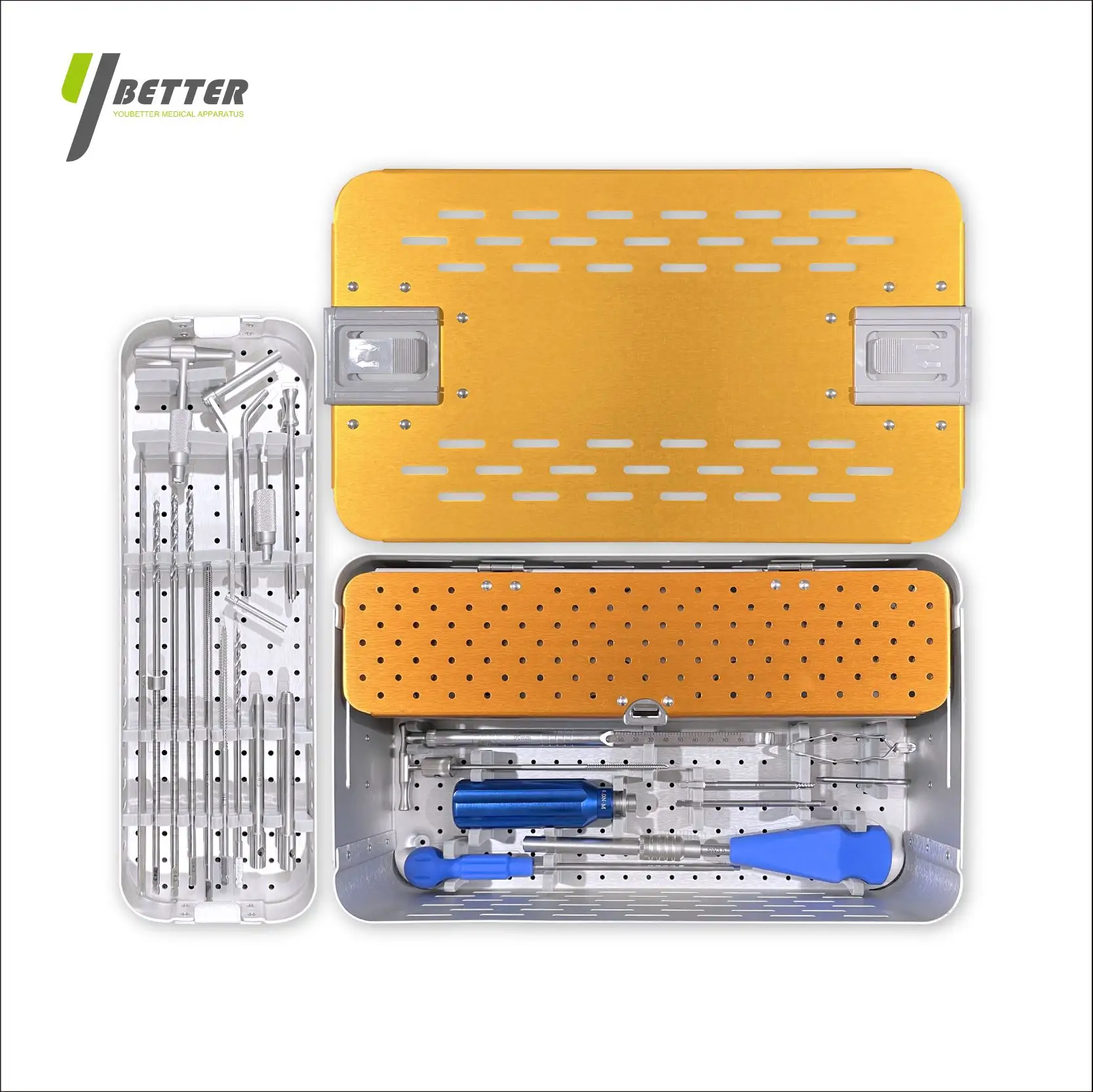
In the realm of orthopedic surgery and trauma care, surgeons face critical decisions when choosing between external fixation and internal fixation methods for bone stabilization. External fixation represents a fundamental approach to fracture management that offers distinct advantages over internal methods, particularly in complex trauma scenarios, contaminated wounds, and cases requiring staged surgical interventions. This comprehensive analysis explores the multifaceted benefits that make external fixation an invaluable tool in modern orthopedic practice, examining its applications across various clinical scenarios and patient populations.
Immediate Stabilization and Emergency Applications
Rapid Deployment in Trauma Settings
External fixation systems provide unparalleled advantages in emergency trauma situations where immediate bone stabilization is crucial for patient survival and limb preservation. Unlike internal fixation methods that require extensive surgical exposure and prolonged operative times, external fixation can be rapidly applied with minimal soft tissue disruption. This speed of application proves particularly valuable in polytrauma patients who cannot tolerate lengthy surgical procedures or in cases where damage control orthopedics principles guide treatment decisions.
The ability to achieve immediate mechanical stability through external fixation allows trauma surgeons to address life-threatening injuries while simultaneously providing adequate fracture stabilization. This dual benefit significantly improves patient outcomes in critical care scenarios, where time constraints and physiological instability limit surgical options. Emergency departments and trauma centers worldwide rely on external fixation as a first-line treatment modality for unstable fractures requiring immediate intervention.
Damage Control Strategies
Modern trauma care emphasizes damage control strategies that prioritize physiological stabilization over definitive fixation in critically injured patients. External fixation aligns perfectly with this philosophy by providing temporary yet effective fracture stabilization while allowing patients to recover from shock, hypothermia, and coagulopathy. This staged approach to fracture management has revolutionized trauma care, reducing mortality rates and improving functional outcomes in severely injured patients.
The reversible nature of external fixation makes it an ideal temporizing measure that can be converted to internal fixation once patient conditions improve. This flexibility in treatment planning allows surgeons to make optimal decisions based on evolving clinical circumstances rather than being locked into irreversible fixation strategies during the initial trauma response phase.
Management of Contaminated and Infected Fractures
Infection Prevention and Control
One of the most significant advantages of external fixation lies in its superior performance in contaminated wound environments where internal hardware placement carries prohibitive infection risks. Open fractures with extensive soft tissue contamination, farmyard injuries, and combat-related trauma often present with bacterial loads that make internal fixation inadvisable. External fixation systems maintain fracture stability while allowing unrestricted access to wound sites for debridement, irrigation, and antimicrobial therapy.
The extramedullary positioning of external fixation hardware minimizes the risk of deep bone infection that can complicate internal fixation devices. This positioning advantage becomes particularly important in Grade III open fractures where infection rates with internal fixation can exceed 20%, while external fixation maintains infection rates below 5% in similar injury patterns. The ability to maintain sterile pin sites while managing contaminated fracture zones represents a critical advantage in complex trauma scenarios.
Osteomyelitis Treatment Applications
Chronic osteomyelitis presents unique challenges that favor external fixation over internal methods due to the infected bone environment and need for prolonged antimicrobial therapy. External fixation systems facilitate aggressive debridement procedures while maintaining skeletal stability, allowing surgeons to remove infected bone segments without compromising fracture alignment. This capability proves essential in staged reconstruction procedures where bone grafting and soft tissue coverage require multiple surgical interventions.
The modular design of modern external fixation systems accommodates the dynamic nature of infection treatment, allowing for frame modifications as treatment progresses. Surgeons can adjust fixation parameters, add or remove pins, and modify construct configurations without removing the entire system, providing unmatched flexibility in managing complex infections that may require months of treatment.
Soft Tissue Considerations and Wound Management
Preservation of Soft Tissue Vascularity
External fixation techniques excel in preserving soft tissue vascularity by avoiding extensive surgical dissection required for internal hardware placement. This vascular preservation proves crucial in cases with compromised soft tissue envelope, where additional surgical trauma could precipitate tissue necrosis or compromise healing potential. The minimally invasive nature of pin placement maintains the delicate balance between fracture stabilization and soft tissue viability.
Patients with peripheral vascular disease, diabetes, or previous radiation therapy benefit significantly from external fixation approaches that minimize soft tissue manipulation. These patient populations demonstrate improved healing rates and reduced complication risks when external fixation methods are employed compared to internal fixation techniques that require extensive soft tissue mobilization and hardware implantation through potentially compromised tissues.
Complex Wound Reconstruction Compatibility
The compatibility of external fixation with complex wound reconstruction procedures represents another significant advantage over internal methods. Plastic surgeons can perform flap coverage, skin grafting, and tissue transfer procedures without interference from internal hardware, allowing for optimal soft tissue reconstruction strategies. This compatibility becomes particularly important in severe open fractures where fracture fixation and soft tissue coverage must proceed simultaneously or in staged fashion.
External fixation frames can be strategically positioned to accommodate anticipated reconstruction procedures, with pin placement planned to avoid interference with flap harvest sites or tissue transfer pathways. This forward-thinking approach to treatment planning optimizes both fracture healing and soft tissue reconstruction outcomes, providing superior results compared to internal fixation methods that may complicate subsequent reconstructive efforts.
Pediatric Applications and Growth Considerations
Growth Plate Protection
Pediatric fracture management presents unique challenges related to growth plate preservation and the potential for internal hardware to interfere with normal bone development. External fixation offers significant advantages in treating pediatric fractures by avoiding implant placement across growth plates and minimizing the risk of growth disturbances that can complicate internal fixation methods. This growth-preserving approach proves particularly valuable in metaphyseal and epiphyseal fractures where internal hardware placement carries substantial developmental risks.
The temporary nature of external fixation allows for fracture healing without permanent implant retention, eliminating concerns about hardware-related growth complications that may not manifest until years after initial treatment. This advantage becomes particularly important in young children where many years of growth remain, making long-term implant retention problematic from both mechanical and biological perspectives.
Adaptability to Pediatric Anatomy
Modern external fixation systems demonstrate remarkable adaptability to pediatric anatomy, with specialized components designed specifically for smaller bone sizes and unique pediatric fracture patterns. The modular nature of these systems allows for construct modifications as children grow, accommodating the dynamic nature of pediatric skeletal development while maintaining fracture stability throughout the healing process.
The psychological advantages of external fixation in pediatric populations should not be overlooked, as children often adapt well to external frames and can participate actively in their care through pin site maintenance and activity modification. This patient engagement contrasts favorably with internal fixation methods that provide no visible indication of healing progress and may create anxiety about hidden hardware complications.
Biomechanical Advantages and Construct Flexibility
Load Sharing and Gradual Loading
External fixation systems provide superior biomechanical advantages through their ability to implement gradual loading protocols that promote optimal fracture healing. The adjustable nature of external fixation constructs allows surgeons to modify load transmission characteristics as healing progresses, transitioning from rigid stabilization to increasing load sharing that stimulates bone formation and remodeling. This dynamic loading capability surpasses static internal fixation methods that cannot be adjusted after implantation.
The load-sharing characteristics of external fixation promote callus formation through controlled micromotion that stimulates bone healing pathways. This controlled motion environment contrasts with rigid internal fixation that may suppress callus formation and delay union in certain fracture types. Research demonstrates superior healing rates in specific fracture patterns when external fixation load-sharing protocols are appropriately implemented.
Multiplanar Stability and Correction Capabilities
Advanced external fixation systems provide multiplanar stability and correction capabilities that exceed those available with most internal fixation methods. The ability to address length, angulation, rotation, and translation simultaneously through frame adjustments offers treatment options unavailable with static internal hardware. This multidimensional control proves particularly valuable in complex fractures with significant displacement or in cases requiring gradual correction of deformities.
The correction capabilities of modern external fixation systems enable treatment of conditions that would be extremely challenging with internal methods, including bone transport procedures, gradual deformity correction, and limb lengthening applications. These specialized applications demonstrate the unique capabilities that distinguish external fixation from conventional internal fixation approaches.
Economic and Healthcare System Benefits
Cost-Effectiveness Analysis
Economic analysis reveals significant cost advantages associated with external fixation in many clinical scenarios, particularly when considering total episode costs rather than isolated implant expenses. The reduced operative time requirements, decreased anesthesia needs, and lower infection rates associated with external fixation contribute to overall cost savings that benefit both healthcare systems and patients. These economic advantages become particularly pronounced in resource-limited settings where expensive internal implants may not be readily available.
The reusable nature of external fixation components provides additional economic benefits compared to single-use internal implants, allowing healthcare facilities to amortize equipment costs across multiple patients. This reusability factor proves especially valuable in developing healthcare systems where implant costs represent significant financial barriers to optimal fracture care.
Resource Utilization Optimization
External fixation methods optimize healthcare resource utilization through reduced operative times, decreased surgical complexity, and lower requirements for specialized instrumentation compared to internal fixation procedures. These efficiency gains translate to increased surgical throughput and improved access to fracture care, particularly important considerations in busy trauma centers and resource-constrained environments.
The simplified surgical technique requirements for external fixation application make it accessible to a broader range of surgical practitioners, improving fracture care availability in settings where specialized orthopedic expertise may be limited. This accessibility advantage ensures that appropriate fracture stabilization can be provided even when ideal internal fixation resources are unavailable.
Patient Quality of Life and Functional Outcomes
Early Mobilization Benefits
External fixation facilitates early patient mobilization and functional rehabilitation that may be restricted with certain internal fixation methods. The stability provided by external frames often allows for earlier weight-bearing and range of motion exercises, promoting faster functional recovery and reducing complications associated with prolonged immobilization. This early mobilization advantage proves particularly important in elderly patients where prolonged bed rest carries significant morbidity and mortality risks.
The visible nature of external fixation provides patients with tangible evidence of fracture healing progress, which can improve compliance with treatment protocols and provide psychological benefits during the recovery process. This transparency contrasts with internal fixation where healing progress remains hidden from patient view, potentially creating anxiety and uncertainty about treatment success.
Long-term Functional Preservation
Long-term functional outcomes following external fixation often match or exceed those achieved with internal fixation methods, particularly in complex trauma scenarios where soft tissue preservation and infection avoidance are paramount. The temporary nature of external fixation eliminates long-term hardware-related complications that can affect quality of life years after initial treatment, including implant failure, loosening, and the need for hardware removal procedures.
Studies demonstrate equivalent or superior functional scores in patients treated with external fixation compared to internal methods for specific fracture types, particularly when considering complication rates and the need for secondary procedures. These outcomes support the use of external fixation as a definitive treatment method rather than merely a temporary solution in appropriately selected cases.
FAQ
How does external fixation compare to internal fixation in terms of infection risk?
External fixation significantly reduces infection risk compared to internal fixation methods, particularly in contaminated wounds and open fractures. While internal hardware creates a foreign body deep within tissues that can harbor bacteria and resist antibiotic penetration, external fixation keeps hardware outside the fracture zone where pin sites can be monitored and maintained. Infection rates with external fixation typically remain below 5% even in high-risk scenarios, compared to infection rates that can exceed 20% with internal fixation in similar conditions.
Can external fixation provide the same stability as internal fixation methods?
Modern external fixation systems provide equivalent or superior stability compared to internal fixation methods, with the added advantage of adjustability throughout the treatment period. The biomechanical properties of well-designed external fixation constructs can match those of internal hardware while offering the ability to modify load transmission characteristics as healing progresses. This dynamic stability capability actually surpasses static internal implants in promoting optimal fracture healing through controlled load sharing and micromotion.
What are the main disadvantages of external fixation that patients should consider?
The primary disadvantages of external fixation include the visible nature of the hardware, which some patients find cosmetically unacceptable, and the need for daily pin site care to prevent infection. Patients must also adapt to sleeping and daily activities with external frames, which can be initially challenging. However, these temporary inconveniences are often outweighed by the clinical benefits, particularly in complex cases where external fixation provides safer and more effective treatment than internal alternatives.
How long does external fixation typically remain in place compared to internal hardware?
External fixation is typically maintained for 8-16 weeks depending on fracture healing progress, after which the hardware is completely removed without additional surgery. In contrast, internal hardware often remains permanently implanted or requires a separate surgical procedure for removal, particularly in young patients where long-term implant retention may be problematic. The temporary nature of external fixation eliminates long-term hardware-related complications and provides definitive treatment closure once fracture healing is complete.
Table of Contents
- Immediate Stabilization and Emergency Applications
- Management of Contaminated and Infected Fractures
- Soft Tissue Considerations and Wound Management
- Pediatric Applications and Growth Considerations
- Biomechanical Advantages and Construct Flexibility
- Economic and Healthcare System Benefits
- Patient Quality of Life and Functional Outcomes
-
FAQ
- How does external fixation compare to internal fixation in terms of infection risk?
- Can external fixation provide the same stability as internal fixation methods?
- What are the main disadvantages of external fixation that patients should consider?
- How long does external fixation typically remain in place compared to internal hardware?