
 EN
EN
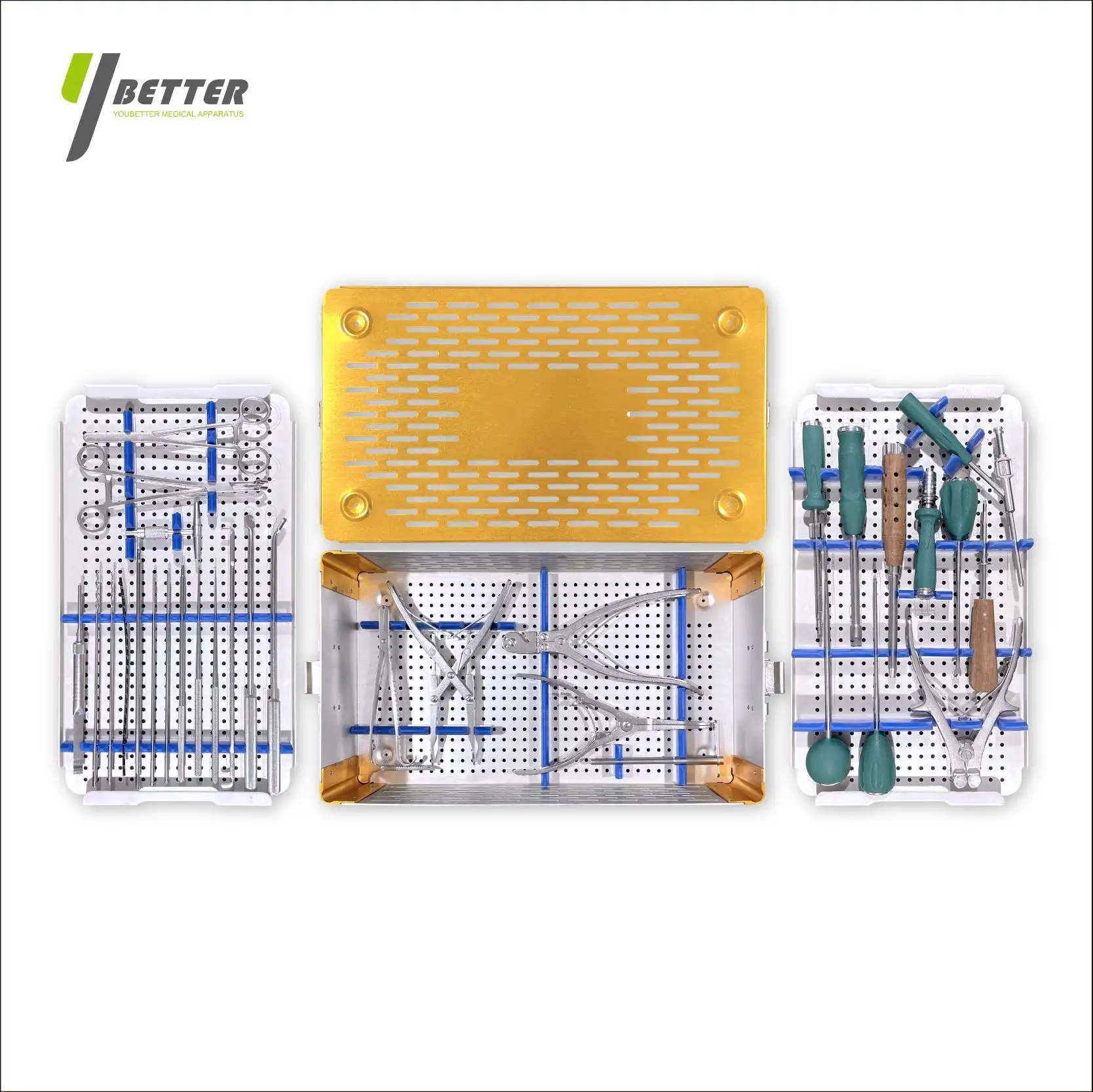
External fixation represents a critical orthopedic treatment method that provides stability and healing for complex bone injuries through the use of pins, wires, and external frames. This surgical technique has revolutionized trauma surgery by offering surgeons a versatile tool to manage fractures that would otherwise be difficult to treat with traditional internal fixation methods. The decision to implement external fixation depends on various factors including fracture complexity, soft tissue damage, patient condition, and the specific anatomical location of the injury. Understanding which injuries benefit most from this approach helps both medical professionals and patients make informed treatment decisions.
Complex Fractures Requiring External Stabilization
High-Energy Trauma Fractures
High-energy trauma incidents such as motor vehicle accidents, falls from significant heights, and industrial accidents often result in severe bone fractures that require immediate external fixation. These injuries typically involve multiple bone fragments, extensive soft tissue damage, and compromised blood supply to the affected area. The external fixation system provides immediate stability while allowing for staged treatment approaches that address both skeletal and soft tissue components of the injury. Emergency departments frequently utilize external fixation as a damage control procedure to stabilize patients before definitive surgical intervention can be performed.
The advantage of external fixation in high-energy trauma lies in its ability to provide rapid stabilization without further compromising damaged soft tissues. Unlike internal fixation methods that require extensive surgical exposure, external fixation can be applied with minimal additional tissue disruption. This characteristic makes it particularly valuable in polytrauma patients where multiple injuries require simultaneous management and surgical time must be minimized to reduce overall patient risk.
Comminuted and Segmental Fractures
Comminuted fractures, characterized by multiple bone fragments, present unique challenges that make external fixation an optimal treatment choice. When bone is shattered into numerous pieces, traditional internal fixation methods may not provide adequate stability or may require extensive hardware that could interfere with bone healing. External fixation systems can bridge these complex fracture patterns while maintaining proper alignment and length of the affected bone segment.
Segmental fractures, where a bone is broken in two or more places creating a floating segment, particularly benefit from external fixation techniques. The external frame can maintain the overall length and alignment of the bone while allowing individual fracture sites to heal independently. This approach is especially important in long bones such as the tibia and femur, where maintaining proper length and rotation is crucial for functional recovery.
Open Fractures and Contaminated Wounds
Gustilo-Anderson Classification Considerations
The Gustilo-Anderson classification system helps determine when external fixation is most appropriate for open fractures. Type I open fractures with minimal soft tissue damage may be suitable for internal fixation, while Type II and Type III fractures often require external fixation due to significant soft tissue involvement. Type III fractures, particularly those with extensive contamination, vascular injury, or massive soft tissue loss, almost universally benefit from external fixation approaches that allow for easier wound management and staged reconstruction.
The contamination level in open fractures significantly influences the choice of fixation method. External fixation eliminates the need to place foreign materials such as plates and screws directly into potentially infected tissue. This approach reduces the risk of deep infections that could lead to osteomyelitis and chronic bone infections. The external hardware can be easily removed or modified without additional surgical procedures if complications arise.
Infected Nonunions and Osteomyelitis
Chronic bone infections present complex treatment challenges where external fixation serves both stabilization and treatment functions. When internal hardware becomes infected, removal is often necessary, leaving the bone unstable and requiring external support during the infection treatment process. External fixation systems can maintain bone alignment while allowing aggressive debridement and antibiotic therapy to address the underlying infection.
The treatment of infected nonunions often requires multiple surgical procedures including debridement, bone grafting, and staged reconstruction. External fixation provides stable support throughout this extended treatment process while allowing surgical access to the infection site. Additionally, some external fixation systems can be dynamized to promote bone healing through controlled micromotion at the fracture site.
Pediatric Fracture Applications
Growth Plate Considerations
Pediatric fractures involving growth plates require special consideration when selecting fixation methods. External fixation offers significant advantages in these cases because pins can often be placed away from the growth plate, minimizing the risk of growth disturbances. This is particularly important in physeal injuries where damage to the growth plate could result in limb length discrepancies or angular deformities as the child continues to grow.
The versatility of external fixation systems allows for adjustment as healing progresses and as the child grows. Unlike internal fixation hardware that may require removal or replacement as the bone grows, external fixation can be modified or removed without additional surgical trauma to the growing bone. This adaptability makes external fixation an excellent choice for complex pediatric fractures that require prolonged stabilization.
Supracondylar Humeral Fractures
Supracondylar humeral fractures represent the most common elbow injury in children and may require external fixation in severe cases with significant displacement or instability. When closed reduction cannot be maintained or when there is concern about vascular compromise, external fixation provides stable reduction while allowing for monitoring of the neurovascular status. The external frame can maintain reduction without the need for extensive internal hardware that might interfere with the developing elbow joint.
The ability to perform adjustments to the external fixation system allows surgeons to fine-tune the reduction as swelling subsides and healing progresses. This dynamic capability is particularly valuable in pediatric patients where small adjustments can have significant impacts on final functional outcomes. The external hardware can be easily removed in the office setting once healing is complete, eliminating the need for additional surgical procedures.
Limb Lengthening and Deformity Correction
Distraction Osteogenesis Principles
External fixation plays a fundamental role in limb lengthening procedures through the process of distraction osteogenesis. This technique involves creating a controlled osteotomy and gradually separating the bone ends to stimulate new bone formation in the gap. The external fixation device provides precise control over the rate and direction of distraction, allowing surgeons to achieve significant limb lengthening while maintaining proper alignment and joint function.
The success of distraction osteogenesis depends on the external fixation system's ability to provide stable support while allowing controlled movement. Modern external fixation devices incorporate sophisticated mechanisms that enable precise adjustments in multiple planes, making it possible to correct complex three-dimensional deformities simultaneously with limb lengthening. This capability has made external fixation the gold standard for managing limb length discrepancies and complex skeletal deformities.
Angular Deformity Correction
Complex angular deformities resulting from malunions, growth disturbances, or congenital conditions often require external fixation for correction. The ability to make gradual adjustments over time allows for correction of severe deformities that would be impossible to address with acute surgical correction. External fixation systems can apply controlled forces across multiple planes simultaneously, enabling correction of complex multi-planar deformities.
The gradual correction process associated with external fixation allows soft tissues including muscles, nerves, and blood vessels to adapt to the changing bone geometry. This adaptation reduces the risk of complications that might occur with acute correction procedures. Additionally, the external fixation system can be programmed to follow specific correction protocols that optimize healing while minimizing patient discomfort and complications.
Soft Tissue Management and Wound Care
Access for Wound Management
One of the primary advantages of external fixation in complex injuries is the superior access it provides for wound management and soft tissue reconstruction. Unlike internal fixation methods that may limit surgical exposure, external fixation keeps the hardware outside the body, allowing unrestricted access to wounds and injured soft tissues. This access is crucial for debridement procedures, flap surgeries, and other reconstructive interventions that may be necessary during the healing process.
The ability to maintain bone stability while providing excellent wound access makes external fixation particularly valuable in cases requiring multiple surgical procedures. Plastic surgeons can perform complex reconstructive procedures without being hindered by internal hardware, and wound care specialists can access all areas of the injury for optimal treatment. This collaborative approach often leads to better overall outcomes in complex trauma cases.
Compartment Syndrome Prevention
External fixation can play a role in preventing and managing compartment syndrome by providing stable fracture reduction without requiring extensive surgical dissection. The minimally invasive nature of external fixation application reduces additional tissue trauma that could contribute to compartment pressure elevation. In cases where compartment syndrome develops, external fixation allows for easy fasciotomy access while maintaining fracture stability.
The external fixation system can be applied rapidly in emergency situations, providing immediate fracture stabilization that may help prevent secondary complications including compartment syndrome. By restoring bone length and alignment quickly, external fixation can relieve pressure on surrounding soft tissues and improve circulation to the affected compartments. This rapid intervention capability makes external fixation an valuable tool in managing complex trauma cases where time is critical.
FAQ
How long does external fixation typically remain in place
The duration of external fixation varies significantly depending on the type and complexity of the injury, patient factors, and healing progress. Simple fractures may require external fixation for 6-12 weeks, while complex injuries, infections, or limb lengthening procedures may require several months to over a year. The external fixation system is typically removed once adequate bone healing has occurred, as confirmed by clinical examination and imaging studies. Regular follow-up appointments allow surgeons to monitor healing progress and determine the optimal timing for hardware removal.
What are the main risks associated with external fixation
The primary risks of external fixation include pin site infections, nerve or blood vessel injury during pin insertion, loss of fracture reduction, joint stiffness, and refracture after hardware removal. Pin site infections are the most common complication and can usually be managed with proper wound care and antibiotics. More serious complications such as osteomyelitis or hardware failure are less common but may require additional surgical intervention. Patient compliance with pin site care and activity restrictions significantly influences the risk of complications.
Can external fixation be converted to internal fixation later
Yes, external fixation can often be converted to internal fixation once conditions are favorable for the conversion. This staged approach is commonly used when initial conditions such as soft tissue damage, contamination, or patient instability preclude immediate internal fixation. The timing of conversion depends on factors including soft tissue healing, infection status, and bone healing progress. The conversion procedure involves removing the external fixation hardware and applying internal fixation devices such as plates, screws, or intramedullary nails as appropriate for the specific injury pattern.
What is the rehabilitation process like with external fixation
Rehabilitation with external fixation focuses on maintaining joint mobility, preventing muscle atrophy, and gradual return to weight-bearing activities as healing permits. Physical therapy typically begins early with range-of-motion exercises for joints above and below the external fixation device. Pin site care education is crucial for preventing infections, and patients must learn proper cleaning techniques and signs of complications. Weight-bearing progression depends on the specific injury and surgeon preferences, with some patients allowed immediate weight-bearing while others require extended non-weight-bearing periods. The rehabilitation timeline extends beyond external fixation removal to restore full strength and function.