
 EN
EN
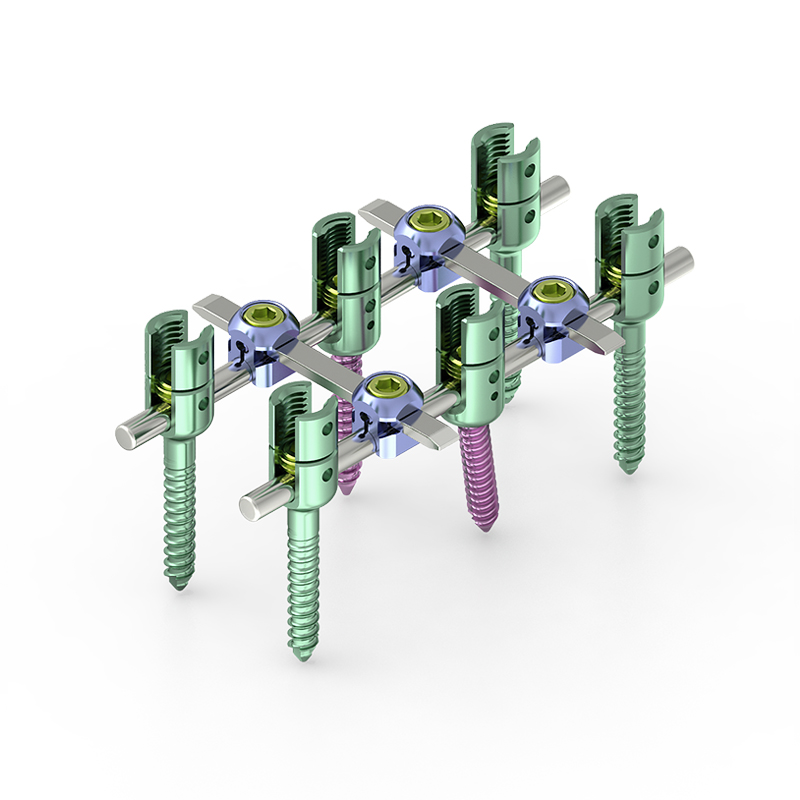
When evaluating spinal implant instrumentation, one of the most common points of confusion is the distinction between a general spinal screw and a pedicle screw system. Both are used in spinal surgery, but they differ significantly in anatomy, biomechanical function, and clinical application. Understanding these differences helps surgeons, procurement professionals, and medical device distributors make informed decisions when selecting the right implant for each procedure.
A pedicle screw system is a highly specialized form of spinal instrumentation that anchors through the pedicle of the vertebra, providing three-column fixation. In contrast, a general spinal screw may refer to any number of fixation devices used across different spinal regions and anchor points. This article explores the structural, functional, and clinical distinctions that define each type, with a focus on how the pedicle screw system stands apart as a biomechanically superior option in many fusion and stabilization procedures.
Defining Spinal Screw and Pedicle Screw System
What a Spinal Screw Actually Refers To
The term 'spinal screw' is a broad descriptor used to categorize any threaded implant inserted into the vertebral column for fixation purposes. This includes lateral mass screws, laminar screws, interbody screws, and more. Each of these screw types targets a specific anatomical structure and serves a distinct biomechanical role. Because the category is so broad, comparing a spinal screw to a pedicle screw system requires understanding what specific screw type is being referenced and where it is placed within the spine.
A pedicle screw system, by definition, refers to a complete instrumentation construct that includes the pedicle screw itself, a connecting rod, and associated locking components. The pedicle screw system engages all three columns of the spine simultaneously, which gives it exceptional stability compared to most other spinal screw configurations. This three-column control is a defining mechanical advantage of the pedicle screw system over other implant types.
How the Pedicle Screw System Is Structurally Unique
The pedicle screw system is designed to pass entirely through the pedicle and into the vertebral body. This trajectory provides cortical purchase on multiple bone walls, significantly increasing pullout resistance. The pedicle acts as a dense, compact corridor of bone, and a properly placed pedicle screw system takes full advantage of this structural density. No other standard spinal screw configuration achieves the same level of multi-column bone contact and load distribution as a pedicle screw system.
The modular nature of a pedicle screw system also allows surgeons to customize rod diameter, screw angulation, and connector type based on the patient's anatomy and the complexity of the procedure. This modularity is not typically available in simpler spinal screw designs, which are often anatomically limited and offer less intraoperative flexibility than a pedicle screw system.
Clinical Applications and Anatomical Considerations
Where Each System Is Used in the Spine
General spinal screws are used across cervical, thoracic, and lumbar regions depending on design. For example, lateral mass screws are common in the cervical spine, while iliac screws are used in the lumbosacral junction. Each screw type is anatomically restricted by the structure it can safely engage. A pedicle screw system, however, can be applied across multiple spinal levels when properly sized and angled to match each vertebra's pedicle dimensions.
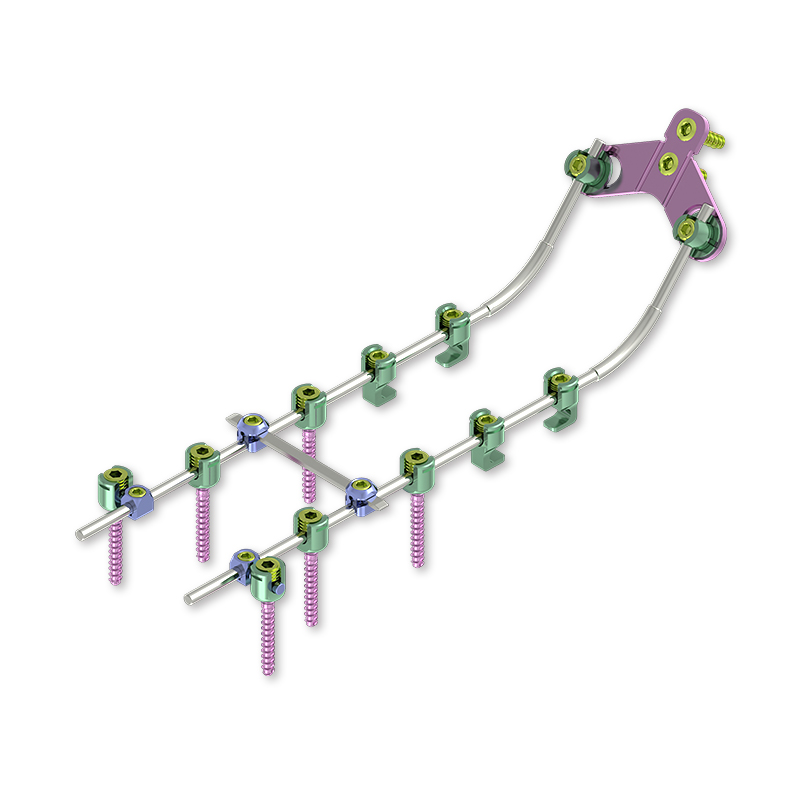
The cervical pedicle screw system is a specific and advanced version of the pedicle screw system that addresses the unique anatomical challenges of the cervical spine. Because cervical pedicles are narrower and surrounded by neurovascular structures, the cervical pedicle screw system demands higher precision and surgeon expertise. Despite the technical demands, the cervical pedicle screw system offers stronger fixation than lateral mass screws when executed correctly, making it valuable in high-instability cervical cases.
Biomechanical Performance Differences
From a biomechanical standpoint, the pedicle screw system consistently demonstrates superior resistance to flexion, extension, lateral bending, and axial rotation compared to non-pedicle spinal screw alternatives. Studies in spine biomechanics have repeatedly confirmed that the pedicle screw system outperforms laminar hooks, lateral mass screws, and other conventional spinal fixation devices in terms of construct rigidity and long-term stability. This performance advantage makes the pedicle screw system the preferred choice in complex deformity corrections and multilevel fusion surgeries.
When comparing a pedicle screw system to a lateral mass screw or a laminar screw, the difference in pullout strength is measurable and clinically significant. The pedicle screw system achieves cortical bone contact along the full length of the screw trajectory, while non-pedicle screws typically engage only cancellous or cortical surfaces in one plane. This difference explains why the pedicle screw system is often preferred for patients with osteoporosis, deformity, or high mechanical demand on the spine.
Selection Criteria and Surgical Decision-Making
When Surgeons Choose a Pedicle Screw System Over Other Spinal Screws
Surgeons select a pedicle screw system when maximum fixation strength is required, when multilevel constructs are planned, or when prior surgery has compromised the posterior elements. In revision spine surgery, where laminar or lateral mass options may no longer be viable, the pedicle screw system provides a reliable anchor point through unaffected pedicle bone. The pedicle screw system is also preferred in deformity cases where rotational and three-dimensional correction must be maintained throughout healing.
In contrast, a simpler spinal screw configuration may be chosen when the anatomy limits pedicle access, when minimally invasive approaches are used with limited instrumentation options, or when lower fixation demands allow for a less complex construct. However, the pedicle screw system remains the gold standard in most thoracolumbar fusion and stabilization procedures because of its unmatched biomechanical profile.
How Implant Quality Affects System Performance
The performance of a pedicle screw system depends not only on surgical technique but also on implant quality, material selection, and system design. Titanium alloy pedicle screw systems are widely used for their strength, MRI compatibility, and osseointegration properties. Poorly manufactured pedicle screw systems risk screw loosening, rod fracture, or construct failure over time. Sourcing a pedicle screw system from a manufacturer with documented quality control standards and regulatory clearances is essential for ensuring long-term clinical outcomes.
When comparing a pedicle screw system to other spinal screw options in a procurement context, total system compatibility is a critical factor. A pedicle screw system must have matching rods, connectors, and surgical instruments that function as an integrated unit. Mixing components from incompatible systems can compromise the integrity of the pedicle screw system construct and introduce safety risks in the operating environment.
FAQ
Is a pedicle screw system suitable for all spinal levels?
A pedicle screw system can be used across thoracic, lumbar, and cervical levels, but pedicle dimensions vary significantly by region. The cervical pedicle screw system requires specialized sizing and surgical precision due to narrower pedicle anatomy. Lumbar and thoracic pedicle screw systems are more commonly used due to larger pedicle dimensions. Proper preoperative imaging and planning are essential before applying any pedicle screw system.
How does a pedicle screw system differ from a lateral mass screw?
A lateral mass screw engages only the lateral mass of the cervical vertebra, providing limited multiplanar control. A pedicle screw system passes through the pedicle into the vertebral body, achieving three-column fixation and significantly higher pullout strength. The pedicle screw system offers more rigid stabilization, making it preferable in cases requiring strong rotational and axial load resistance.
What should procurement teams consider when sourcing a pedicle screw system?
Procurement teams should evaluate regulatory clearance, material certifications, system modularity, and instrument compatibility when sourcing a pedicle screw system. A complete pedicle screw system should include screws, rods, connectors, and a full surgical instrument set. Verified quality testing, traceability documentation, and supplier support are all critical factors when selecting a pedicle screw system for institutional or hospital use.