
 EN
EN
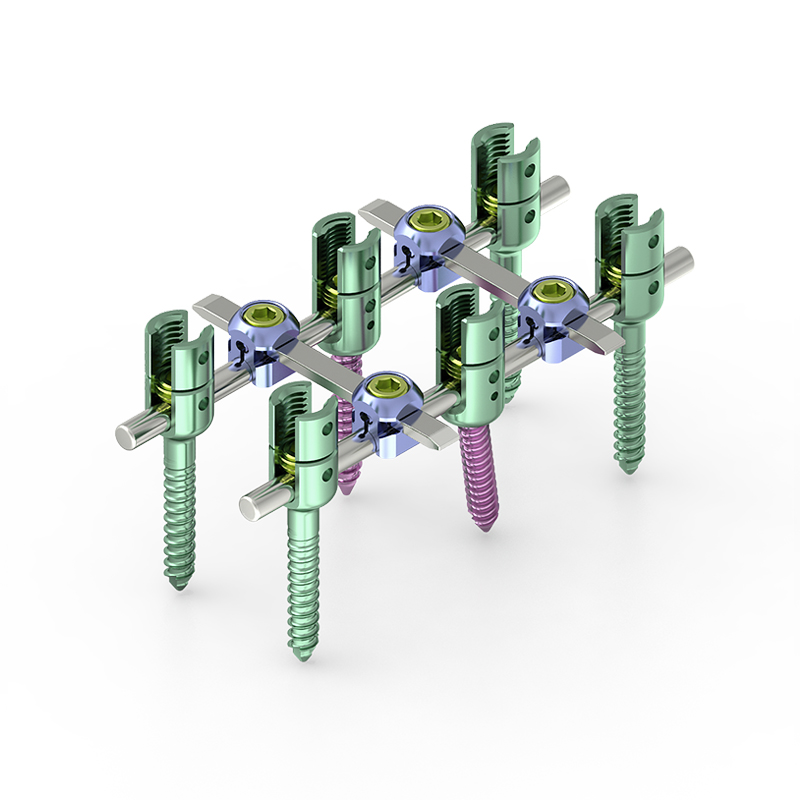
Spinal surgery has evolved significantly over the past few decades, with technological advancements leading to more precise and effective treatment options for patients suffering from various spinal conditions. Among the most revolutionary innovations in orthopedic spine surgery are pedicle screws, which have transformed how surgeons approach spinal stabilization and fusion procedures. These specialized medical devices represent a cornerstone of modern spinal instrumentation, offering unprecedented stability and fixation strength compared to traditional methods. The implementation of pedicle screws has dramatically improved surgical outcomes, reduced recovery times, and enhanced the quality of life for countless patients worldwide who require complex spinal interventions.
Superior Mechanical Stability and Fixation Strength
Enhanced Load-Bearing Capacity
The primary advantage of pedicle screws lies in their exceptional mechanical stability and load-bearing capacity. Unlike traditional hook and wire systems, pedicle screws achieve three-column fixation by engaging the strongest part of the vertebra - the pedicle itself. This strategic placement allows for optimal distribution of biomechanical forces across the spine, resulting in significantly improved stability during the healing process. The robust construction and advanced threading design of modern pedicle screws enable them to withstand the substantial forces generated during daily activities, ensuring reliable fixation even in challenging anatomical conditions.
Clinical studies have consistently demonstrated that pedicle screw constructs provide superior resistance to pullout forces compared to alternative fixation methods. This enhanced mechanical strength is particularly crucial in patients with compromised bone quality, such as those suffering from osteoporosis or metabolic bone diseases. The increased holding power translates directly into improved fusion rates and reduced risk of construct failure, making pedicle screws the preferred choice for complex spinal reconstructions where maximum stability is paramount.
Reduced Risk of Hardware Failure
The robust design characteristics of pedicle screws significantly minimize the likelihood of hardware-related complications during the postoperative period. Traditional spinal instrumentation systems were more susceptible to mechanical failure due to their reliance on softer bone structures and less secure fixation points. In contrast, pedicle screws anchor directly into the densest cortical bone of the vertebra, creating an exceptionally strong foundation that can withstand the repetitive loading cycles associated with normal spine movement.
This enhanced durability has profound implications for long-term surgical success rates and patient satisfaction. Revision surgeries due to hardware failure are significantly less common with pedicle screw systems, reducing both healthcare costs and patient morbidity. The reliability of these systems allows surgeons to approach complex cases with greater confidence, knowing that the instrumentation will maintain its integrity throughout the critical healing period and beyond.
Enhanced Precision in Surgical Navigation
Improved Anatomical Targeting
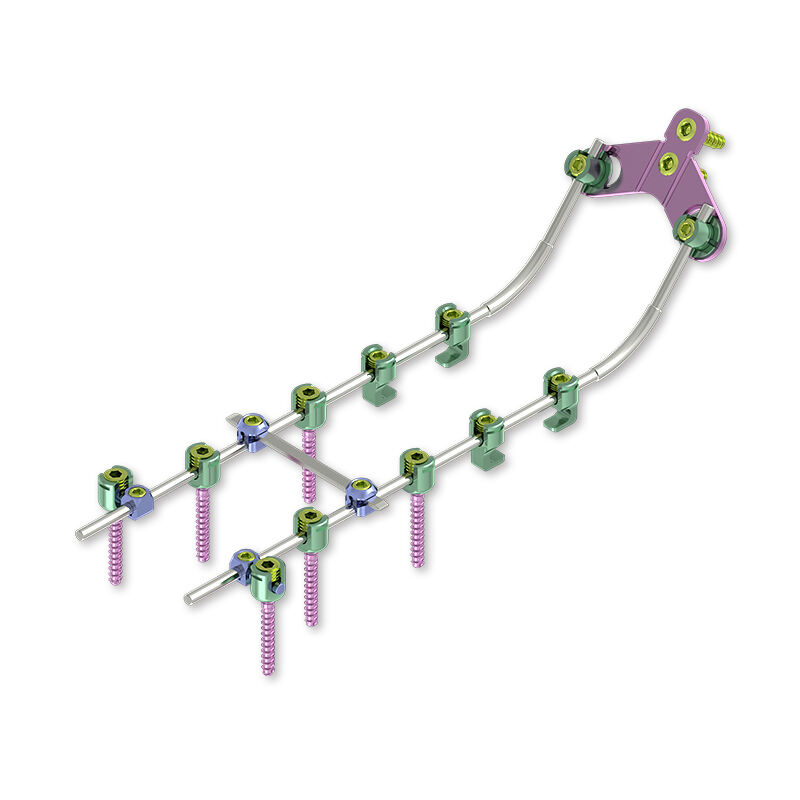
Modern pedicle screw systems incorporate advanced imaging and navigation technologies that enable surgeons to achieve unprecedented precision during implantation. Computer-assisted navigation systems, fluoroscopic guidance, and three-dimensional imaging capabilities allow for real-time visualization of screw trajectory and placement accuracy. This technological integration has revolutionized the surgical approach, enabling surgeons to navigate complex anatomical variations with confidence while minimizing the risk of neural or vascular injury.
The precise placement capabilities offered by contemporary pedicle screw systems are particularly valuable in revision surgeries or cases involving significant anatomical distortion. Surgeons can now plan optimal screw trajectories preoperatively using advanced software platforms, creating patient-specific surgical guides that enhance accuracy and reduce operative time. This level of precision was previously unattainable with conventional instrumentation methods, representing a significant advancement in spinal surgery capabilities.
Minimally Invasive Surgical Options
The evolution of pedicle screw technology has enabled the development of minimally invasive surgical techniques that offer substantial benefits over traditional open procedures. Percutaneous pedicle screw insertion techniques utilize specialized instrumentation and imaging guidance to place screws through small skin incisions, significantly reducing tissue trauma and surgical morbidity. These advanced approaches preserve the integrity of surrounding muscles and ligaments while maintaining the same level of fixation strength achieved through open techniques.
Patients undergoing minimally invasive pedicle screw procedures typically experience reduced postoperative pain, shorter hospital stays, and faster return to normal activities. The smaller incisions result in less blood loss, reduced infection risk, and improved cosmetic outcomes. These advantages have made pedicle screws increasingly popular among both surgeons and patients, as they combine excellent clinical outcomes with enhanced patient comfort and satisfaction.
Versatile Applications Across Spinal Conditions
Comprehensive Treatment Solutions
Pedicle screws demonstrate remarkable versatility in addressing a wide spectrum of spinal pathologies, from degenerative conditions to complex deformities and traumatic injuries. Their adaptability makes them suitable for various surgical scenarios, including single-level fusions, multi-level constructs, and complex three-dimensional corrections. This flexibility allows surgeons to customize treatment approaches based on individual patient anatomy and pathology, optimizing outcomes across diverse clinical presentations.
The modular nature of modern pedicle screw systems enables surgeons to combine different components and configurations to address specific biomechanical requirements. Whether treating lumbar stenosis, cervical instability, or thoracolumbar deformity, pedicle screws can be integrated into comprehensive surgical strategies that restore proper spinal alignment and function. This adaptability has made them an essential component of contemporary spine surgery practice.
Long-term Durability and Performance
Long-term clinical studies have consistently demonstrated the exceptional durability and sustained performance of pedicle screw constructs over extended follow-up periods. Unlike some traditional fixation methods that may experience gradual loosening or degradation over time, properly placed pedicle screws maintain their mechanical integrity for decades. This longevity is particularly important for younger patients who require spinal fusion, as it reduces the likelihood of future revision procedures and associated complications.
The biocompatible materials used in modern pedicle screw construction, typically titanium alloys or stainless steel, exhibit excellent corrosion resistance and biological integration properties. These materials promote osseointegration while maintaining their structural properties throughout the patient's lifetime. The combination of superior materials science and optimized design geometry contributes to the outstanding long-term success rates observed with pedicle screw systems.
Improved Patient Outcomes and Quality of Life
Faster Recovery and Rehabilitation
The enhanced stability provided by pedicle screws facilitates earlier mobilization and more aggressive rehabilitation protocols compared to traditional fixation methods. Patients can typically begin physical therapy and activities of daily living sooner after surgery, as the robust fixation reduces concerns about construct failure during the early healing phase. This accelerated recovery timeline leads to improved functional outcomes and reduced disability periods, allowing patients to return to work and recreational activities more quickly.
The psychological benefits of faster recovery should not be underestimated, as patients experience reduced anxiety and improved confidence in their ability to perform normal activities. The knowledge that they have received the most advanced and reliable fixation available provides additional reassurance during the challenging recovery period. These factors contribute significantly to overall patient satisfaction and adherence to postoperative care protocols.
Reduced Postoperative Complications
Clinical evidence consistently demonstrates that pedicle screw systems are associated with lower rates of postoperative complications compared to alternative fixation methods. The secure fixation reduces the risk of pseudarthrosis, hardware loosening, and adjacent segment degeneration. Additionally, the ability to achieve optimal spinal alignment and balance through precise pedicle screw placement helps prevent secondary complications that may arise from suboptimal surgical outcomes.
The reduced complication rates translate directly into improved patient outcomes and reduced healthcare costs associated with revision procedures or management of surgical complications. Patients benefit from fewer follow-up visits, reduced need for additional imaging studies, and lower likelihood of requiring subsequent surgical interventions. This improved safety profile has made pedicle screws the gold standard for spinal fixation in many clinical scenarios.
FAQ
How long do pedicle screws typically last in the body
Pedicle screws are designed to be permanent implants and typically last for the patient's entire lifetime when properly placed. The biocompatible materials used in their construction, such as titanium alloys, are highly resistant to corrosion and wear. Long-term studies spanning over 20 years have shown excellent durability with minimal degradation of mechanical properties. While the screws themselves remain intact indefinitely, the surrounding bone fusion typically occurs within 6-12 months, after which the screws primarily serve a protective role.
Are there any restrictions on physical activities after pedicle screw surgery
Initially, patients will have activity restrictions during the first 6-12 weeks following surgery to allow proper healing of the surgical site and early bone fusion. After clearance from the surgeon, most patients can gradually return to normal activities, including recreational sports and physical exercise. High-impact activities like contact sports may require individual evaluation based on the specific surgical procedure and patient factors. The robust fixation provided by pedicle screws actually allows for earlier return to activities compared to some alternative fixation methods.
What are the potential risks associated with pedicle screw placement
While pedicle screw surgery is generally very safe, potential risks include infection, bleeding, nerve injury, and screw malposition. Modern navigation technology and surgical techniques have significantly reduced these risks, with major complications occurring in less than 2-3% of cases. The most serious concern is potential injury to nearby neural structures, but experienced surgeons using appropriate imaging guidance can minimize this risk. Most patients experience successful outcomes with minimal complications when the procedure is performed by qualified spine surgeons.
How do pedicle screws compare to other spinal fixation methods
Pedicle screws offer superior fixation strength, better fusion rates, and lower failure rates compared to older methods like hooks, wires, or plates. They provide three-column spinal fixation, which is more biomechanically sound than two-column fixation achieved by alternative methods. While the surgical technique may be more complex, the improved outcomes and reduced revision rates make pedicle screws the preferred choice for most spinal fusion procedures. The versatility and reliability of pedicle screw systems have made them the gold standard in modern spine surgery.