
 EN
EN
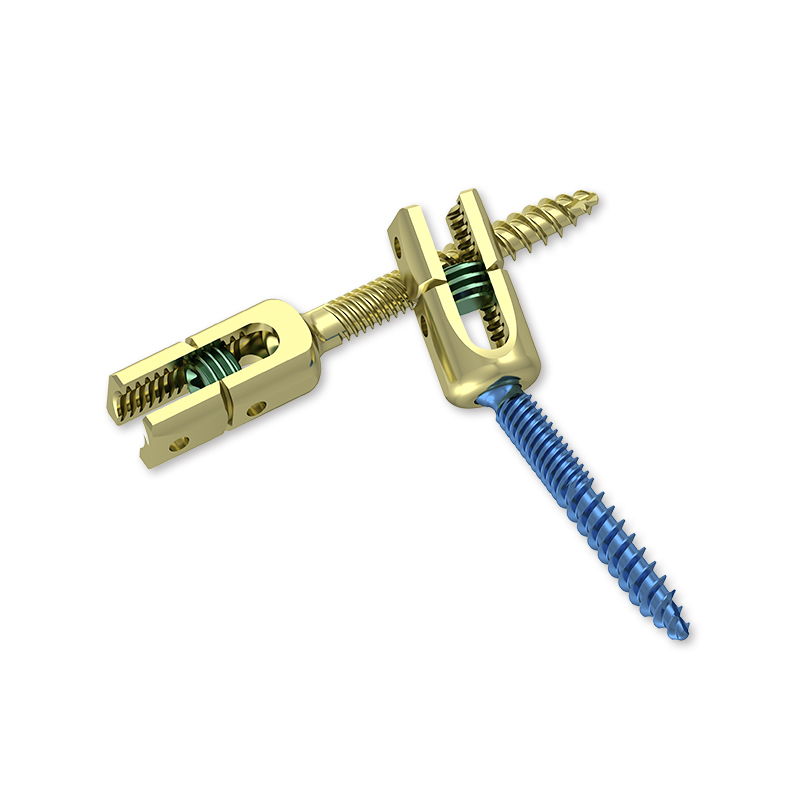
Spinal surgery has evolved significantly over the past decades, with technological advances transforming how surgeons approach complex cervical spine conditions. Among the most critical innovations in this field is the development of sophisticated cervical pedicle screw system designs that offer superior stability and precision in treating cervical spine disorders. These advanced fixation devices have revolutionized surgical outcomes by providing enhanced biomechanical support and improved patient recovery rates. Modern surgical teams rely heavily on these precision-engineered systems to address challenging cases involving cervical instability, degenerative conditions, and traumatic injuries requiring immediate stabilization.
Biomechanical Advantages of Advanced Fixation Systems
Enhanced Load Distribution Characteristics
The biomechanical properties of high-quality pedicle screws play a fundamental role in achieving optimal spinal stabilization. These systems distribute mechanical loads more effectively across the vertebral structure, reducing stress concentrations that could lead to hardware failure or adjacent segment degeneration. Advanced metallurgy and engineering design principles ensure that forces are transmitted through the construct in a controlled manner, mimicking natural spinal mechanics while providing necessary rigidity for fusion processes.
Superior thread geometry and screw design characteristics contribute significantly to pullout strength and overall construct stability. Modern manufacturing techniques allow for precise thread pitch optimization, maximizing bone purchase while minimizing insertion torque requirements. The relationship between thread depth, pitch, and core diameter has been extensively studied to develop systems that provide maximum holding power in both healthy and compromised bone quality scenarios.
Material Science and Corrosion Resistance
Contemporary pedicle screw systems utilize advanced titanium alloys and surface treatment technologies that enhance biocompatibility and long-term performance. These materials demonstrate excellent osseointegration properties while maintaining mechanical strength characteristics essential for spinal stabilization. The corrosion resistance of premium materials ensures device longevity and reduces the risk of inflammatory responses that could compromise surgical outcomes.
Surface modifications including plasma spraying, anodization, and specialized coating applications improve the interface between implant and bone tissue. These technological enhancements promote faster healing responses and stronger biological fixation over time. Research indicates that properly treated surfaces can significantly accelerate the bone formation process around implanted hardware, leading to more robust long-term stability.
Surgical Precision and Navigation Integration
Computer-Assisted Surgical Planning
Modern cervical pedicle screw systems are designed with compatibility for advanced navigation technologies that enhance surgical precision and safety. Computer-assisted surgical planning allows surgeons to evaluate patient-specific anatomy and determine optimal screw trajectories before entering the operating room. This preoperative analysis reduces surgical time, minimizes tissue trauma, and significantly decreases the risk of neurovascular complications during implantation procedures.
Three-dimensional imaging integration enables real-time visualization of screw placement relative to critical anatomical structures. Navigation systems provide continuous feedback regarding screw angulation, depth, and trajectory, ensuring that implants are positioned within safe zones while maximizing bone purchase. The combination of high-quality hardware and precision placement techniques results in superior clinical outcomes and reduced revision rates.
Minimally Invasive Approach Compatibility
Advanced pedicle screw designs accommodate minimally invasive surgical approaches that reduce patient morbidity and accelerate recovery timelines. These systems feature streamlined instrumentation that allows for percutaneous or small-incision placement techniques while maintaining the mechanical advantages of traditional open procedures. Reduced approach-related tissue damage translates to decreased postoperative pain, shorter hospital stays, and faster return to normal activities.
The evolution toward minimally invasive techniques has driven innovation in screw head design and rod connection mechanisms. Modern systems incorporate features that simplify construct assembly while ensuring robust mechanical connections. These design improvements enable surgeons to achieve complex corrections through smaller exposures, significantly benefiting patient outcomes while maintaining the structural integrity required for successful spinal fusion.
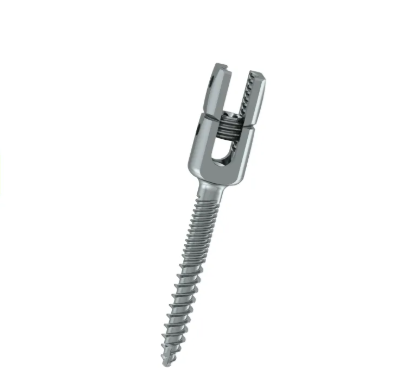
Clinical Outcomes and Long-Term Performance
Fusion Rate Improvements
High-quality cervical pedicle screw system implementation has demonstrated significant improvements in fusion rates compared to alternative fixation methods. The rigid stabilization provided by these systems creates an optimal environment for bone healing by minimizing motion at the fusion site. Research studies consistently show higher fusion success rates when premium hardware is utilized, particularly in challenging cases involving multiple levels or compromised bone quality.
The mechanical stability achieved through proper screw placement and construct design directly influences the biological processes necessary for successful arthrodesis. Reduced micromotion at the fusion interface promotes osteoblast activity and new bone formation while preventing the development of fibrous tissue that could compromise fusion integrity. Long-term radiographic studies demonstrate sustained fusion maintenance with appropriately selected and positioned hardware systems.
Complication Reduction Strategies
Premium pedicle screw systems incorporate design features that minimize common complications associated with cervical spine instrumentation. Improved screw head interfaces reduce the likelihood of rod disconnection or hardware loosening that could necessitate revision surgery. Advanced locking mechanisms ensure that construct integrity is maintained throughout the healing process, even under physiological loading conditions.
The precise manufacturing tolerances of high-quality systems contribute to consistent performance characteristics and predictable surgical outcomes. Standardized specifications ensure that all components within a system are fully compatible, reducing the risk of mechanical failures that could compromise patient safety. Quality control measures during manufacturing processes guarantee that each component meets stringent performance standards before clinical use.
Economic Considerations and Healthcare Value
Cost-Effectiveness Analysis
While premium pedicle screw systems may require higher initial investment, comprehensive economic analysis demonstrates significant long-term value through reduced complication rates and revision surgery requirements. The improved clinical outcomes achieved with high-quality hardware translate to decreased healthcare utilization and lower total episode costs. Insurance providers increasingly recognize the economic benefits of investing in premium surgical implants that reduce the likelihood of costly complications.
Hospital systems benefit from improved surgical efficiency and reduced operative times associated with well-designed instrumentation systems. Streamlined surgical procedures result in increased operating room throughput and reduced resource utilization per case. The combination of improved patient outcomes and enhanced operational efficiency creates compelling economic arguments for adopting premium cervical pedicle screw system technologies.
Patient Quality of Life Impact
The superior stability and precision offered by advanced pedicle screw systems directly translate to improved patient quality of life outcomes. Reduced pain levels, enhanced functional capacity, and faster return to normal activities represent significant value propositions for both patients and healthcare providers. Patient satisfaction scores consistently demonstrate higher ratings when premium hardware systems are utilized in cervical spine procedures.
Long-term follow-up studies indicate that patients treated with high-quality cervical pedicle screw system constructs experience sustained improvements in neurological function and overall well-being. The durability and reliability of premium systems reduce the anxiety and uncertainty associated with potential hardware-related complications, contributing to better psychological outcomes and patient confidence in their treatment results.
Future Developments and Innovation Trends
Smart Implant Technology Integration
The future of cervical pedicle screw system design includes integration of smart technologies that provide real-time monitoring of construct performance and healing progress. Sensor-embedded implants could transmit data regarding loading patterns, bone integration status, and potential complications before they become clinically apparent. These technological advances represent the next evolution in personalized spine care and precision medicine approaches.
Wireless communication capabilities and biocompatible sensor integration are being developed to create implants that serve dual roles as both therapeutic devices and diagnostic tools. This convergence of medical device technology and digital health platforms promises to revolutionize postoperative care and long-term patient management strategies. Early detection of potential issues through continuous monitoring could prevent serious complications and optimize treatment outcomes.
Personalized Medicine Applications
Advances in three-dimensional printing and patient-specific manufacturing are enabling the development of customized cervical pedicle screw system components tailored to individual anatomical variations. These personalized approaches optimize fit and mechanical performance while potentially reducing surgical complexity and operative time requirements. Custom implant design based on patient-specific imaging data represents a significant advancement in precision surgical techniques.
Biomaterial innovations continue to expand the possibilities for enhanced osseointegration and biological fixation. Novel surface treatments, drug-eluting coatings, and growth factor incorporation are being investigated to accelerate healing responses and improve long-term implant performance. These developments promise to further enhance the clinical advantages already demonstrated by current premium cervical pedicle screw system technologies.
FAQ
What makes cervical pedicle screws different from other spinal fixation methods
Cervical pedicle screws provide superior biomechanical stability compared to alternative fixation methods such as lateral mass screws or anterior plates. They offer three-column fixation that controls flexion, extension, lateral bending, and rotational motion more effectively. The increased bone purchase achieved through pedicle engagement results in stronger constructs that are less likely to fail under physiological loading conditions.
How do surgeons determine the appropriate screw size and trajectory
Preoperative CT imaging and three-dimensional reconstruction allow surgeons to measure pedicle dimensions and plan optimal screw trajectories for each patient. Computer navigation systems provide real-time guidance during surgery to ensure accurate placement within the planned trajectory. Intraoperative imaging confirmation helps verify proper screw position before final construct assembly.
What are the typical recovery expectations after cervical pedicle screw surgery
Most patients experience significant improvement in pain and neurological symptoms within the first few weeks following surgery. Complete fusion typically occurs over 6-12 months, during which patients gradually return to normal activities. Regular follow-up imaging monitors fusion progress and ensures proper construct maintenance throughout the healing period.
Are there any long-term risks associated with cervical pedicle screw systems
High-quality cervical pedicle screw systems demonstrate excellent long-term safety profiles when properly placed and maintained. Potential risks include adjacent segment degeneration, hardware loosening, or infection, but these complications are relatively rare with modern systems. Regular follow-up care and adherence to postoperative restrictions minimize the likelihood of long-term complications.
Table of Contents
- Biomechanical Advantages of Advanced Fixation Systems
- Surgical Precision and Navigation Integration
- Clinical Outcomes and Long-Term Performance
- Economic Considerations and Healthcare Value
- Future Developments and Innovation Trends
-
FAQ
- What makes cervical pedicle screws different from other spinal fixation methods
- How do surgeons determine the appropriate screw size and trajectory
- What are the typical recovery expectations after cervical pedicle screw surgery
- Are there any long-term risks associated with cervical pedicle screw systems