Durable Cannulated Screw Solutions Guide

All Categories

Get a Free Quote

Our representative will contact you soon.
Email
Name
Company Name
Message
0/1000

durable cannulated screw

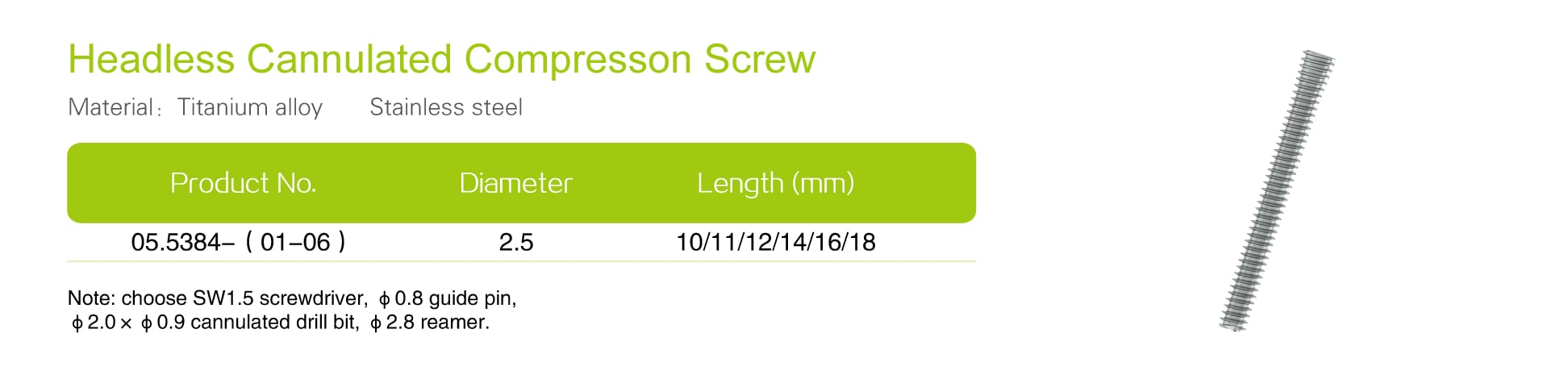
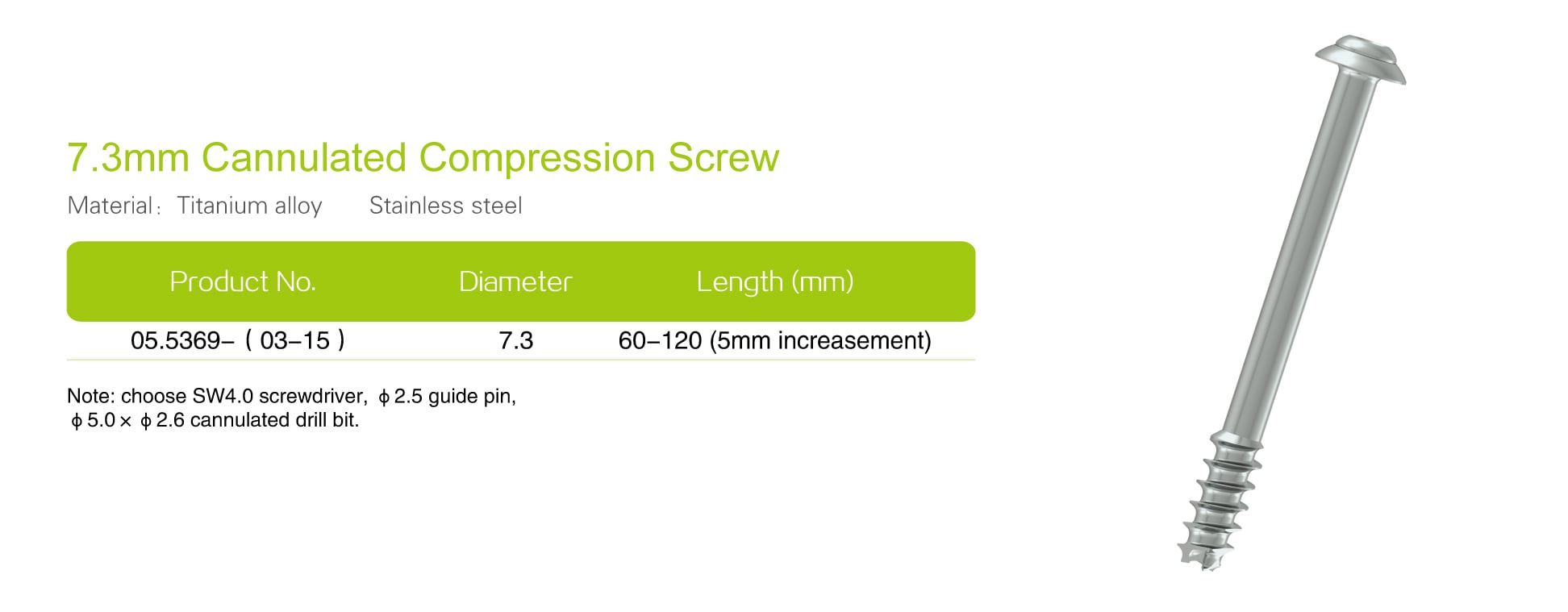
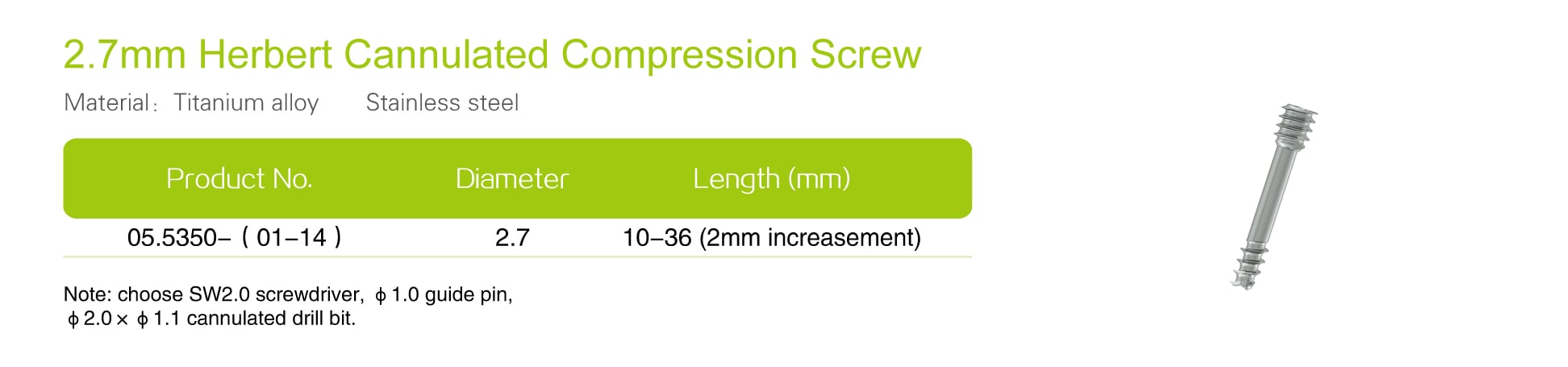
The durable cannulated screw represents a critical advancement in orthopedic fixation technology, designed to provide reliable bone stabilization in fracture repair and reconstructive procedures. This specialized medical device features a hollow core design that allows surgeons to insert it over a guide wire, ensuring precise placement during surgical interventions. The durable cannulated screw is manufactured from high-grade materials such as titanium alloy or stainless steel, offering exceptional strength and corrosion resistance for long-term implantation. Its primary functions include securing bone fragments, facilitating proper healing alignment, and providing stability during the recovery process. The cannulated design significantly reduces surgical time and improves accuracy compared to traditional solid screws. These screws are available in various diameters and lengths to accommodate different anatomical locations and patient-specific requirements. The threading pattern is engineered to maximize purchase in both cortical and cancellous bone, ensuring secure fixation across diverse bone densities. Advanced surface treatments enhance osseointegration, promoting faster healing and stronger bone-implant interfaces. The durable cannulated screw finds extensive applications in treating hip fractures, ankle injuries, wrist fractures, and other skeletal trauma cases. Surgeons rely on this technology for procedures including femoral neck fixation, scaphoid fracture repair, and tibial plateau reconstruction. The device's versatility makes it indispensable in both emergency trauma settings and elective orthopedic surgeries, serving patients across all age groups from pediatric to geriatric populations.

New Products

Choosing a durable cannulated screw offers substantial practical benefits that directly impact surgical outcomes and patient recovery. The hollow-core design enables guided insertion, allowing surgeons to achieve optimal screw placement with minimal tissue disruption and reduced operative time. This precision translates to fewer complications, shorter hospital stays, and faster patient rehabilitation. The superior material composition ensures exceptional mechanical strength, capable of withstanding physiological loads throughout the healing period without failure or loosening. Patients benefit from reduced revision surgery rates and improved long-term stability. The biocompatible materials minimize adverse tissue reactions, making the durable cannulated screw suitable for patients with various medical conditions and sensitivities. Healthcare facilities appreciate the cost-effectiveness achieved through reduced surgical time, fewer complications, and predictable outcomes. The standardized instrumentation system simplifies inventory management and reduces training requirements for surgical teams. Operational benefits extend to the enhanced fluoroscopic visibility provided by specific design features, enabling real-time verification of screw position during surgery. This immediate feedback mechanism reduces radiation exposure and improves surgical confidence. The self-drilling and self-tapping capabilities of many durable cannulated screw designs eliminate the need for separate drilling steps, streamlining the surgical workflow. Application suitability spans emergency trauma cases requiring rapid stabilization and complex reconstructive procedures demanding precise fixation. The versatile sizing options accommodate anatomical variations, ensuring appropriate solutions for diverse patient populations. Decision-makers value the extensive clinical evidence supporting these devices, with documented success rates and established safety profiles. The durable cannulated screw represents a reliable investment in patient care, combining proven performance with innovative engineering to deliver consistent results across multiple orthopedic specialties and clinical scenarios.

Latest News

How Do Orthopedic Implants Enhance Fracture Healing and Recovery?

02

Jun

How Do Orthopedic Implants Enhance Fracture Healing and Recovery?

When a bone fractures, the body initiates a complex biological cascade aimed at restoring structural integrity and function. However, in many cases, this natural process requires mechanical support to succeed. This is precisely where orthopedic impla...
View More
How Do Pedicle Screw Systems Support Scoliosis Correction Surgery?

02

Jun

How Do Pedicle Screw Systems Support Scoliosis Correction Surgery?

Scoliosis correction surgery is one of the most technically demanding procedures in modern spinal orthopedics. The ability to realign a severely curved spine, restore sagittal balance, and maintain long-term structural integrity depends heavily on th...
View More
How to Choose the Right Pedicle Screw Size for Lumbar Fusion Procedures?

02

Jun

How to Choose the Right Pedicle Screw Size for Lumbar Fusion Procedures?

Selecting the correct pedicle screw size for lumbar fusion procedures is one of the most consequential decisions a spine surgeon makes during operative planning. The diameter, length, and thread design of each pedicle screw directly influence fixatio...
View More
How Does Spinal Screw Improve Outcomes in Scoliosis Correction Surgery?

06

Jul

How Does Spinal Screw Improve Outcomes in Scoliosis Correction Surgery?

Scoliosis correction surgery is one of the most technically demanding procedures in spinal care, requiring precise instrumentation to restore alignment and maintain long-term stability. At the center of modern surgical technique, the spinal screw has...
View More

Get a Free Quote

Our representative will contact you soon.
Email
Name
Company Name
Message
0/1000

durable cannulated screw

Precision-Guided Surgical Placement

Precision-Guided Surgical Placement

The defining characteristic of the durable cannulated screw is its hollow core architecture, which fundamentally transforms surgical technique and accuracy. This central channel allows the screw to be inserted over a temporarily placed guide wire, providing surgeons with a predetermined path that ensures optimal positioning before permanent fixation. This guided approach significantly reduces the risk of misplacement that can compromise healing or require corrective procedures. The technique is particularly valuable in anatomically challenging locations where direct visualization is limited or where millimeter-level precision is critical for successful outcomes. Surgeons can verify the ideal trajectory using fluoroscopy or other imaging modalities before committing to screw insertion, enhancing confidence and reducing operative stress. The durable cannulated screw design accommodates minimally invasive surgical approaches, enabling smaller incisions that preserve soft tissue integrity, reduce scarring, and accelerate recovery timelines. Patients experience less postoperative pain and faster return to normal activities. The guided insertion methodology also shortens the learning curve for less experienced surgeons while maintaining high standards of accuracy, making advanced orthopedic techniques more accessible across different practice settings and geographic locations.
Superior Material Strength and Biocompatibility

Superior Material Strength and Biocompatibility

The durable cannulated screw is engineered from premium-grade titanium alloys or medical-grade stainless steel, materials selected for their exceptional mechanical properties and biological compatibility. These advanced materials provide the necessary tensile strength to support physiological loads during bone healing while resisting fatigue failure over extended implantation periods. The superior strength-to-weight ratio means the durable cannulated screw can deliver robust fixation without excessive bulk that might interfere with surrounding anatomical structures. Titanium alloy variants offer additional advantages including enhanced corrosion resistance and reduced artifact generation during postoperative imaging studies, facilitating clearer assessment of healing progress. The biocompatible nature of these materials minimizes inflammatory responses and tissue irritation, promoting favorable healing environments around the implant site. Surface treatments such as anodization or specialized coatings further enhance osseointegration, encouraging bone cells to grow directly onto the screw surface for stronger biological fixation. This integration reduces micromotion at the bone-implant interface, decreasing pain and improving stability. The durable cannulated screw maintains its mechanical integrity throughout the critical healing phase, providing consistent support as bone remodels and strengthens, ultimately contributing to successful long-term outcomes and patient satisfaction.
Versatile Clinical Applications

Versatile Clinical Applications

The durable cannulated screw demonstrates remarkable versatility across numerous orthopedic subspecialties and clinical scenarios, making it an essential component of modern surgical practice. In hip fracture management, particularly femoral neck fractures common in elderly populations, the durable cannulated screw provides reliable fixation that enables early mobilization and reduces complications associated with prolonged bed rest. Foot and ankle surgeons utilize these devices for treating fractures of the talus, calcaneus, and metatarsals, where precise fixation is crucial for maintaining joint alignment and preventing arthritis. Hand and wrist specialists depend on the durable cannulated screw for scaphoid fracture fixation, a challenging injury where proper healing is essential for maintaining wrist function. The device proves equally valuable in sports medicine applications, including anterior cruciate ligament reconstruction procedures where bone tunnel fixation requires secure anchoring. Pediatric orthopedists appreciate sizing options that accommodate growing bones while providing appropriate fixation strength. Trauma surgeons rely on the durable cannulated screw in emergency settings where rapid, reliable stabilization can be life-changing. The broad applicability across patient demographics, injury patterns, and anatomical locations makes this technology a cost-effective investment for healthcare institutions, reducing the need for multiple specialized implant systems while maintaining excellent clinical outcomes.

Get a Free Quote

Our representative will contact you soon.
Email
Name
Company Name
Message
0/1000
Newsletter
Please Leave A Message With Us