how orthopedic implants work
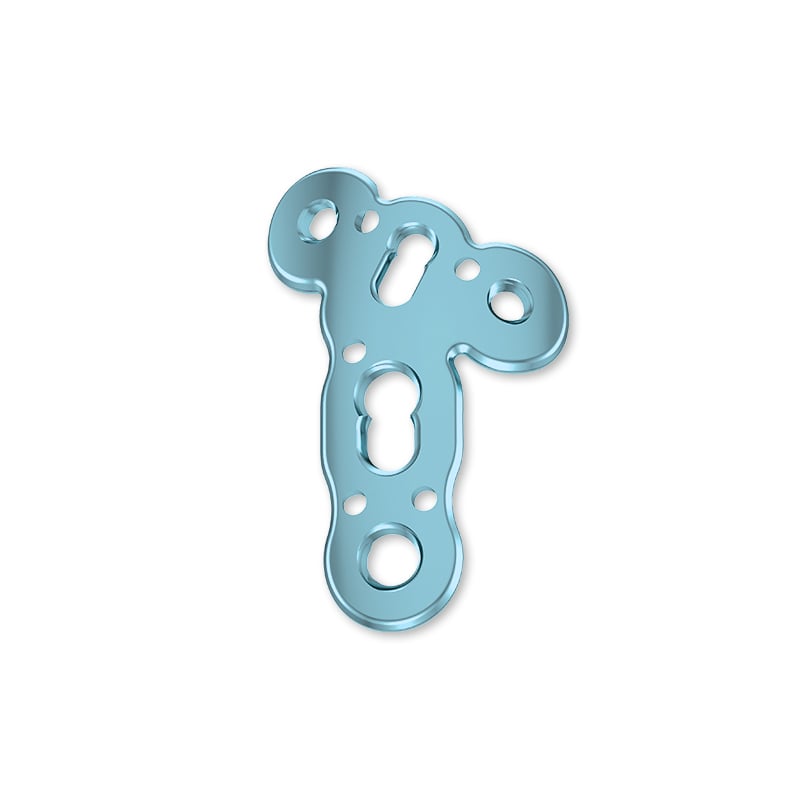
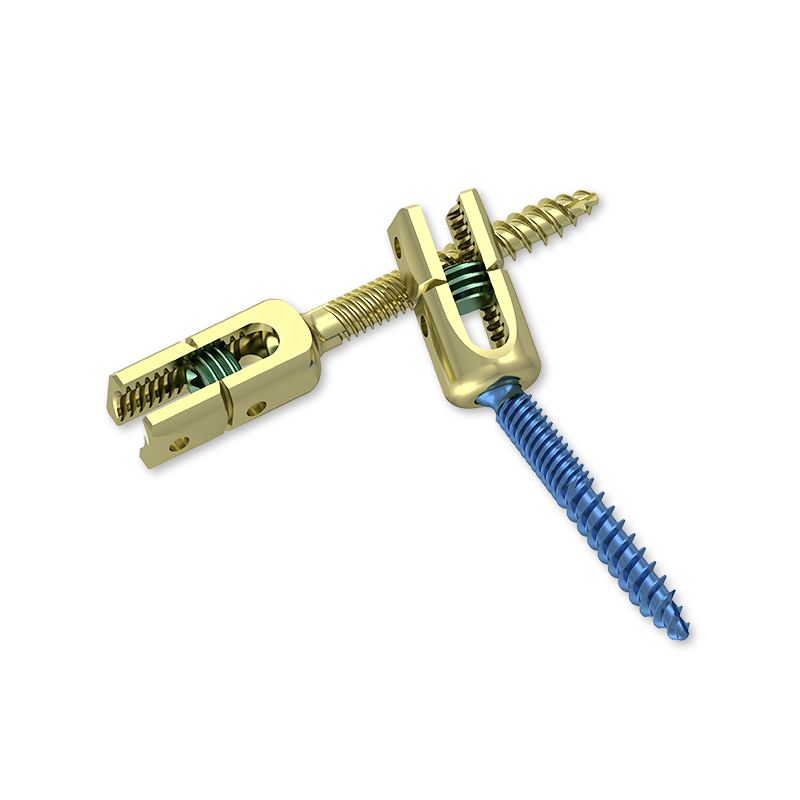
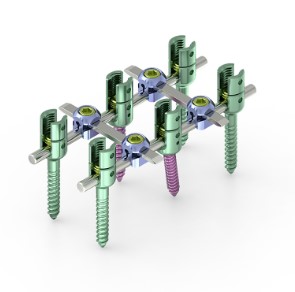
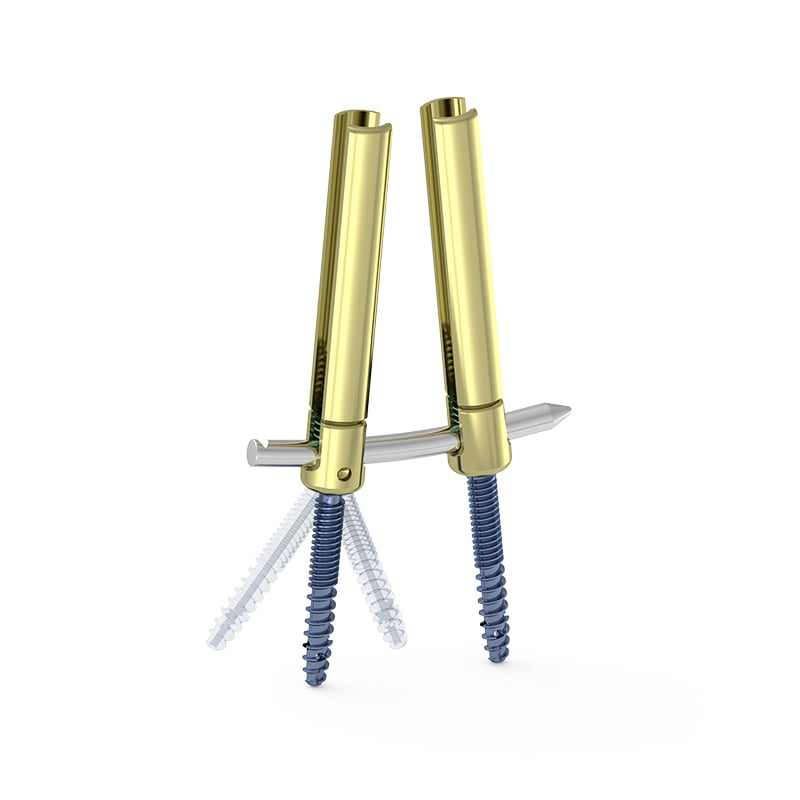
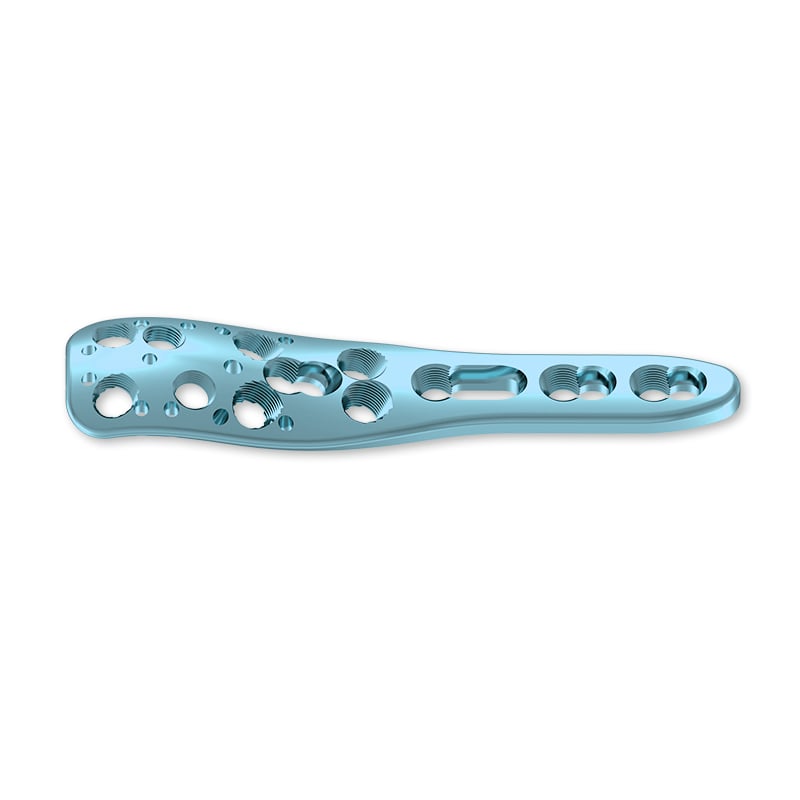
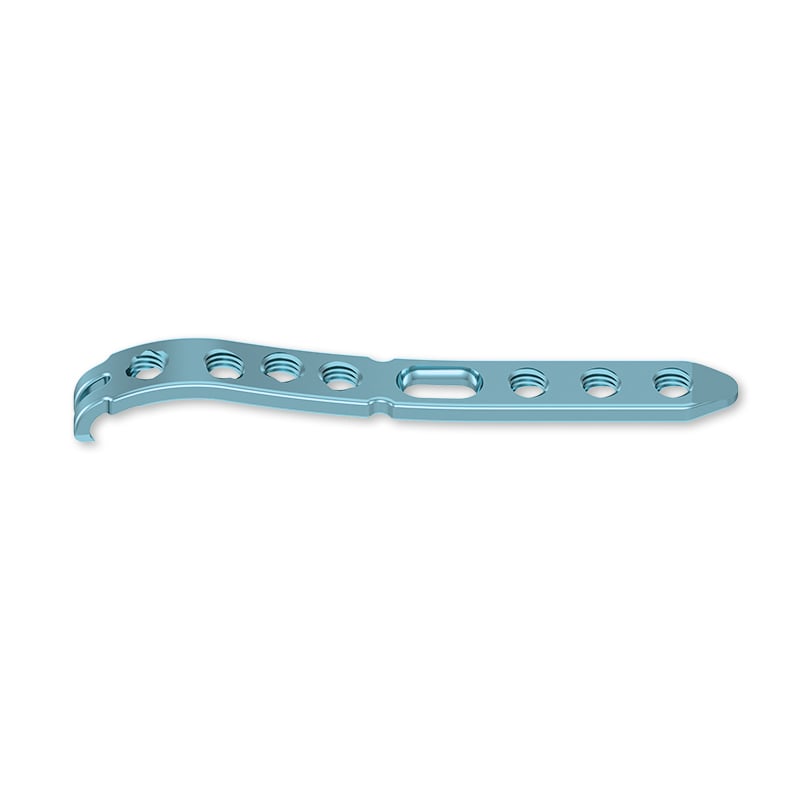
Understanding how orthopedic implants work is essential for patients facing joint replacement or fracture repair procedures. These medical devices are designed to replace damaged bones or joints, restore mobility, and alleviate chronic pain. Orthopedic implants function by integrating with existing bone tissue through a process called osseointegration, where the implant surface bonds directly with surrounding bone cells. The implants are crafted from biocompatible materials such as titanium alloys, cobalt-chromium, or medical-grade stainless steel, ensuring the body accepts rather than rejects these foreign objects. How orthopedic implants work depends on their specific design and intended application. Joint replacement implants, for instance, replicate natural joint mechanics by providing smooth articulating surfaces that enable pain-free movement. Fracture fixation devices like plates, screws, and rods stabilize broken bones, maintaining proper alignment during the healing process. Advanced surface treatments and porous coatings encourage bone growth into the implant structure, creating a stable, long-lasting connection. The technological features include precision engineering, anatomical contouring, and modular designs that accommodate individual patient anatomy. Modern implants incorporate wear-resistant materials and advanced bearing surfaces to extend device longevity. Applications span hip and knee replacements, spinal fusion systems, shoulder reconstructions, and trauma fixation devices. Understanding how orthopedic implants work empowers patients to make informed decisions about their treatment options and sets realistic expectations for recovery outcomes.

 EN
EN