Materials Used in Orthopedic Implants Guide

All Categories

Get a Free Quote

Our representative will contact you soon.
Email
Name
Company Name
Message
0/1000

materials used in orthopedic implants

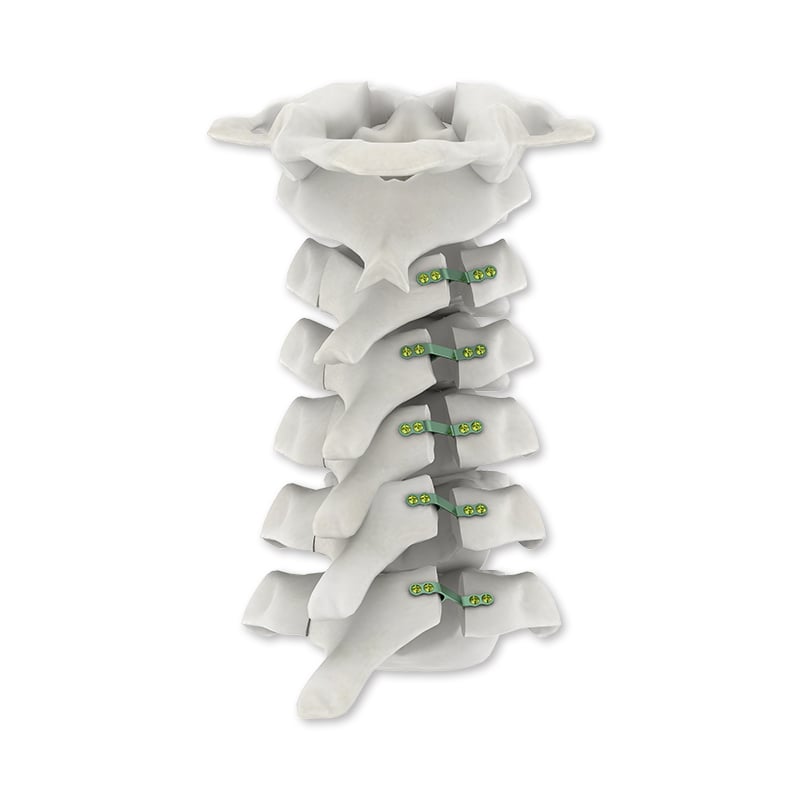
Materials used in orthopedic implants represent a critical foundation for modern surgical procedures designed to restore mobility and improve patient quality of life. These specialized materials must meet rigorous requirements including biocompatibility, mechanical strength, corrosion resistance, and long-term durability within the human body. The primary materials used in orthopedic implants include titanium alloys, stainless steel, cobalt-chromium alloys, ceramics, and ultra-high molecular weight polyethylene. Each material serves specific functions based on the implant type and anatomical location. Titanium alloys offer exceptional strength-to-weight ratios and excellent osseointegration properties, making them ideal for joint replacements and bone fixation devices. Stainless steel provides cost-effective solutions for temporary fixation devices like plates and screws. Cobalt-chromium alloys deliver superior wear resistance for bearing surfaces in hip and knee replacements. Advanced ceramics such as alumina and zirconia provide extremely hard, wear-resistant surfaces with minimal particle generation. Polyethylene components serve as bearing surfaces that articulate against metal or ceramic counterparts. The technological features of materials used in orthopedic implants include surface treatments like plasma spraying, porous coatings, and hydroxyapatite layers that enhance bone integration. Manufacturing processes utilize precision machining, additive manufacturing, and quality control systems ensuring dimensional accuracy and material purity. Applications span total joint replacements, spinal fusion devices, trauma fixation systems, and dental implants, each requiring specific material properties tailored to biomechanical demands and healing requirements.

New Products

Understanding the advantages of materials used in orthopedic implants helps patients and healthcare providers make informed decisions about treatment options. These materials deliver exceptional biocompatibility, meaning they integrate safely with human tissue without triggering adverse immune responses or toxic reactions. This compatibility translates directly into reduced complication rates and faster recovery times for patients undergoing joint replacement or fracture repair procedures. The mechanical durability of these materials ensures implants withstand millions of loading cycles throughout daily activities, providing reliable performance for 15-20 years or longer in many cases. This longevity means fewer revision surgeries, reduced healthcare costs, and sustained mobility for active individuals. Corrosion resistance prevents material degradation in the body's challenging biochemical environment, eliminating concerns about metal ion release or structural weakening over time. Patients benefit from stable, predictable implant performance without worry about premature failure. The versatility of materials used in orthopedic implants allows surgeons to select optimal solutions for each unique clinical situation, whether addressing osteoarthritis in elderly patients or traumatic injuries in young athletes. Lightweight titanium options reduce stress on surrounding bone while maintaining necessary strength. Cost-effective stainless steel alternatives make life-changing procedures accessible to broader patient populations. Advanced surface treatments promote faster bone ingrowth, accelerating healing and enabling earlier return to normal activities. The proven track record of these materials, supported by decades of clinical research and millions of successful procedures worldwide, provides confidence in treatment outcomes. Modern manufacturing precision ensures consistent quality, proper fit, and optimal biomechanical function, directly contributing to surgical success rates exceeding 95 percent for most joint replacement procedures.

Latest News

How Do Orthopedic Implants Enhance Fracture Healing and Recovery?

02

Jun

How Do Orthopedic Implants Enhance Fracture Healing and Recovery?

When a bone fractures, the body initiates a complex biological cascade aimed at restoring structural integrity and function. However, in many cases, this natural process requires mechanical support to succeed. This is precisely where orthopedic impla...
View More
What Are the Differences Between Monoaxial and Polyaxial Pedicle Screw?

02

Jun

What Are the Differences Between Monoaxial and Polyaxial Pedicle Screw?

In spinal surgery, choosing the right implant can directly influence surgical outcomes, patient recovery, and long-term construct stability. Among the most critical decisions a spine surgeon faces is selecting the appropriate type of pedicle screw fo...
View More
How Does Pedicle Screw Design Enhance Pullout Strength and Stability?

02

Jun

How Does Pedicle Screw Design Enhance Pullout Strength and Stability?

In modern spinal surgery, fixation reliability is not a secondary consideration — it is the foundation upon which patient outcomes are built. The pedicle screw has become the cornerstone of posterior spinal instrumentation, offering surgeons a ...
View More
How Does Spinal Screw Fixation Improve Stability in Spinal Fusion Surgery?

06

Jul

How Does Spinal Screw Fixation Improve Stability in Spinal Fusion Surgery?

Spinal fusion surgery is one of the most common and technically demanding procedures in orthopedic and neurosurgical practice. At the heart of this procedure lies a critical mechanical principle: the spine must be held in precise alignment while bone...
View More

Get a Free Quote

Our representative will contact you soon.
Email
Name
Company Name
Message
0/1000

materials used in orthopedic implants

Superior Biocompatibility and Tissue Integration

Superior Biocompatibility and Tissue Integration

The materials used in orthopedic implants demonstrate outstanding biocompatibility that forms the cornerstone of successful surgical outcomes. Titanium alloys naturally develop a stable oxide layer that prevents adverse reactions while promoting direct bone-to-implant contact through osseointegration. This biological acceptance by the human body eliminates rejection risks common with inferior materials. Advanced surface modifications including porous coatings create three-dimensional structures that encourage bone cells to grow directly into the implant surface, establishing mechanical interlock that rivals natural bone strength. Hydroxyapatite coatings, chemically similar to natural bone mineral, accelerate the integration process by providing familiar biochemical signals to surrounding tissue. These biocompatibility features translate into faster healing periods, reduced post-operative complications, and longer-lasting implant stability. Patients experience less inflammation, minimal pain, and quicker returns to active lifestyles. The chemical inertness of these materials prevents ion leaching that could cause tissue staining or systemic sensitivity reactions, ensuring safe long-term performance even in patients with metal sensitivities when appropriate material selections are made.
Exceptional Mechanical Strength and Durability

Exceptional Mechanical Strength and Durability

The robust mechanical properties of materials used in orthopedic implants ensure reliable performance under demanding physiological conditions. Titanium alloys combine high tensile strength with remarkable fatigue resistance, withstanding repetitive loading cycles that occur during walking, running, and daily activities without crack propagation or structural failure. Cobalt-chromium alloys provide exceptional wear resistance in articulating surfaces, generating minimal debris particles that could trigger inflammatory responses. This durability directly impacts implant lifespan, with modern hip and knee replacements routinely functioning for two decades or more. The strength-to-weight ratio of these materials allows engineers to design implants that match bone's mechanical characteristics, reducing stress shielding effects that can lead to bone resorption around implants. Patients benefit from stable, pain-free joint function throughout demanding activities without restrictions on lifestyle choices. The proven longevity reduces the likelihood of revision surgeries, sparing patients from additional procedures, recovery periods, and associated costs. Advanced manufacturing techniques ensure consistent material properties throughout each implant, eliminating weak points that could compromise performance.
Versatile Applications Across Surgical Specialties

Versatile Applications Across Surgical Specialties

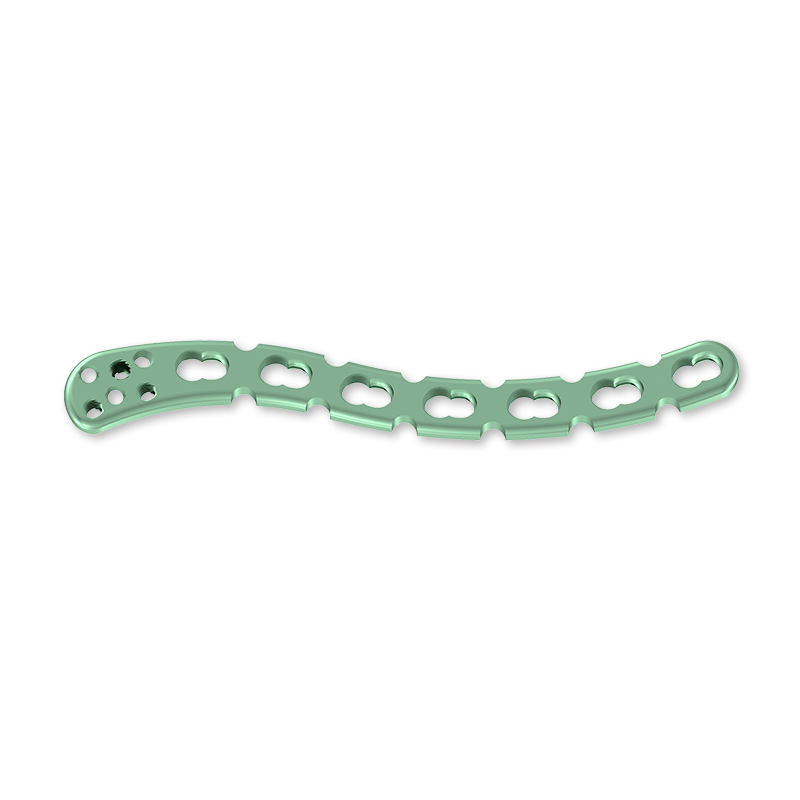
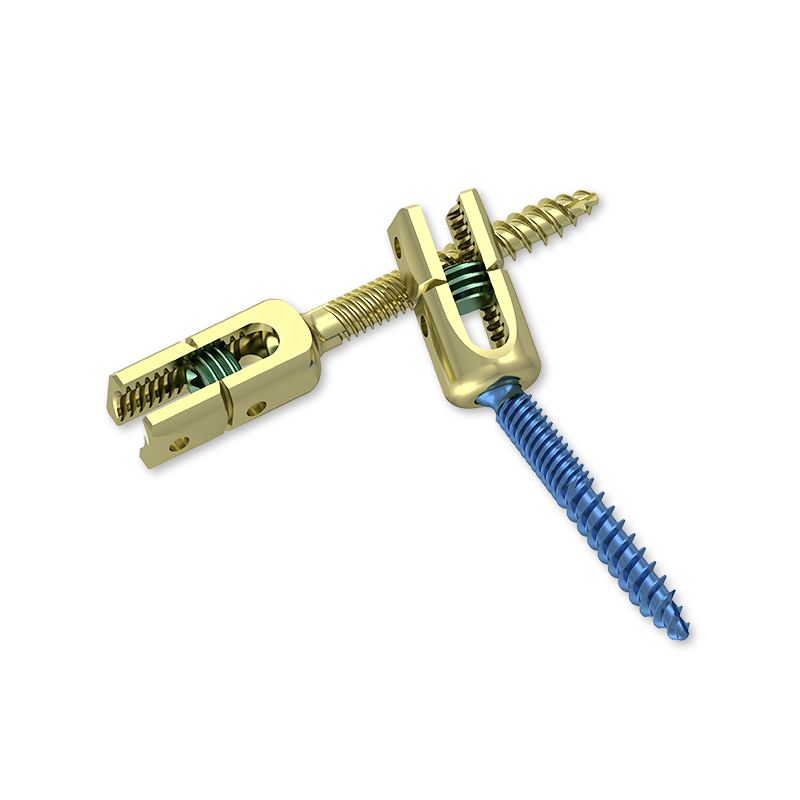
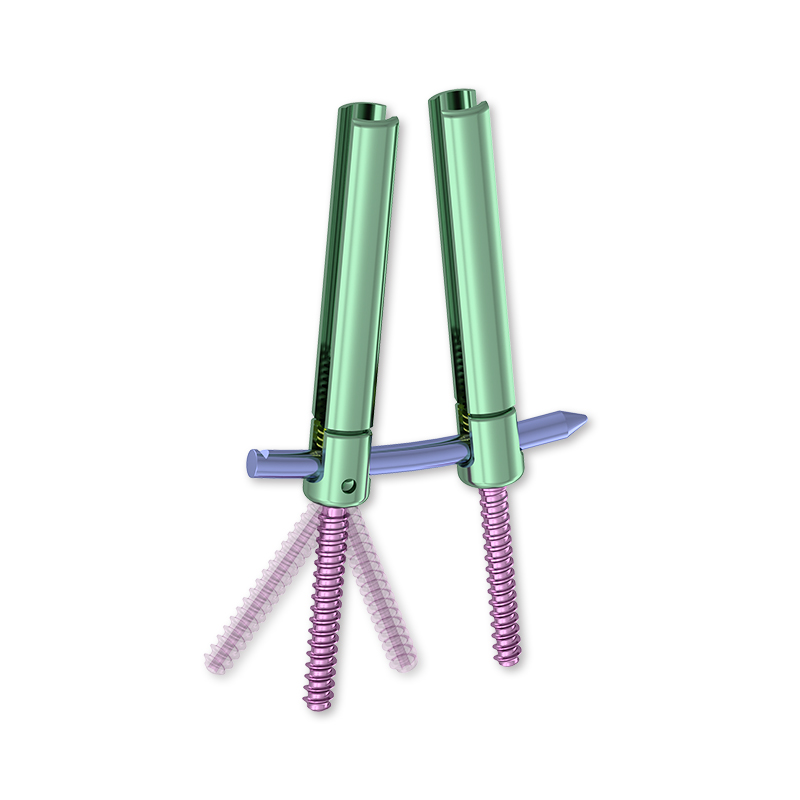
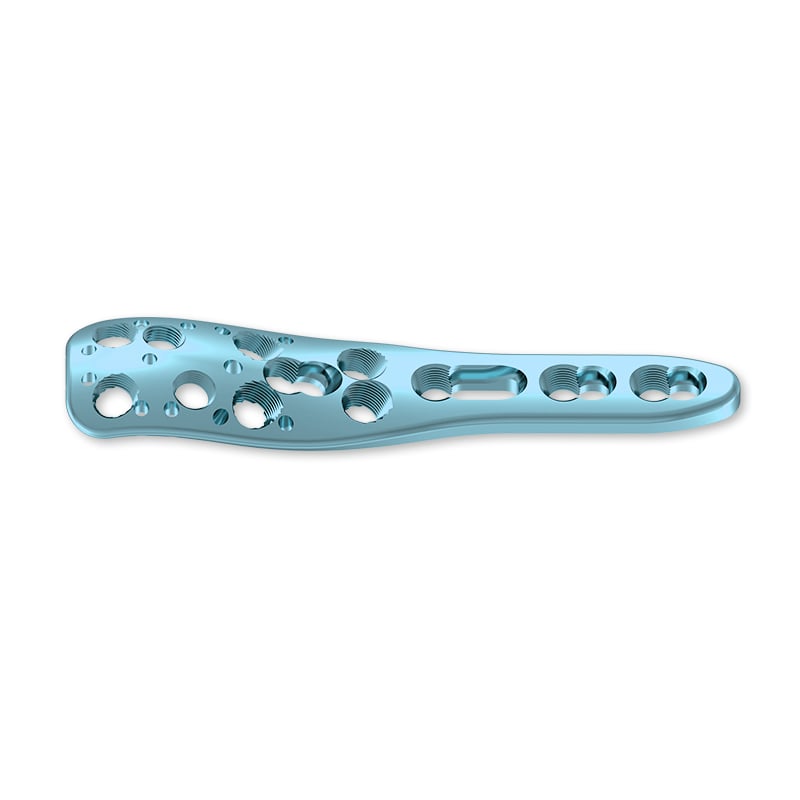
The diverse range of materials used in orthopedic implants enables customized solutions for virtually every musculoskeletal condition requiring surgical intervention. Trauma surgeons rely on stainless steel plates and screws for immediate fracture stabilization, providing rigid fixation that maintains bone alignment during healing. Joint replacement specialists utilize combinations of titanium stems, ceramic heads, and polyethylene liners to reconstruct hips and knees with bearing surfaces optimized for minimal wear and maximum longevity. Spinal surgeons employ titanium cages and pedicle screw systems to achieve fusion and restore spinal stability. The adaptability of these materials allows manufacturers to produce implants in numerous sizes, configurations, and specialized designs addressing patient-specific anatomy and pathology. Pediatric applications require materials that accommodate growth, while geriatric patients benefit from options designed for osteoporotic bone. Athletes receive implants engineered to withstand high-impact activities, and sedentary individuals receive cost-optimized solutions appropriate for lower demand profiles. This versatility ensures every patient receives treatment precisely matched to their clinical needs, activity level, and expected outcomes, maximizing surgical success rates across diverse patient populations.

Get a Free Quote

Our representative will contact you soon.
Email
Name
Company Name
Message
0/1000
Newsletter
Please Leave A Message With Us