Medical Grade Cannulated Screw Solutions

All Categories

Get a Free Quote

Our representative will contact you soon.
Email
Name
Company Name
Message
0/1000

medical grade cannulated screw

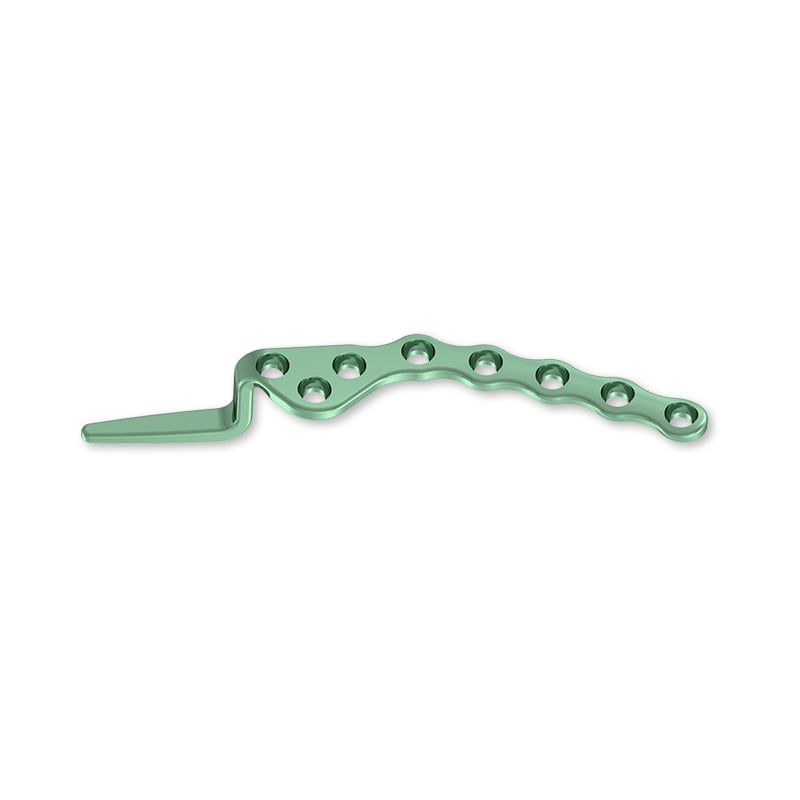
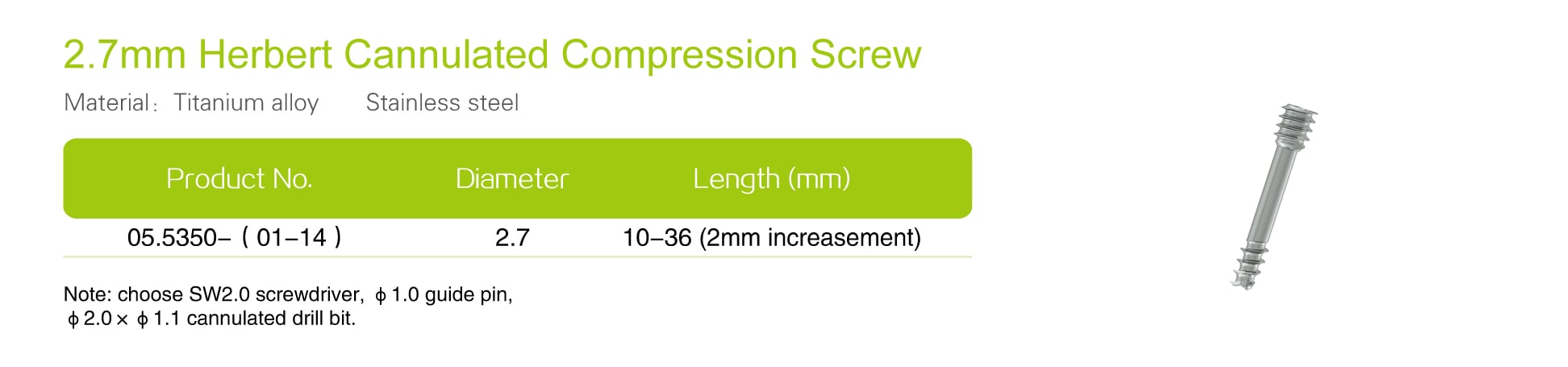
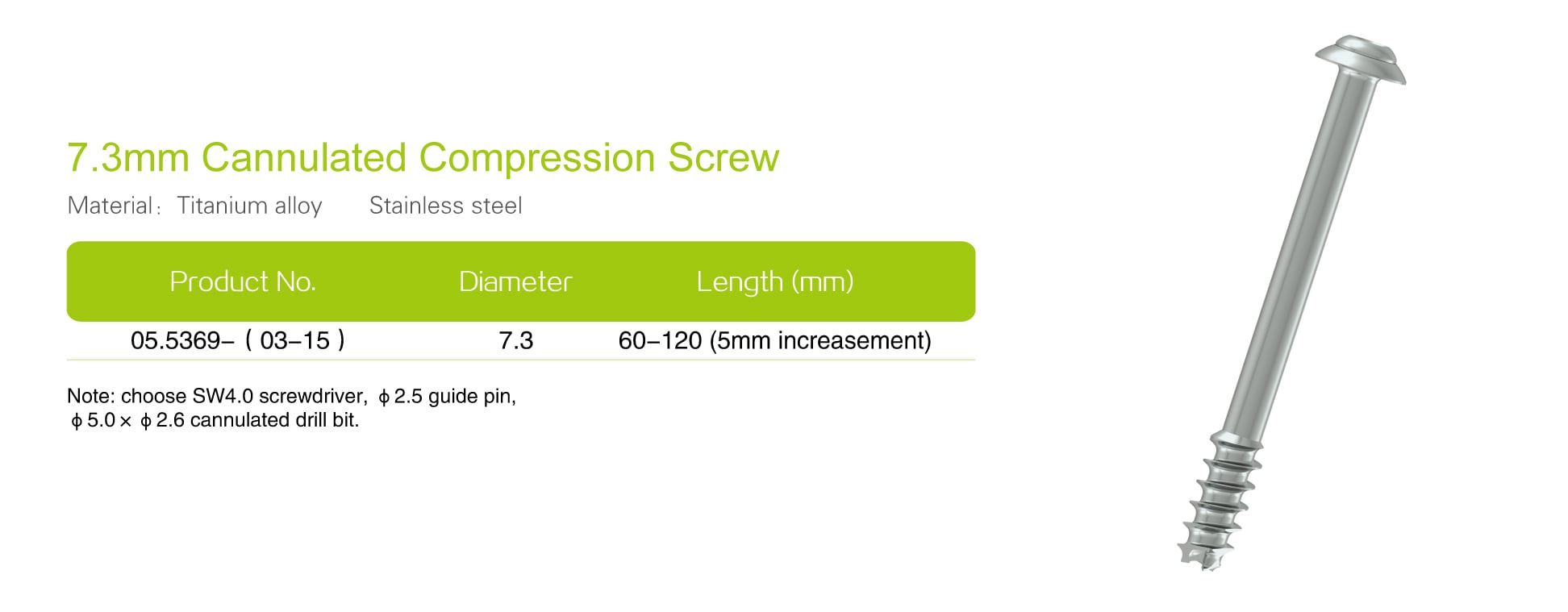
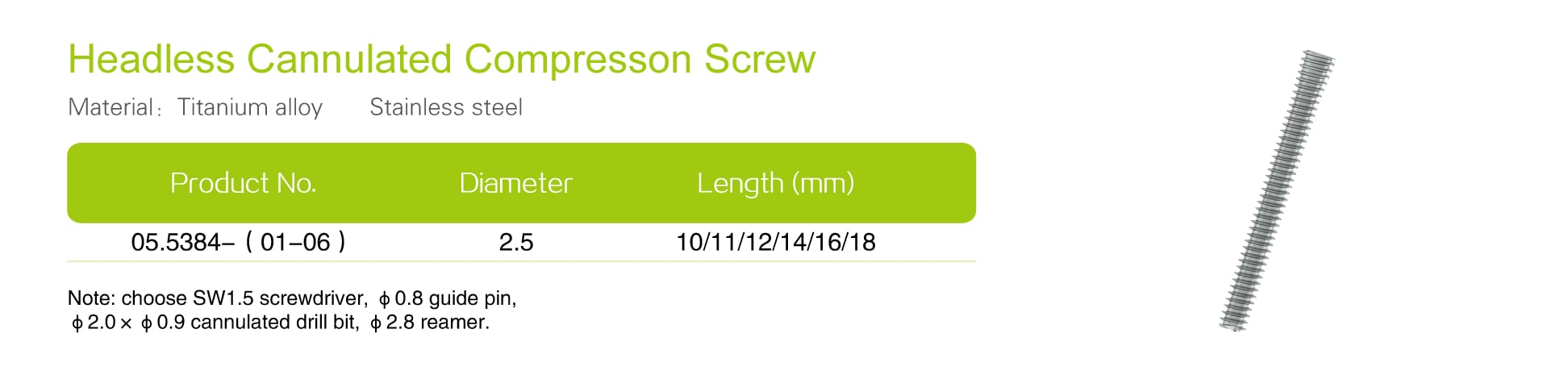
A medical grade cannulated screw represents a sophisticated orthopedic fixation device designed to stabilize bone fractures and facilitate optimal healing outcomes. This specialized surgical implant features a hollow cylindrical center that runs through its entire length, allowing surgeons to insert it over a pre-positioned guidewire for precise placement during surgical procedures. The medical grade cannulated screw is manufactured from biocompatible materials such as titanium alloy or stainless steel, ensuring compatibility with human tissue while providing exceptional mechanical strength. Its primary functions include fracture fixation, bone fragment compression, and joint reconstruction across various anatomical locations. The cannulated design offers significant technological advantages over traditional solid screws, enabling minimally invasive insertion techniques that reduce surgical trauma and accelerate patient recovery. These screws are engineered with self-tapping threads that facilitate insertion through bone tissue without requiring pre-threading, while the cannulation channel accommodates guidewires ranging from 1.0mm to 3.0mm in diameter depending on screw size. Medical grade cannulated screws find extensive applications in treating hip fractures, particularly femoral neck and intertrochanteric fractures, as well as ankle, wrist, and hand bone injuries. Their versatility extends to reconstructive procedures including scaphoid fractures, malleolar fractures, and various small bone fixations. The precision placement capability of the medical grade cannulated screw makes it indispensable in modern orthopedic surgery, where accurate positioning directly correlates with surgical success rates and patient outcomes. Available in multiple diameters, lengths, and thread configurations, these screws accommodate diverse anatomical requirements and surgical preferences across pediatric, adult, and geriatric patient populations.

New Product Releases

The medical grade cannulated screw delivers exceptional value through its unique design that enables surgeons to achieve precise implant positioning with reduced surgical complexity. The hollow core design allows placement over a guidewire, eliminating guesswork and ensuring the screw follows the exact predetermined path established during pre-operative planning. This accuracy translates into shorter operation times, reduced anesthesia exposure for patients, and decreased risk of complications from misplacement. The minimally invasive insertion technique made possible by the medical grade cannulated screw results in smaller incisions, less soft tissue damage, and minimal blood loss compared to traditional open surgical approaches. Patients benefit from reduced post-operative pain, shorter hospital stays, and faster return to normal activities, which collectively lower overall healthcare costs. From an operational perspective, the medical grade cannulated screw streamlines surgical workflow by simplifying the fixation process through its self-tapping thread design that cuts through bone efficiently without requiring separate tapping instruments. This efficiency reduces surgical instrument requirements and decreases procedure duration, allowing surgical teams to optimize operating room utilization. The biocompatible materials used in manufacturing ensure long-term implant stability without adverse tissue reactions, while the robust mechanical properties provide reliable fracture stabilization across varying bone densities. Healthcare facilities appreciate the versatility of the medical grade cannulated screw across multiple orthopedic applications, reducing inventory complexity while maintaining comprehensive treatment capabilities. The radiographic visibility of these implants facilitates accurate post-operative assessment and long-term monitoring of fracture healing progress. Decision-makers selecting fixation solutions recognize that investing in quality medical grade cannulated screws enhances surgical outcomes, improves patient satisfaction scores, and supports positive institutional reputation. The proven track record of these devices across millions of successful procedures worldwide provides confidence in their reliability and effectiveness for treating diverse orthopedic conditions.

Latest News

Why Is Pedicle Screw Accuracy Critical in Minimally Invasive Spine Surgery?

02

Jun

Why Is Pedicle Screw Accuracy Critical in Minimally Invasive Spine Surgery?

In the evolving landscape of spinal surgery, precision is not merely a technical preference — it is a clinical imperative. The pedicle screw has become the cornerstone of modern spinal fixation systems, offering surgeons a reliable anchor point...
View More
How to Choose the Right Pedicle Screw Size for Lumbar Fusion Procedures?

02

Jun

How to Choose the Right Pedicle Screw Size for Lumbar Fusion Procedures?

Selecting the correct pedicle screw size for lumbar fusion procedures is one of the most consequential decisions a spine surgeon makes during operative planning. The diameter, length, and thread design of each pedicle screw directly influence fixatio...
View More
How Does Spinal Screw Improve Outcomes in Scoliosis Correction Surgery?

06

Jul

How Does Spinal Screw Improve Outcomes in Scoliosis Correction Surgery?

Scoliosis correction surgery is one of the most technically demanding procedures in spinal care, requiring precise instrumentation to restore alignment and maintain long-term stability. At the center of modern surgical technique, the spinal screw has...
View More
How Does Spinal Screw Design Enhance Mechanical Strength and Fixation?

06

Jul

How Does Spinal Screw Design Enhance Mechanical Strength and Fixation?

In modern spinal surgery, the pedicle screw is one of the most critical implants used to stabilize the vertebral column. Whether the procedure involves deformity correction, fracture management, or spinal fusion, the pedicle screw serves as the prima...
View More

Get a Free Quote

Our representative will contact you soon.
Email
Name
Company Name
Message
0/1000

medical grade cannulated screw

Precision Guidewire-Directed Placement Technology

Precision Guidewire-Directed Placement Technology

The defining characteristic of the medical grade cannulated screw lies in its hollow core architecture that enables guidewire-directed insertion, revolutionizing surgical precision in orthopedic fixation procedures. Surgeons first insert a thin guidewire through the bone along the optimal trajectory, confirmed through fluoroscopic imaging to ensure perfect positioning before any permanent implant placement. The medical grade cannulated screw then advances over this guidewire like a train following tracks, guaranteeing the implant follows the exact predetermined path with millimeter-level accuracy. This technology proves invaluable in anatomically challenging locations where even slight deviations could compromise joint surfaces or neurovascular structures. The guidewire remains in place throughout insertion, providing continuous directional control and preventing screw migration during advancement through bone tissue. Once the medical grade cannulated screw reaches its final position, the guidewire is simply withdrawn through the hollow channel, leaving the perfectly positioned implant. This approach dramatically reduces the risk of malposition compared to freehand insertion techniques, directly improving surgical success rates and patient outcomes while shortening learning curves for developing surgeons.
Minimally Invasive Surgical Compatibility

Minimally Invasive Surgical Compatibility

The medical grade cannulated screw serves as a cornerstone device for minimally invasive orthopedic surgery, enabling effective fracture treatment through incisions measuring just 1-2 centimeters compared to traditional open approaches requiring 10-15 centimeter incisions. This compatibility with percutaneous techniques stems from the guidewire-based insertion method, where surgeons establish the correct trajectory through small stab incisions using fluoroscopic guidance rather than requiring extensive surgical exposure. Patients experience substantially less soft tissue trauma, muscle damage, and blood loss, translating into reduced post-operative pain and accelerated rehabilitation timelines. The smaller incisions associated with medical grade cannulated screw placement result in minimal scarring, addressing cosmetic concerns particularly important for younger patients and visible anatomical locations. Healthcare systems benefit from shorter hospital stays, decreased infection rates, and lower overall treatment costs associated with minimally invasive approaches. The reduced surgical trauma also makes the medical grade cannulated screw an ideal choice for elderly patients or those with compromised healing capacity, where extensive open surgery carries elevated risks. This surgical efficiency does not compromise fixation quality, as the compression and stability achieved match or exceed traditional plating techniques across many fracture patterns.
Versatile Multi-Application Platform

Versatile Multi-Application Platform

The medical grade cannulated screw provides surgeons with a versatile fixation solution applicable across an extraordinary range of orthopedic conditions, from traumatic fractures to reconstructive procedures spanning multiple anatomical regions. This single device platform effectively treats hip fractures in elderly patients, sports-related injuries in active adults, and pediatric growth plate fractures requiring specialized approaches. The medical grade cannulated screw is available in comprehensive size ranges from 2.0mm diameter mini-screws for delicate hand and foot bones to robust 7.3mm diameter screws for large weight-bearing applications in the hip and ankle. Thread design variations include fully threaded configurations for compression across fracture sites and partially threaded options where interfragmentary compression is required without thread engagement in the near cortex. Material options of titanium alloy and stainless steel accommodate different clinical preferences regarding biocompatibility profiles, imaging characteristics, and mechanical properties. This versatility allows healthcare facilities to maintain a streamlined inventory while ensuring comprehensive treatment capabilities across orthopedic subspecialties including trauma, sports medicine, foot and ankle, hand surgery, and joint reconstruction. Surgeons appreciate the consistent surgical technique across applications, reducing cognitive load and allowing expertise developed in one anatomical area to transfer seamlessly to others using the same fundamental medical grade cannulated screw platform.

Get a Free Quote

Our representative will contact you soon.
Email
Name
Company Name
Message
0/1000
Newsletter
Please Leave A Message With Us