Cannulated Screw Orthopedic Surgery Guide

All Categories

Get a Free Quote

Our representative will contact you soon.
Email
Name
Company Name
Message
0/1000

cannulated screw orthopedic surgery

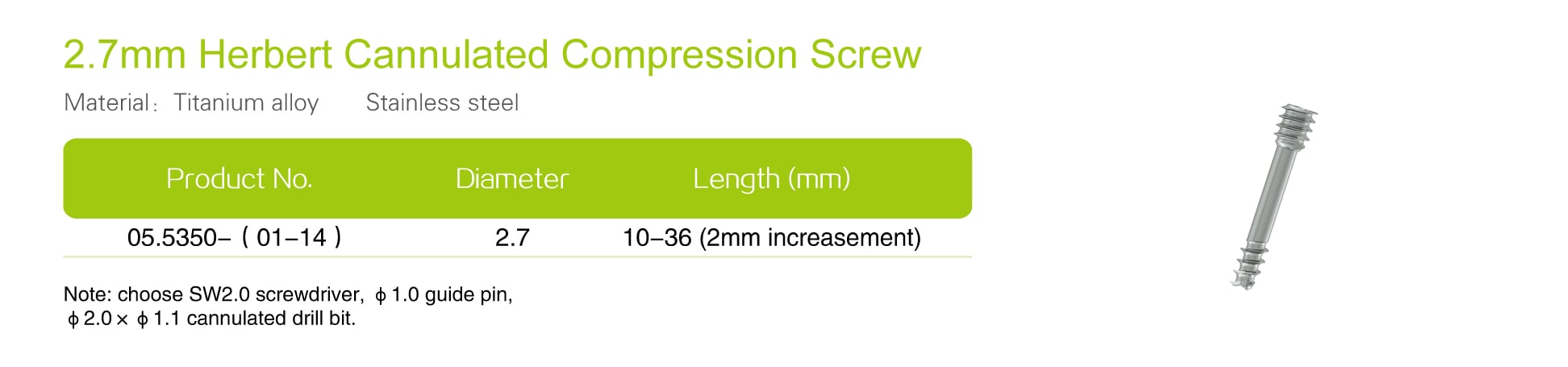
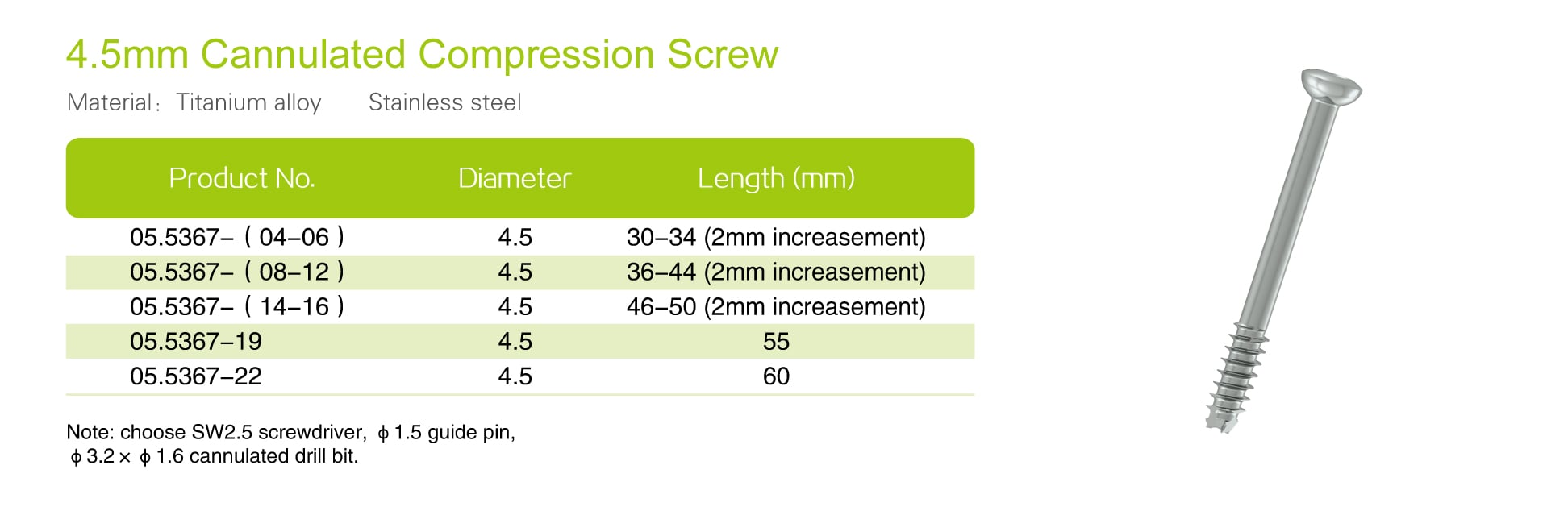
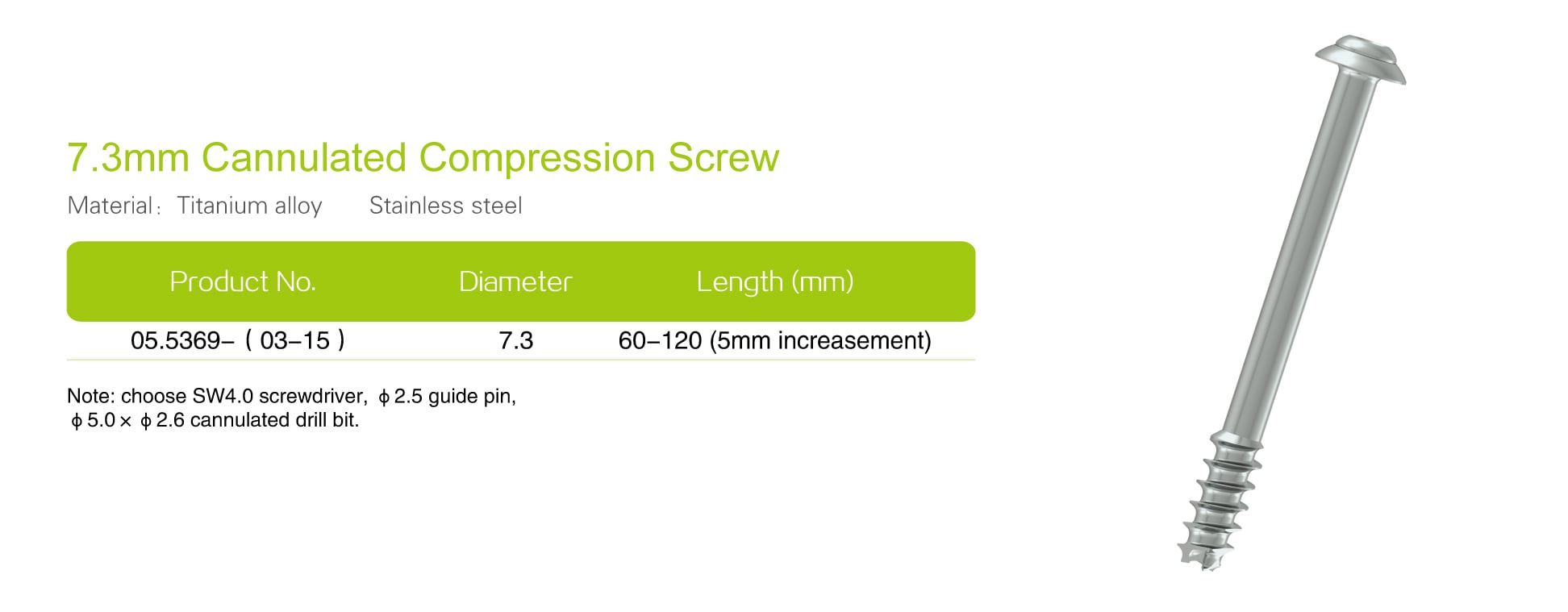
Cannulated screw orthopedic surgery represents a minimally invasive surgical technique widely employed in the treatment of various bone fractures and joint stabilization procedures. This advanced surgical method utilizes hollow screws with a central channel, allowing surgeons to insert them over a guidewire for precise placement and optimal fixation. The cannulated screw orthopedic surgery has become an essential procedure in modern orthopedics, particularly for treating femoral neck fractures, scaphoid fractures, ankle fractures, and other complex skeletal injuries requiring internal fixation. The primary function of this surgical approach involves stabilizing fractured bone segments while promoting natural healing processes. The hollow design of cannulated screws enables surgeons to achieve accurate screw positioning through fluoroscopic guidance, reducing surgical trauma and improving patient outcomes. Technological features of cannulated screw orthopedic surgery include self-tapping threads for easier insertion, varying screw diameters to accommodate different bone sizes, and biocompatible materials such as titanium or stainless steel that integrate seamlessly with bone tissue. Applications extend across multiple orthopedic subspecialties, including trauma surgery, sports medicine, and reconstructive procedures. The technique proves particularly valuable in treating hip fractures in elderly patients, where rapid stabilization and early mobilization are crucial for recovery. Additionally, cannulated screw orthopedic surgery finds extensive use in pediatric cases, small bone fixation, and arthrodesis procedures where precise screw placement is paramount for successful fusion outcomes.

Popular Products

The cannulated screw orthopedic surgery offers numerous practical benefits that directly impact patient recovery and surgical success rates. This surgical approach provides exceptional precision during screw placement, allowing surgeons to achieve optimal fixation with minimal tissue disruption. Patients benefit from smaller incisions compared to traditional open surgery techniques, resulting in reduced postoperative pain, decreased scarring, and faster recovery times. The guidewire-directed insertion method ensures accurate screw trajectory, minimizing the risk of malposition and the need for revision surgery. Operational benefits include shorter procedure times, as the cannulated design streamlines the insertion process and reduces fluoroscopy exposure for both patients and surgical teams. Surgeons appreciate the versatility of cannulated screw orthopedic surgery across various anatomical locations and fracture patterns, making it a reliable solution for diverse clinical scenarios. The technique enables early weight-bearing in many cases, facilitating quicker return to daily activities and improved quality of life. From a cost-effectiveness perspective, the minimally invasive nature reduces hospital stay duration and associated healthcare expenses while decreasing complication rates. Application suitability extends to patients of all ages, from pediatric cases requiring gentle fixation to geriatric patients needing stable fracture management with minimal surgical stress. The procedure accommodates both emergency trauma situations and elective reconstructive surgeries, demonstrating remarkable adaptability. Decision-useful context reveals that cannulated screw orthopedic surgery has demonstrated excellent long-term outcomes with high union rates and low complication profiles. Healthcare facilities benefit from streamlined surgical workflows, reduced operating room time, and improved resource utilization, making this technique both clinically superior and economically advantageous for comprehensive orthopedic care delivery.

Practical Tips

How Does Pedicle Screw Design Enhance Pullout Strength and Stability?

02

Jun

How Does Pedicle Screw Design Enhance Pullout Strength and Stability?

In modern spinal surgery, fixation reliability is not a secondary consideration — it is the foundation upon which patient outcomes are built. The pedicle screw has become the cornerstone of posterior spinal instrumentation, offering surgeons a ...
View More
What Role Does Spinal Screw Play in Complex Spinal Reconstruction?

06

Jul

What Role Does Spinal Screw Play in Complex Spinal Reconstruction?

In complex spinal reconstruction procedures, every implant must perform with precision and reliability. The spinal screw is one of the most critical components in these surgeries, serving as the primary anchor that holds rods, connectors, and bone se...
View More
Why Is Accurate Spinal Screw Placement Crucial for Patient Safety?

06

Jul

Why Is Accurate Spinal Screw Placement Crucial for Patient Safety?

Pedicle screw placement is one of the most technically demanding steps in spinal surgery. When a surgeon positions each screw with precision, the entire construct gains stability, and the patient's recovery is protected from preventable complications...
View More
How Can Distributors Assess Pedicle Screw Supplier Reliability?

06

Jul

How Can Distributors Assess Pedicle Screw Supplier Reliability?

Choosing the right pedicle screw supplier is one of the most consequential decisions a medical device distributor can make. A pedicle screw supplier directly affects patient safety, regulatory standing, and the commercial reputation of every distribu...
View More

Get a Free Quote

Our representative will contact you soon.
Email
Name
Company Name
Message
0/1000

cannulated screw orthopedic surgery

Precision-Guided Fixation Technology

Precision-Guided Fixation Technology

The cornerstone advantage of cannulated screw orthopedic surgery lies in its precision-guided fixation technology that revolutionizes fracture treatment. The hollow screw design allows surgeons to insert a guidewire first, establishing the exact trajectory before screw placement. This preliminary positioning step provides real-time feedback through fluoroscopic imaging, enabling corrections before permanent fixation. The guidewire acts as a pathway that eliminates guesswork and significantly reduces the margin of error during critical procedures. This technological innovation proves invaluable when treating delicate anatomical areas such as the femoral neck, where even slight misalignment can compromise blood supply and healing potential. Surgeons can verify guidewire position from multiple angles, ensuring optimal screw placement that maximizes mechanical stability while respecting vital neurovascular structures. The precision-guided approach minimizes bone damage during insertion, preserving bone stock and maintaining structural integrity. For patients, this translates to better alignment of fractured fragments, enhanced biomechanical support, and improved functional outcomes. The technology particularly benefits complex fracture patterns where traditional screws would require extensive exposure and multiple insertion attempts, potentially weakening the bone further.
Minimally Invasive Surgical Approach

Minimally Invasive Surgical Approach

Cannulated screw orthopedic surgery exemplifies the paradigm shift toward minimally invasive surgical techniques that prioritize patient comfort and accelerated recovery. Unlike conventional open reduction methods requiring large incisions and extensive soft tissue dissection, this approach utilizes small percutaneous portals typically measuring only a few millimeters. The reduced surgical exposure preserves blood supply to bone and surrounding tissues, creating an optimal environment for fracture healing. Patients experience significantly less postoperative pain, requiring fewer narcotic medications and enabling earlier mobilization. The cosmetic advantages include minimal scarring, which holds particular importance for younger patients and those concerned about aesthetic outcomes. The minimally invasive nature reduces infection risk by limiting wound size and decreasing bacterial exposure during surgery. Hospital stays are shorter, often allowing same-day discharge or overnight observation rather than extended inpatient care. This approach reduces overall healthcare costs while maintaining or exceeding the clinical effectiveness of traditional methods. For elderly patients with multiple comorbidities, the reduced surgical stress translates to lower anesthesia requirements and decreased perioperative complications. The technique enables treatment of patients who might otherwise be considered poor surgical candidates due to medical fragility.
Versatile Clinical Applications

Versatile Clinical Applications

The remarkable versatility of cannulated screw orthopedic surgery addresses a comprehensive spectrum of skeletal injuries and reconstructive needs across diverse patient populations. This surgical method effectively treats femoral neck fractures in geriatric patients, scaphoid fractures in active individuals, ankle fractures requiring interfragmentary compression, and slipped capital femoral epiphysis in adolescents. The adaptability extends to both acute trauma management and elective procedures such as joint fusion surgeries where precise screw placement ensures optimal bone-to-bone contact. Surgeons can select from various screw sizes, thread configurations, and lengths to match specific anatomical requirements and bone quality characteristics. The technique accommodates both solid cortical bone and softer cancellous bone structures, maintaining fixation strength across different skeletal regions. Pediatric applications benefit from the minimally invasive approach that respects growth plates while providing adequate stabilization. Sports medicine practitioners utilize cannulated screw orthopedic surgery for rapid return-to-play scenarios, where strong fixation and minimal tissue trauma facilitate accelerated rehabilitation protocols. The method proves equally effective in revision surgeries where previous hardware removal creates challenging fixation scenarios requiring precise screw placement through compromised bone.

Get a Free Quote

Our representative will contact you soon.
Email
Name
Company Name
Message
0/1000
Newsletter
Please Leave A Message With Us