Orthopedic Spinal Screw - Precision Implants

All Categories

Get a Free Quote

Our representative will contact you soon.
Email
Name
Company Name
Message
0/1000

orthopedic spinal screw

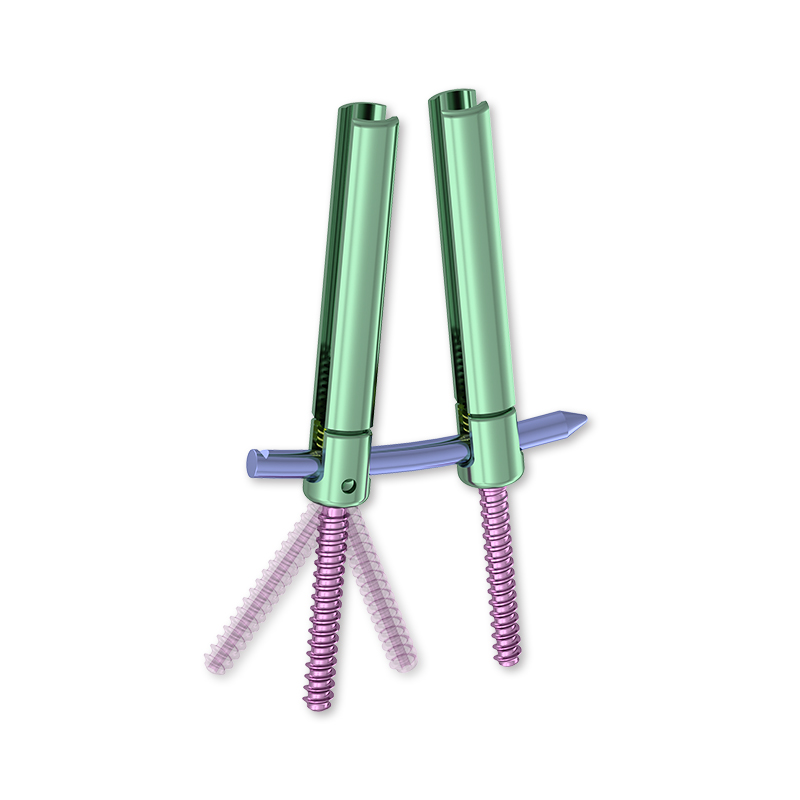
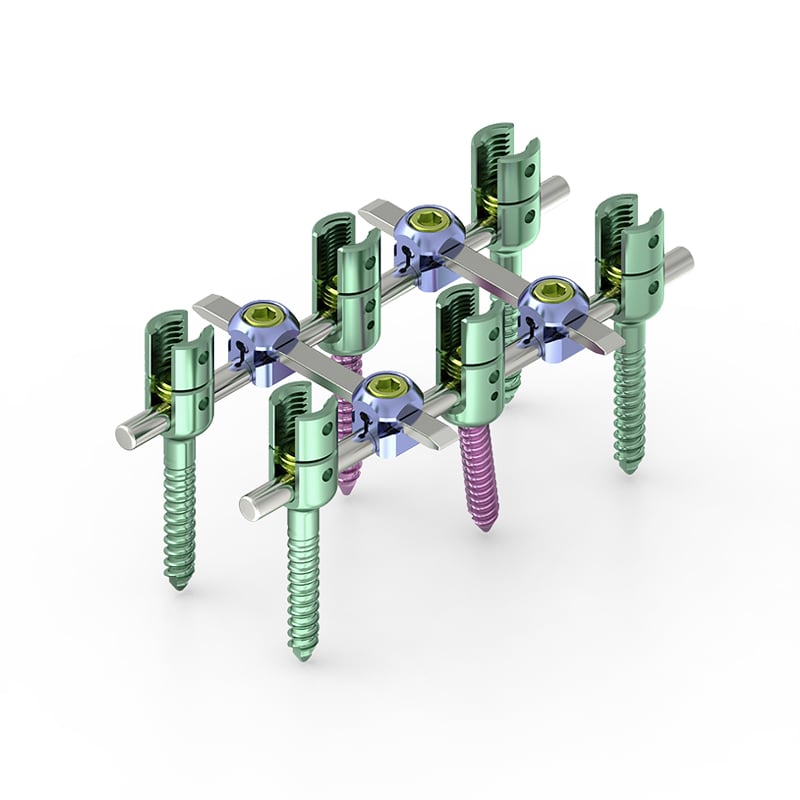
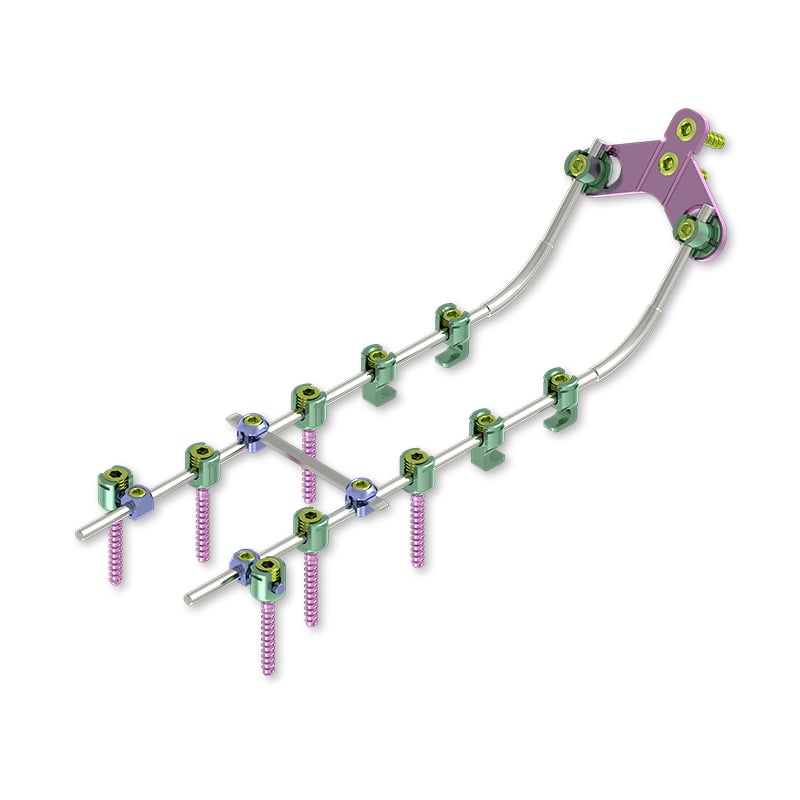
An orthopedic spinal screw is a specialized surgical implant designed to stabilize and support the vertebral column during spinal fusion and corrective procedures. These precision-engineered devices serve as anchoring points that secure rods, plates, and other instrumentation to the spine, enabling proper alignment and facilitating bone healing. The orthopedic spinal screw plays a critical role in treating various spinal conditions including degenerative disc disease, scoliosis, spinal fractures, and spinal instability. Manufactured from biocompatible materials such as titanium alloys or stainless steel, these screws are designed to integrate seamlessly with bone tissue while providing exceptional mechanical strength. The threading pattern of each orthopedic spinal screw is meticulously designed to maximize purchase in bone, ensuring secure fixation even in compromised bone quality. Modern designs incorporate advanced features such as self-tapping tips that facilitate easier insertion, cannulated cores that allow guidewire placement for accurate positioning, and polyaxial heads that offer surgeons greater flexibility in rod placement angles. The orthopedic spinal screw comes in various diameters and lengths to accommodate different anatomical requirements and surgical approaches, whether anterior, posterior, or lateral. Surgeons rely on these implants to restore spinal stability, correct deformities, and alleviate pain caused by structural abnormalities. The effectiveness of spinal surgery often depends on the quality and appropriate selection of the orthopedic spinal screw, making it an indispensable component in contemporary spine surgery practice.

New Product Recommendations

The orthopedic spinal screw offers numerous practical benefits that directly impact surgical outcomes and patient recovery. First, these screws provide exceptional stability during the critical healing period, allowing bone fusion to occur without movement that could compromise results. This stability translates to faster recovery times and reduced risk of hardware failure or revision surgery, saving patients both time and expense. The biocompatible materials used in manufacturing ensure that the orthopedic spinal screw integrates naturally with surrounding bone tissue, minimizing rejection risks and inflammatory responses. Surgeons appreciate the versatility these devices offer, as different sizes and configurations accommodate diverse patient anatomies and pathologies, from pediatric cases to complex adult deformities. The precision engineering behind each orthopedic spinal screw enables minimally invasive surgical techniques, which result in smaller incisions, less tissue damage, reduced blood loss, and shorter hospital stays for patients. This translates to lower overall healthcare costs and quicker return to daily activities. The consistent performance of quality spinal screws gives surgical teams confidence during procedures, reducing operative time and associated anesthesia risks. Patients benefit from improved pain relief and restored function as the orthopedic spinal screw maintains proper spinal alignment throughout the fusion process. The durability of these implants means they can provide lifelong support without degradation, eliminating concerns about future replacement. Healthcare facilities appreciate the reliability and documented clinical success rates associated with proven spinal screw designs, making procurement decisions easier and ensuring consistent patient outcomes across their orthopedic departments.

Practical Tips

How Do Orthopedic Implants Contribute to Minimally Invasive Surgery?

02

Jun

How Do Orthopedic Implants Contribute to Minimally Invasive Surgery?

The evolution of surgical medicine has brought forward one of the most significant shifts in patient care: the widespread adoption of minimally invasive surgery. At the heart of this transformation lies the role of orthopedic implants, which have bee...
View More
Why Is Pedicle Screw Accuracy Critical in Minimally Invasive Spine Surgery?

02

Jun

Why Is Pedicle Screw Accuracy Critical in Minimally Invasive Spine Surgery?

In the evolving landscape of spinal surgery, precision is not merely a technical preference — it is a clinical imperative. The pedicle screw has become the cornerstone of modern spinal fixation systems, offering surgeons a reliable anchor point...
View More
How to Optimize Pedicle Screw Placement for Better Surgical Outcomes?

06

Jul

How to Optimize Pedicle Screw Placement for Better Surgical Outcomes?

Achieving precise pedicle screw placement is one of the most critical skills in modern spinal surgery. When pedicle screw placement is performed accurately, it creates a stable fixation point that supports spinal fusion, corrects deformity, and reduc...
View More
How Does Spinal Screw Fixation Improve Stability in Spinal Fusion Surgery?

06

Jul

How Does Spinal Screw Fixation Improve Stability in Spinal Fusion Surgery?

Spinal fusion surgery is one of the most common and technically demanding procedures in orthopedic and neurosurgical practice. At the heart of this procedure lies a critical mechanical principle: the spine must be held in precise alignment while bone...
View More

Get a Free Quote

Our representative will contact you soon.
Email
Name
Company Name
Message
0/1000

orthopedic spinal screw

Advanced Thread Design for Superior Bone Fixation

Advanced Thread Design for Superior Bone Fixation

The thread geometry of an orthopedic spinal screw represents a critical engineering achievement that directly influences surgical success. Modern thread designs feature variable pitch patterns that optimize bone purchase across different bone densities, ensuring secure fixation whether placed in healthy cortical bone or compromised osteoporotic vertebrae. The depth, angle, and spacing of threads are calculated to maximize surface contact area while minimizing stress concentration that could lead to bone fracture during insertion. Self-tapping thread configurations eliminate the need for pre-tapping in many cases, reducing surgical time and preserving valuable bone stock. The orthopedic spinal screw thread design also facilitates controlled insertion torque, giving surgeons tactile feedback about bone quality and screw engagement. This advanced threading creates micro-interlocking with trabecular bone structures, distributing load forces evenly and preventing screw loosening over time. For patients, this means more reliable long-term stability and reduced risk of hardware complications that would require additional surgery. The thread design also influences how quickly bone grows into and around the screw surface, promoting biological integration that strengthens fixation beyond purely mechanical grip.
Polyaxial Head Technology for Surgical Flexibility

Polyaxial Head Technology for Surgical Flexibility

Polyaxial head design represents a significant advancement in orthopedic spinal screw functionality, offering surgeons unprecedented flexibility during rod placement and construct assembly. Unlike fixed-angle screws, polyaxial designs allow the screw head to pivot through a wide range of angles before final tightening, accommodating anatomical variations and surgical plan adjustments without compromising fixation strength. This feature proves invaluable when addressing complex spinal deformities or when patient anatomy presents unexpected challenges during surgery. The orthopedic spinal screw with polyaxial capability enables surgeons to place screws in optimal bone positions first, then adjust head angles to align perfectly with connecting rods, rather than being constrained by predetermined trajectories. This flexibility reduces the need for screw repositioning, decreasing operative time and tissue trauma. The locking mechanism within polyaxial heads maintains the selected angle securely throughout the patient's lifetime, ensuring construct integrity under normal physiological loads. For surgical teams, this technology simplifies complex procedures and improves reproducibility of successful techniques. Patients benefit from more anatomically precise corrections and constructs that better distribute mechanical stresses, potentially reducing adjacent segment degeneration and long-term complications.
Biocompatible Materials Ensuring Long-Term Integration

Biocompatible Materials Ensuring Long-Term Integration

Material selection for the orthopedic spinal screw is fundamental to both immediate surgical success and long-term patient outcomes. Titanium alloys, particularly Ti-6Al-4V, dominate modern spinal screw manufacturing due to their exceptional strength-to-weight ratio, corrosion resistance, and proven biocompatibility. These materials trigger minimal immune response while promoting osseointegration, the process where bone cells grow directly onto the implant surface, creating a biological bond that enhances mechanical fixation. The orthopedic spinal screw manufactured from premium titanium alloys exhibits elastic modulus closer to natural bone compared to stainless steel alternatives, reducing stress shielding effects that can lead to bone resorption around implants. Surface treatments and coatings further enhance biocompatibility, with options including plasma spray, hydroxyapatite coating, or micro-textured finishes that accelerate bone bonding. The non-magnetic properties of titanium ensure patient compatibility with MRI imaging, allowing post-operative monitoring without artifact interference. Corrosion resistance guarantees that the orthopedic spinal screw maintains structural integrity throughout decades of exposure to bodily fluids, eliminating concerns about material degradation or metal ion release. For patients, this means a permanent solution without the need for future removal procedures, and for healthcare providers, it represents a reliable, proven technology with extensive clinical documentation supporting safety and effectiveness.

Get a Free Quote

Our representative will contact you soon.
Email
Name
Company Name
Message
0/1000
Newsletter
Please Leave A Message With Us