spinal fixation implant
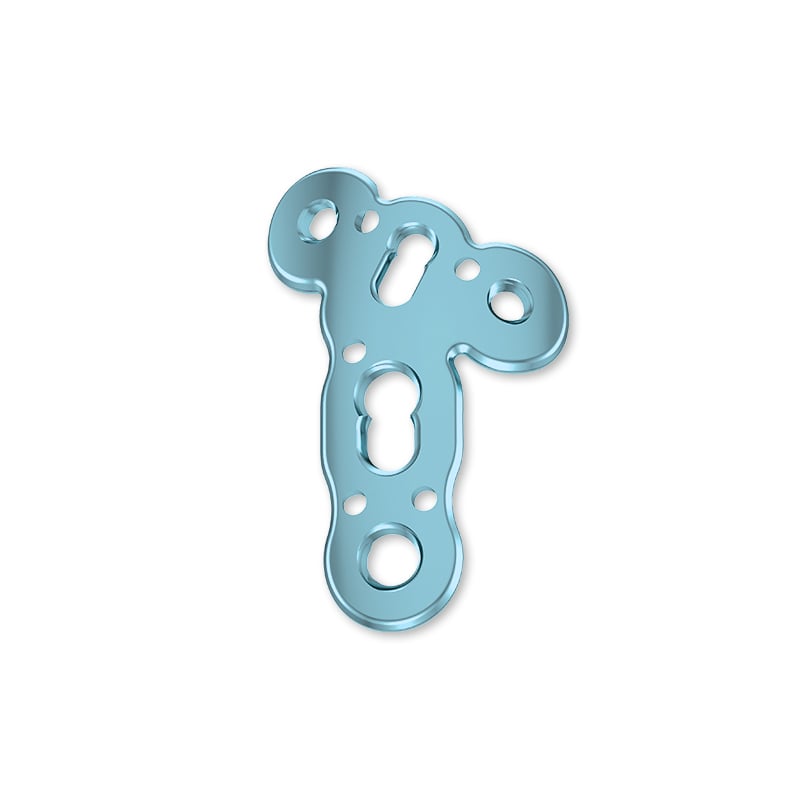
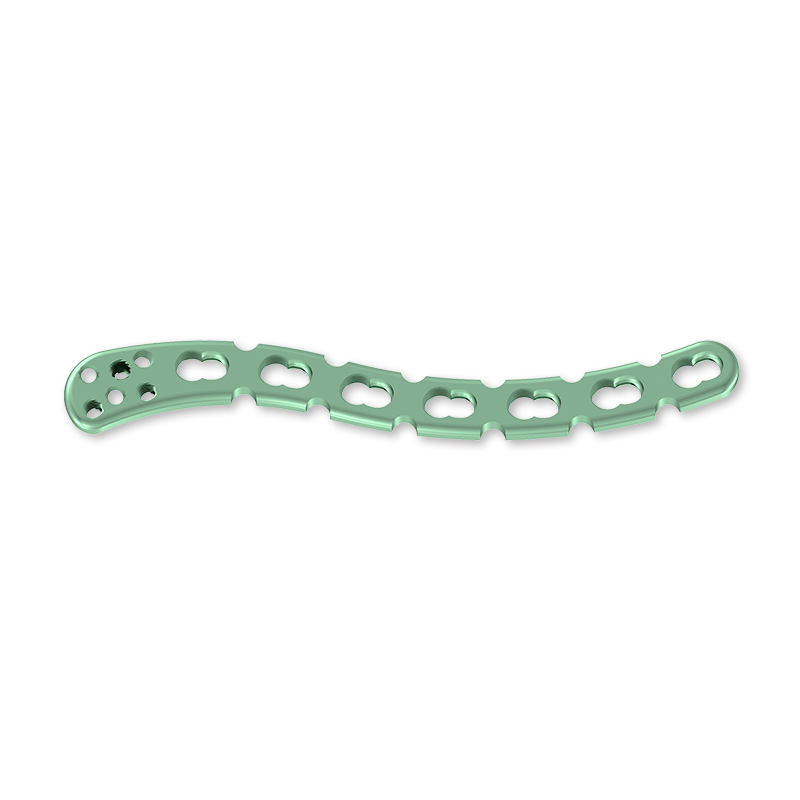
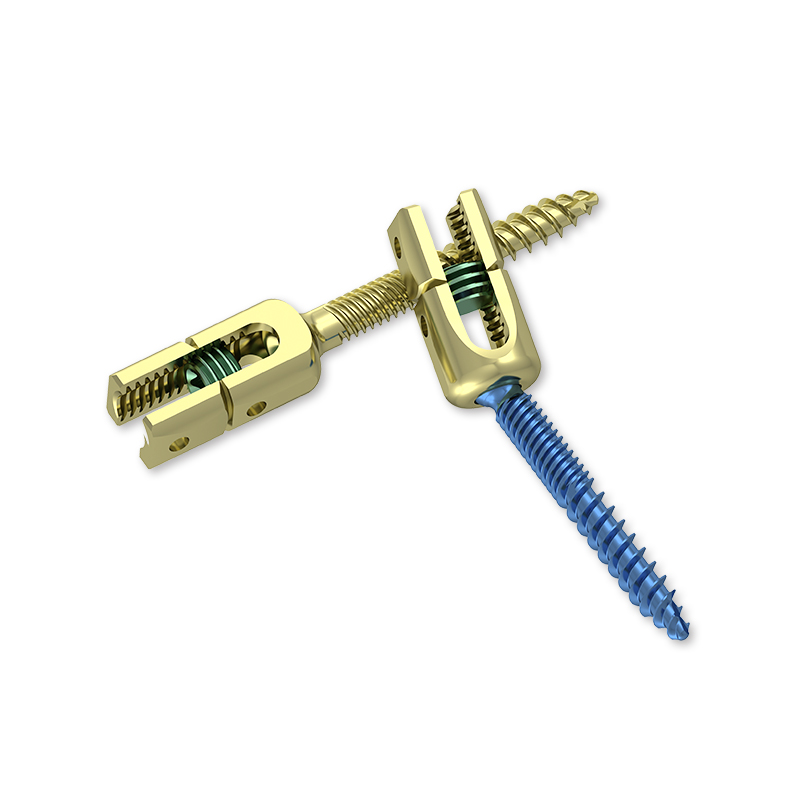
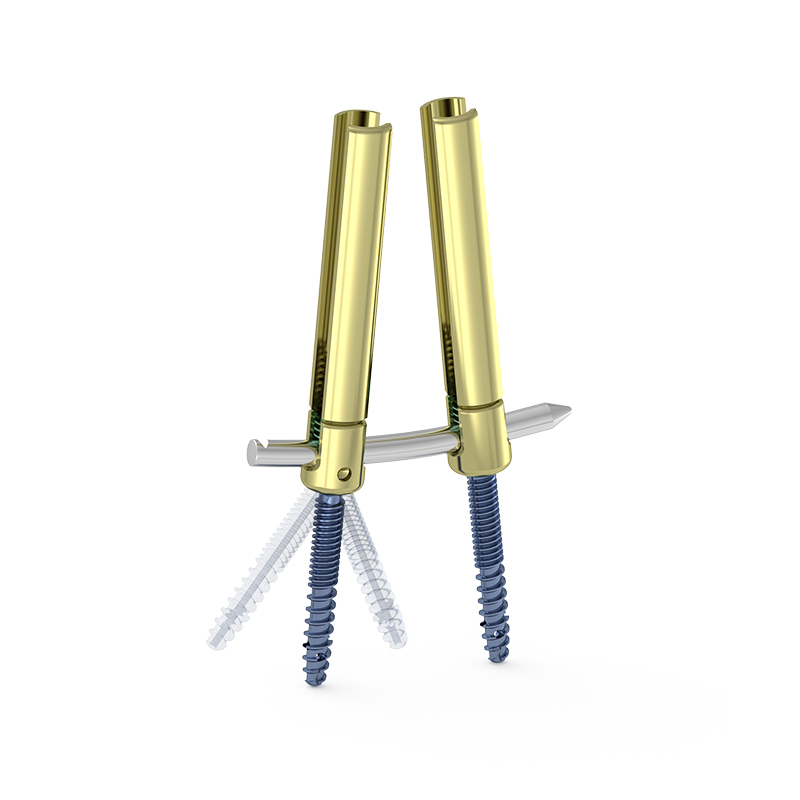
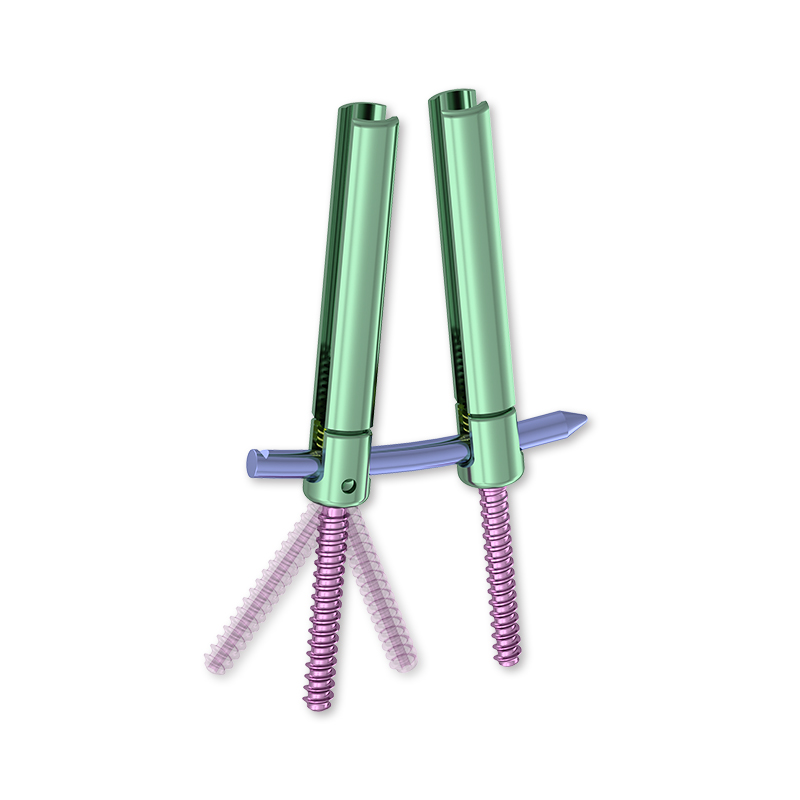
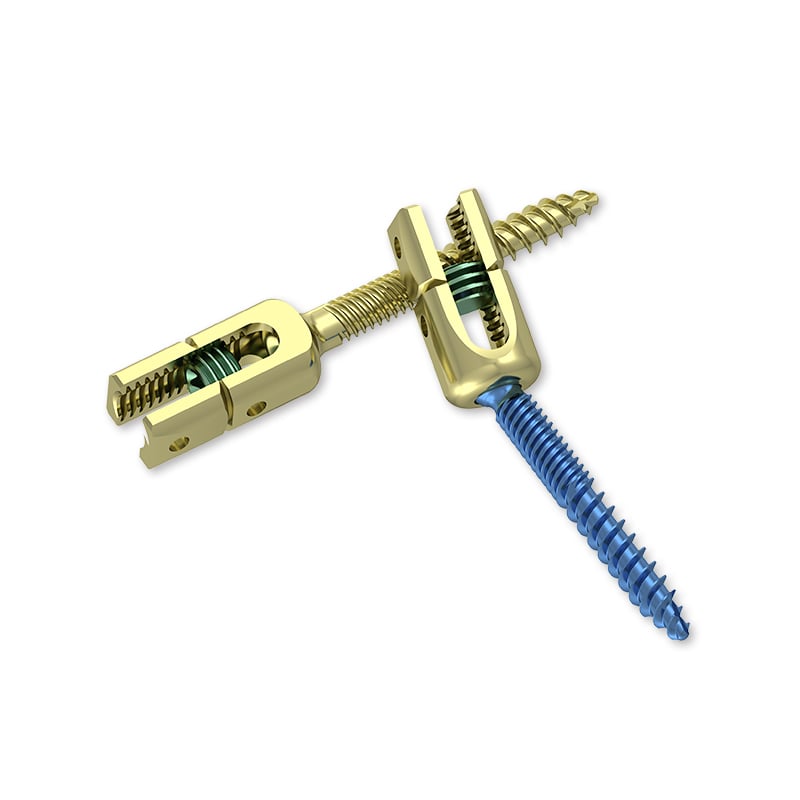
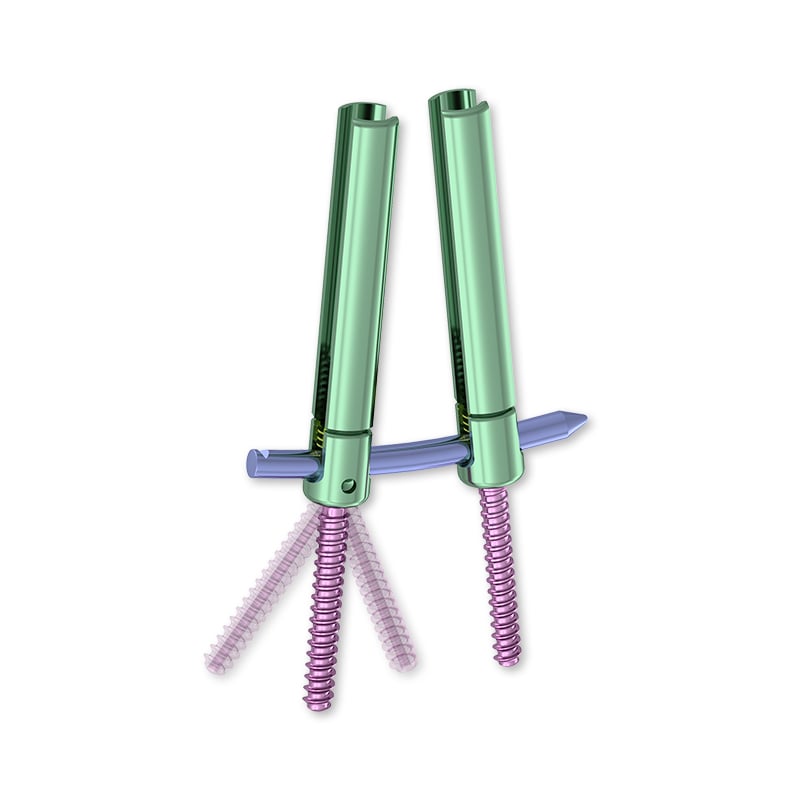
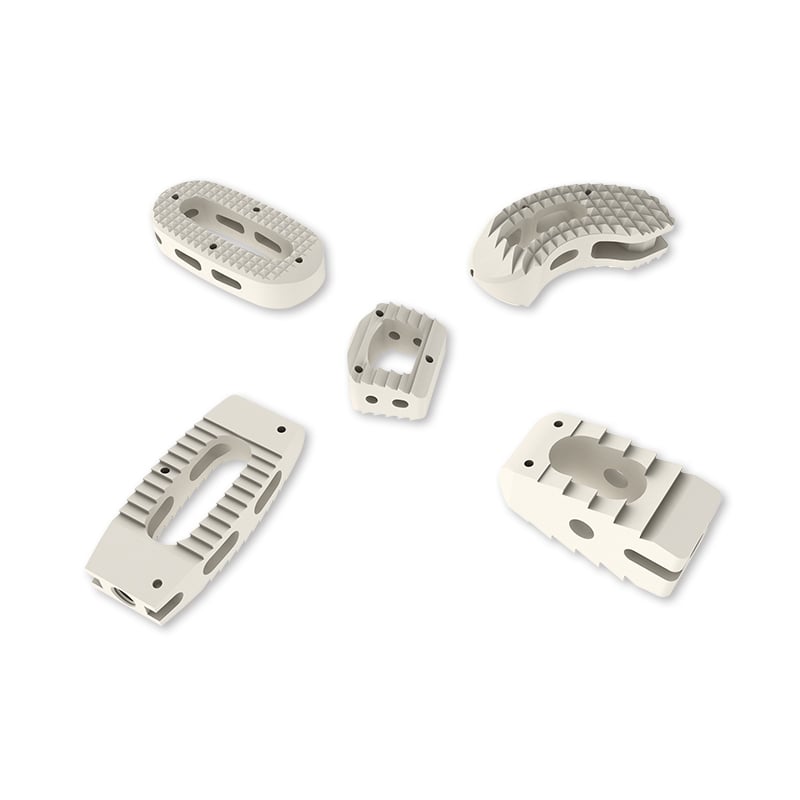
A spinal fixation implant is a specialized medical device designed to stabilize and support the vertebral column during spinal surgery or following spinal injury. This critical orthopedic solution serves to immobilize specific segments of the spine, promoting proper healing and alignment while reducing pain and preventing further damage. The spinal fixation implant system typically consists of rods, screws, plates, hooks, and cages that work together to create a rigid framework around damaged or unstable vertebrae. These implants are manufactured from biocompatible materials such as titanium alloys, stainless steel, or polyetheretherketone, ensuring long-term durability and compatibility with human tissue. The primary functions include providing immediate structural support, maintaining proper spinal alignment during fusion procedures, correcting deformities such as scoliosis or kyphosis, and facilitating bone growth between vertebral segments. Technological features of modern spinal fixation implant systems include anatomically contoured designs that match natural spinal curvature, low-profile construction to minimize tissue irritation, and modular components allowing surgeons to customize configurations for individual patient anatomy. Advanced surface treatments promote osseointegration, while radiolucent materials enable clear post-operative imaging. Applications span various spinal conditions including degenerative disc disease, spinal fractures, tumors, infections, and congenital abnormalities. The spinal fixation implant plays an essential role in both open surgical procedures and minimally invasive techniques, supporting patients across all age groups from pediatric to geriatric populations requiring spinal stabilization.

 EN
EN