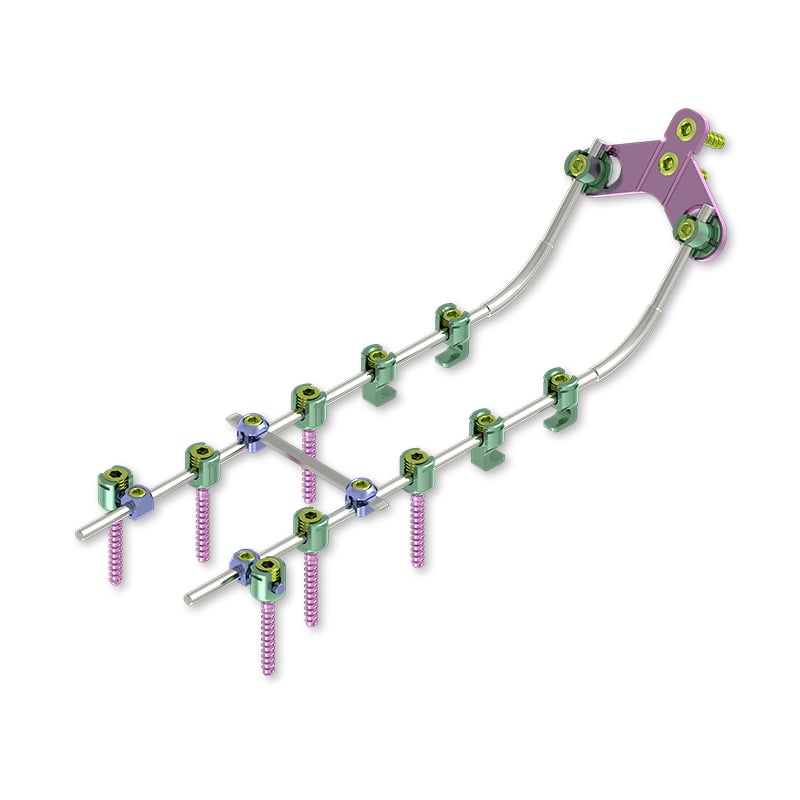
reduction spinal screw
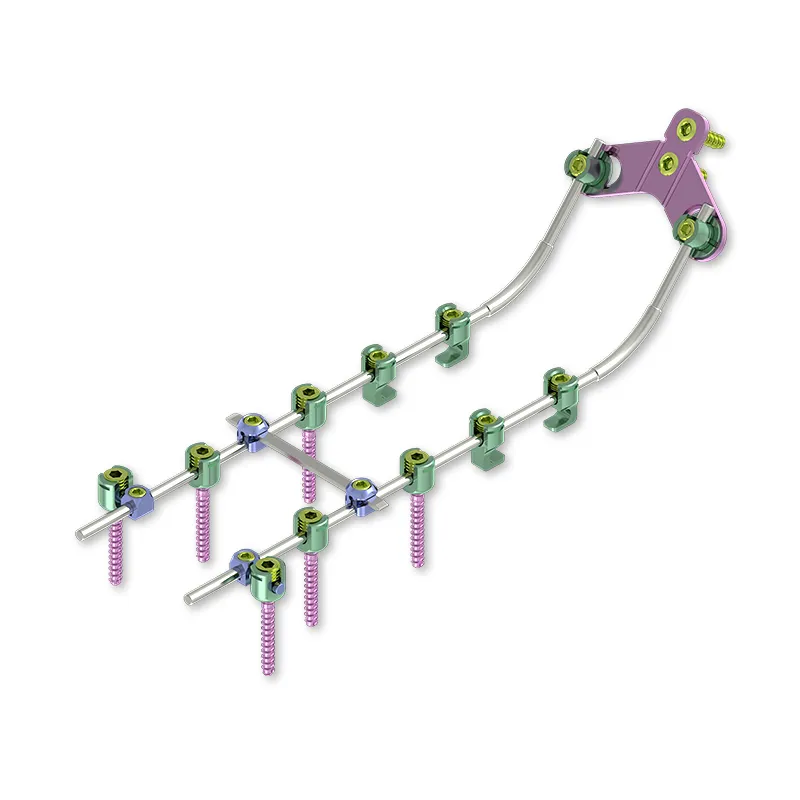
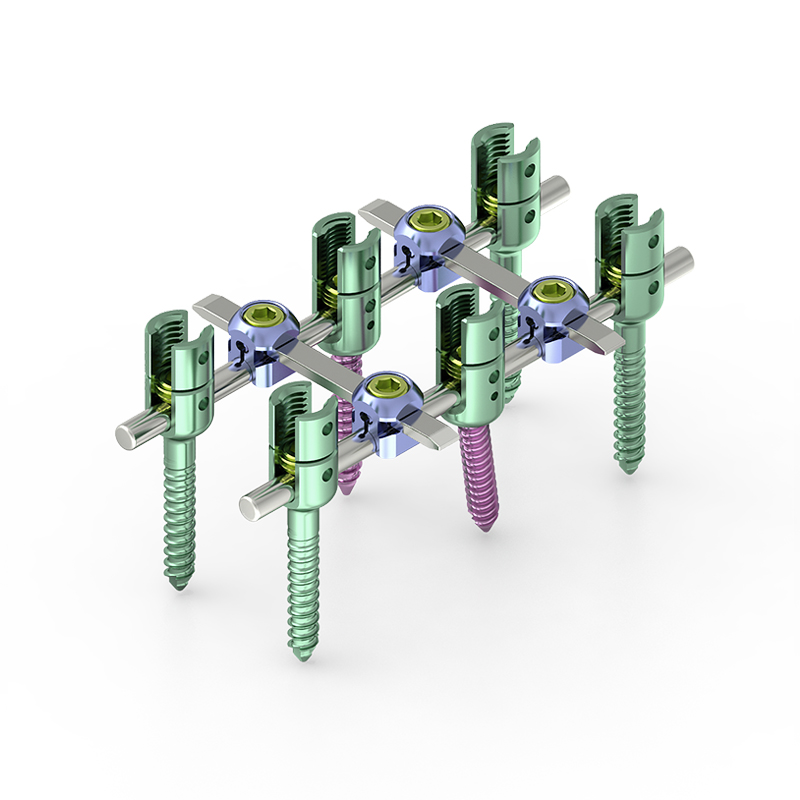
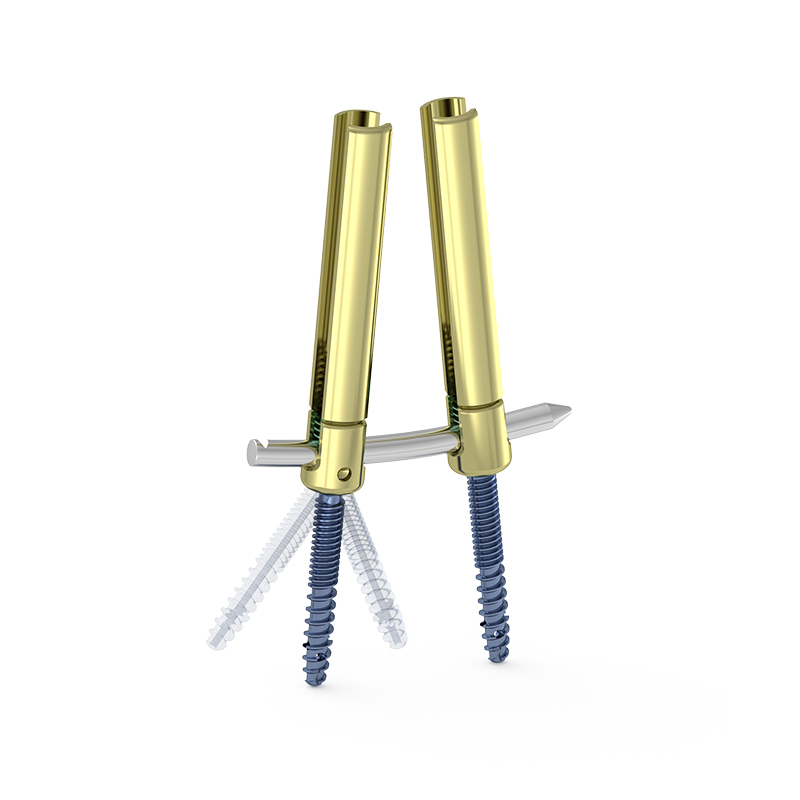
The reduction spinal screw is an advanced orthopedic implant designed specifically for spinal fusion and correction procedures. This specialized surgical instrument combines two critical functions: it provides robust fixation to stabilize vertebral segments while simultaneously enabling surgeons to manipulate and reduce spinal deformities during operation. The reduction spinal screw features an integrated reduction mechanism that allows controlled repositioning of vertebrae to achieve proper anatomical alignment before final fixation. The device consists of a threaded body that anchors securely into the pedicle of vertebrae, along with a tulip-shaped head that accommodates spinal rods and facilitates reduction maneuvers. Technologically, the reduction spinal screw incorporates polyaxial capabilities, permitting multi-directional angulation to accommodate varied spinal anatomy and surgical approaches. The reduction mechanism typically employs either a set-screw design or a specialized reduction cap that gradually draws the spinal rod into the screw head, effectively correcting vertebral displacement. Modern reduction spinal screws are manufactured from titanium alloy or stainless steel, materials chosen for their exceptional biocompatibility, strength, and resistance to corrosion in the physiological environment. Applications for the reduction spinal screw span various spinal pathologies including degenerative disc disease, scoliosis, spondylolisthesis, traumatic fractures, and tumor-related vertebral instability. Surgeons utilize these devices in both minimally invasive and open surgical techniques across cervical, thoracic, and lumbar spinal regions, making the reduction spinal screw an indispensable component in contemporary spinal instrumentation systems.

 EN
EN