Orthopedic Implants Screws | Surgical Fixation

All Categories

Get a Free Quote

Our representative will contact you soon.
Email
Name
Company Name
Message
0/1000

orthopedic implants screws

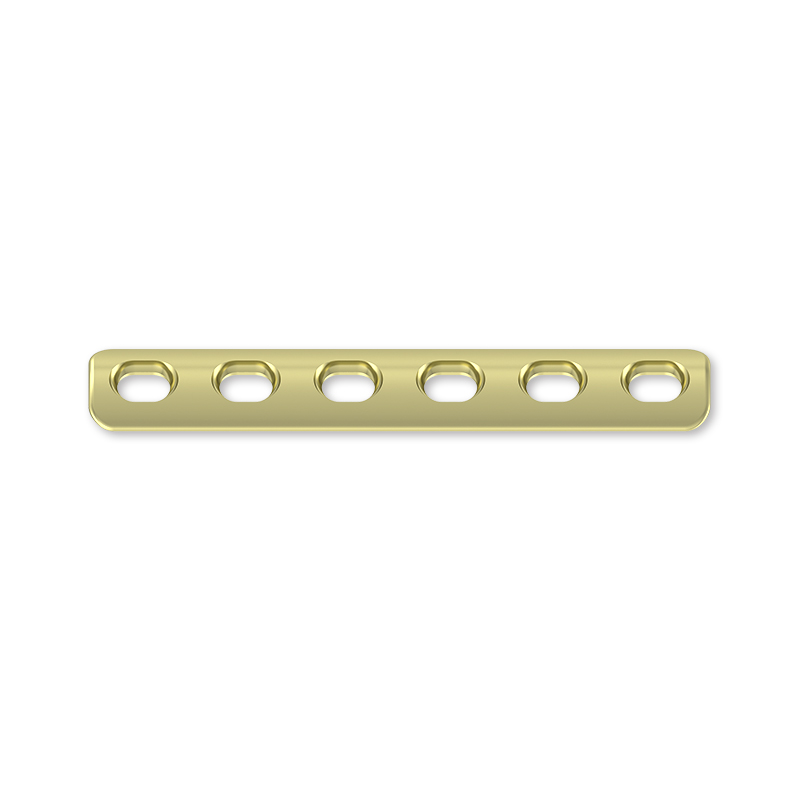
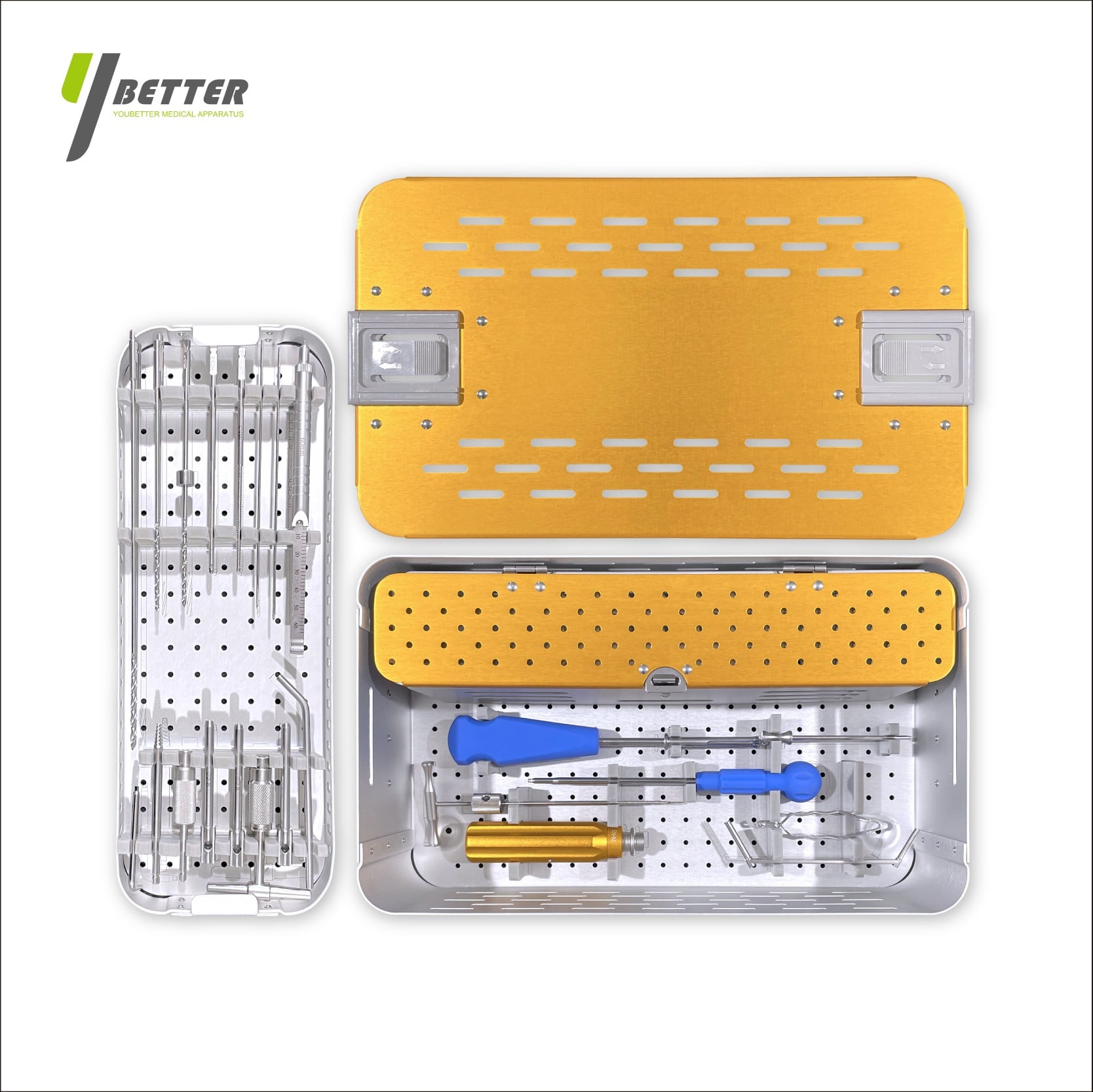
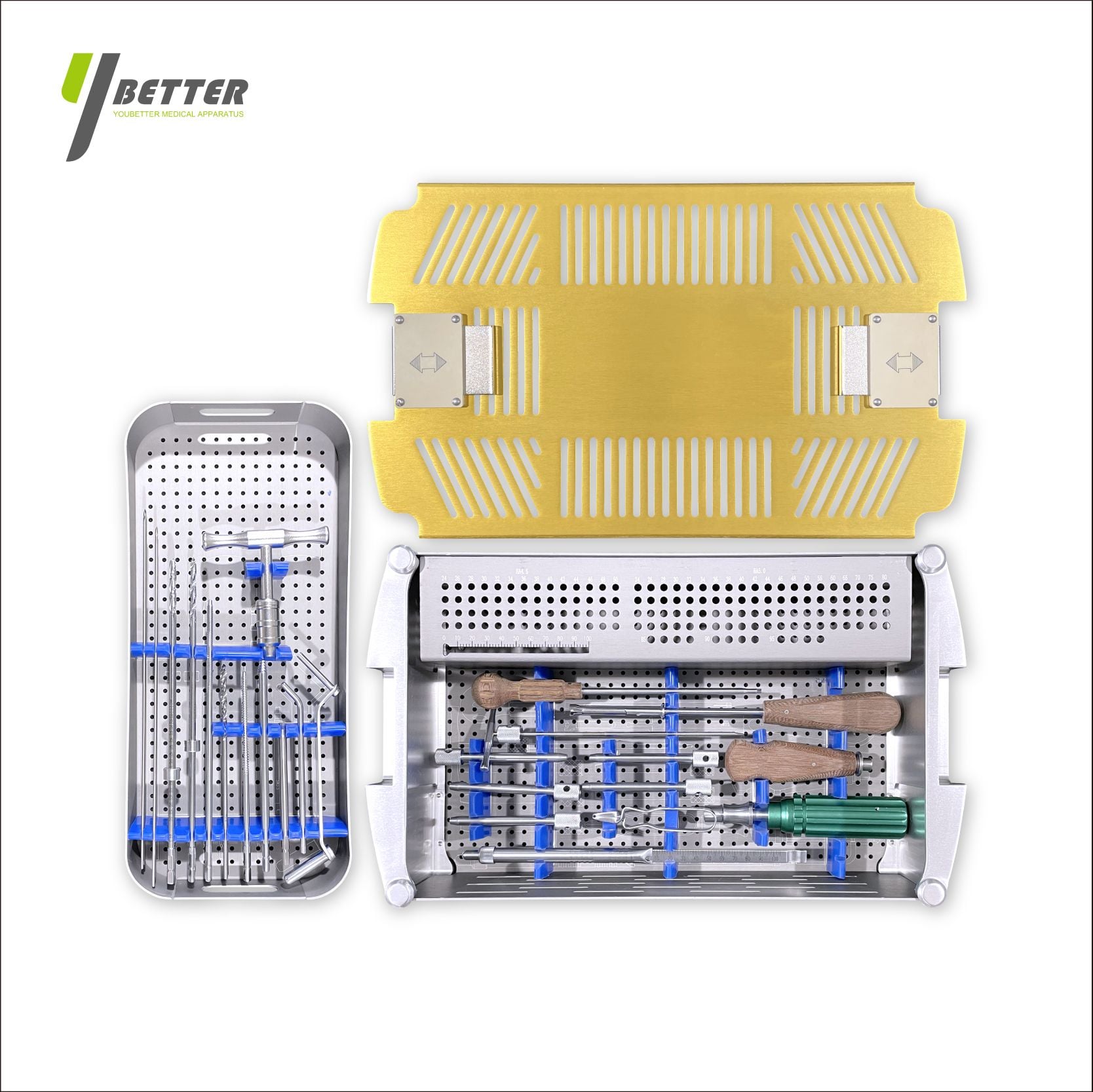
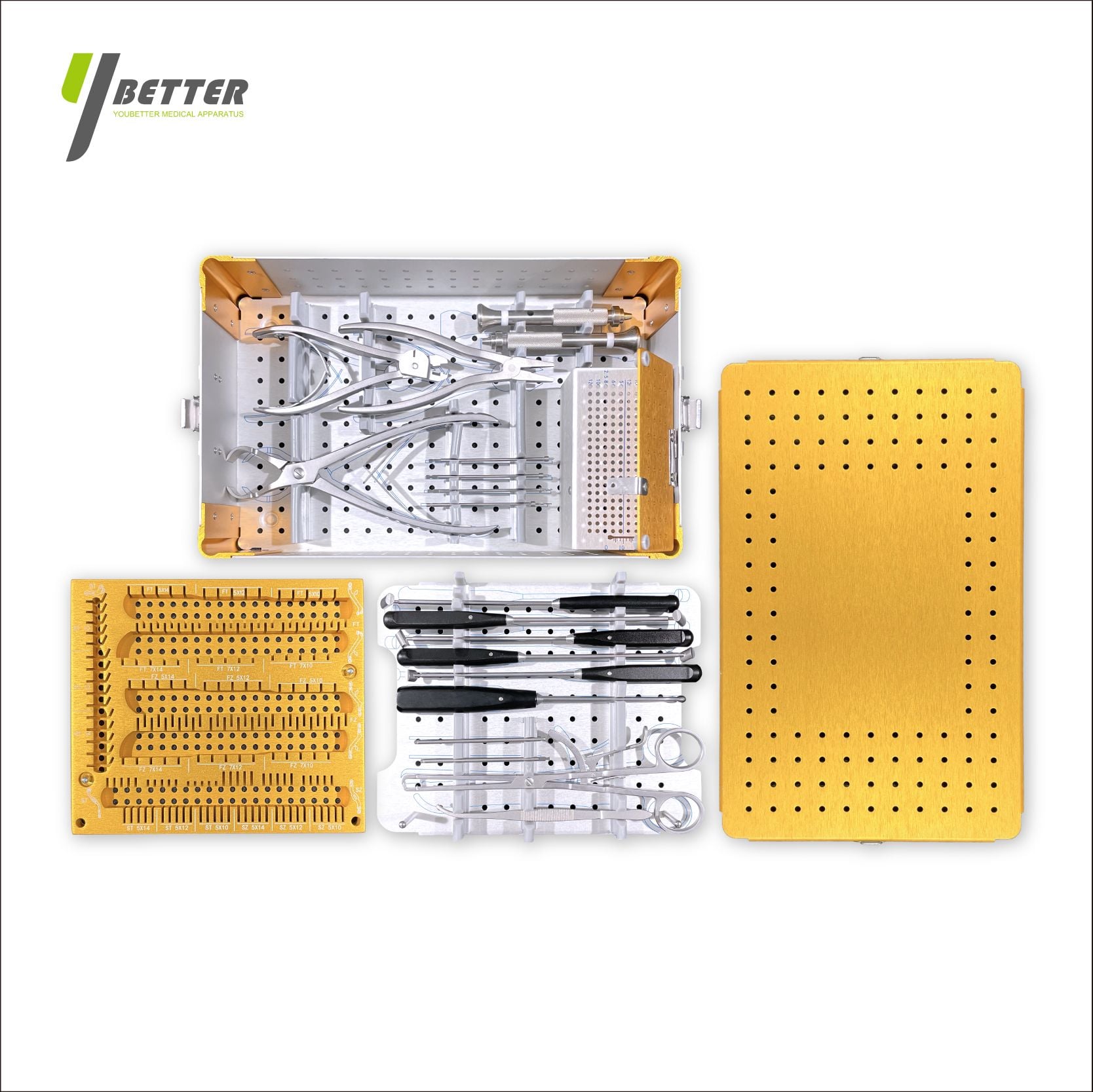
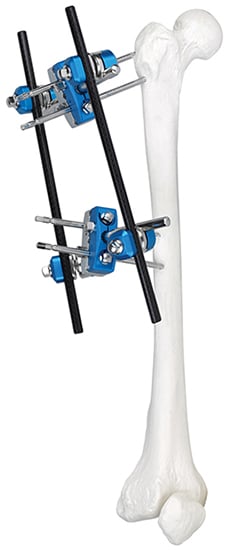
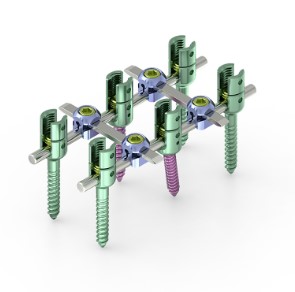
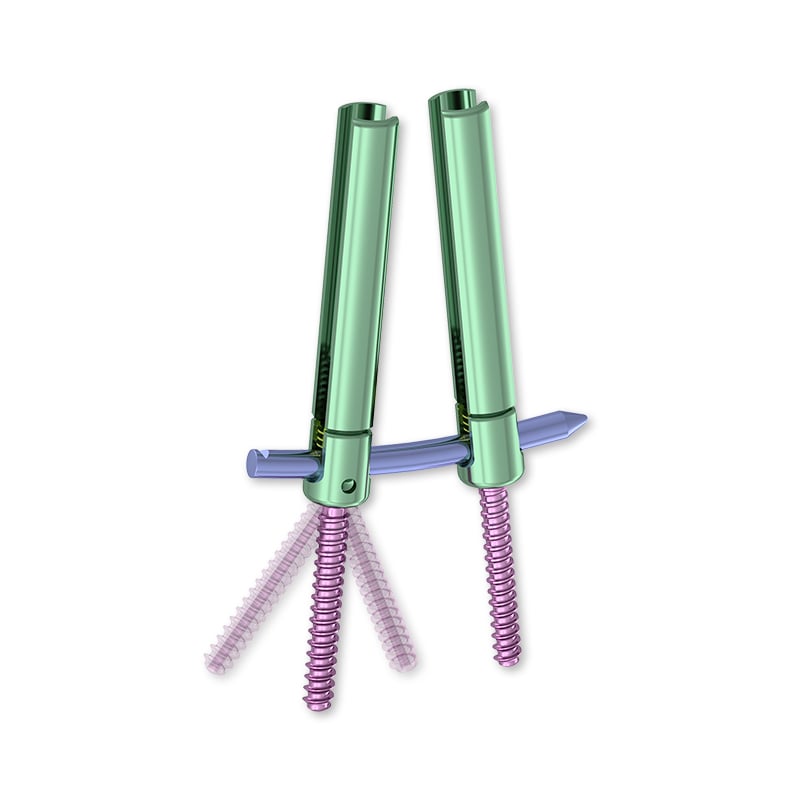
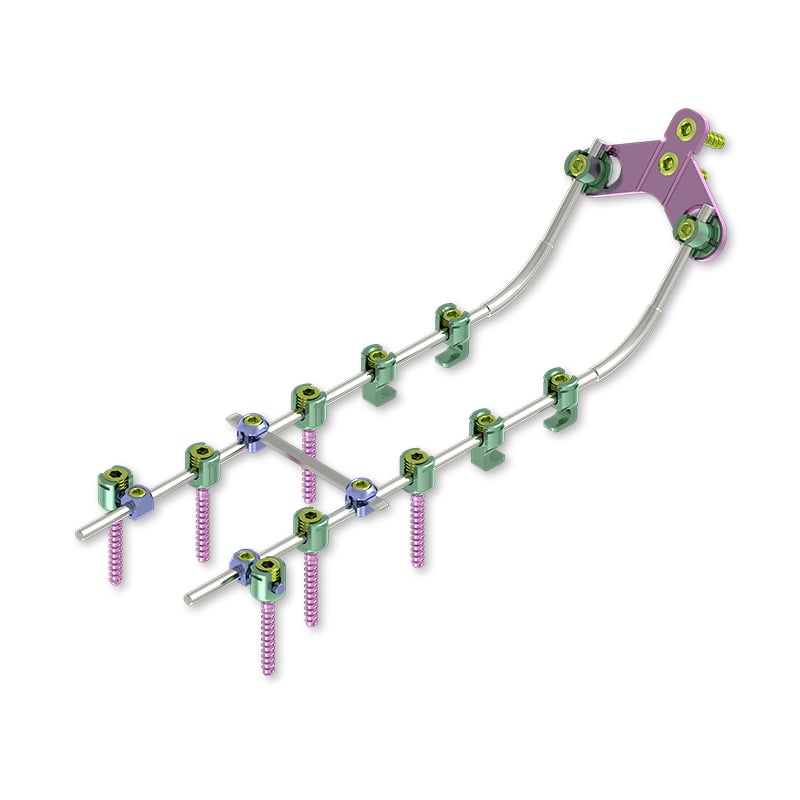
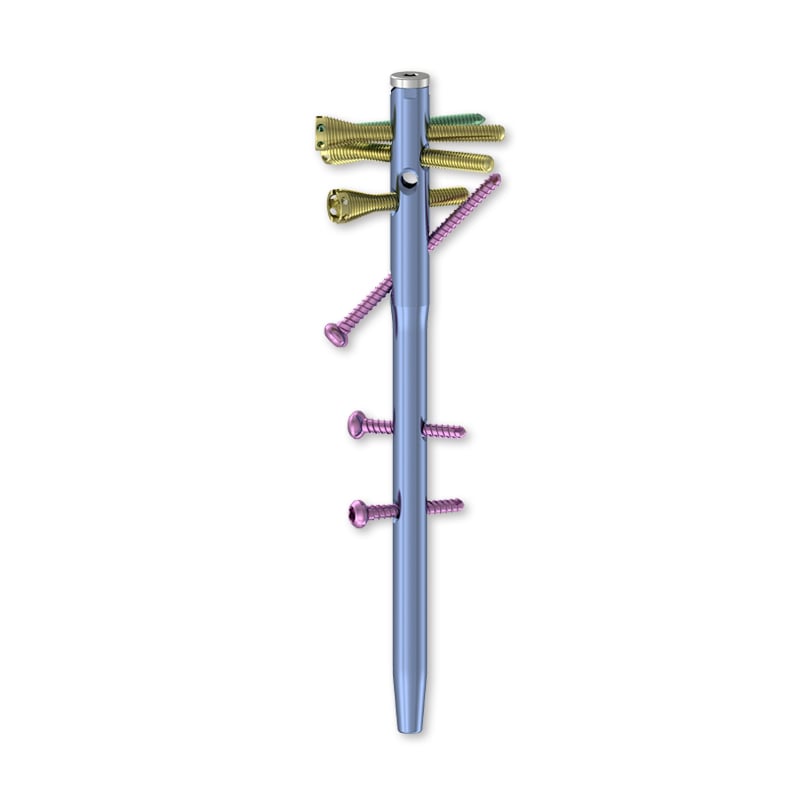
Orthopedic implants screws are essential surgical devices designed to provide stable fixation in bone fracture repair and reconstructive procedures. These precision-engineered fasteners play a critical role in modern orthopedic surgery by securing bone fragments, attaching plates, and anchoring various implant systems to skeletal structures. Manufactured from biocompatible materials such as titanium alloys and stainless steel, orthopedic implants screws offer exceptional strength while minimizing the risk of adverse tissue reactions. The main functions include compression generation between bone fragments, interfragmentary stability maintenance, and load distribution across fracture sites to promote optimal healing conditions. Technological features encompass advanced thread designs that maximize purchase in both cortical and cancellous bone, self-tapping capabilities that simplify insertion procedures, and cannulated options that allow guide wire placement for enhanced accuracy. Surface treatments such as anodization and plasma spraying improve osseointegration and reduce infection risks. Applications span trauma surgery for long bone fractures, spinal fusion procedures, joint reconstruction including hip and knee arthroplasty, maxillofacial surgery, and sports medicine interventions. Orthopedic implants screws are available in various head configurations including cortical, cancellous, locking, and headless designs to accommodate diverse anatomical requirements and surgical techniques. Their versatility makes them indispensable across multiple specialties, from pediatric orthopedics to geriatric trauma management, ensuring reliable fixation regardless of bone quality or patient demographics.

New Product Releases

Choosing orthopedic implants screws delivers substantial practical benefits that directly impact surgical outcomes and patient recovery. The primary advantage lies in their ability to provide immediate rigid fixation, allowing early mobilization and weight-bearing activities that accelerate rehabilitation timelines. This translates to shorter hospital stays, reduced healthcare costs, and faster return to normal function for patients. From an operational perspective, these screws simplify surgical procedures through intuitive instrumentation systems and standardized insertion protocols that reduce operating room time and minimize soft tissue trauma. Surgeons benefit from comprehensive size ranges and configuration options that ensure optimal fit for various anatomical sites and patient populations, from pediatric cases requiring smaller dimensions to revision surgeries demanding specialized solutions. The biocompatible materials used in orthopedic implants screws eliminate concerns about metal sensitivity while providing the mechanical strength necessary to withstand physiological loads during the healing process. Application suitability extends across emergency trauma scenarios where speed is critical, elective reconstructive procedures requiring precision placement, and minimally invasive techniques where smaller incisions and reduced surgical exposure are priorities. The self-drilling and self-tapping features eliminate preparatory steps, streamlining workflows and reducing procedural complexity. For healthcare decision-makers, the proven track record of orthopedic implants screws in clinical studies demonstrates high success rates with low complication profiles, making them a reliable investment. The availability of both absorbable and permanent options provides flexibility in treatment planning based on patient age, bone quality, and long-term considerations. These practical advantages combine to create a comprehensive solution that addresses surgical efficiency, patient safety, and economic considerations simultaneously.

Tips And Tricks

How Do Orthopedic Implants Contribute to Minimally Invasive Surgery?

02

Jun

How Do Orthopedic Implants Contribute to Minimally Invasive Surgery?

The evolution of surgical medicine has brought forward one of the most significant shifts in patient care: the widespread adoption of minimally invasive surgery. At the heart of this transformation lies the role of orthopedic implants, which have bee...
View More
What Are the Main Types of Orthopedic Implants Used in Trauma Surgery?

02

Jun

What Are the Main Types of Orthopedic Implants Used in Trauma Surgery?

When a patient sustains a serious bone fracture or joint injury, the goal of trauma surgery is to restore stability, alignment, and function as efficiently and safely as possible. Central to achieving that goal are orthopedic implants — precisi...
View More
What Are the Differences Between Monoaxial and Polyaxial Pedicle Screw?

02

Jun

What Are the Differences Between Monoaxial and Polyaxial Pedicle Screw?

In spinal surgery, choosing the right implant can directly influence surgical outcomes, patient recovery, and long-term construct stability. Among the most critical decisions a spine surgeon faces is selecting the appropriate type of pedicle screw fo...
View More
How Does Spinal Screw Fixation Improve Stability in Spinal Fusion Surgery?

06

Jul

How Does Spinal Screw Fixation Improve Stability in Spinal Fusion Surgery?

Spinal fusion surgery is one of the most common and technically demanding procedures in orthopedic and neurosurgical practice. At the heart of this procedure lies a critical mechanical principle: the spine must be held in precise alignment while bone...
View More

Get a Free Quote

Our representative will contact you soon.
Email
Name
Company Name
Message
0/1000

orthopedic implants screws

Advanced Thread Design for Superior Bone Engagement

Advanced Thread Design for Superior Bone Engagement

The thread geometry of orthopedic implants screws represents a critical innovation that directly influences fixation strength and surgical success. Modern thread designs incorporate variable pitch patterns and optimized depth profiles that maximize contact surface area with surrounding bone tissue, distributing mechanical loads evenly and preventing stress concentration points that could lead to implant loosening or bone resorption. The thread configuration varies based on intended application, with cortical screws featuring finer, shallower threads for dense outer bone layers, while cancellous designs utilize deeper, wider threads to engage the trabecular structure of spongy bone. This specialization ensures orthopedic implants screws achieve maximum purchase regardless of bone type or location. Advanced manufacturing techniques produce precise thread profiles with smooth surfaces that minimize insertion torque while maintaining holding power, reducing the risk of bone damage during placement. The thread design also facilitates compression generation between fracture fragments, promoting primary bone healing through absolute stability. For surgeons, this translates to confident fixation even in osteoporotic bone or challenging anatomical regions where purchase is traditionally difficult to achieve, expanding the range of patients who can benefit from surgical intervention.
Biocompatible Materials Ensuring Long-Term Integration

Biocompatible Materials Ensuring Long-Term Integration

Material selection for orthopedic implants screws prioritizes biocompatibility alongside mechanical performance, ensuring these devices integrate seamlessly with human physiology while providing durable structural support. Titanium and its alloys dominate contemporary implant manufacturing due to their exceptional strength-to-weight ratio, corrosion resistance, and proven biocompatibility that minimizes inflammatory responses and promotes osseointegration. The passive oxide layer that forms naturally on titanium surfaces creates a stable interface with bone tissue, encouraging cellular attachment and new bone formation around the implant. Stainless steel alternatives offer cost advantages while maintaining adequate strength for many applications, though titanium remains preferred for permanent implantation scenarios. Surface treatments applied to orthopedic implants screws further enhance biological performance through anodization processes that create micro-textured surfaces promoting protein adhesion and cellular colonization. Some advanced formulations incorporate bioabsorbable polymers that gradually transfer load to healing bone before being metabolized and eliminated, ideal for pediatric patients where growth considerations make permanent implants problematic. The non-magnetic properties of titanium alloys ensure compatibility with diagnostic imaging modalities like MRI, allowing postoperative monitoring without artifact interference. This careful material engineering means orthopedic implants screws remain functional throughout the healing period while supporting the body's natural repair mechanisms.
Versatile Configurations for Comprehensive Surgical Solutions

Versatile Configurations for Comprehensive Surgical Solutions

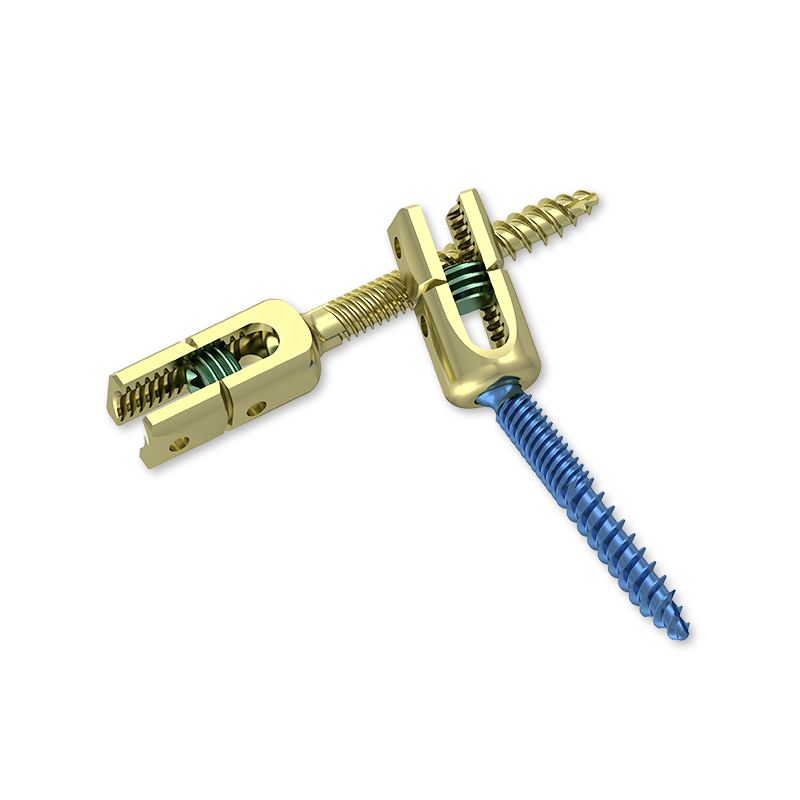
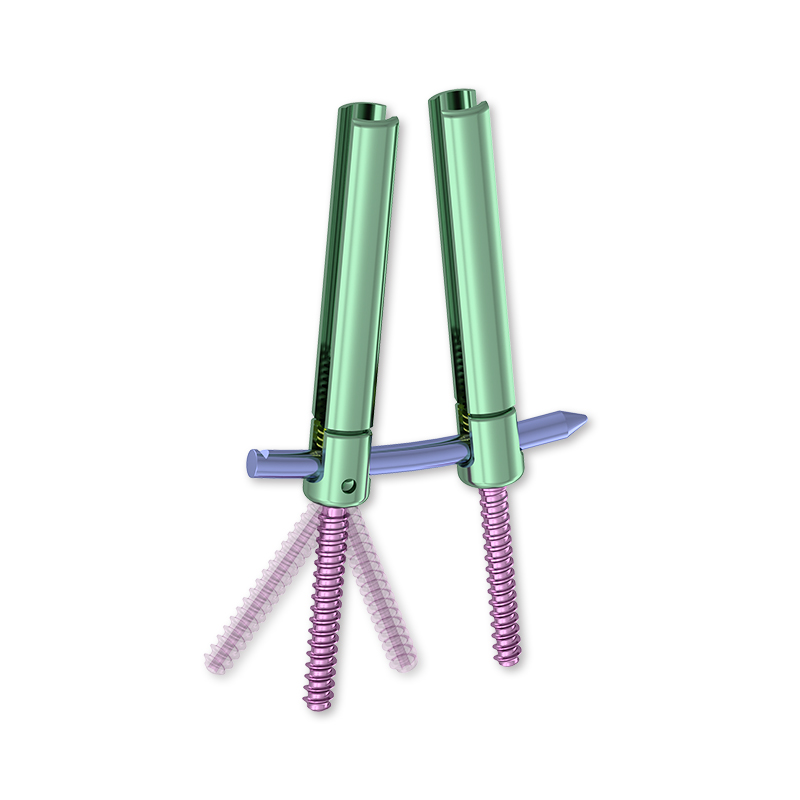
The extensive range of configurations available in orthopedic implants screws ensures surgeons have appropriate solutions for virtually any skeletal fixation challenge encountered in clinical practice. Head design variations include standard hex drives for conventional plating systems, locking mechanisms that create fixed-angle constructs for enhanced stability in comminuted fractures, and headless compression screws that sit flush beneath cartilage surfaces in joint preservation procedures. Cannulated versions accept guide wires for precise trajectory control in complex anatomical regions or minimally invasive approaches where direct visualization is limited, improving placement accuracy while reducing radiation exposure during fluoroscopic guidance. Diameter and length options span from miniature screws measuring millimeters for hand and foot procedures to large-fragment designs exceeding 50mm for femoral or tibial applications, ensuring appropriate scale matching for anatomical site and mechanical demand. Thread variations including fully threaded, partially threaded, and differential pitch designs provide surgeons with control over compression mechanics and fixation characteristics. Quick-coupling instruments and color-coded organization systems streamline intraoperative selection and insertion, reducing procedural time and decision fatigue. This versatility means orthopedic implants screws adapt to surgeon preference, patient-specific anatomy, and procedural requirements rather than forcing compromise, ultimately supporting superior outcomes across the full spectrum of orthopedic interventions from trauma to reconstruction.

Get a Free Quote

Our representative will contact you soon.
Email
Name
Company Name
Message
0/1000
Newsletter
Please Leave A Message With Us