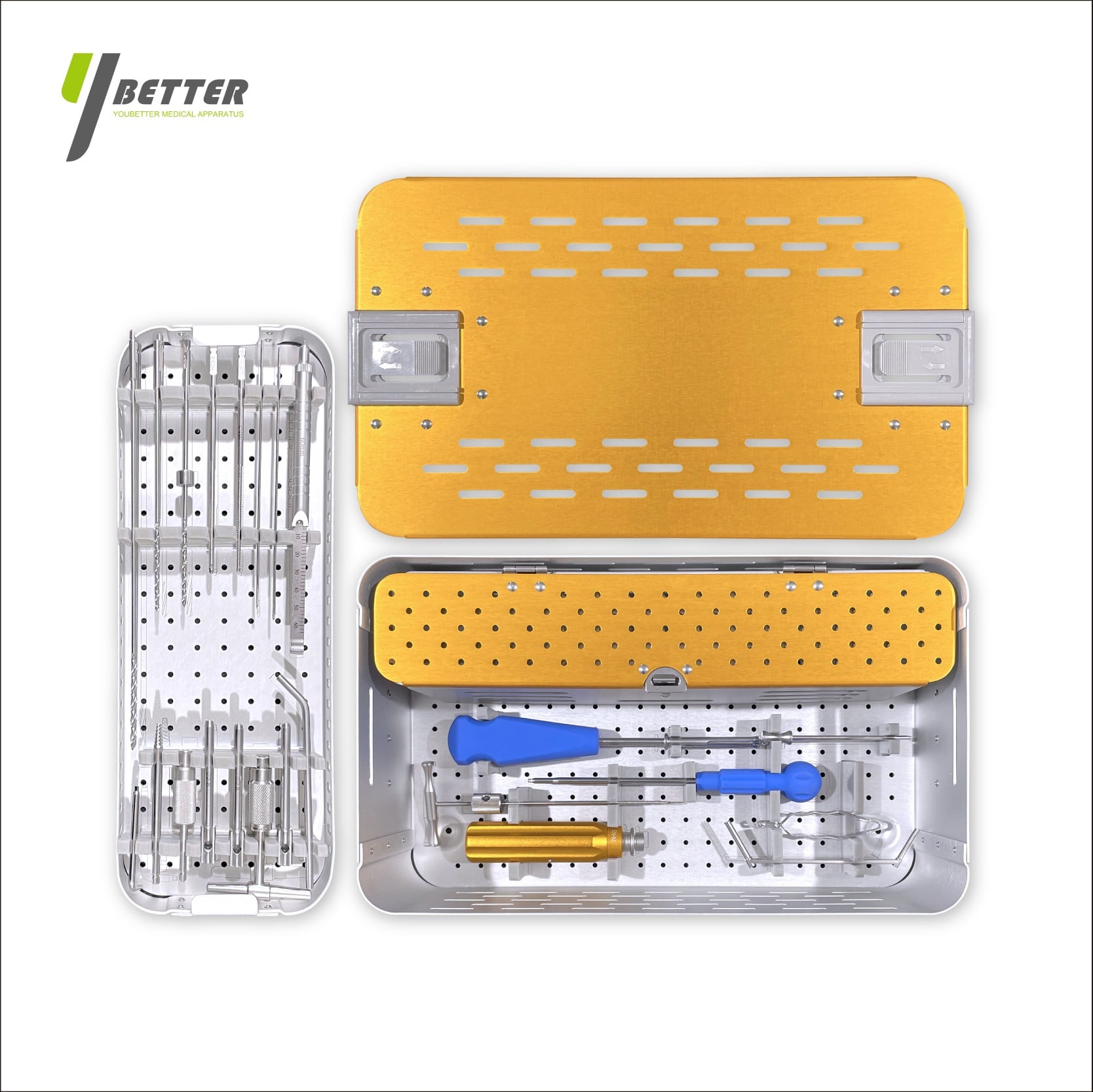
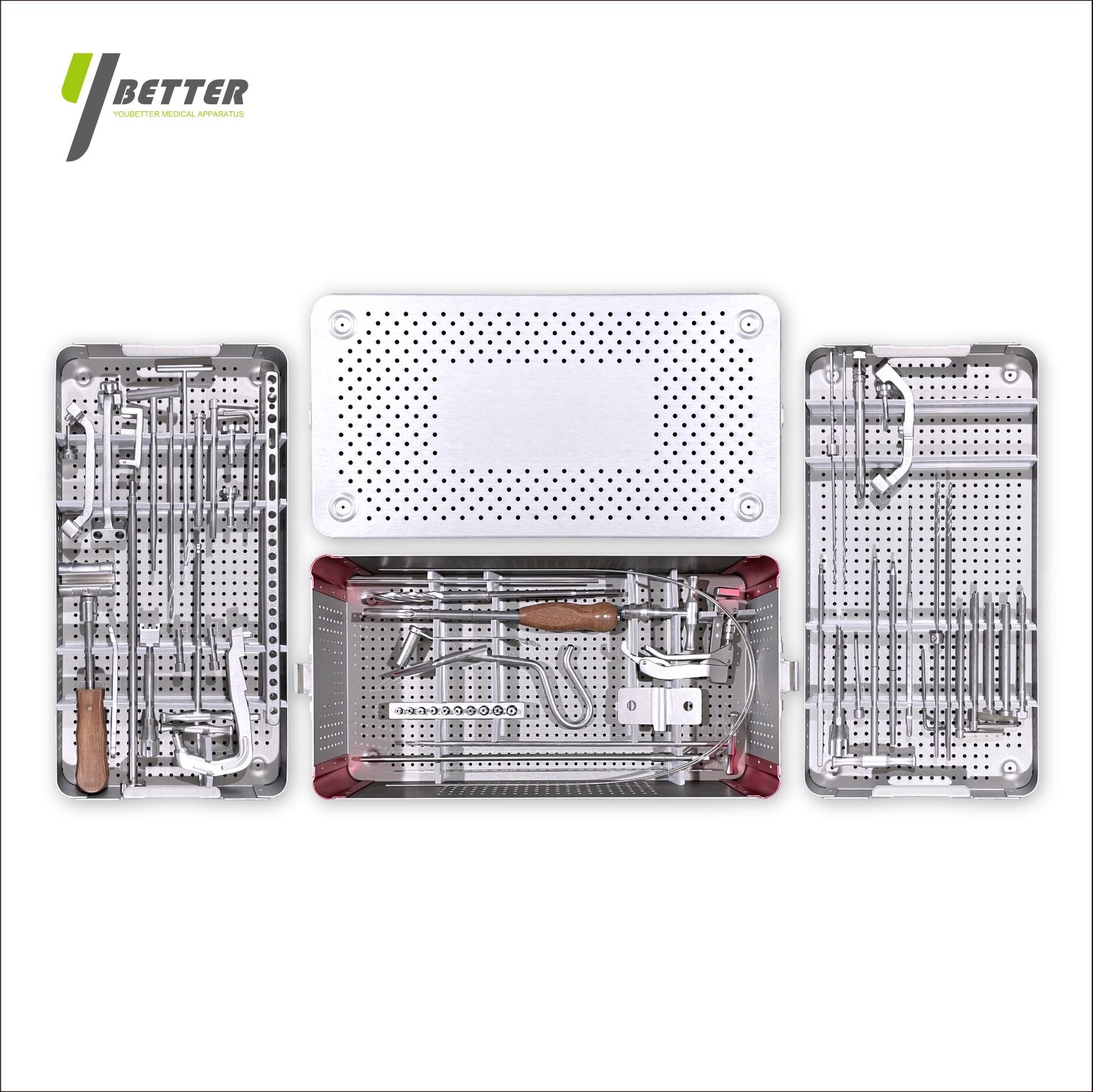
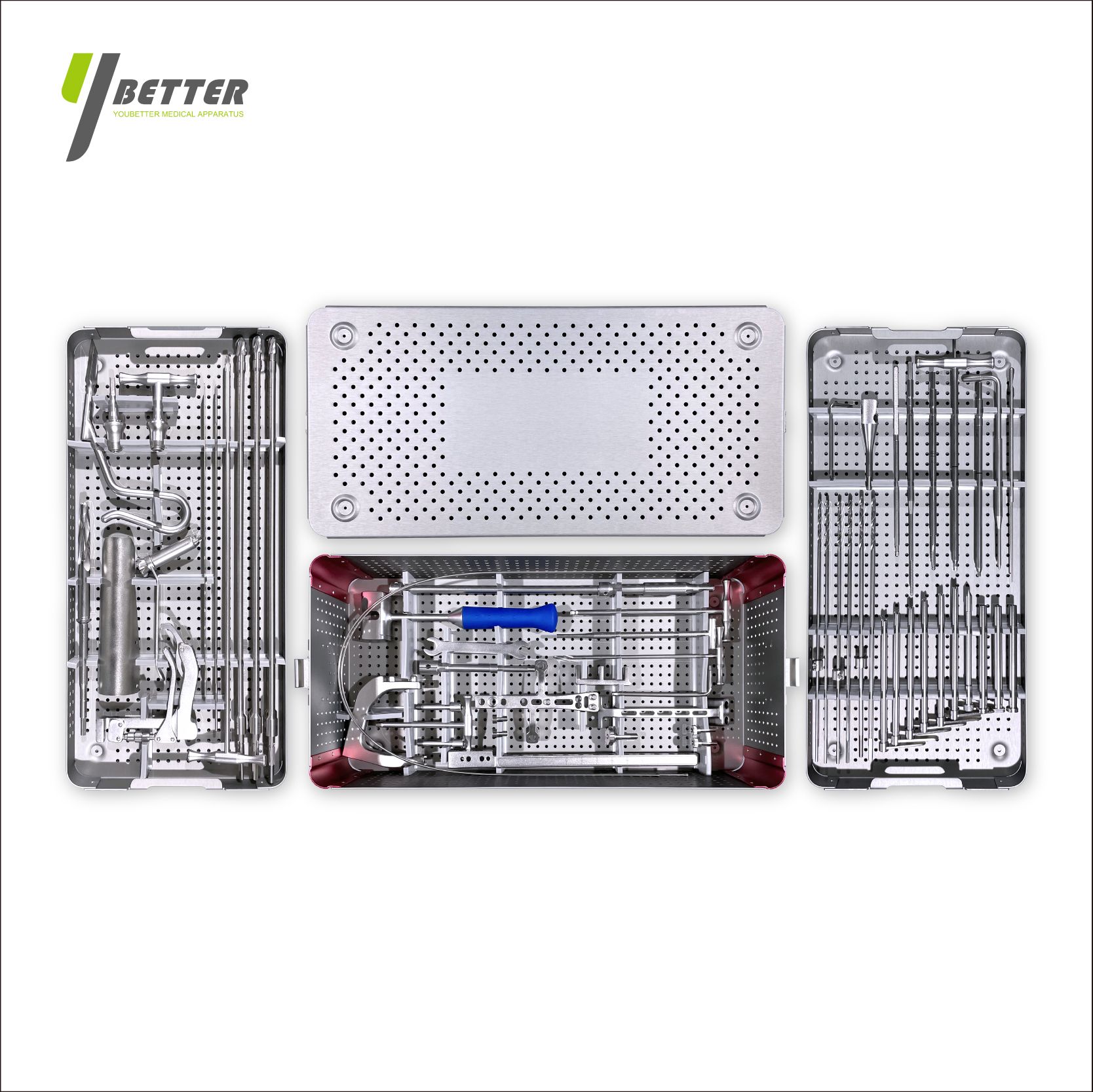
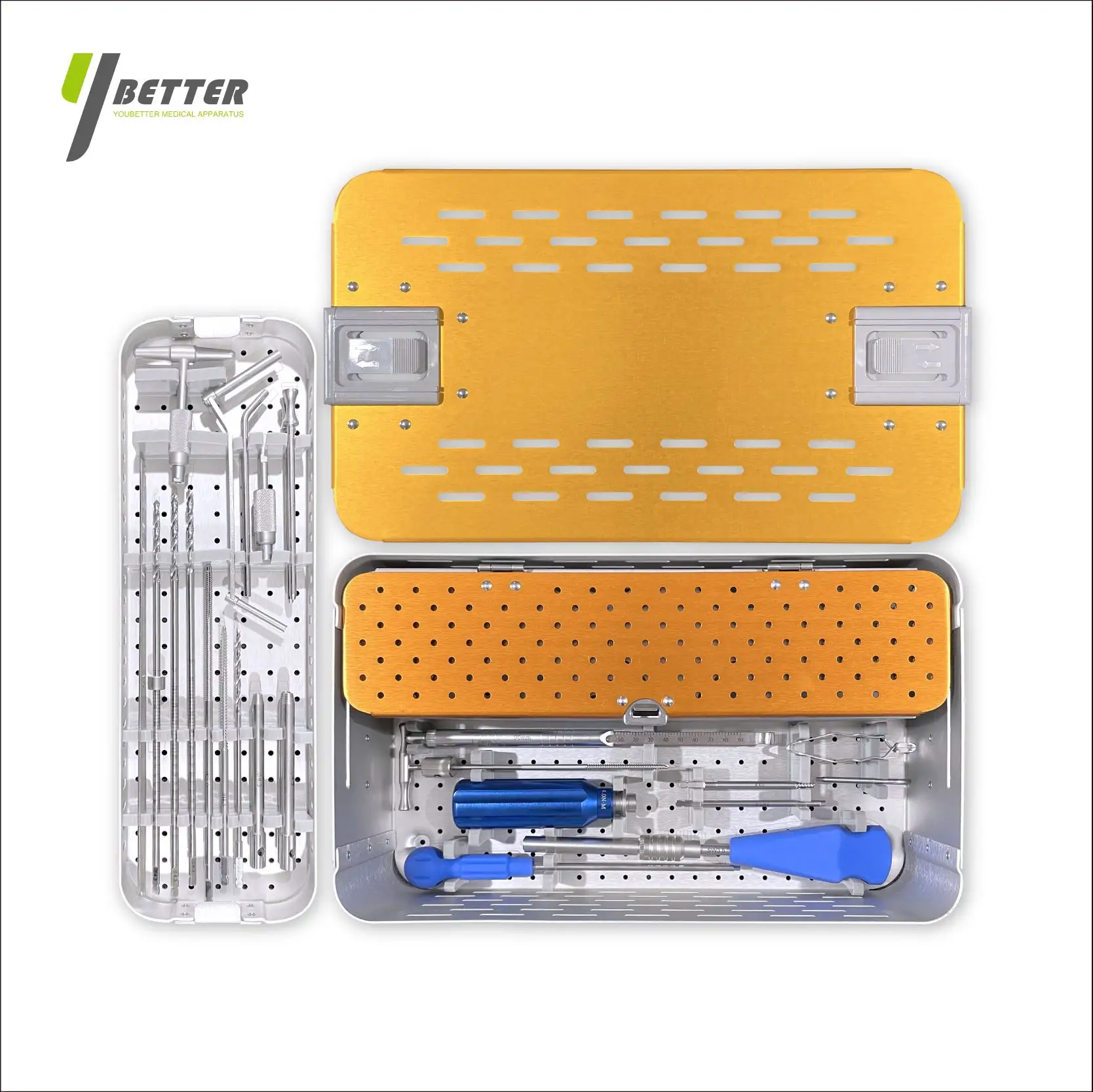
Spinal Pedicle Screw System - Advanced Fixation

All Categories

Get a Free Quote

Our representative will contact you soon.
Email
Name
Company Name
Message
0/1000

spinal pedicle screw system

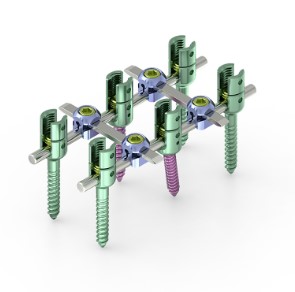
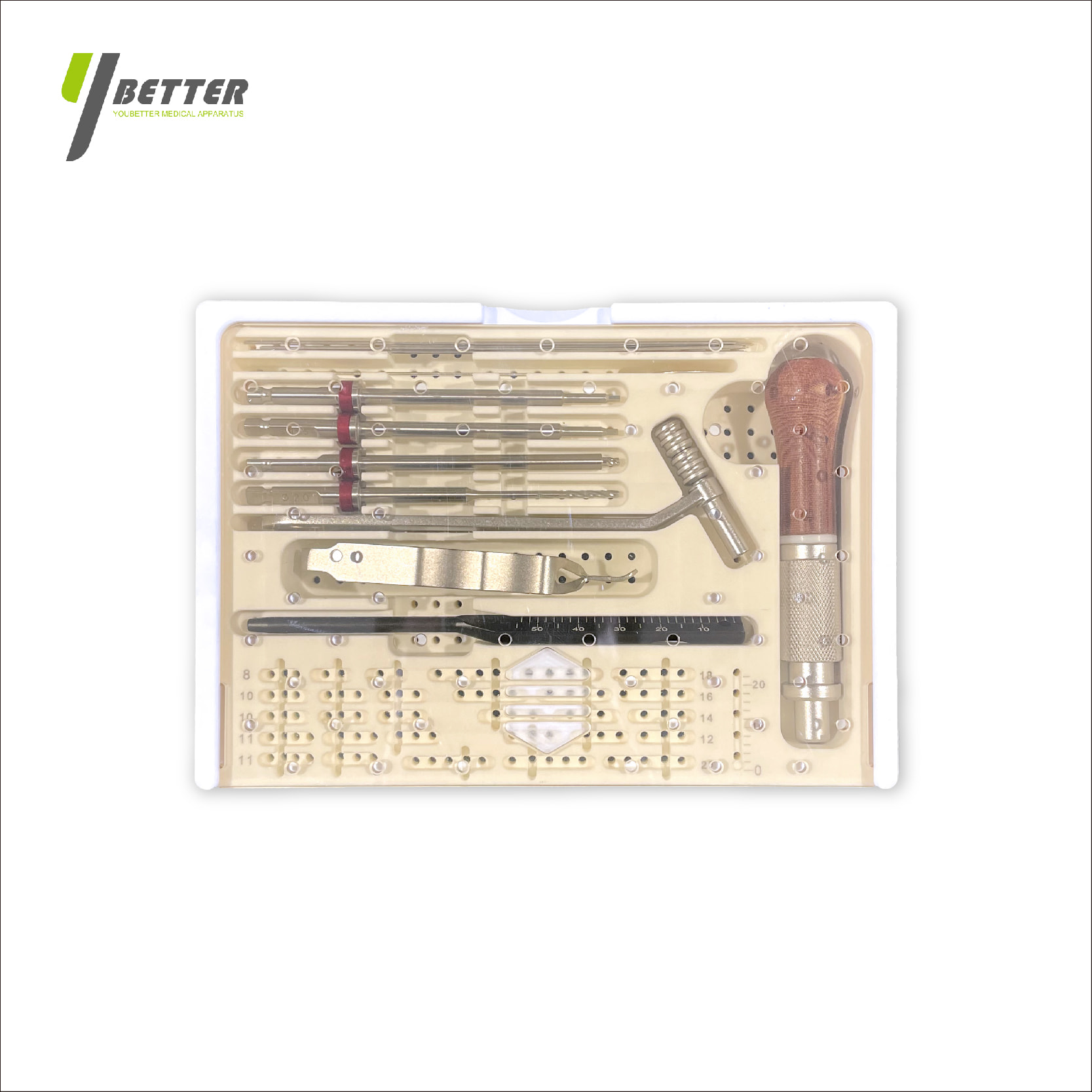
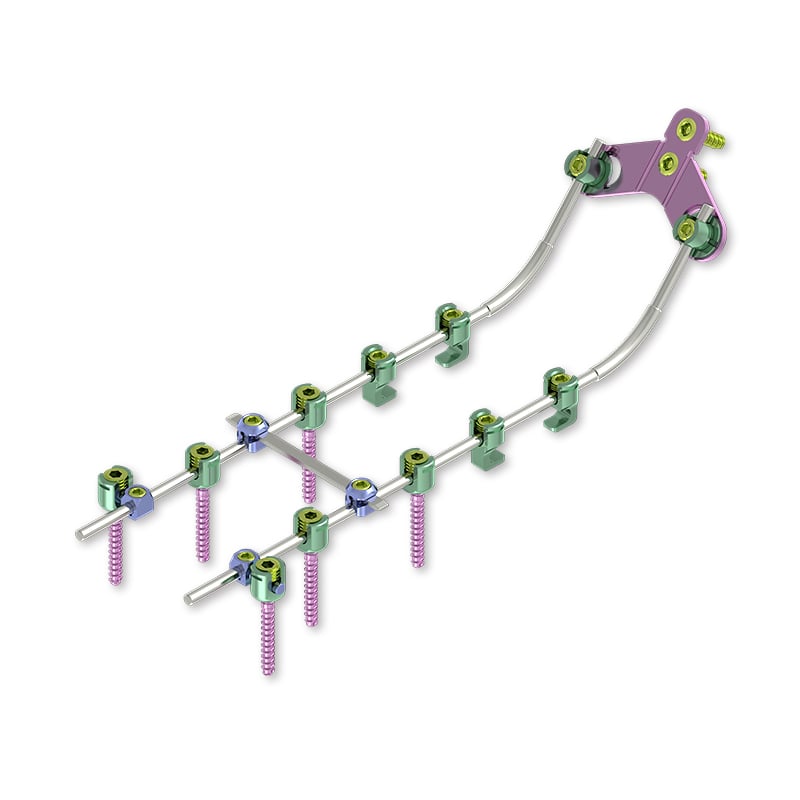
The spinal pedicle screw system represents a revolutionary advancement in spinal surgery, designed to provide robust stabilization and correction for various spinal disorders. This sophisticated surgical system consists of titanium or stainless steel screws that are precisely inserted through the pedicles of vertebrae, combined with rods and connectors to create a stable framework. The spinal pedicle screw system serves as the foundation for treating degenerative disc disease, scoliosis, fractures, tumors, and spinal instability conditions. Its main functions include providing three-column spinal fixation, correcting deformities, facilitating spinal fusion, and restoring proper anatomical alignment. The technological features of the spinal pedicle screw system encompass polyaxial screw heads allowing multi-directional adjustment, low-profile designs minimizing soft tissue irritation, and anatomically contoured rods ensuring optimal fit. Advanced locking mechanisms prevent loosening while cannulated screws enable guidewire-assisted placement for enhanced accuracy. The system accommodates various screw diameters and lengths to match individual patient anatomy, while color-coded instrumentation simplifies surgical workflow. Applications span minimally invasive procedures, open surgical techniques, revision surgeries, and complex deformity corrections. The spinal pedicle screw system has become the gold standard in posterior spinal instrumentation, offering surgeons reliable fixation strength and versatility across thoracic, lumbar, and sacral regions. Modern iterations incorporate biomechanical engineering principles, ensuring load distribution, fatigue resistance, and long-term stability essential for successful patient outcomes and return to functional activities.

Popular Products

Choosing the spinal pedicle screw system delivers tangible benefits that directly impact surgical success and patient recovery. The system provides superior biomechanical stability compared to alternative fixation methods, allowing patients to mobilize earlier and reducing hospital stays. This translates into lower overall healthcare costs and faster return to daily activities. The precision-engineered design minimizes the risk of implant failure, giving both surgeons and patients confidence in long-term outcomes. Operational benefits include streamlined surgical procedures through intuitive instrumentation and clear visual markers that reduce procedure time. Shorter surgeries mean reduced anesthesia exposure and decreased infection risk, directly improving patient safety profiles. The spinal pedicle screw system accommodates diverse surgical approaches, from traditional open techniques to minimally invasive methods, providing flexibility based on patient needs and surgeon preference. This adaptability makes it suitable for straightforward single-level fusions and complex multi-level reconstructions alike. The system's modular design allows intraoperative adjustments without compromising stability, enabling surgeons to respond to anatomical variations discovered during surgery. For healthcare facilities, investing in the spinal pedicle screw system means offering cutting-edge treatment options that attract referring physicians and patients seeking advanced care. The proven track record of successful outcomes supports clinical decision-making and helps establish institutional reputation for spinal surgery excellence. Patients benefit from reduced pain, improved spinal alignment, and preserved neurological function. The biocompatible materials minimize adverse reactions while promoting bone integration for solid fusion. Decision-makers appreciate the comprehensive support including surgical training, technical resources, and evidence-based clinical data demonstrating efficacy. The spinal pedicle screw system represents a value-driven investment in patient care quality and surgical program advancement.

Practical Tips

How Do Pedicle Screw Systems Support Scoliosis Correction Surgery?

02

Jun

How Do Pedicle Screw Systems Support Scoliosis Correction Surgery?

Scoliosis correction surgery is one of the most technically demanding procedures in modern spinal orthopedics. The ability to realign a severely curved spine, restore sagittal balance, and maintain long-term structural integrity depends heavily on th...
View More
How Do Spinal Screw Systems Perform in Osteoporotic Patients?

06

Jul

How Do Spinal Screw Systems Perform in Osteoporotic Patients?

When a surgeon places a spinal screw into osteoporotic bone, the mechanical environment is fundamentally different from that of healthy vertebral bone. Osteoporosis reduces bone mineral density and disrupts trabecular architecture, leaving the cancel...
View More
How to Optimize Pedicle Screw Placement for Better Surgical Outcomes?

06

Jul

How to Optimize Pedicle Screw Placement for Better Surgical Outcomes?

Achieving precise pedicle screw placement is one of the most critical skills in modern spinal surgery. When pedicle screw placement is performed accurately, it creates a stable fixation point that supports spinal fusion, corrects deformity, and reduc...
View More
How Does Spinal Screw Fixation Improve Stability in Spinal Fusion Surgery?

06

Jul

How Does Spinal Screw Fixation Improve Stability in Spinal Fusion Surgery?

Spinal fusion surgery is one of the most common and technically demanding procedures in orthopedic and neurosurgical practice. At the heart of this procedure lies a critical mechanical principle: the spine must be held in precise alignment while bone...
View More

Get a Free Quote

Our representative will contact you soon.
Email
Name
Company Name
Message
0/1000

spinal pedicle screw system

Advanced Polyaxial Technology for Optimal Positioning

Advanced Polyaxial Technology for Optimal Positioning

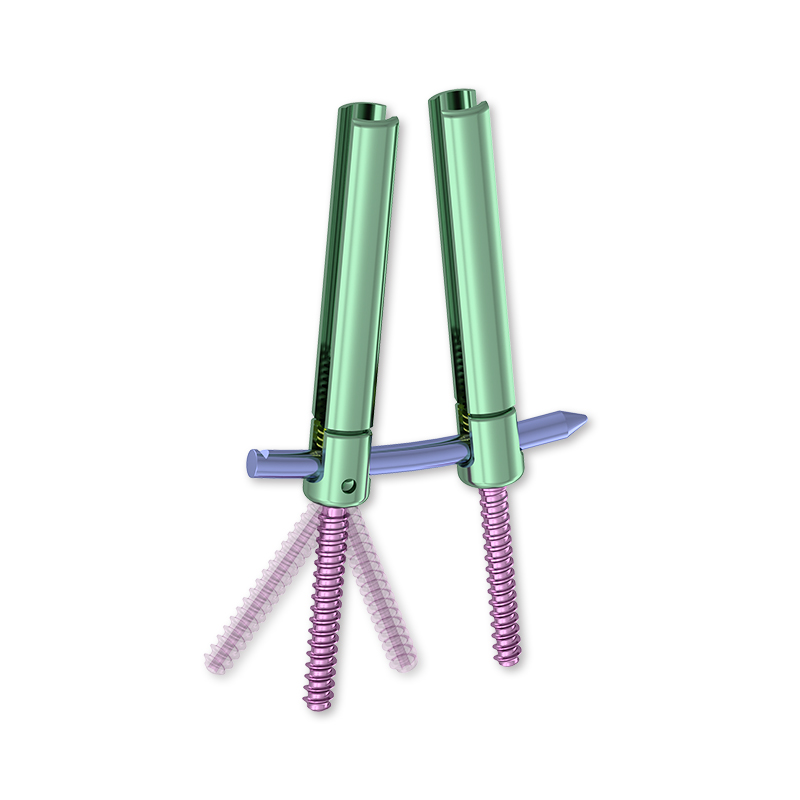
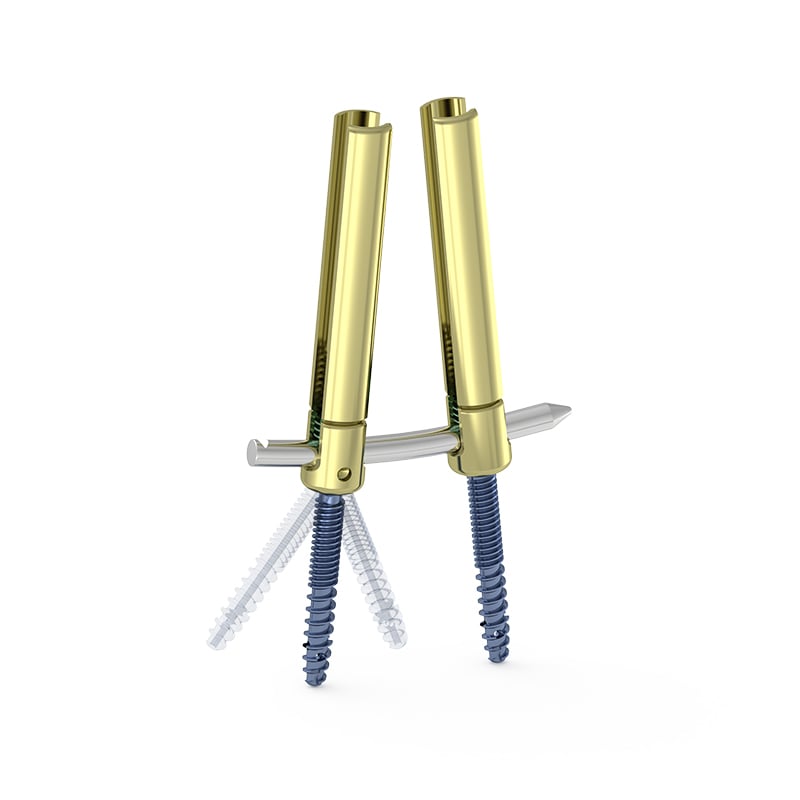
The spinal pedicle screw system incorporates state-of-the-art polyaxial screw head technology that revolutionizes surgical precision and adaptability. Unlike fixed-angle screws, polyaxial heads permit multi-planar angulation up to 30 degrees in any direction, allowing surgeons to accommodate complex spinal anatomy and achieve ideal rod placement without compromising screw positioning. This flexibility proves invaluable when addressing anatomical variations, previous surgical alterations, or challenging deformity corrections. The ball-and-socket mechanism within each screw head maintains secure locking while permitting intraoperative adjustments until final tightening. This feature dramatically reduces the need for screw repositioning, minimizing bone damage and surgical time. Surgeons can independently optimize each screw trajectory based on pedicle anatomy, then adjust rod positioning to achieve proper sagittal and coronal balance. The system's low-profile tulip heads reduce muscle retraction requirements and soft tissue disruption, contributing to less postoperative pain and faster recovery. The advanced locking mechanism ensures that once tightened, the construct maintains its configuration under physiological loads, providing reliable long-term stability. This technological innovation empowers surgeons to execute their surgical plan with confidence while adapting to individual patient anatomy, ultimately delivering superior clinical outcomes and patient satisfaction.
Comprehensive Size Range for Personalized Treatment

Comprehensive Size Range for Personalized Treatment

The spinal pedicle screw system offers an extensive inventory of screw dimensions and configurations, ensuring precise matching to each patient's unique anatomical requirements. Available screw diameters typically range from 4.5mm to 8.5mm, while lengths extend from 25mm to 80mm or more, accommodating pediatric to large adult patients and various spinal regions. This comprehensive selection eliminates the one-size-fits-all approach, allowing surgeons to select optimal implant dimensions based on preoperative imaging and intraoperative assessment. Smaller diameter screws suit minimally invasive approaches and osteoporotic bone, while larger screws provide maximum purchase in dense bone and high-load applications. The availability of specialized screws for specific anatomical challenges, including iliac screws for pelvic fixation and reduction screws for deformity correction, enhances surgical versatility. Cannulated options facilitate guidewire-directed placement, improving accuracy in challenging anatomy or revision scenarios. The color-coded organization system enables rapid intraoperative identification, streamlining instrument handling and reducing procedure duration. This personalized approach to implant selection optimizes biomechanical performance, reduces complication risks associated with improper sizing, and contributes to higher fusion rates. Healthcare providers benefit from maintaining a comprehensive inventory that addresses diverse patient populations and complex surgical scenarios, positioning their institution as a center capable of managing the full spectrum of spinal pathology with the spinal pedicle screw system.
Superior Material Engineering for Long-Term Durability

Superior Material Engineering for Long-Term Durability

The spinal pedicle screw system utilizes premium-grade materials engineered specifically for demanding spinal applications, ensuring exceptional performance throughout the fusion process and beyond. Medical-grade titanium alloy and stainless steel constructions provide the ideal balance of strength, biocompatibility, and imaging compatibility. Titanium variants offer excellent osseointegration properties, promoting bone growth directly onto implant surfaces and facilitating solid fusion. The material's modulus of elasticity more closely matches bone compared to stainless steel, potentially reducing stress shielding effects. Advanced surface treatments, including plasma spray or hydroxyapatite coatings on select screws, further enhance bone apposition and early fixation strength. The corrosion-resistant properties ensure implant integrity remains intact despite the challenging biochemical environment within the body. Fatigue testing demonstrates the system withstands millions of loading cycles that simulate years of physiological stress without mechanical failure. The radiolucent properties of titanium facilitate clear postoperative imaging assessment, allowing clinicians to monitor fusion progress without artifact interference. Stainless steel options provide maximum rigidity for challenging biomechanical situations requiring absolute stability. The precision manufacturing standards ensure consistent thread design, optimal pitch, and smooth surfaces that minimize insertion torque while maximizing pullout strength. This material excellence translates directly into reduced revision rates, fewer implant-related complications, and improved patient outcomes, making the spinal pedicle screw system a reliable foundation for successful spinal reconstruction.

Get a Free Quote

Our representative will contact you soon.
Email
Name
Company Name
Message
0/1000
Newsletter
Please Leave A Message With Us