Orthopedic Pedicle Screw System Solutions

All Categories

Get a Free Quote

Our representative will contact you soon.
Email
Name
Company Name
Message
0/1000

orthopedic pedicle screw system

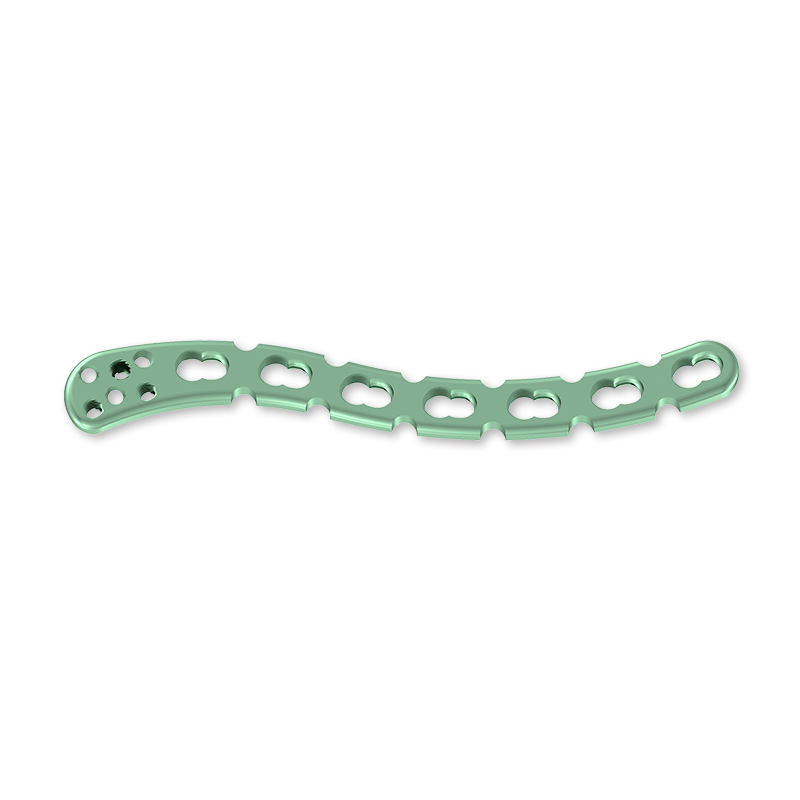
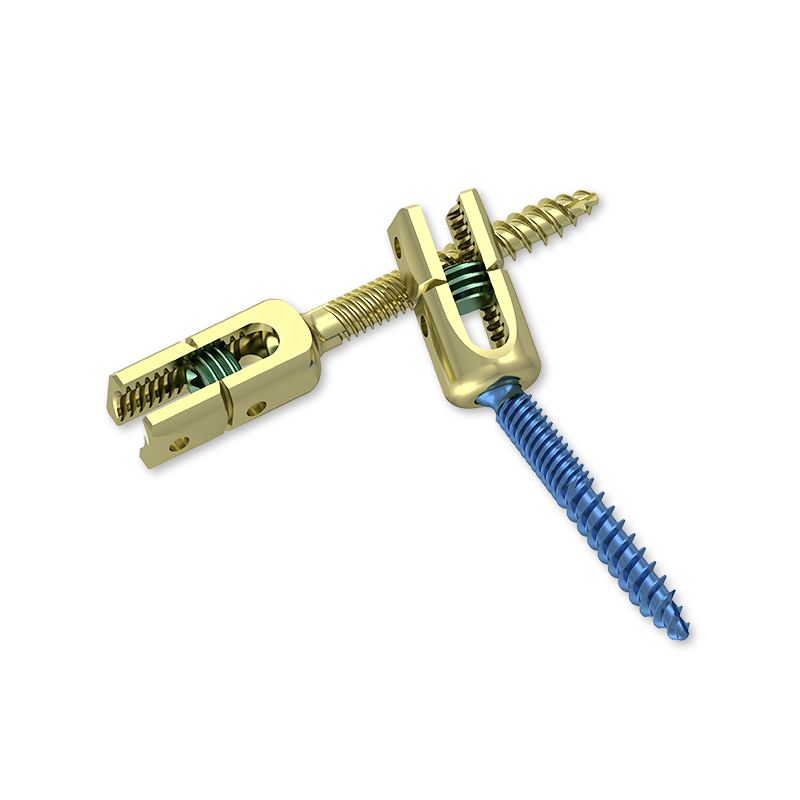
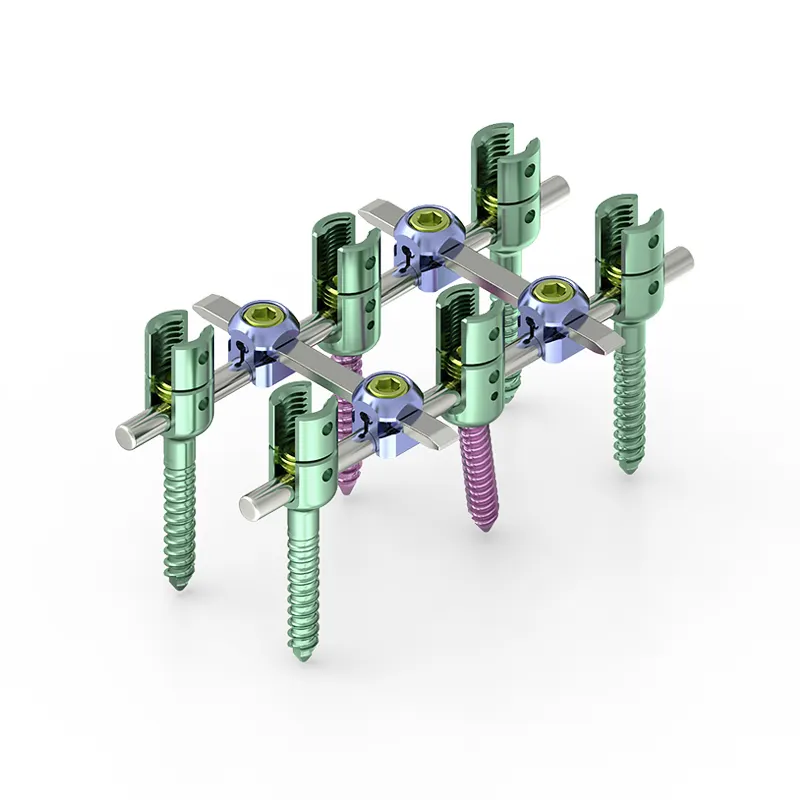
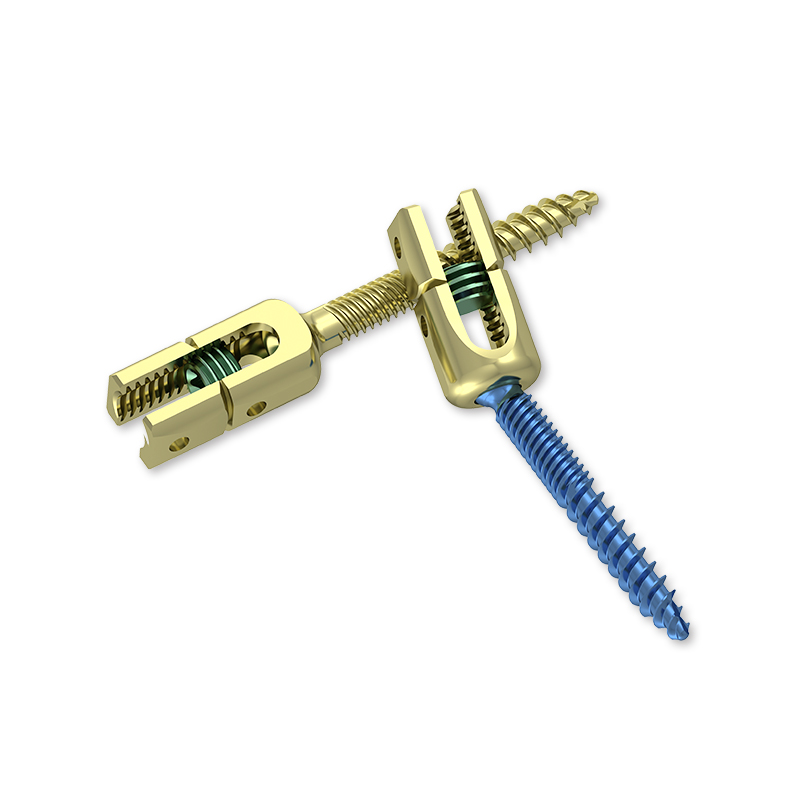
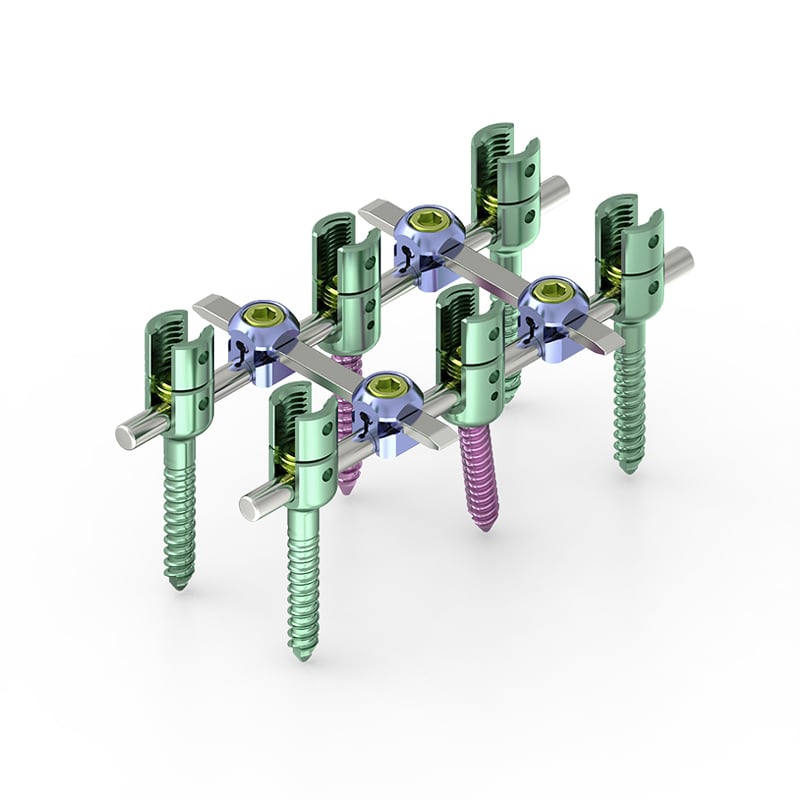
An orthopedic pedicle screw system is a sophisticated spinal fixation solution designed to stabilize and correct spinal deformities, fractures, and degenerative conditions. This system consists of precisely engineered screws that are inserted through the pedicles of vertebrae, connecting to rods and other implants to create a stable construct. The orthopedic pedicle screw system serves as the foundation for spinal fusion procedures, providing immediate stability while bones heal and fuse together. Its main functions include correcting spinal alignment, reducing pain, restoring proper spinal mechanics, and preventing further deterioration of spinal structures. The technological features of this system incorporate advanced materials such as titanium alloys and stainless steel, ensuring biocompatibility and long-term durability within the human body. Modern orthopedic pedicle screw system designs feature polyaxial screw heads that allow multi-directional rod placement, enhancing surgical flexibility and accommodating individual patient anatomy. The system includes various screw diameters and lengths to match different vertebral sizes and patient requirements. Applications span across multiple spinal conditions including scoliosis correction, spondylolisthesis stabilization, trauma management, tumor surgery, and revision procedures. Surgeons utilize the orthopedic pedicle screw system in both open and minimally invasive approaches, adapting the technology to specific surgical needs. The system's versatility makes it suitable for thoracic, lumbar, and sacral spine regions, addressing complex spinal pathologies with precision and reliability while maintaining the structural integrity necessary for successful patient outcomes.

Popular Products

The orthopedic pedicle screw system offers substantial benefits that directly impact surgical success and patient recovery. First, this system provides exceptional stability compared to traditional fixation methods, allowing patients to begin rehabilitation earlier and experience faster return to daily activities. The robust construction ensures that the spine remains properly aligned during the critical healing period, reducing the risk of hardware failure or loss of correction. Surgeons appreciate the ease of installation that the orthopedic pedicle screw system provides, with intuitive instruments and clear surgical techniques that reduce operating time and minimize tissue trauma. This efficiency translates to lower anesthesia exposure for patients and reduced overall healthcare costs. The system's compatibility with various surgical approaches means medical facilities can standardize their inventory while still addressing diverse patient needs, improving operational efficiency and reducing storage requirements. Patients benefit from the low-profile design that minimizes soft tissue irritation and discomfort after surgery, leading to better quality of life during recovery. The orthopedic pedicle screw system's proven track record in clinical settings gives both surgeons and patients confidence in treatment outcomes, with extensive research demonstrating high fusion rates and low complication rates. The versatility of the system allows customization for each patient's unique anatomy and pathology, ensuring optimal biomechanical performance regardless of the complexity of the case. Healthcare providers find that investing in a quality orthopedic pedicle screw system leads to improved patient satisfaction scores, fewer revision surgeries, and better long-term clinical results. The system's durability means patients can resume active lifestyles without ongoing concerns about implant integrity, while the biocompatible materials minimize adverse reactions and promote natural bone integration.

Practical Tips

How Do Orthopedic Implants Enhance Fracture Healing and Recovery?

02

Jun

How Do Orthopedic Implants Enhance Fracture Healing and Recovery?

When a bone fractures, the body initiates a complex biological cascade aimed at restoring structural integrity and function. However, in many cases, this natural process requires mechanical support to succeed. This is precisely where orthopedic impla...
View More
How Do Spinal Screw Systems Perform in Osteoporotic Patients?

06

Jul

How Do Spinal Screw Systems Perform in Osteoporotic Patients?

When a surgeon places a spinal screw into osteoporotic bone, the mechanical environment is fundamentally different from that of healthy vertebral bone. Osteoporosis reduces bone mineral density and disrupts trabecular architecture, leaving the cancel...
View More
What Are the Clinical Indications for Using Spinal Screw in Spine Trauma?

06

Jul

What Are the Clinical Indications for Using Spinal Screw in Spine Trauma?

When surgeons evaluate a patient with spine trauma, one of the most critical decisions they face is whether to use a spinal screw for stabilization. A spinal screw serves as the mechanical foundation of posterior fixation systems, anchoring rods or p...
View More
How Can Distributors Assess Pedicle Screw Supplier Reliability?

06

Jul

How Can Distributors Assess Pedicle Screw Supplier Reliability?

Choosing the right pedicle screw supplier is one of the most consequential decisions a medical device distributor can make. A pedicle screw supplier directly affects patient safety, regulatory standing, and the commercial reputation of every distribu...
View More

Get a Free Quote

Our representative will contact you soon.
Email
Name
Company Name
Message
0/1000

orthopedic pedicle screw system

Advanced Polyaxial Technology for Superior Surgical Flexibility

Advanced Polyaxial Technology for Superior Surgical Flexibility

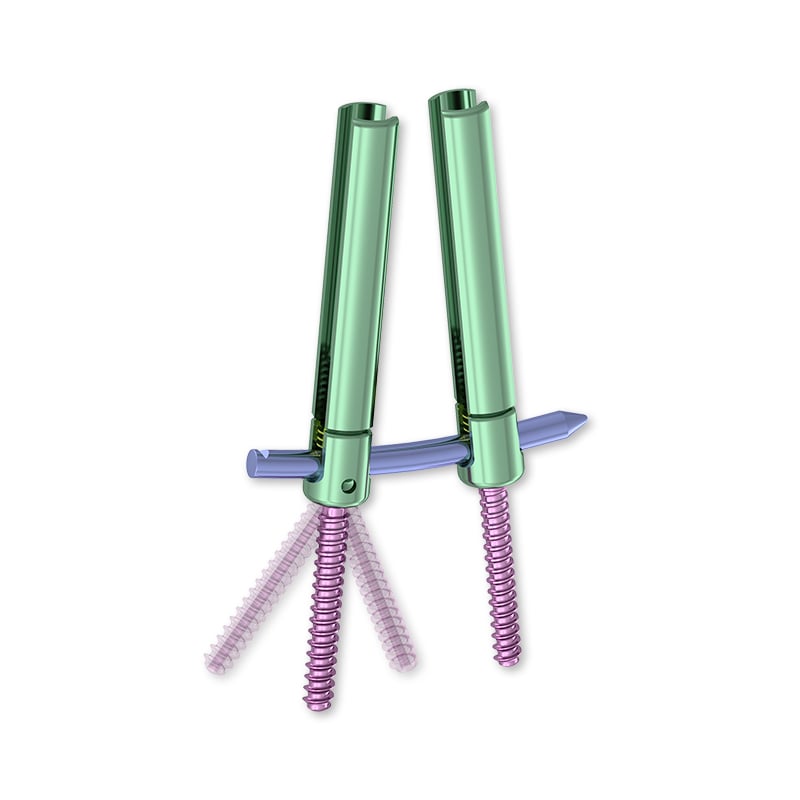
The orthopedic pedicle screw system incorporates cutting-edge polyaxial technology that revolutionizes surgical precision and adaptability. This innovative feature allows the screw head to rotate in multiple directions, typically offering up to 30 degrees of angulation in all planes. Surgeons can insert screws at optimal trajectories based on individual patient anatomy, then adjust rod placement independently to achieve perfect spinal alignment. This flexibility proves invaluable when dealing with challenging anatomical variations, severe deformities, or revision cases where previous hardware limits access. The polyaxial design reduces the need for screw repositioning, which can weaken bone purchase and compromise fixation strength. By accommodating natural variations in vertebral orientation, the orthopedic pedicle screw system minimizes stress on bone-implant interfaces, promoting better long-term stability and reducing the likelihood of screw loosening or breakage. This technology also simplifies complex multi-level constructs, allowing seamless connection of multiple vertebral segments without forcing unnatural alignment. The enhanced surgical workflow translates to shorter operative times, reduced blood loss, and decreased patient exposure to anesthesia risks, ultimately contributing to better overall outcomes and faster recovery trajectories.
Comprehensive Size Range for Optimal Anatomical Matching

Comprehensive Size Range for Optimal Anatomical Matching

The orthopedic pedicle screw system features an extensive selection of screw dimensions, ensuring precise matching to diverse patient anatomies from adolescents to adults. Available screw diameters typically range from 4.5mm to 8.5mm, while lengths extend from 25mm to 80mm or more, accommodating variations in vertebral size, bone density, and pathological conditions. This comprehensive range enables surgeons to select the optimal screw size that maximizes bone purchase without risking pedicle breach or nerve injury. Proper sizing proves critical for achieving stable fixation, as undersized screws may lack sufficient holding power while oversized screws risk cortical perforation and neurovascular complications. The orthopedic pedicle screw system also offers different thread designs optimized for various bone qualities, with aggressive threads for osteoporotic bone and standard threads for normal bone density. Specialized screw options include rescue screws with wider diameters for revision surgeries, iliac screws for sacropelvic fixation, and reduction screws that facilitate fragment compression. This variety ensures that regardless of the surgical indication, patient characteristics, or technical challenges encountered, surgeons have appropriate implant options readily available, eliminating compromises that could jeopardize clinical outcomes and patient safety.
Premium Biomaterials Ensuring Long-Term Biocompatibility

Premium Biomaterials Ensuring Long-Term Biocompatibility

The orthopedic pedicle screw system utilizes premium-grade biomaterials carefully selected for optimal biocompatibility, mechanical strength, and long-term performance within the human body. Medical-grade titanium alloys, particularly Ti-6Al-4V, represent the most common material choice due to their exceptional strength-to-weight ratio, corrosion resistance, and proven biocompatibility with minimal inflammatory response. These titanium alloys promote osseointegration, allowing bone to grow directly onto implant surfaces and enhancing fixation stability over time. The material's radiolucent properties facilitate clear postoperative imaging, enabling surgeons to assess fusion progress and implant positioning without artifact interference. Some orthopedic pedicle screw system variants utilize cobalt-chromium alloys for applications requiring maximum strength, such as in patients with compromised bone quality or those undergoing complex revision procedures. Surface treatments including anodization or plasma spraying further enhance biocompatibility and osseointegration potential. The materials undergo rigorous testing to meet international standards for implant-grade metals, ensuring consistent quality and eliminating concerns about allergic reactions or long-term degradation. Patients benefit from knowing their orthopedic pedicle screw system components will maintain structural integrity throughout their lifetime, supporting spinal stability without material fatigue or corrosion that could compromise fixation or require implant removal.

Get a Free Quote

Our representative will contact you soon.
Email
Name
Company Name
Message
0/1000
Newsletter
Please Leave A Message With Us