Surgical Spinal Screw - Precision Implants

All Categories

Get a Free Quote

Our representative will contact you soon.
Email
Name
Company Name
Message
0/1000

surgical spinal screw

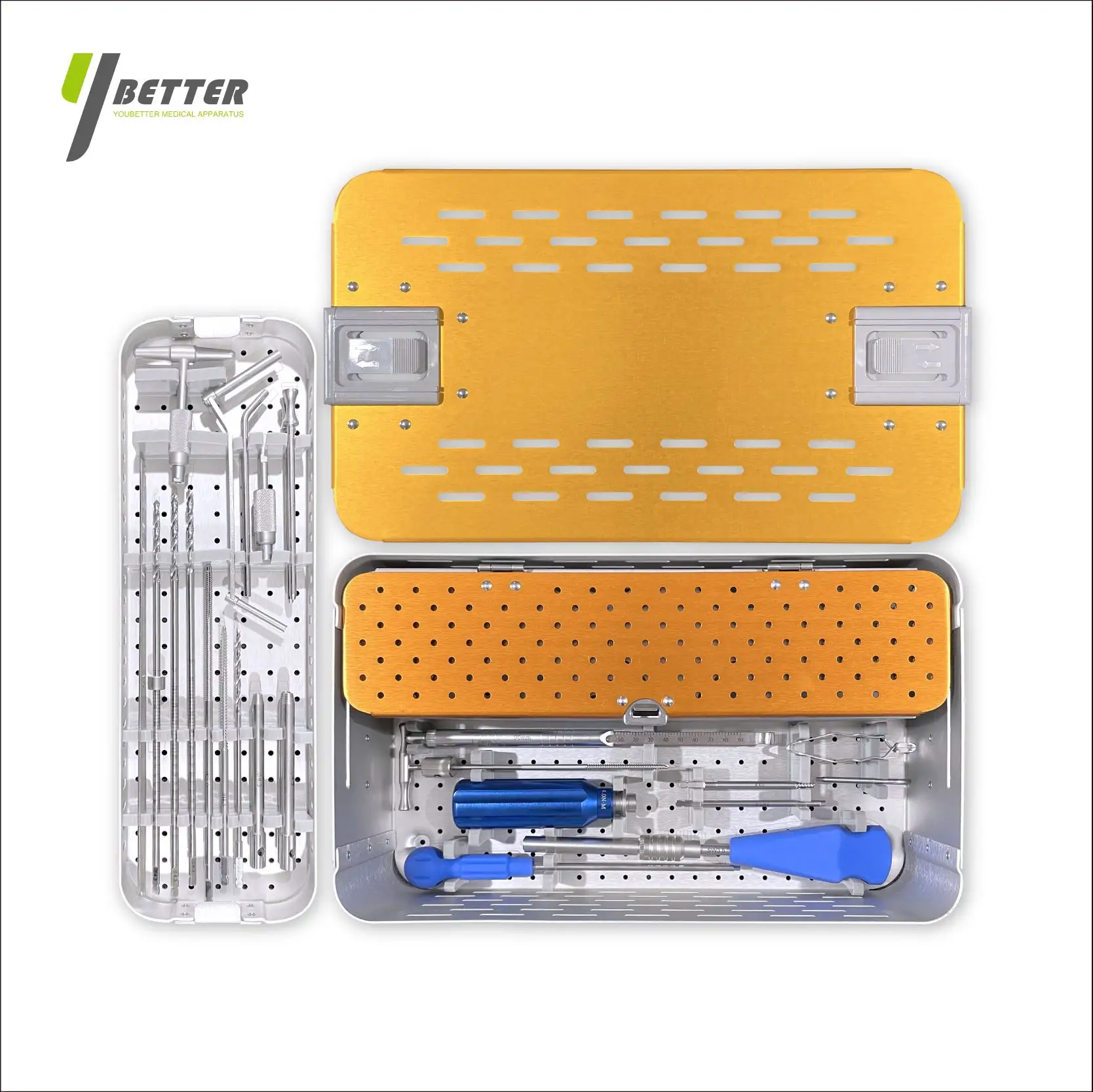
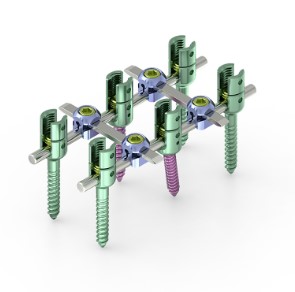
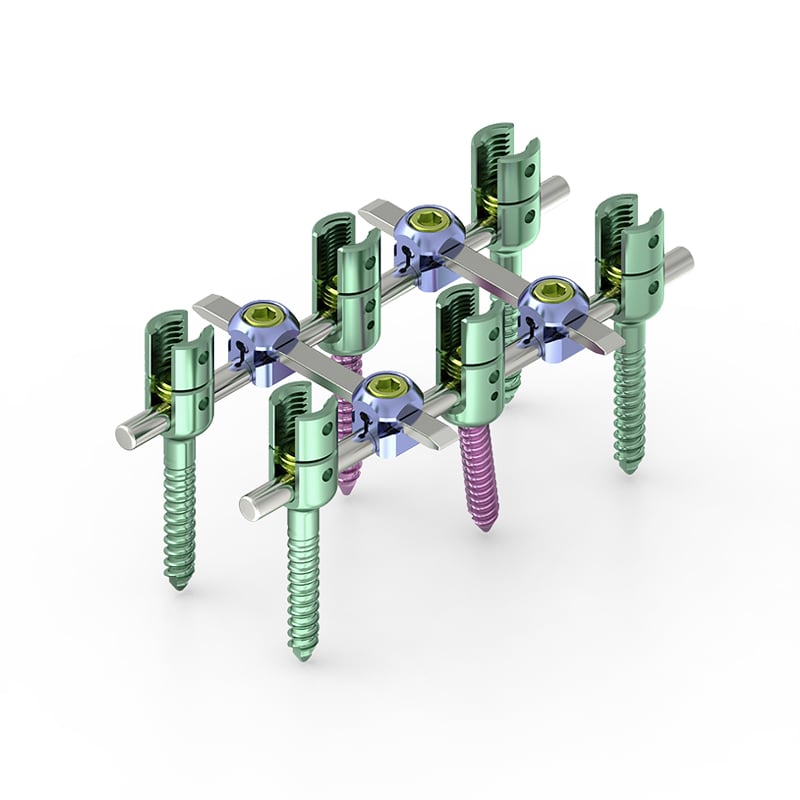
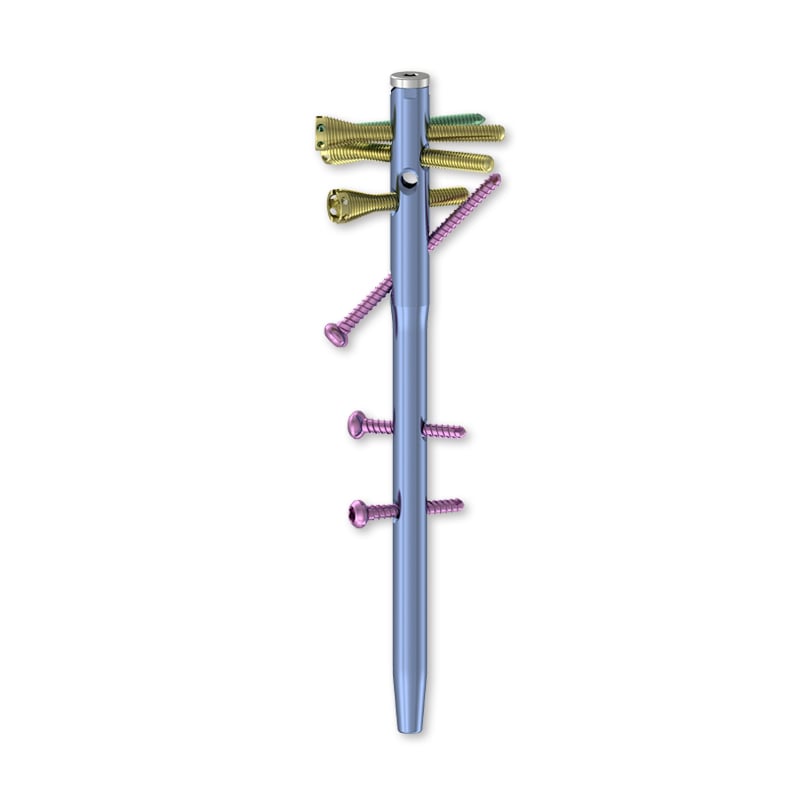
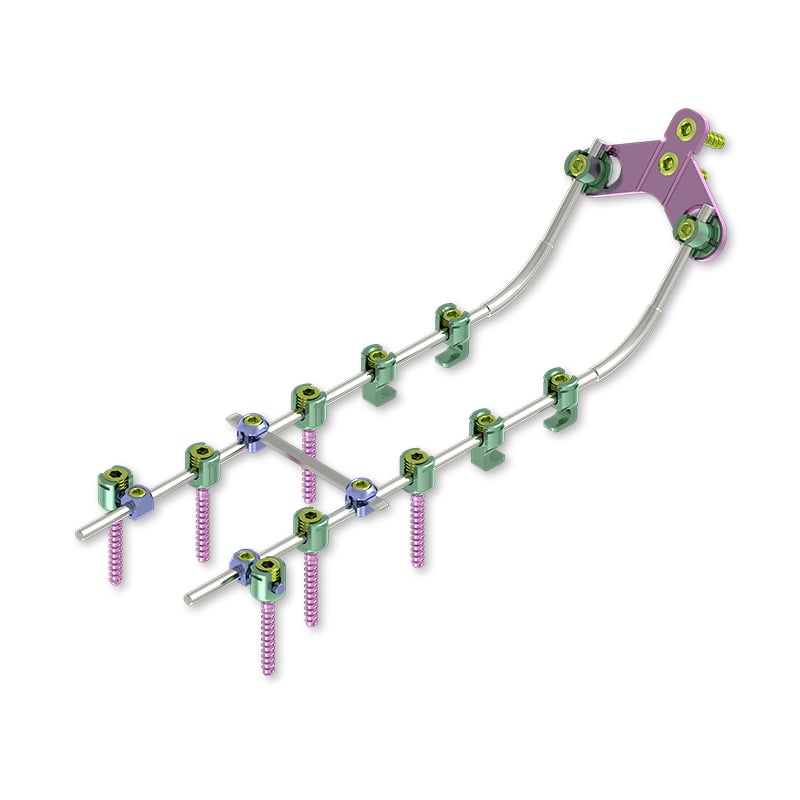
A surgical spinal screw is a precision-engineered orthopedic implant designed to stabilize and support the spinal column during corrective and reconstructive procedures. This medical device plays a critical role in spinal fusion surgeries, fracture fixation, and deformity correction by securing vertebrae in proper alignment while promoting natural bone healing. The surgical spinal screw works in conjunction with rods, plates, and connectors to create a stable framework that supports the spine during recovery. Modern surgical spinal screws are manufactured from biocompatible materials such as titanium alloy or stainless steel, ensuring both strength and compatibility with human tissue. These screws feature specialized thread designs that maximize purchase in vertebral bone, providing secure anchoring even in compromised bone quality. The technological features include self-tapping tips for easier insertion, cannulated designs that allow guidewire placement for enhanced accuracy, and polyaxial heads that offer multi-directional adjustment capabilities. Advanced surface treatments and coatings improve osseointegration, encouraging bone growth around the implant for long-term stability. The surgical spinal screw finds extensive applications across various spinal conditions including degenerative disc disease, scoliosis, spondylolisthesis, spinal stenosis, and traumatic injuries. Surgeons rely on these implants for both minimally invasive and open surgical techniques, with sizes and configurations available to accommodate different vertebral levels from cervical to lumbar regions. The precision engineering of each surgical spinal screw ensures reliable performance in demanding clinical environments, contributing to improved patient outcomes and faster recovery times.

Popular Products

The surgical spinal screw delivers significant practical benefits that directly impact surgical success and patient recovery. These implants provide exceptional stability during the critical healing phase, reducing the risk of hardware failure and allowing patients to mobilize earlier in their recovery journey. The biocompatible materials used in manufacturing minimize adverse tissue reactions, ensuring safe long-term implantation without compromising the body's natural processes. For healthcare facilities, the surgical spinal screw offers operational efficiency through streamlined instrumentation systems that reduce procedure times and simplify surgical workflows. Surgeons appreciate the consistent performance and reliable insertion characteristics that enhance procedural confidence, even in challenging anatomical situations. The versatile design accommodates various surgical approaches, from traditional open procedures to minimally invasive techniques, providing flexibility in treatment planning. Patients benefit from reduced tissue trauma, smaller incisions, and decreased postoperative pain when minimally invasive systems are employed. The surgical spinal screw demonstrates excellent application suitability across diverse patient populations, including those with osteoporotic bone where specialized designs provide enhanced purchase. The cost-effectiveness becomes evident through reduced revision rates and improved fusion success, translating to fewer follow-up procedures and better resource utilization. Decision-makers value the extensive clinical evidence supporting the use of the surgical spinal screw, with decades of research validating safety and efficacy across multiple indications. The availability of comprehensive sizing options ensures appropriate fit for individual patient anatomy, optimizing biomechanical performance. Hospital administrators appreciate the standardized instrumentation that reduces training complexity and inventory management challenges. The surgical spinal screw represents a proven solution that balances clinical effectiveness with practical implementation considerations, making it an essential component in modern spinal surgery programs.

Latest News

How Do Pedicle Screw Systems Support Scoliosis Correction Surgery?

02

Jun

How Do Pedicle Screw Systems Support Scoliosis Correction Surgery?

Scoliosis correction surgery is one of the most technically demanding procedures in modern spinal orthopedics. The ability to realign a severely curved spine, restore sagittal balance, and maintain long-term structural integrity depends heavily on th...
View More
How to Choose the Right Pedicle Screw Size for Lumbar Fusion Procedures?

02

Jun

How to Choose the Right Pedicle Screw Size for Lumbar Fusion Procedures?

Selecting the correct pedicle screw size for lumbar fusion procedures is one of the most consequential decisions a spine surgeon makes during operative planning. The diameter, length, and thread design of each pedicle screw directly influence fixatio...
View More
How Do Spinal Screw Systems Perform in Osteoporotic Patients?

06

Jul

How Do Spinal Screw Systems Perform in Osteoporotic Patients?

When a surgeon places a spinal screw into osteoporotic bone, the mechanical environment is fundamentally different from that of healthy vertebral bone. Osteoporosis reduces bone mineral density and disrupts trabecular architecture, leaving the cancel...
View More
How Does Spinal Screw Fixation Improve Stability in Spinal Fusion Surgery?

06

Jul

How Does Spinal Screw Fixation Improve Stability in Spinal Fusion Surgery?

Spinal fusion surgery is one of the most common and technically demanding procedures in orthopedic and neurosurgical practice. At the heart of this procedure lies a critical mechanical principle: the spine must be held in precise alignment while bone...
View More

Get a Free Quote

Our representative will contact you soon.
Email
Name
Company Name
Message
0/1000

surgical spinal screw

Advanced Thread Design for Superior Bone Engagement

Advanced Thread Design for Superior Bone Engagement

The surgical spinal screw incorporates sophisticated thread geometry that maximizes contact with vertebral bone tissue, ensuring robust fixation throughout the healing process. This engineered thread pattern distributes mechanical loads evenly across the bone interface, reducing stress concentration points that could lead to loosening or failure. The variable pitch design allows for controlled insertion depth while maintaining optimal holding strength in both cortical and cancellous bone structures. Surgeons benefit from the predictable insertion torque characteristics that provide tactile feedback during placement, enabling precise positioning without compromising bone integrity. The thread configuration also facilitates osseointegration by creating a favorable environment for bone ingrowth, promoting biological fixation that complements mechanical stability. This feature proves particularly valuable in revision surgeries or cases involving compromised bone quality, where traditional fixation methods might prove inadequate. The advanced thread design of the surgical spinal screw reduces the likelihood of screw pullout, a significant complication that can necessitate additional procedures. Patients experience enhanced construct stability that supports earlier mobilization and participation in rehabilitation protocols, accelerating their return to normal activities.
Polyaxial Head Technology for Surgical Flexibility

Polyaxial Head Technology for Surgical Flexibility

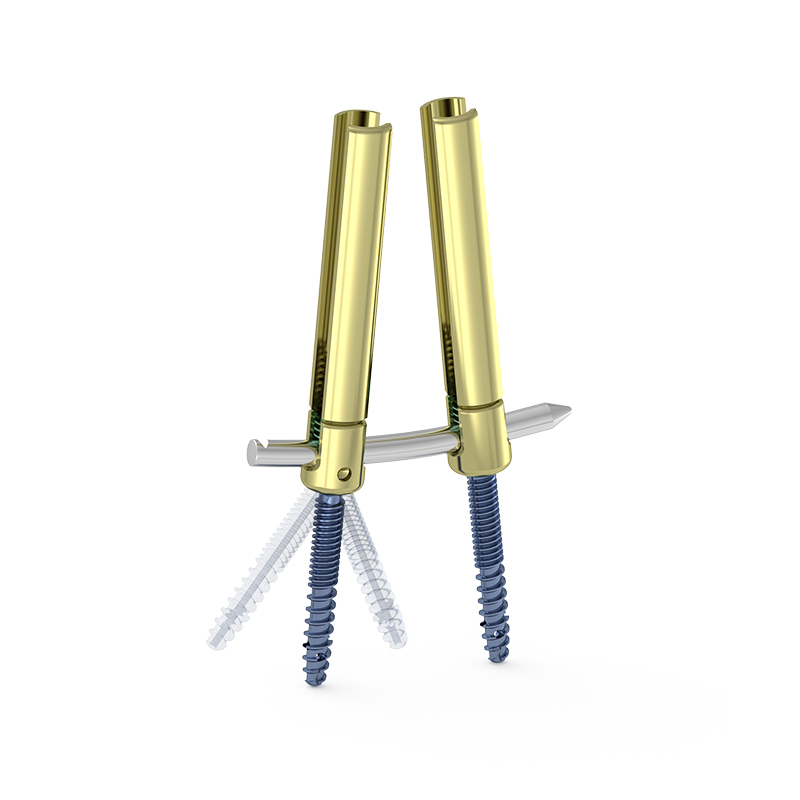
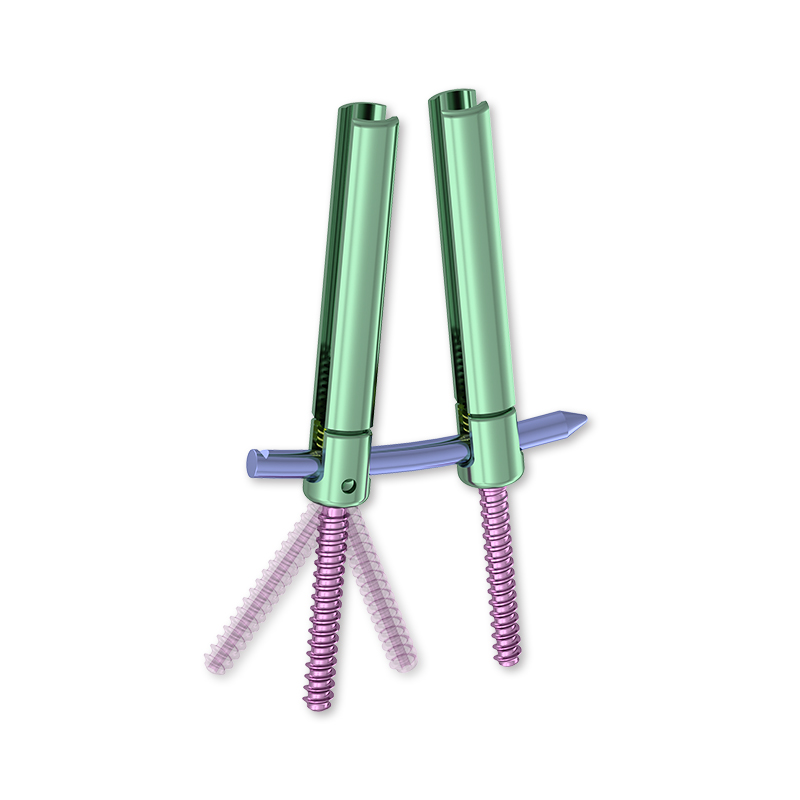
The polyaxial head mechanism featured in modern surgical spinal screws provides surgeons with unprecedented flexibility during rod placement and construct assembly. This innovative design allows angular adjustment in multiple planes after initial screw insertion, accommodating anatomical variations and facilitating optimal rod trajectory without requiring screw repositioning. The ball-and-socket joint configuration enables smooth, controlled movement while maintaining secure locking once the final position is achieved. Surgeons appreciate the ability to make intraoperative adjustments that perfect spinal alignment and balance, critical factors in achieving successful fusion outcomes. The surgical spinal screw with polyaxial capability reduces operative time by eliminating the need for repeated screw insertions when initial trajectories prove suboptimal. This technology proves especially beneficial in complex deformity corrections where precise three-dimensional alignment restoration is essential. The locking mechanism ensures that once tightened, the head maintains its position under physiological loads, preventing loosening during patient movement and daily activities. The polyaxial design also simplifies minimally invasive approaches by allowing percutaneous rod insertion through separate incisions, reducing soft tissue disruption. Patients benefit from improved surgical precision that translates to better biomechanical outcomes and reduced complication risks, making the surgical spinal screw with polyaxial technology a preferred choice for demanding spinal reconstruction procedures.
Biocompatible Materials with Enhanced Osseointegration

Biocompatible Materials with Enhanced Osseointegration

The surgical spinal screw is manufactured from premium biocompatible materials, primarily titanium alloys or medical-grade stainless steel, selected for their exceptional strength-to-weight ratio and tissue compatibility. Titanium alloys offer superior corrosion resistance and radiolucency, allowing clear postoperative imaging assessment without artifact interference. These materials demonstrate excellent fatigue resistance, withstanding the repetitive loading cycles experienced during normal spinal movement throughout the implant's lifespan. Advanced surface treatments applied to the surgical spinal screw promote accelerated bone apposition and integration, creating a biological bond that enhances mechanical fixation. Rough surface textures or specialized coatings increase the available surface area for cellular attachment, encouraging osteoblast activity and new bone formation. The biocompatibility eliminates concerns about adverse immune responses or metallosis that could compromise healing or require implant removal. Patients with metal sensitivities can benefit from alternative material options that maintain structural performance while addressing individual needs. The material selection also considers MRI compatibility, ensuring that patients can undergo necessary diagnostic imaging without contraindications or significant image degradation. The surgical spinal screw's material properties contribute to long-term implant survival, with clinical studies demonstrating excellent performance over extended follow-up periods, providing patients with durable solutions for their spinal conditions.

Get a Free Quote

Our representative will contact you soon.
Email
Name
Company Name
Message
0/1000
Newsletter
Please Leave A Message With Us