Cannulated Screw Implant Solutions

All Categories

Get a Free Quote

Our representative will contact you soon.
Email
Name
Company Name
Message
0/1000

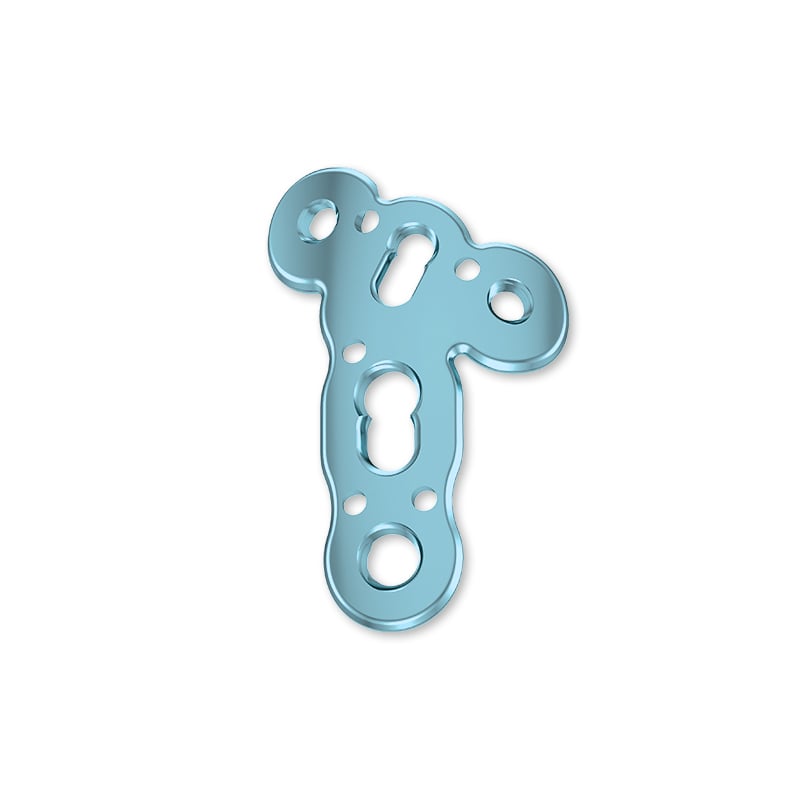
cannulated screw implant

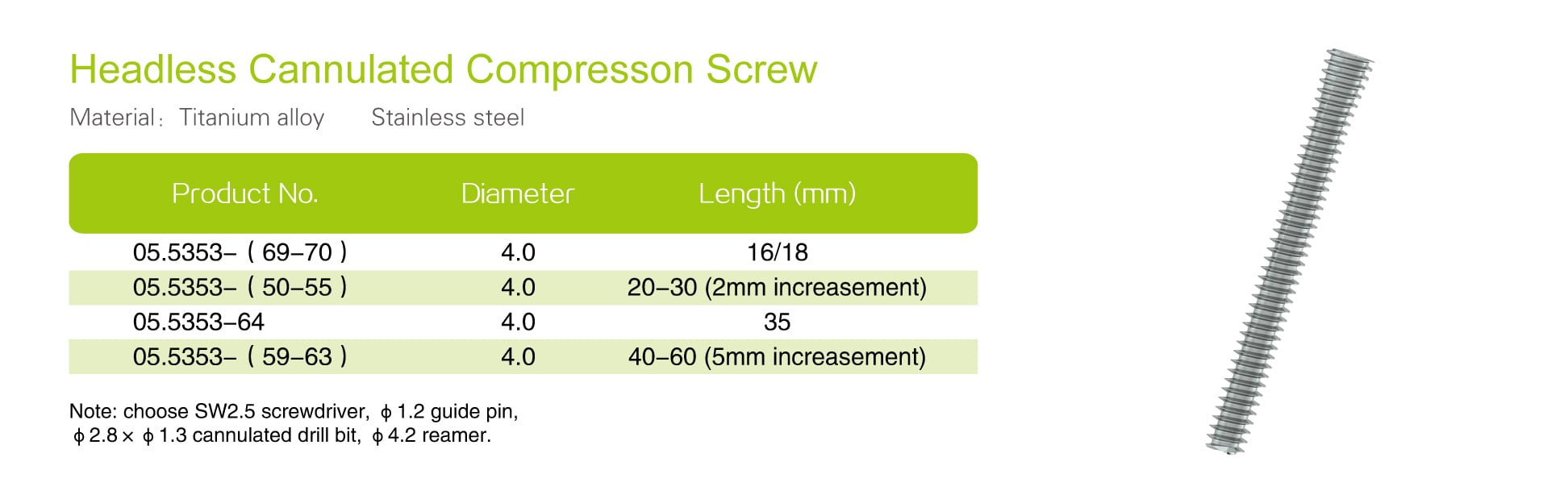
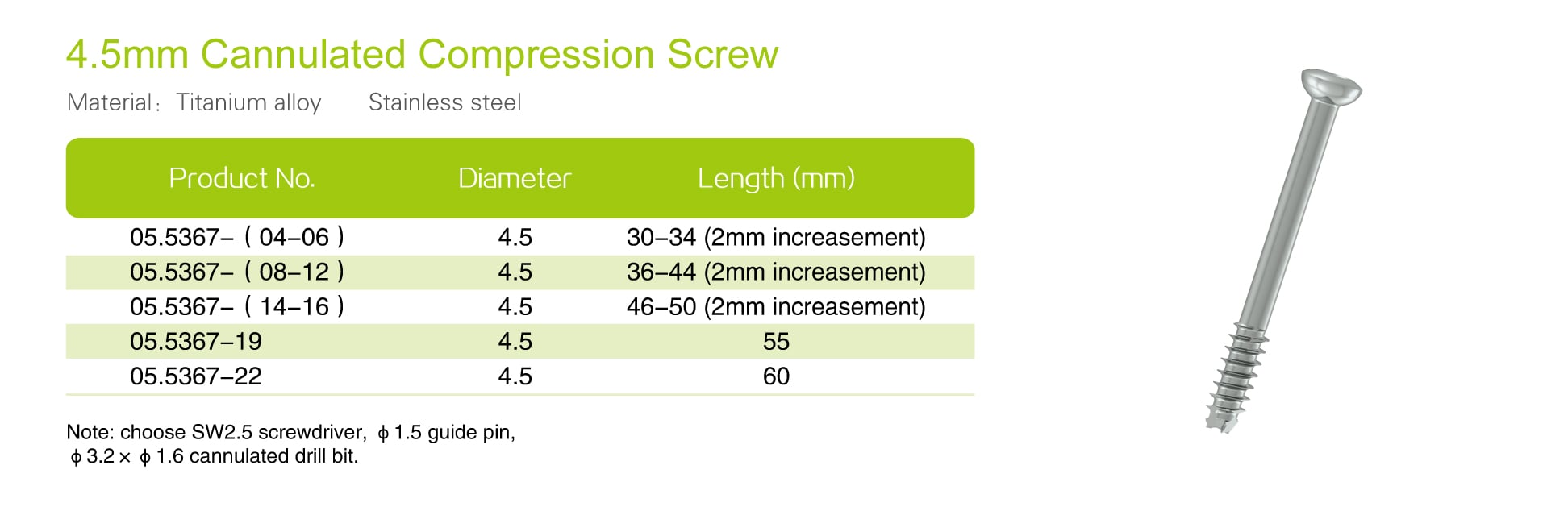
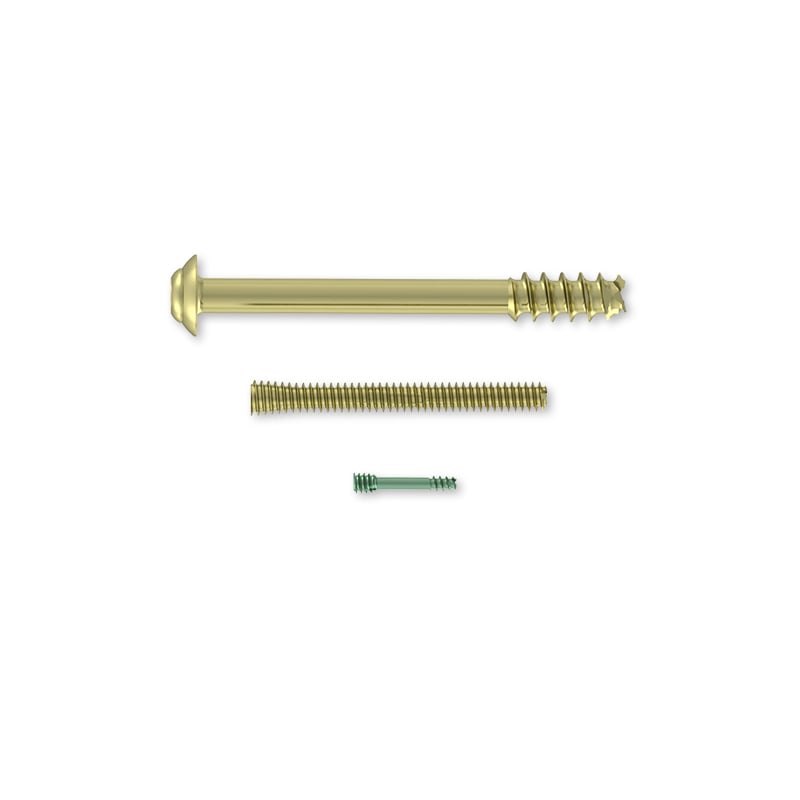
A cannulated screw implant is a specialized orthopedic fixation device designed with a hollow central channel that allows surgeons to insert the screw over a guidewire during surgical procedures. This innovative design revolutionizes bone fracture fixation by providing precise placement and optimal alignment in complex anatomical areas. The cannulated screw implant serves as a critical solution for securing bone fragments, stabilizing fractures, and facilitating proper healing in various skeletal regions including hip joints, knee structures, ankle bones, and wrist assemblies. The hollow core design distinguishes this implant from traditional solid screws by enabling minimally invasive surgical techniques that reduce tissue trauma and improve patient outcomes. Manufactured from biocompatible materials such as titanium alloy or stainless steel, the cannulated screw implant offers exceptional strength while maintaining compatibility with human tissue. Its threading pattern ensures secure purchase in both cortical and cancellous bone, providing stable compression across fracture lines. The technological advancement of the cannulated screw implant represents a significant evolution in orthopedic surgery, combining precision engineering with clinical effectiveness. Surgeons utilize these implants across multiple specialties including trauma surgery, sports medicine, reconstructive procedures, and pediatric orthopedics. The guidewire-assisted insertion method minimizes surgical exposure, reduces operative time, and enhances accuracy in screw placement, making the cannulated screw implant an indispensable tool in modern orthopedic practice for achieving reliable fracture fixation and promoting optimal bone healing outcomes.

New Product Recommendations

The cannulated screw implant delivers substantial benefits that directly impact surgical success and patient recovery. First, the guidewire insertion technique allows surgeons to verify exact placement before final implantation, significantly reducing the risk of misalignment and the need for corrective procedures. This precision translates to fewer complications and better long-term outcomes for patients undergoing fracture repair. The minimally invasive approach enabled by the cannulated screw implant means smaller incisions, less soft tissue disruption, and reduced scarring compared to traditional open surgery methods. Patients experience less postoperative pain, shorter hospital stays, and faster return to daily activities, which reduces overall healthcare costs and improves satisfaction. The hollow design does not compromise structural integrity, as these implants maintain excellent load-bearing capacity while providing the added functionality of guidewire compatibility. Healthcare facilities benefit from the versatility of the cannulated screw implant across multiple procedures, from simple fracture fixation to complex reconstructive operations, maximizing inventory efficiency and reducing the need for multiple specialized devices. The ability to perform percutaneous insertion in appropriate cases means reduced surgical time, lower anesthesia exposure, and decreased infection risk, all contributing to improved patient safety profiles. For orthopedic surgeons, the cannulated screw implant offers consistent, reproducible results with a shorter learning curve compared to freehand placement techniques. The implant's compatibility with standard imaging equipment allows real-time visualization during insertion, enhancing surgical confidence and accuracy. Medical decision-makers appreciate the cost-effectiveness achieved through reduced operative time, fewer complications, and improved patient throughput. The cannulated screw implant proves particularly valuable in osteoporotic bone, where precise placement becomes critical for achieving adequate fixation strength, making it suitable for an aging patient population requiring reliable fracture management solutions.

Tips And Tricks

How Do Orthopedic Implants Contribute to Minimally Invasive Surgery?

02

Jun

How Do Orthopedic Implants Contribute to Minimally Invasive Surgery?

The evolution of surgical medicine has brought forward one of the most significant shifts in patient care: the widespread adoption of minimally invasive surgery. At the heart of this transformation lies the role of orthopedic implants, which have bee...
View More
What Are the Indications for Using Pedicle Screw in Degenerative Spine Disease?

02

Jun

What Are the Indications for Using Pedicle Screw in Degenerative Spine Disease?

Degenerative spine disease encompasses a broad spectrum of conditions that progressively compromise spinal stability, alignment, and neurological function. As these conditions advance, conservative management often fails to provide adequate relief, a...
View More
How to Optimize Pedicle Screw Placement for Better Surgical Outcomes?

06

Jul

How to Optimize Pedicle Screw Placement for Better Surgical Outcomes?

Achieving precise pedicle screw placement is one of the most critical skills in modern spinal surgery. When pedicle screw placement is performed accurately, it creates a stable fixation point that supports spinal fusion, corrects deformity, and reduc...
View More
What Are the Clinical Indications for Using Spinal Screw in Spine Trauma?

06

Jul

What Are the Clinical Indications for Using Spinal Screw in Spine Trauma?

When surgeons evaluate a patient with spine trauma, one of the most critical decisions they face is whether to use a spinal screw for stabilization. A spinal screw serves as the mechanical foundation of posterior fixation systems, anchoring rods or p...
View More

Get a Free Quote

Our representative will contact you soon.
Email
Name
Company Name
Message
0/1000

cannulated screw implant

Precision Guidewire Technology for Optimal Placement

Precision Guidewire Technology for Optimal Placement

The defining feature of the cannulated screw implant is its central hollow channel engineered specifically for guidewire-assisted insertion. This technological innovation fundamentally changes how surgeons approach fracture fixation by providing a reliable pathway for accurate screw placement. Before final implantation, surgeons insert a thin guidewire to the desired position and verify its location using fluoroscopic imaging or direct visualization. Once confirmed, the cannulated screw implant advances smoothly over this guidewire, following the pre-established trajectory with exceptional precision. This method eliminates guesswork and substantially reduces placement errors that could compromise fixation quality. The guidewire acts as a roadmap, particularly valuable in anatomically challenging areas where bone structure complexity makes freehand insertion risky. Surgeons gain confidence knowing the final position matches their planned trajectory, resulting in more consistent outcomes across diverse patient anatomies. This precision technology proves especially critical when working near vital neurovascular structures, where even minimal deviation could cause serious complications. The cannulated screw implant design accommodates various guidewire diameters, providing flexibility for different surgical protocols while maintaining the core benefit of guided insertion accuracy.
Minimally Invasive Surgical Compatibility

Minimally Invasive Surgical Compatibility

The cannulated screw implant excels in minimally invasive surgical approaches, representing a significant advancement for patient care and surgical efficiency. Unlike traditional solid screws requiring larger exposures for proper visualization and insertion, the cannulated screw implant can be placed through small percutaneous incisions when appropriate, dramatically reducing soft tissue trauma. This capability stems from the guidewire technique, which allows surgeons to establish the correct trajectory through a tiny entry point before advancing the implant. Patients benefit from reduced postoperative pain, minimal scarring, lower infection rates, and accelerated rehabilitation timelines. The smaller surgical footprint means less disruption to surrounding muscles, tendons, and blood supply, preserving tissue integrity that contributes to faster healing. Operating room efficiency improves as procedures require less time for exposure and closure, translating to increased surgical capacity and reduced anesthesia duration. For outpatient surgical centers, the cannulated screw implant enables same-day discharge for appropriate cases, improving facility utilization and patient convenience. The minimally invasive compatibility makes this implant particularly attractive for treating active individuals and athletes who prioritize rapid return to function, as well as elderly patients where extensive tissue dissection carries higher risks.
Versatile Application Across Multiple Orthopedic Procedures

Versatile Application Across Multiple Orthopedic Procedures

The cannulated screw implant demonstrates remarkable versatility, serving as an effective solution across a broad spectrum of orthopedic conditions and anatomical locations. Surgeons routinely employ these implants for hip fracture fixation, particularly femoral neck fractures where precise parallel screw placement proves critical for stability. In foot and ankle surgery, the cannulated screw implant facilitates arthrodesis procedures and fracture repair in small bones where accuracy becomes paramount. Hand and wrist surgeons value these implants for scaphoid fracture fixation, where the guidewire technique enables accurate placement through limited approaches. Sports medicine specialists utilize the cannulated screw implant for ligament reconstruction procedures, securing soft tissue grafts to bone tunnels with reliable fixation strength. Pediatric orthopedists appreciate the precision this implant provides when treating growth plate injuries and fractures in developing bones, where careful placement prevents growth disturbances. The availability of various lengths, diameters, and thread configurations allows surgeons to match implant specifications to specific clinical needs, from small-fragment fixation to large bone stabilization. This adaptability reduces inventory complexity while ensuring appropriate solutions remain available for diverse patient populations and clinical scenarios, making the cannulated screw implant a foundational component of comprehensive orthopedic surgical programs.

Get a Free Quote

Our representative will contact you soon.
Email
Name
Company Name
Message
0/1000
Newsletter
Please Leave A Message With Us