Cannulated Screw Indications Guide

All Categories

Get a Free Quote

Our representative will contact you soon.
Email
Name
Company Name
Message
0/1000

cannulated screw indications

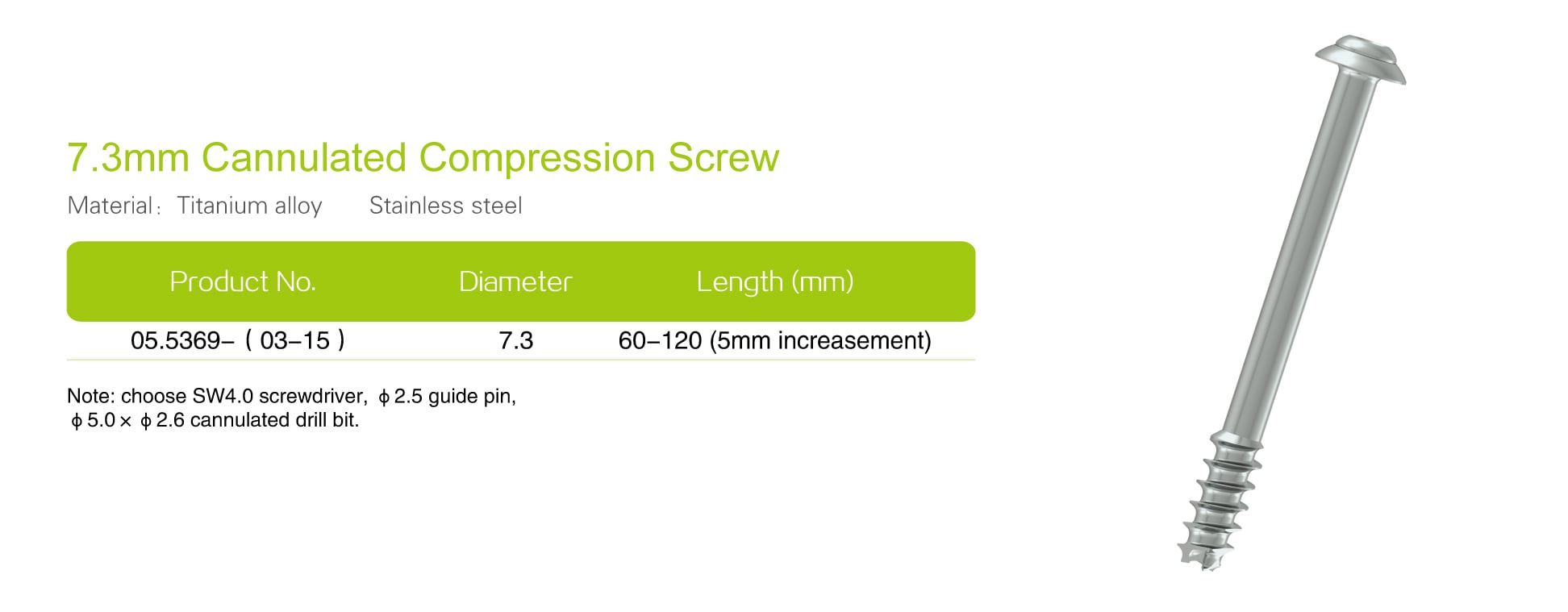
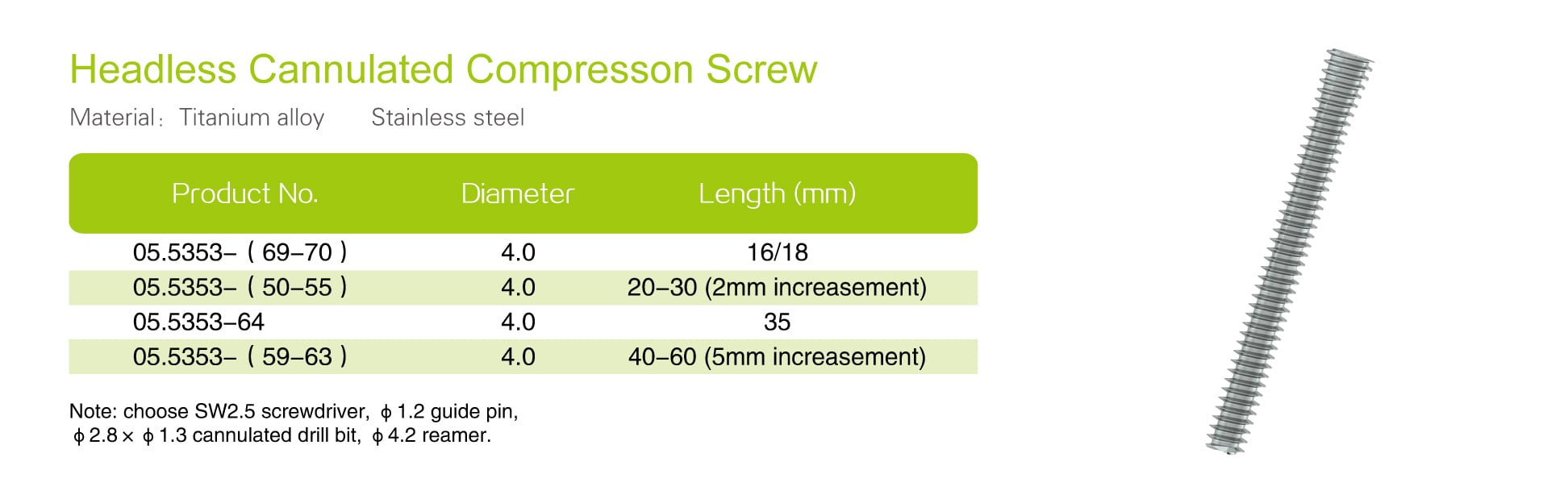
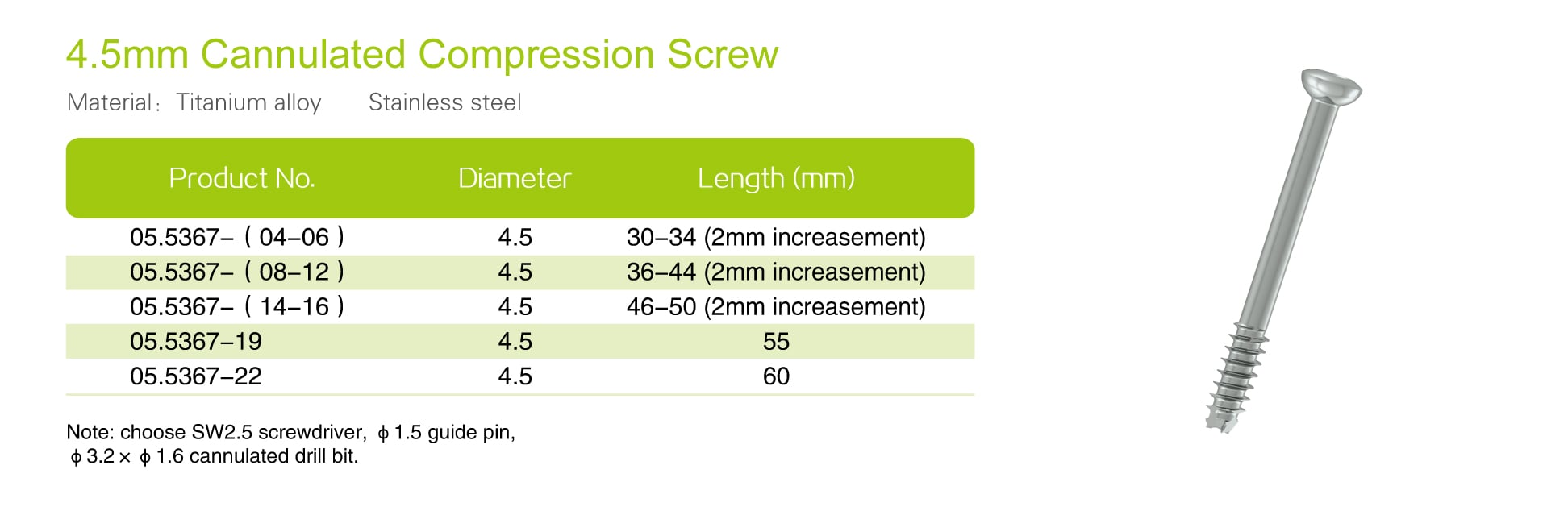
Cannulated screw indications encompass a wide range of orthopedic applications where precision fixation and guided insertion are essential for optimal surgical outcomes. These specialized screws feature a hollow core design that allows surgeons to insert them over a guidewire, ensuring accurate placement in complex anatomical locations. The primary cannulated screw indications include fracture fixation of small bones, such as scaphoid fractures in the wrist, femoral neck fractures in the hip, and ankle fractures. These devices are also indicated for osteotomy procedures, joint fusion surgeries, and ligament reconstruction procedures where secure bone-to-bone fixation is required. The technological features of cannulated screws include their hollow central channel, which accommodates guidewires ranging from 0.8mm to 2.5mm in diameter, depending on screw size. This design enables minimally invasive surgical techniques, reducing soft tissue disruption and promoting faster patient recovery. Cannulated screw indications extend to pediatric orthopedics, sports medicine, and trauma surgery, where precise screw placement is critical to avoid damaging surrounding neurovascular structures. The threaded design provides excellent purchase in both cortical and cancellous bone, while the variety of available lengths and diameters allows surgeons to customize treatment for individual patient anatomy. Understanding cannulated screw indications helps medical professionals select the appropriate fixation method for specific clinical scenarios, ultimately improving patient outcomes and reducing surgical complications. These versatile implants have become standard tools in modern orthopedic surgery due to their reliability, ease of use, and proven clinical effectiveness across multiple surgical specialties.

New Product Recommendations

The advantages of cannulated screw indications translate directly into tangible benefits for both surgeons and patients, making them a preferred choice in contemporary orthopedic practice. From an operational perspective, the guidewire-based insertion technique allows surgeons to verify optimal screw trajectory before final implant placement, significantly reducing the risk of malposition and the need for revision surgery. This precision is particularly valuable when treating cannulated screw indications in anatomically challenging areas where millimeter-level accuracy determines success. Patients benefit from smaller incisions and less soft tissue trauma, which translates to reduced postoperative pain, shorter hospital stays, and faster return to daily activities. The minimally invasive approach associated with cannulated screw indications also results in improved cosmetic outcomes, with smaller scars and reduced risk of infection compared to traditional open fixation methods. For healthcare facilities, the efficiency of cannulated screw procedures means shorter operating room times and optimized resource utilization, contributing to better cost management. The versatility of cannulated screw indications across multiple anatomical locations means hospitals can standardize their inventory, simplifying procurement and reducing storage requirements. Surgeons appreciate the tactile feedback and control provided during insertion, which enhances confidence during complex procedures. The compression achieved through cannulated screw fixation promotes bone healing by stabilizing fracture fragments and maintaining anatomical reduction throughout the healing process. For patients with active lifestyles, cannulated screw indications offer the structural stability necessary for early mobilization and rehabilitation, preventing joint stiffness and muscle atrophy. The biocompatible materials used in manufacturing ensure long-term implant tolerance, while various head designs accommodate different clinical scenarios. Decision-makers evaluating fixation options will find that cannulated screw indications provide an optimal balance of clinical effectiveness, procedural efficiency, and patient satisfaction, making them a sound investment for orthopedic departments seeking to deliver high-quality care while maintaining operational excellence.

Practical Tips

How Do Orthopedic Implants Contribute to Minimally Invasive Surgery?

02

Jun

How Do Orthopedic Implants Contribute to Minimally Invasive Surgery?

The evolution of surgical medicine has brought forward one of the most significant shifts in patient care: the widespread adoption of minimally invasive surgery. At the heart of this transformation lies the role of orthopedic implants, which have bee...
View More
How Does Pedicle Screw Design Enhance Pullout Strength and Stability?

02

Jun

How Does Pedicle Screw Design Enhance Pullout Strength and Stability?

In modern spinal surgery, fixation reliability is not a secondary consideration — it is the foundation upon which patient outcomes are built. The pedicle screw has become the cornerstone of posterior spinal instrumentation, offering surgeons a ...
View More
How to Optimize Pedicle Screw Placement for Better Surgical Outcomes?

06

Jul

How to Optimize Pedicle Screw Placement for Better Surgical Outcomes?

Achieving precise pedicle screw placement is one of the most critical skills in modern spinal surgery. When pedicle screw placement is performed accurately, it creates a stable fixation point that supports spinal fusion, corrects deformity, and reduc...
View More
Why Is Accurate Spinal Screw Placement Crucial for Patient Safety?

06

Jul

Why Is Accurate Spinal Screw Placement Crucial for Patient Safety?

Pedicle screw placement is one of the most technically demanding steps in spinal surgery. When a surgeon positions each screw with precision, the entire construct gains stability, and the patient's recovery is protected from preventable complications...
View More

Get a Free Quote

Our representative will contact you soon.
Email
Name
Company Name
Message
0/1000

cannulated screw indications

Precision Guidance for Optimal Surgical Accuracy

Precision Guidance for Optimal Surgical Accuracy

One of the most compelling advantages of cannulated screw indications is the unparalleled precision achieved through guidewire-directed insertion. This technological innovation fundamentally changes how surgeons approach bone fixation procedures. Before the cannulated screw is inserted, a thin guidewire is placed across the fracture site or fusion area under fluoroscopic guidance. This allows the surgical team to verify the exact trajectory, entry point, and exit point in real-time, making adjustments as needed before committing to the final implant. For cannulated screw indications involving small bones or joints with limited working space, this capability is invaluable. The guidewire serves as a precise roadmap, eliminating guesswork and reducing the likelihood of screw penetration into adjacent joints or damage to vital neurovascular structures. This is particularly important in pediatric applications where growth plates must be carefully avoided, and in elderly patients with osteoporotic bone where screw purchase is already compromised. The ability to confirm proper placement before final insertion significantly reduces radiation exposure, as fewer fluoroscopic images are needed to verify position. This precision-first approach inherent to cannulated screw indications ultimately leads to better fracture reduction, improved healing rates, and reduced complication rates, benefiting both patient outcomes and healthcare system efficiency.
Minimally Invasive Approach for Enhanced Recovery

Minimally Invasive Approach for Enhanced Recovery

Cannulated screw indications are ideally suited for minimally invasive surgical techniques that prioritize tissue preservation and accelerated patient recovery. Traditional open fixation methods require extensive soft tissue dissection to visualize the fracture site and ensure proper hardware placement. In contrast, procedures addressing cannulated screw indications can often be performed through small stab incisions measuring just a few millimeters in length. The guidewire is inserted percutaneously under imaging guidance, and the cannulated screw follows this predetermined path without requiring direct visualization of the bone. This approach dramatically reduces surgical trauma to muscles, tendons, and surrounding soft tissues, which translates into multiple patient benefits. Postoperative pain is significantly decreased, often reducing the need for narcotic pain medications and their associated side effects. Wound healing is faster with smaller incisions, lowering infection risk and improving cosmetic results. Hospital stays are frequently shortened, as patients can begin weight-bearing and rehabilitation protocols earlier. For athletic individuals or manual laborers, cannulated screw indications treated through minimally invasive techniques mean quicker return to sports and work. The reduced tissue disruption also preserves the local blood supply to the fracture site, which is critical for bone healing. Healthcare providers benefit from decreased operating room time and lower perioperative costs, while maintaining or improving clinical outcomes compared to traditional open techniques.
Versatile Applications Across Multiple Specialties

Versatile Applications Across Multiple Specialties

The broad scope of cannulated screw indications makes these devices indispensable across numerous orthopedic subspecialties and clinical scenarios. In hand and wrist surgery, cannulated screw indications include treatment of scaphoid fractures, where the small bone size and complex anatomy demand precise fixation without disturbing surrounding carpal mechanics. Hip fracture surgery relies heavily on cannulated screws for femoral neck fractures, particularly in younger patients where joint preservation is paramount. Ankle and foot surgeons utilize cannulated screw indications for fixation of malleolar fractures, talar fractures, and arthrodesis procedures requiring rigid compression. Sports medicine specialists depend on these devices for ACL reconstruction procedures where interference screws provide secure graft fixation. Pediatric orthopedists treat slipped capital femoral epiphysis and other growth-related conditions where cannulated screw indications offer stable fixation while respecting open growth plates. The availability of various screw diameters, lengths, thread patterns, and head designs means that cannulated screw indications can be customized to match specific bone density, fracture patterns, and biomechanical requirements. This versatility simplifies surgical planning and inventory management, as a single implant system can address multiple clinical situations. For hospitals and ambulatory surgery centers, investing in cannulated screw systems means acquiring a solution that serves multiple departments and patient populations, maximizing return on investment while ensuring comprehensive treatment capabilities.

Get a Free Quote

Our representative will contact you soon.
Email
Name
Company Name
Message
0/1000
Newsletter
Please Leave A Message With Us