cannulated screw orthopedic implant
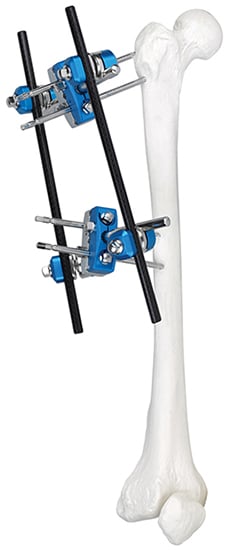
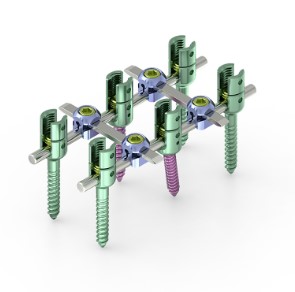
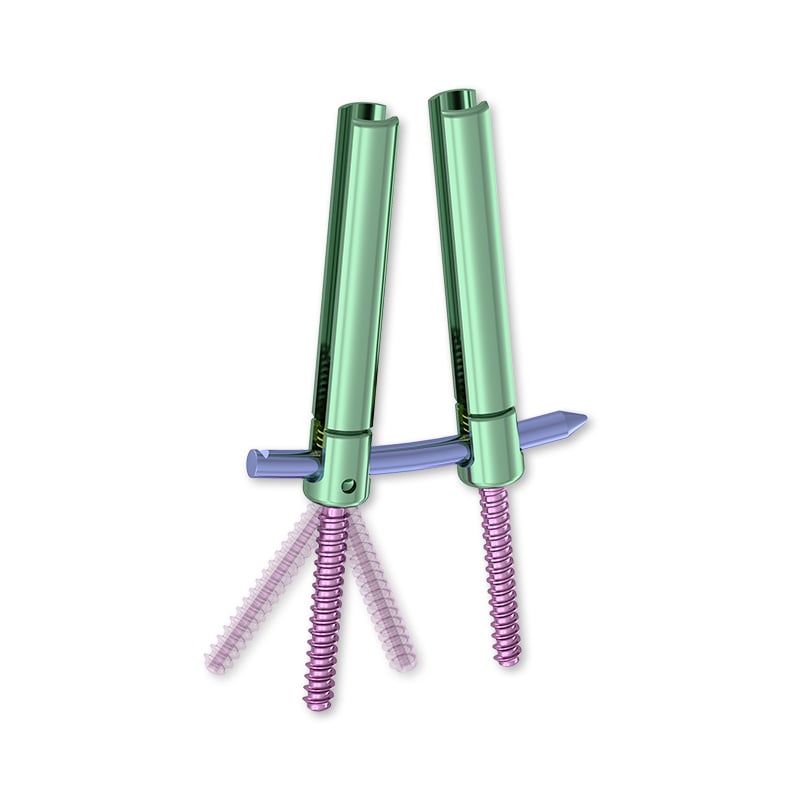
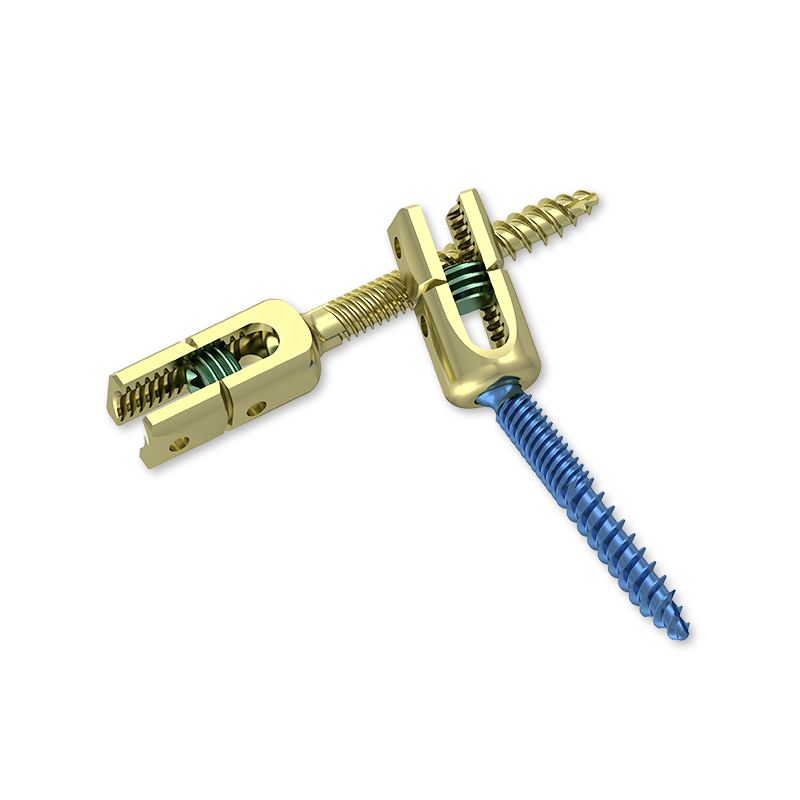
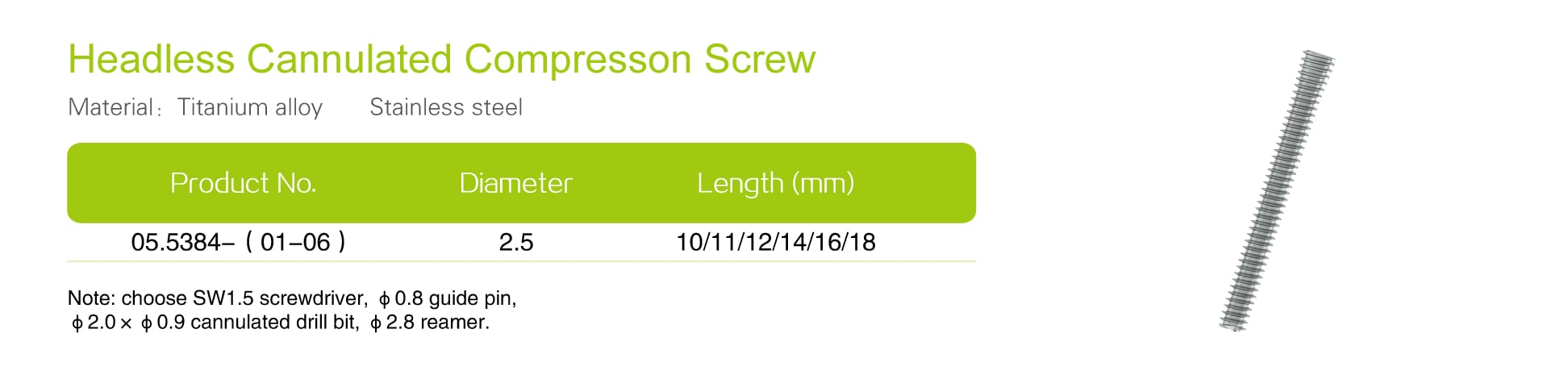
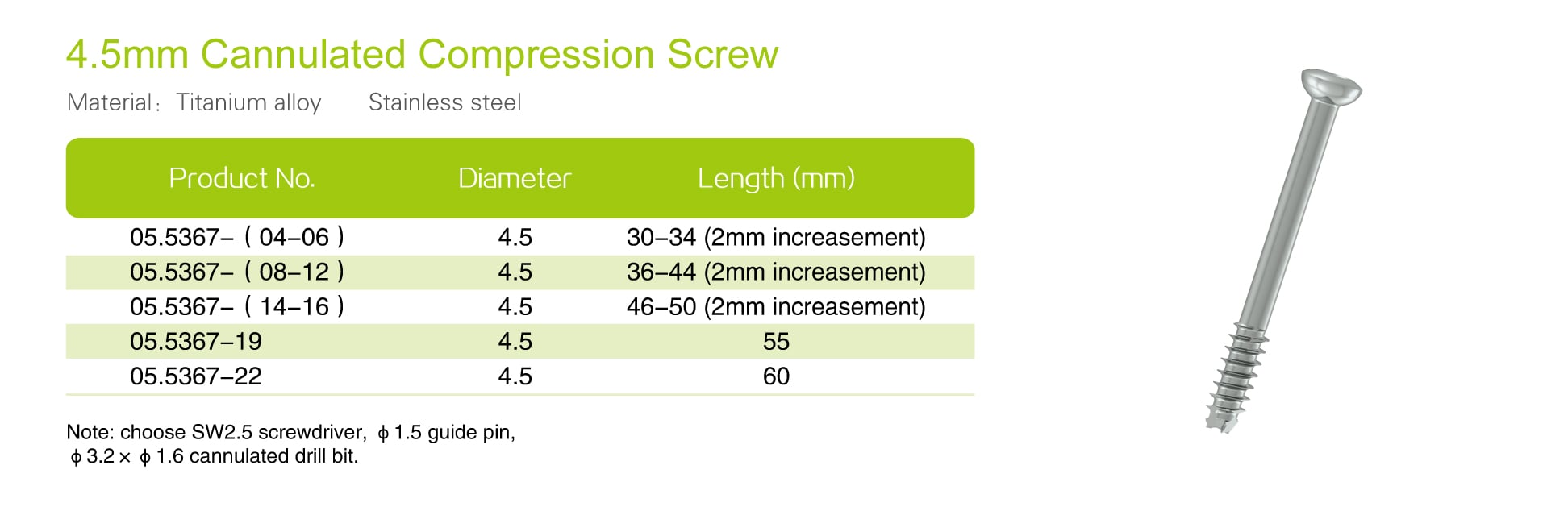
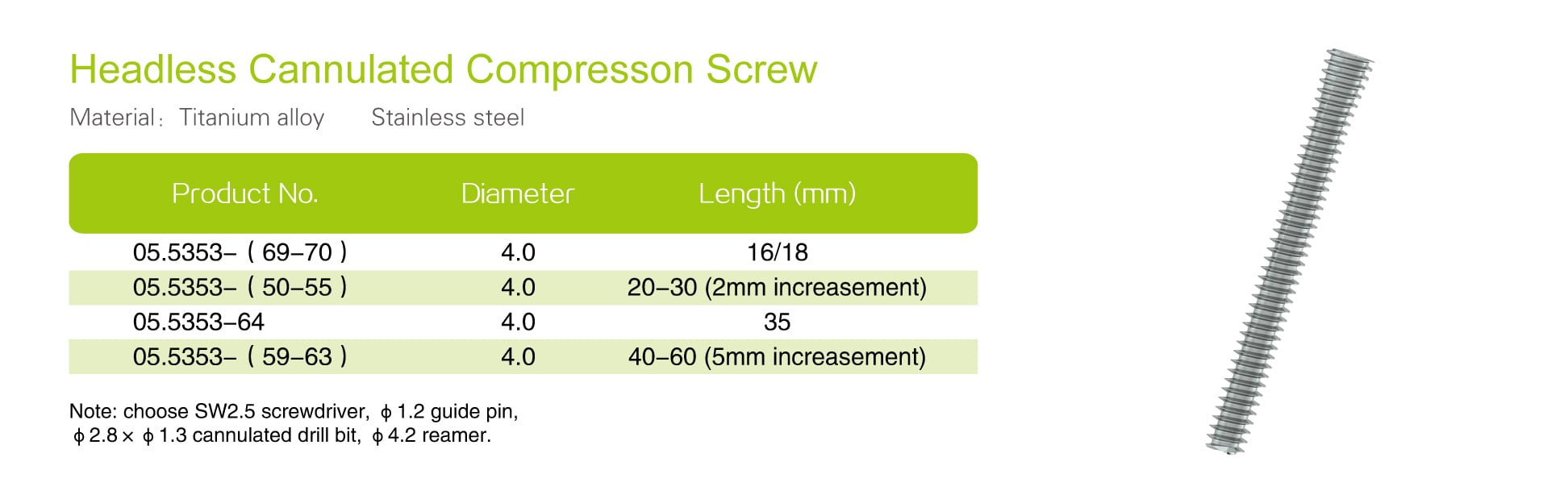
A cannulated screw orthopedic implant represents a specialized surgical fixation device designed with a hollow central channel that enables precise placement over a guidewire during bone fracture repair and reconstruction procedures. This innovative design distinguishes it from traditional solid screws by allowing surgeons to achieve exceptional accuracy when stabilizing bone fragments. The cannulated screw orthopedic implant serves multiple critical functions in trauma surgery, including internal fixation of femoral neck fractures, scaphoid fractures, ankle fractures, and various small bone injuries throughout the skeletal system. The hollow core structure provides direct visualization of screw trajectory during insertion, significantly reducing the risk of misplacement. Manufactured from medical-grade titanium alloy or stainless steel, these implants offer superior biocompatibility and corrosion resistance essential for long-term implantation. The technological features include self-tapping threads that cut through bone tissue efficiently, reducing insertion torque and minimizing thermal necrosis. Thread design variations accommodate different bone densities, from cancellous to cortical bone structures. The cannulated screw orthopedic implant comes in various diameters ranging from 3.0mm to 7.3mm and lengths extending from 20mm to 110mm, providing comprehensive options for diverse anatomical requirements. Surface treatments such as anodization or hydroxyapatite coating enhance osseointegration and promote faster healing. Clinical applications span across hip fracture fixation, ACL reconstruction procedures, osteotomy stabilization, and small fragment fixation in hand and foot surgeries. The versatility and precision offered by this implant system make it indispensable in contemporary orthopedic practice, addressing both simple and complex fracture patterns with reliable outcomes.

 EN
EN