Durable Pedicle Screw Solutions for Spine Surgery

All Categories

Get a Free Quote

Our representative will contact you soon.
Email
Name
Company Name
Message
0/1000

durable pedicle screw

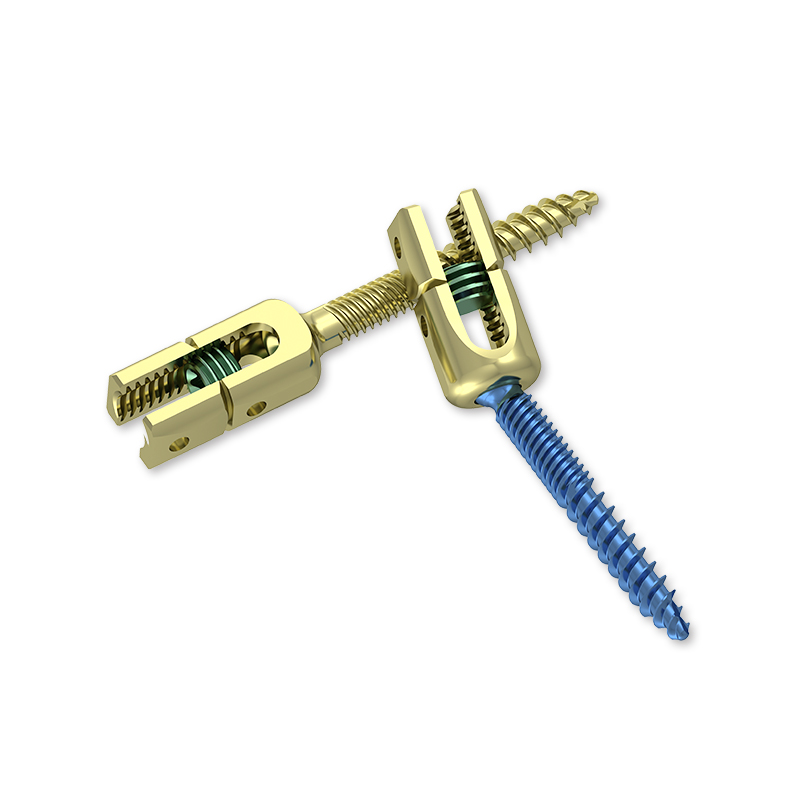
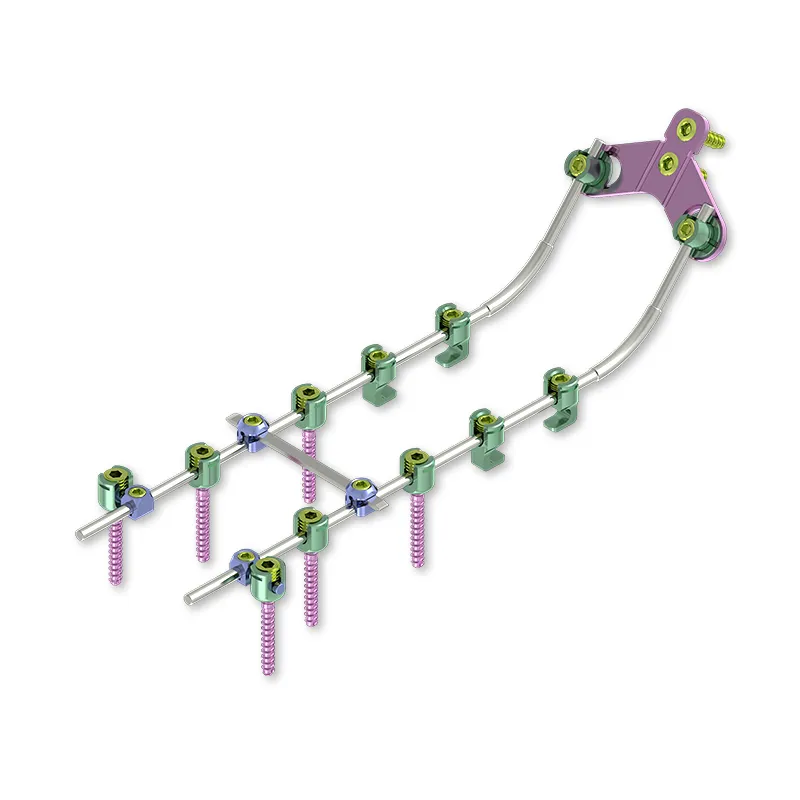
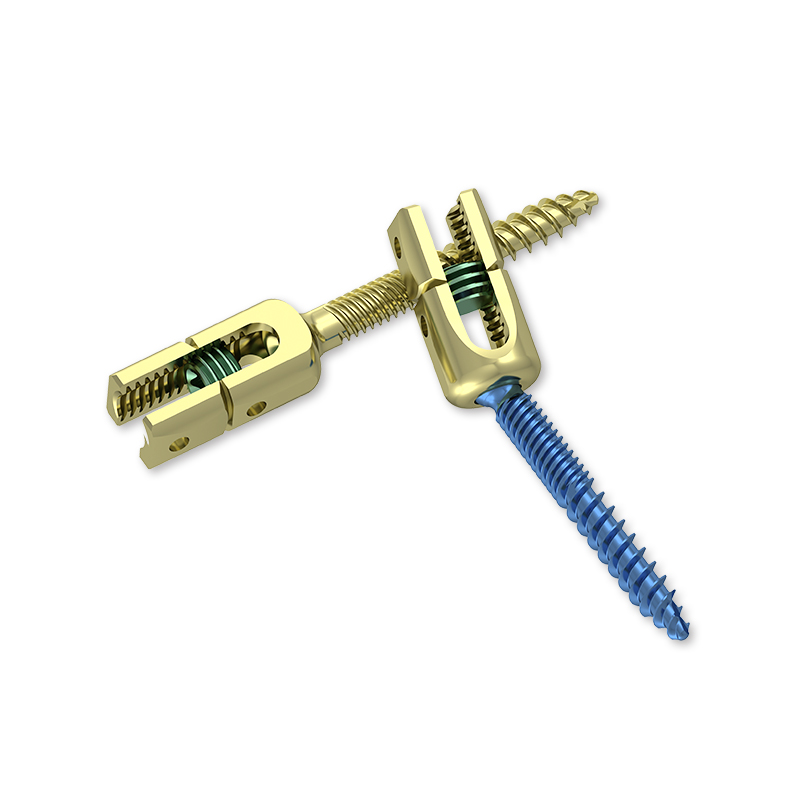
A durable pedicle screw represents a critical advancement in spinal fusion surgery, designed to provide long-lasting stability and support for patients requiring vertebral fixation. This specialized orthopedic implant is surgically inserted through the pedicle of the vertebra, creating a secure anchor point that connects rods and other stabilization components. The durable pedicle screw serves as the foundation for spinal instrumentation systems, enabling surgeons to correct deformities, stabilize fractures, and facilitate bone fusion in patients suffering from degenerative disc disease, scoliosis, trauma, or tumor-related spinal conditions. The primary function of a durable pedicle screw involves maintaining proper spinal alignment while the body's natural healing process takes place. These screws are engineered with advanced materials and precision threading patterns that maximize bone purchase and resist pullout forces during the critical healing period. Technological features include corrosion-resistant titanium or stainless steel construction, self-tapping or self-drilling capabilities, and anatomically optimized thread designs that enhance insertion efficiency and fixation strength. Many modern durable pedicle screw systems incorporate polyaxial heads that allow multi-directional rod placement, accommodating complex spinal anatomy and surgical approaches. Clinical applications span across lumbar, thoracic, and cervical spine procedures, with specialized designs available for pediatric patients, osteoporotic bone conditions, and minimally invasive surgical techniques. The durable pedicle screw has become an indispensable tool in contemporary spine surgery, offering reliable performance that supports successful patient outcomes and long-term spinal stability.

New Product Recommendations

Choosing a durable pedicle screw offers significant benefits that directly impact surgical success and patient recovery. The exceptional longevity of these implants means patients can rely on consistent spinal support throughout the entire fusion process, which typically spans several months. This durability translates to fewer complications related to hardware failure, reducing the likelihood of revision surgeries that increase medical costs and patient discomfort. From an operational perspective, surgeons appreciate how durable pedicle screw systems streamline surgical workflows through intuitive instrumentation and reliable insertion mechanics. The robust construction allows confident tightening without concern for screw stripping or head breakage, enabling optimal compression and distraction maneuvers during rod contouring. Medical facilities benefit from the cost-effectiveness of durable pedicle screw systems that maintain inventory efficiency while delivering consistent performance across diverse patient populations. The application suitability of these screws extends to challenging clinical scenarios including revision surgeries, osteoporotic bone, and multi-level fusion procedures where mechanical demands are particularly high. Patients experience practical advantages through improved mobility restoration and pain reduction as the durable pedicle screw maintains proper vertebral alignment during healing. The biocompatible materials used in construction minimize adverse tissue reactions, supporting faster recovery and better long-term integration. For healthcare decision-makers, the proven track record of durable pedicle screw technology represents a sound investment in patient care quality. The extensive clinical evidence supporting these devices provides confidence in their safety profile and effectiveness across various surgical indications. Ultimately, the combination of mechanical strength, biological compatibility, and surgical versatility makes the durable pedicle screw an essential component in modern spinal treatment strategies that prioritize both immediate surgical success and lasting patient wellbeing.

Latest News

How Do Orthopedic Implants Contribute to Minimally Invasive Surgery?

02

Jun

How Do Orthopedic Implants Contribute to Minimally Invasive Surgery?

The evolution of surgical medicine has brought forward one of the most significant shifts in patient care: the widespread adoption of minimally invasive surgery. At the heart of this transformation lies the role of orthopedic implants, which have bee...
View More
How Does Spinal Screw Improve Outcomes in Scoliosis Correction Surgery?

06

Jul

How Does Spinal Screw Improve Outcomes in Scoliosis Correction Surgery?

Scoliosis correction surgery is one of the most technically demanding procedures in spinal care, requiring precise instrumentation to restore alignment and maintain long-term stability. At the center of modern surgical technique, the spinal screw has...
View More
How Does Spinal Screw Design Enhance Mechanical Strength and Fixation?

06

Jul

How Does Spinal Screw Design Enhance Mechanical Strength and Fixation?

In modern spinal surgery, the pedicle screw is one of the most critical implants used to stabilize the vertebral column. Whether the procedure involves deformity correction, fracture management, or spinal fusion, the pedicle screw serves as the prima...
View More
How Does Spinal Screw Fixation Improve Stability in Spinal Fusion Surgery?

06

Jul

How Does Spinal Screw Fixation Improve Stability in Spinal Fusion Surgery?

Spinal fusion surgery is one of the most common and technically demanding procedures in orthopedic and neurosurgical practice. At the heart of this procedure lies a critical mechanical principle: the spine must be held in precise alignment while bone...
View More

Get a Free Quote

Our representative will contact you soon.
Email
Name
Company Name
Message
0/1000

durable pedicle screw

Superior Mechanical Strength for Lasting Fixation

Superior Mechanical Strength for Lasting Fixation

The durable pedicle screw delivers exceptional mechanical strength that sets it apart from standard fixation devices. Engineered from premium-grade titanium alloys or medical-grade stainless steel, these screws withstand the substantial biomechanical forces encountered in the spinal column throughout daily activities. The advanced metallurgy ensures resistance to fatigue failure even under cyclical loading conditions that occur during bending, twisting, and weight-bearing movements. This superior strength characteristic becomes particularly valuable in patients with higher body mass indexes or those engaged in physically demanding rehabilitation programs. The thread geometry is precisely calculated to maximize purchase in both cortical and cancellous bone, creating a secure interface that resists loosening over time. Additionally, the robust construction allows surgeons to apply appropriate corrective forces during surgery without compromising screw integrity. This mechanical reliability translates to reduced anxiety for patients who can pursue normal activities with confidence once cleared by their surgeon. The durability factor also extends the functional lifespan of the implant system, supporting fusion success rates and minimizing the potential for hardware-related complications that could necessitate additional interventions.
Advanced Design Features for Surgical Precision

Advanced Design Features for Surgical Precision

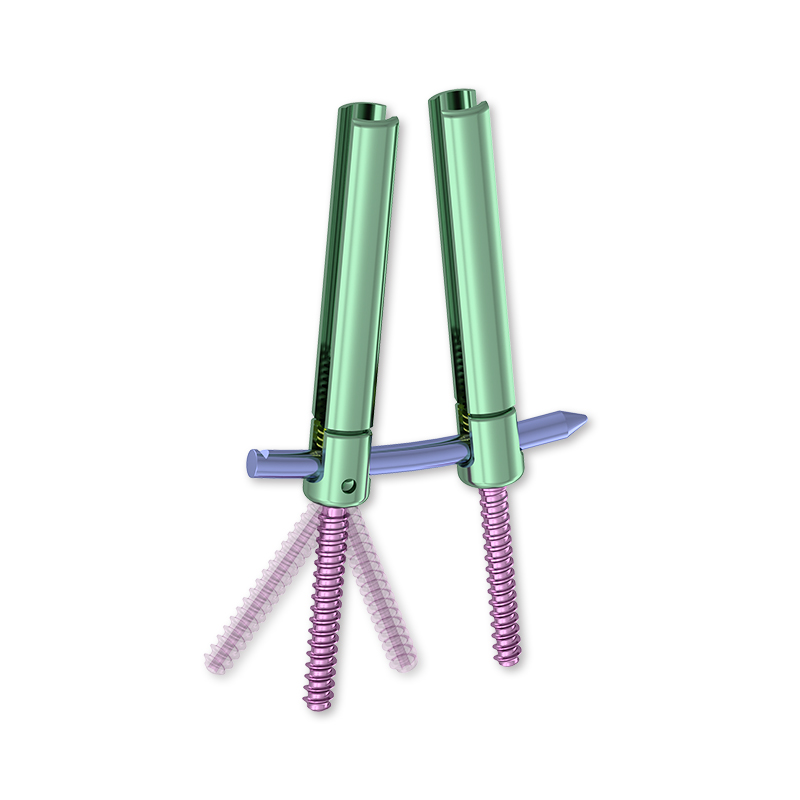
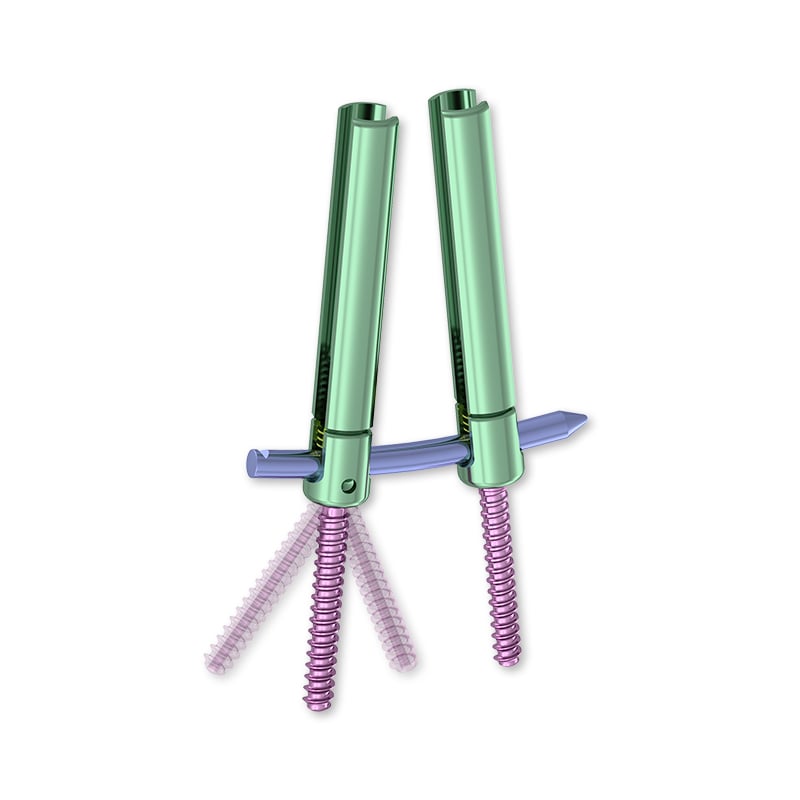
Modern durable pedicle screw systems incorporate sophisticated design innovations that enhance surgical accuracy and adaptability. The polyaxial head mechanism allows up to forty degrees of angulation in multiple planes, enabling surgeons to accommodate individual anatomical variations and achieve optimal rod placement without compromising screw trajectory. This flexibility proves invaluable when addressing complex deformities or navigating challenging surgical corridors in minimally invasive approaches. Many systems feature color-coded sizing and intuitive instrument interfaces that reduce operative time and minimize the learning curve for surgical teams. The self-tapping thread design cuts its own path during insertion, eliminating the need for separate tapping procedures and reducing bone trauma. Some advanced durable pedicle screw models include fenestrated designs that allow bone graft material to flow through the screw body, potentially enhancing fusion rates by promoting osseointegration directly at the fixation site. The low-profile head designs minimize soft tissue irritation while maintaining strong rod-locking mechanisms that prevent post-operative displacement. These thoughtful engineering details combine to create a user-friendly system that supports consistent surgical technique while accommodating the unique requirements of each patient's anatomy and pathology.
Proven Biocompatibility and Patient Safety

Proven Biocompatibility and Patient Safety

The durable pedicle screw demonstrates outstanding biocompatibility that prioritizes patient safety and long-term tissue health. Manufactured from materials with decades of successful clinical use in orthopedic applications, these implants exhibit minimal risk of allergic reactions or adverse biological responses. The smooth surface finishes are achieved through specialized manufacturing processes that eliminate microscopic irregularities, reducing friction with surrounding tissues and lowering the potential for inflammatory reactions. The corrosion-resistant properties ensure that the implant maintains structural integrity without releasing metal ions that could trigger systemic responses or local tissue irritation. This biocompatibility extends to osseointegration characteristics, where the bone tissue gradually incorporates the screw surface into the remodeling process, creating a stable biological fixation that complements the mechanical grip. Extensive preclinical testing and post-market surveillance data support the excellent safety profile of durable pedicle screw systems across diverse patient populations. The radiopaque markers facilitate clear visualization on imaging studies, allowing surgeons to verify proper placement and monitor fusion progress without invasive procedures. This combination of biological compatibility and safety features provides patients and clinicians with confidence in both the immediate surgical outcome and the long-term performance of the spinal reconstruction.

Get a Free Quote

Our representative will contact you soon.
Email
Name
Company Name
Message
0/1000
Newsletter
Please Leave A Message With Us