pedicle screw complications
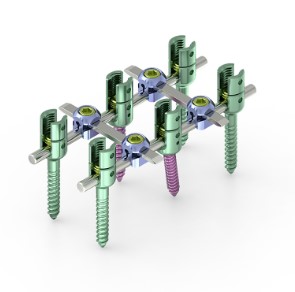
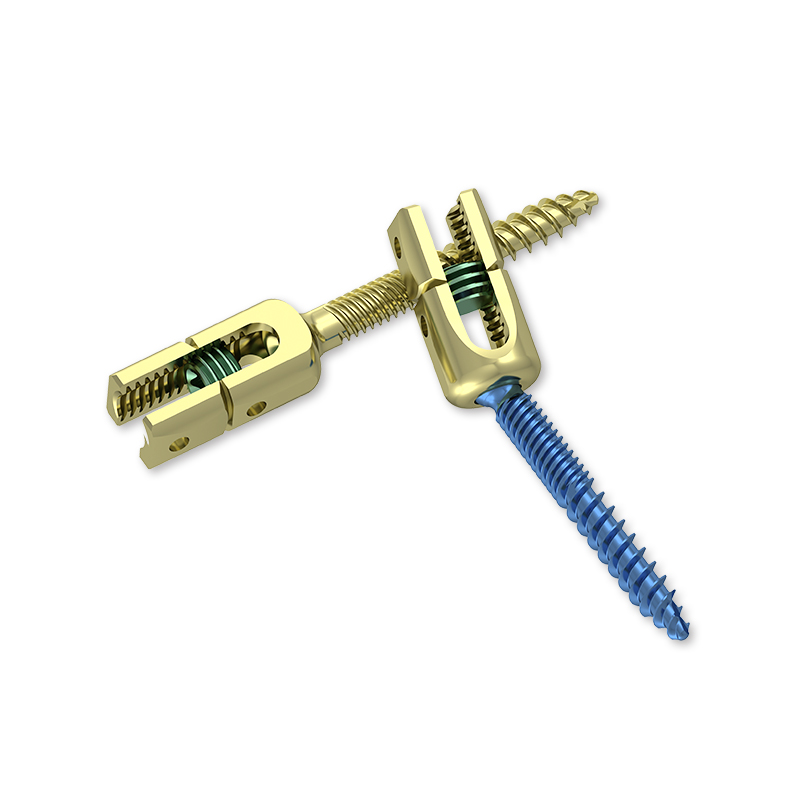
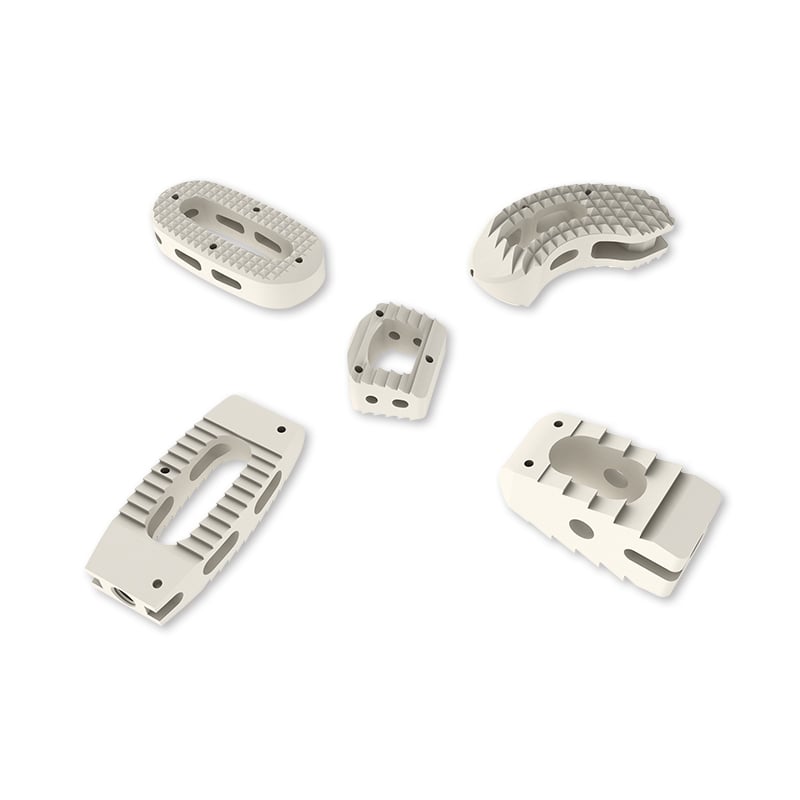
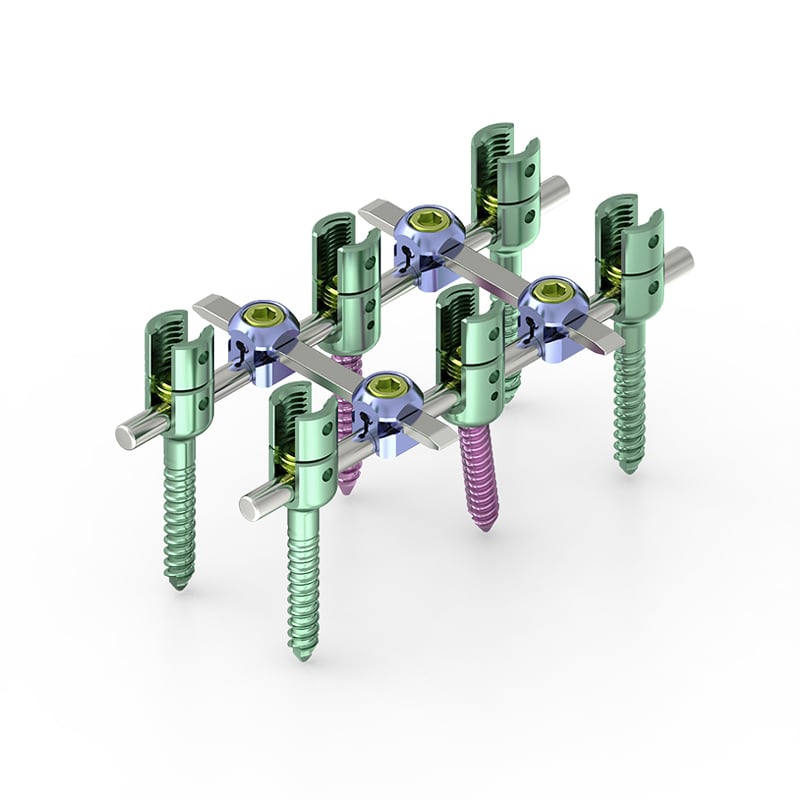
Pedicle screw complications represent critical concerns in spinal surgery that surgeons and healthcare providers must understand thoroughly. These complications arise during or after the insertion of pedicle screws, which are medical devices used to stabilize the spine in fusion procedures. Pedicle screws serve as anchor points, connecting metal rods to vertebrae to correct deformities, treat fractures, or address degenerative conditions. Despite their widespread use and effectiveness, pedicle screw complications can significantly impact patient outcomes and recovery trajectories. The main types of pedicle screw complications include screw misplacement, which occurs when screws breach the pedicle cortex and potentially damage neural or vascular structures. Mechanical failures such as screw loosening, breakage, or pullout represent another category of complications that compromise spinal stability. Infection at the surgical site poses serious risks, while adjacent segment disease may develop over time as stress transfers to neighboring vertebrae. Neurological complications ranging from nerve root irritation to spinal cord injury constitute the most severe outcomes. Understanding these complications requires knowledge of spinal anatomy, surgical technique, and imaging technology. Advanced navigation systems and intraoperative monitoring have reduced complication rates, yet they remain a significant consideration in surgical planning. The technological features addressing pedicle screw complications include improved screw designs with enhanced biomechanical properties, computer-assisted navigation systems for precise placement, and intraoperative CT imaging for real-time verification. Applications span across treatment of scoliosis, spinal stenosis, spondylolisthesis, traumatic injuries, and tumor-related instability, making awareness of pedicle screw complications essential for optimal patient care and informed surgical decision-making in modern spine surgery.

 EN
EN