Pedicle Screw and Rod System Solutions

All Categories

Get a Free Quote

Our representative will contact you soon.
Email
Name
Company Name
Message
0/1000

pedicle screw and rod system

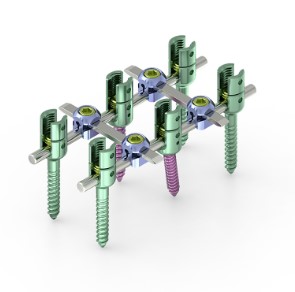
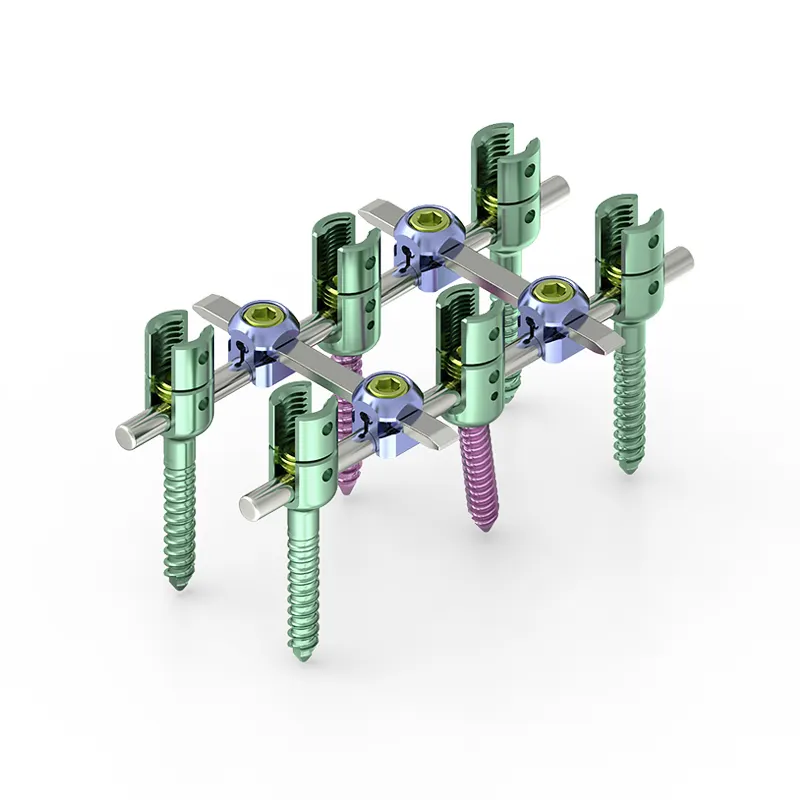
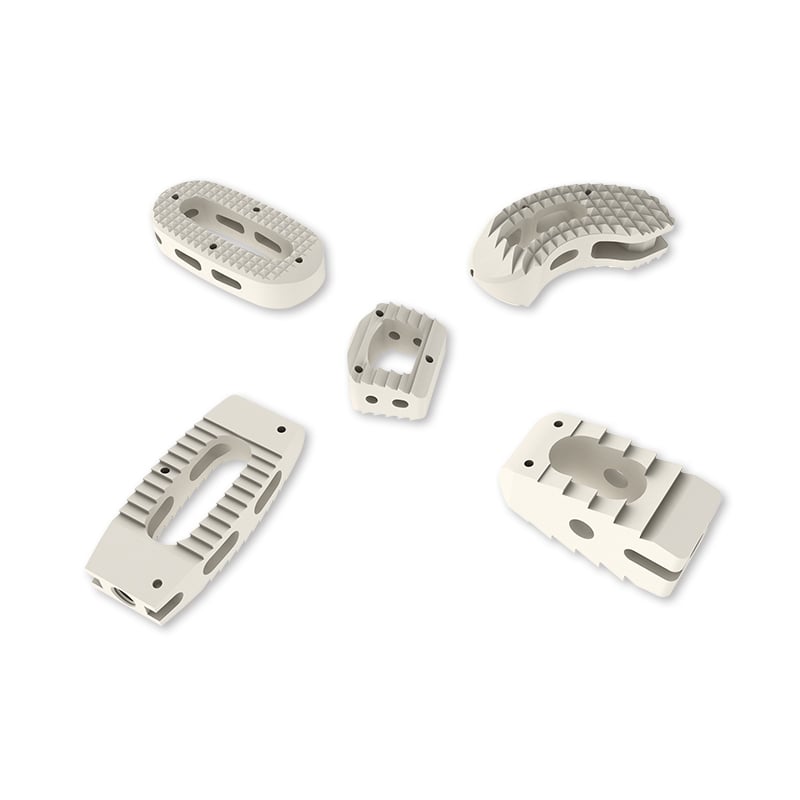
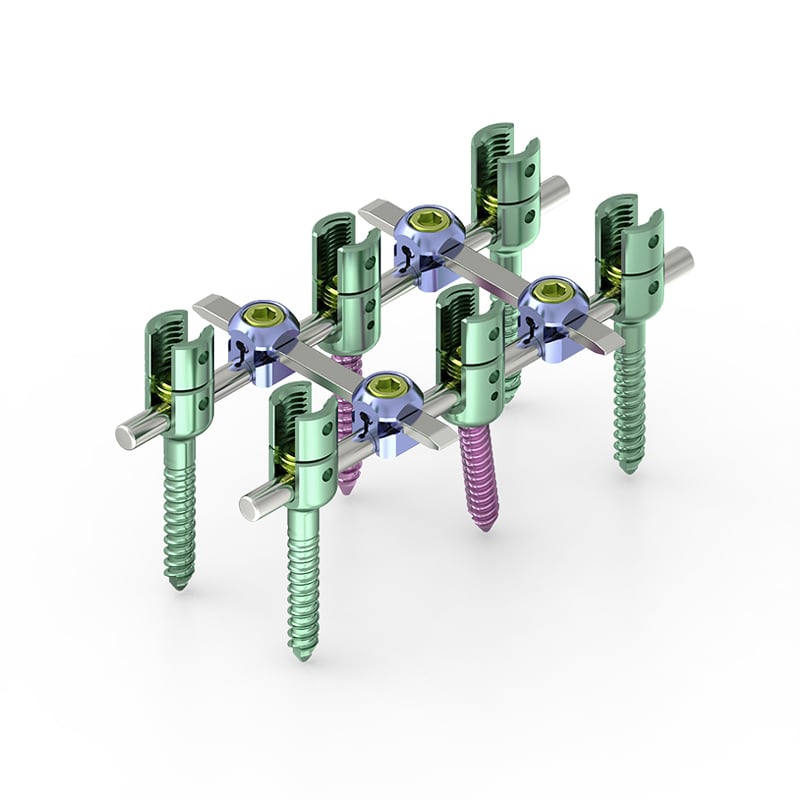
The pedicle screw and rod system represents a fundamental advancement in spinal stabilization technology, designed to provide robust fixation for patients requiring surgical intervention for various spinal conditions. This sophisticated medical device combines titanium or stainless steel screws that are inserted through the pedicles of vertebrae with connecting rods to create a stable construct along the spine. The pedicle screw and rod system serves as the cornerstone of modern spinal fusion procedures, enabling surgeons to correct deformities, stabilize fractures, and address degenerative conditions effectively. The main function of this system is to immobilize spinal segments, promote bone healing, and restore proper spinal alignment while the fusion process occurs. Technological features include polyaxial screw heads that allow multi-directional positioning, low-profile designs that minimize soft tissue irritation, and color-coded instruments for efficient surgical workflow. The pedicle screw and rod system applications span a wide range of spinal pathologies including scoliosis correction, traumatic injuries, tumor resection reconstruction, and degenerative disc disease treatment. The system's modular design allows surgeons to customize constructs based on individual patient anatomy and specific surgical requirements. With proven clinical outcomes across multiple decades of use, the pedicle screw and rod system has become the gold standard for posterior spinal fixation, offering reliable mechanical stability and predictable fusion rates that benefit both patients and healthcare providers seeking optimal surgical results.

Popular Products

Choosing the pedicle screw and rod system delivers significant practical benefits that directly impact surgical outcomes and patient recovery. This technology provides superior mechanical strength compared to alternative fixation methods, ensuring the spine remains stable during the critical healing period. Surgeons appreciate the operational benefits of working with a system that offers precise control over correction maneuvers, allowing them to address complex deformities with confidence. The versatility of the pedicle screw and rod system makes it suitable for treating patients across all age groups, from pediatric scoliosis cases to elderly patients with osteoporotic fractures. Hospitals benefit from reduced revision surgery rates, as the robust fixation minimizes hardware failure risks and promotes successful fusion. Patients experience faster return to daily activities because the strong stabilization allows for earlier mobilization with appropriate precautions. The system's compatibility with minimally invasive surgical techniques means smaller incisions, less muscle damage, and decreased postoperative pain for suitable candidates. Decision-makers value the extensive clinical evidence supporting this technology, with thousands of published studies demonstrating safety and effectiveness. The pedicle screw and rod system also offers cost-effectiveness through reduced complication rates and shorter hospital stays. Surgeons can achieve three-dimensional correction of spinal deformities, addressing issues in multiple planes simultaneously for comprehensive treatment. The standardized instrumentation simplifies surgical training and ensures consistent technique across different facilities. For patients concerned about long-term outcomes, this system provides durable stabilization that supports permanent fusion, eliminating the need for future hardware removal in most cases. The availability of various screw diameters and rod lengths ensures proper fit for diverse patient anatomies, maximizing safety and effectiveness across different body types and spinal conditions.

Latest News

How Do Orthopedic Implants Contribute to Minimally Invasive Surgery?

02

Jun

How Do Orthopedic Implants Contribute to Minimally Invasive Surgery?

The evolution of surgical medicine has brought forward one of the most significant shifts in patient care: the widespread adoption of minimally invasive surgery. At the heart of this transformation lies the role of orthopedic implants, which have bee...
View More
What Are the Main Types of Orthopedic Implants Used in Trauma Surgery?

02

Jun

What Are the Main Types of Orthopedic Implants Used in Trauma Surgery?

When a patient sustains a serious bone fracture or joint injury, the goal of trauma surgery is to restore stability, alignment, and function as efficiently and safely as possible. Central to achieving that goal are orthopedic implants — precisi...
View More
How Does Spinal Screw Improve Outcomes in Scoliosis Correction Surgery?

06

Jul

How Does Spinal Screw Improve Outcomes in Scoliosis Correction Surgery?

Scoliosis correction surgery is one of the most technically demanding procedures in spinal care, requiring precise instrumentation to restore alignment and maintain long-term stability. At the center of modern surgical technique, the spinal screw has...
View More
How Can Distributors Assess Pedicle Screw Supplier Reliability?

06

Jul

How Can Distributors Assess Pedicle Screw Supplier Reliability?

Choosing the right pedicle screw supplier is one of the most consequential decisions a medical device distributor can make. A pedicle screw supplier directly affects patient safety, regulatory standing, and the commercial reputation of every distribu...
View More

Get a Free Quote

Our representative will contact you soon.
Email
Name
Company Name
Message
0/1000

pedicle screw and rod system

Advanced Polyaxial Technology for Optimal Alignment

Advanced Polyaxial Technology for Optimal Alignment

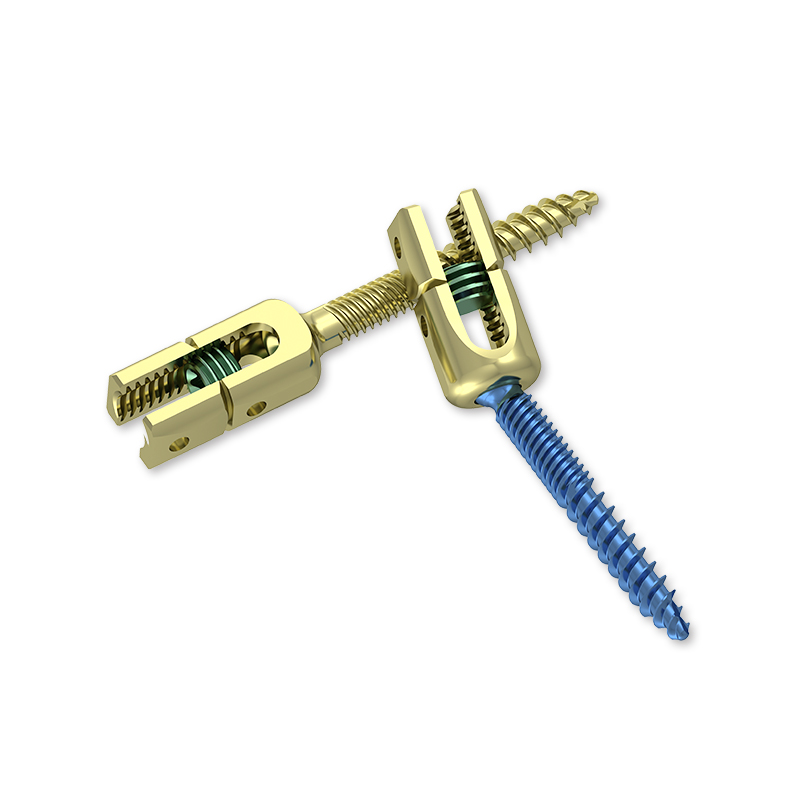
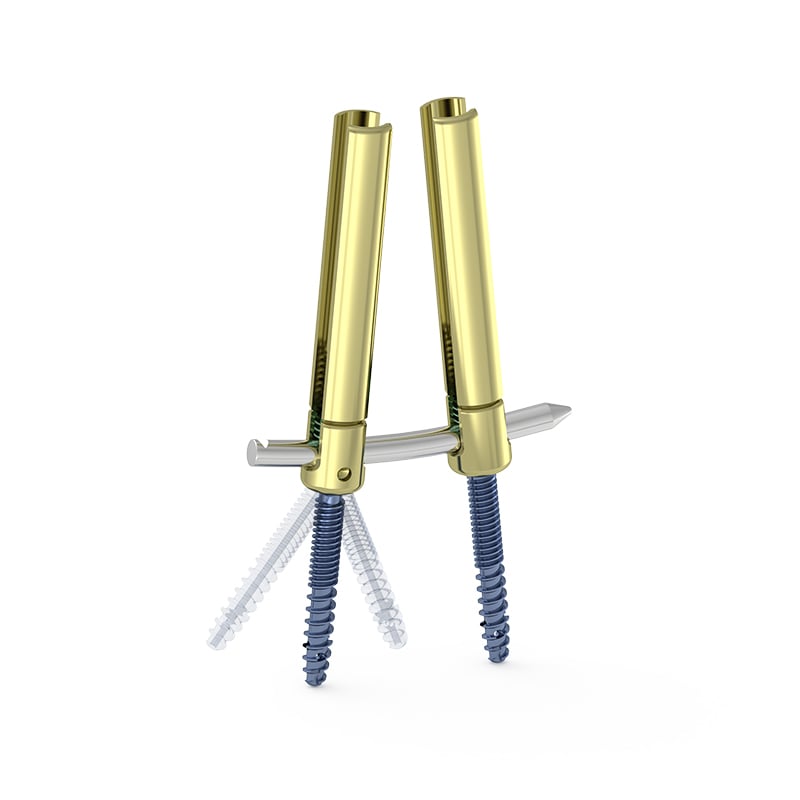
The pedicle screw and rod system incorporates cutting-edge polyaxial screw technology that revolutionizes how surgeons approach spinal correction. Unlike fixed-angle screws, polyaxial designs feature ball-and-socket connections that permit multi-directional angulation after screw insertion. This flexibility proves invaluable when connecting rods across multiple spinal levels, as it accommodates natural anatomical variations without compromising fixation strength. Surgeons can insert screws along the optimal trajectory for maximum bone purchase, then adjust rod positioning independently to achieve ideal spinal alignment. This separation of screw placement from rod contouring simplifies complex reconstructions and reduces surgical time. The polyaxial mechanism maintains secure locking once final positioning is achieved, preventing unwanted movement during the healing process. Patients benefit from more precise corrections that restore natural spinal curves and balance. The technology also reduces stress on individual screws by distributing forces more evenly across the construct. For challenging cases involving severe deformities or revision surgeries, the polyaxial feature of the pedicle screw and rod system provides solutions where rigid systems might fail, ultimately expanding treatment possibilities and improving patient outcomes.
Low-Profile Design Minimizing Tissue Complications

Low-Profile Design Minimizing Tissue Complications

Modern pedicle screw and rod system designs prioritize patient comfort through streamlined, low-profile components that reduce soft tissue complications. The tulip heads of screws feature compact dimensions that minimize prominence beneath the skin, decreasing the risk of painful hardware palpability that can affect quality of life. Engineers have refined every surface contour to eliminate sharp edges and unnecessary bulk while maintaining structural integrity. This thoughtful design reduces irritation to surrounding muscles, ligaments, and fascia during patient movement and daily activities. The smooth rod surfaces and rounded connection points further minimize tissue adhesion and friction that could cause chronic discomfort. Patients with thin body habitus particularly benefit from these refinements, as prominent hardware can be problematic in individuals with limited soft tissue coverage. The low-profile characteristics of the pedicle screw and rod system also facilitate wound closure, allowing surgeons to achieve tension-free skin approximation that promotes healing and reduces infection risk. Additionally, the reduced bulk decreases the likelihood of hardware removal requests due to discomfort, avoiding unnecessary secondary procedures. For active patients returning to work or sports, the unobtrusive nature of the implants means fewer activity restrictions related to hardware concerns, supporting better long-term satisfaction and functional outcomes.
Comprehensive Modular System for Surgical Versatility

Comprehensive Modular System for Surgical Versatility

The pedicle screw and rod system offers exceptional surgical versatility through its comprehensive modular design, addressing virtually any spinal stabilization requirement. Surgeons can select from extensive inventories of screw diameters ranging from pediatric sizes to large-diameter options for osteoporotic bone, ensuring appropriate fixation strength for each patient. Rod options include various diameters, lengths, and materials, with some systems offering cobalt-chromium alloys for enhanced rigidity in long constructs. Cross-connectors and transition pieces enable surgeons to create hybrid constructs when needed, connecting different rod diameters or bridging previous instrumentation during revision procedures. The modular nature accommodates both standard open surgical approaches and minimally invasive percutaneous techniques using specialized instrumentation. Surgeons appreciate having offset connectors for asymmetric corrections and reduction screws for powerful deformity manipulation. This adaptability means a single pedicle screw and rod system can address conditions from single-level fusions to complex multi-level reconstructions spanning thoracic and lumbar regions. Hospitals benefit from inventory efficiency, as one comprehensive system replaces multiple specialized products. The standardized connection interfaces ensure all components integrate seamlessly regardless of which specific pieces are selected, eliminating compatibility concerns during surgery and providing surgeons with creative freedom to engineer optimal solutions for each unique clinical scenario.

Get a Free Quote

Our representative will contact you soon.
Email
Name
Company Name
Message
0/1000
Newsletter
Please Leave A Message With Us