High Precision External Fixator Solutions

All Categories

Get a Free Quote

Our representative will contact you soon.
Email
Name
Company Name
Message
0/1000

high precision external fixator

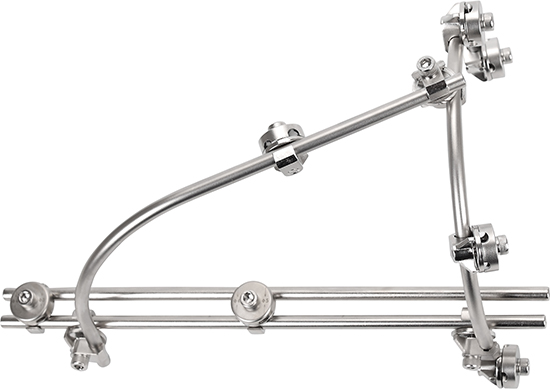
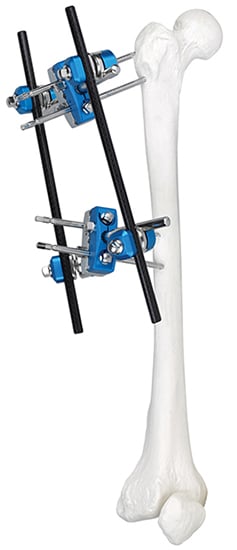
A high precision external fixator is an advanced orthopedic device designed to stabilize and treat complex bone fractures, deformities, and limb length discrepancies with exceptional accuracy. This medical apparatus consists of pins or wires that penetrate the bone and connect to an external frame, providing rigid stabilization while allowing precise adjustment capabilities. The high precision external fixator employs sophisticated engineering principles to enable gradual correction of bone alignment, length adjustment, and rotation control through micrometer-level increments. Its main functions include fracture stabilization, bone transport for gap reconstruction, correction of angular and rotational deformities, and limb lengthening procedures. Technological features incorporate hexapod ring configurations with computer-assisted planning software, strut-based adjustment mechanisms, and biocompatible materials that minimize infection risk. The system offers six-axis spatial correction capability, allowing surgeons to address complex three-dimensional deformities that conventional fixation methods cannot adequately manage. Applications span trauma surgery for severe open fractures, reconstructive orthopedics for congenital deformities, post-traumatic malunions, non-unions requiring bone regeneration, pediatric limb length equalization, and complex periarticular fracture management. The high precision external fixator has revolutionized orthopedic care by providing minimally invasive treatment options with reduced soft tissue disruption compared to traditional internal fixation methods. Its modular design accommodates various anatomical sites including the tibia, femur, forearm, and foot, making it a versatile solution for diverse clinical scenarios requiring controlled bone manipulation and stable fixation throughout the healing process.

Popular Products

The high precision external fixator delivers exceptional control over bone positioning, allowing doctors to make tiny adjustments measured in fractions of a millimeter without requiring additional surgeries. This precision translates directly into better healing outcomes and improved limb function for patients recovering from complex injuries or undergoing corrective procedures. Buyers benefit from reduced overall treatment costs because the device minimizes complications such as malunion or delayed healing that often necessitate expensive revision surgeries. The external nature of this fixation system means surgical incisions remain smaller, preserving blood supply to injured tissues and dramatically lowering infection rates compared to internal plates and screws. Patients experience faster recovery times and can often bear weight earlier in their rehabilitation, returning to daily activities and work sooner than with conventional treatment methods. The high precision external fixator proves particularly valuable for treating severe open fractures where bone is exposed and internal hardware would carry unacceptable infection risk. Medical facilities appreciate the device's versatility across multiple anatomical regions and patient populations, from pediatric growth-related conditions to adult trauma cases, maximizing their equipment investment. The adjustability feature allows continuous correction during the healing phase, accommodating biological variations in bone regeneration rates without device removal or replacement. For complex deformity corrections, this technology provides predictable, reproducible results that surgeons can plan using specialized software, reducing operative uncertainty and improving patient counseling. The modular components enable customization for each unique clinical situation, ensuring optimal mechanical stability regardless of fracture pattern complexity or bone quality. Healthcare providers gain confidence knowing the high precision external fixator offers a proven solution backed by extensive clinical research and successful outcomes across diverse orthopedic challenges, making it a sound investment for comprehensive musculoskeletal care delivery.

Tips And Tricks

What Are the Main Types of Orthopedic Implants Used in Trauma Surgery?

02

Jun

What Are the Main Types of Orthopedic Implants Used in Trauma Surgery?

When a patient sustains a serious bone fracture or joint injury, the goal of trauma surgery is to restore stability, alignment, and function as efficiently and safely as possible. Central to achieving that goal are orthopedic implants — precisi...
View More
How Does Pedicle Screw Design Enhance Pullout Strength and Stability?

02

Jun

How Does Pedicle Screw Design Enhance Pullout Strength and Stability?

In modern spinal surgery, fixation reliability is not a secondary consideration — it is the foundation upon which patient outcomes are built. The pedicle screw has become the cornerstone of posterior spinal instrumentation, offering surgeons a ...
View More
What Are the Clinical Indications for Using Spinal Screw in Spine Trauma?

06

Jul

What Are the Clinical Indications for Using Spinal Screw in Spine Trauma?

When surgeons evaluate a patient with spine trauma, one of the most critical decisions they face is whether to use a spinal screw for stabilization. A spinal screw serves as the mechanical foundation of posterior fixation systems, anchoring rods or p...
View More
How Does Spinal Screw Fixation Improve Stability in Spinal Fusion Surgery?

06

Jul

How Does Spinal Screw Fixation Improve Stability in Spinal Fusion Surgery?

Spinal fusion surgery is one of the most common and technically demanding procedures in orthopedic and neurosurgical practice. At the heart of this procedure lies a critical mechanical principle: the spine must be held in precise alignment while bone...
View More

Get a Free Quote

Our representative will contact you soon.
Email
Name
Company Name
Message
0/1000

high precision external fixator

Computer-Assisted Precision Correction Technology

Computer-Assisted Precision Correction Technology

The high precision external fixator integrates advanced computer-assisted planning software that revolutionizes how surgeons approach complex bone deformities. This digital technology allows medical teams to input pre-operative imaging data, including CT scans and X-rays, into specialized software that calculates exact correction parameters needed to restore proper bone alignment. The system generates a detailed prescription specifying how much to adjust each strut or component daily, removing guesswork from the correction process. Surgeons can visualize the intended correction path in three-dimensional space before beginning treatment, enabling better patient communication and informed consent discussions. This technological integration ensures consistent, reproducible results across different skill levels and clinical settings. Patients benefit from optimized treatment duration because the calculated adjustments proceed at the ideal pace for bone regeneration, neither too fast to risk complications nor too slow to prolong treatment unnecessarily. The computer-assisted approach also allows mid-course corrections if healing progresses differently than anticipated, providing flexibility within a structured treatment framework. This feature distinguishes modern high precision external fixator systems from older generation devices that relied solely on clinical judgment and manual measurements, significantly improving accuracy and patient satisfaction.
Minimally Invasive Application With Superior Stability

Minimally Invasive Application With Superior Stability

The high precision external fixator achieves exceptional mechanical stability through external frame architecture while requiring only small percutaneous pin or wire insertions rather than extensive surgical exposure. This minimally invasive approach preserves the delicate soft tissue envelope surrounding injured or deformed bones, maintaining critical blood supply necessary for healing. The external positioning of structural components means surgeons can achieve robust fixation without introducing large metallic implants into the fracture zone, reducing foreign material that could harbor bacteria or trigger inflammatory responses. Patients experience less surgical trauma, shorter anesthesia exposure, and reduced blood loss compared to traditional open reduction internal fixation techniques. The rigid external frame effectively neutralizes biomechanical forces across the treatment site, preventing displacement while permitting controlled micromotion that stimulates bone formation. This stability proves essential for complex reconstructive procedures where bone must regenerate across gaps or gradually reshape over weeks to months. The high precision external fixator design allows full access to soft tissues for wound management, particularly important in severe open fractures or cases with compromised skin coverage. Medical teams can monitor healing progress, change dressings, and address complications without removing or disturbing the fixation structure, streamlining post-operative care and reducing patient discomfort throughout the extended treatment period.
Versatile Multi-Deformity Correction Capability

Versatile Multi-Deformity Correction Capability

The high precision external fixator excels at simultaneously correcting multiple deformity planes, including length discrepancies, angular malalignment, rotational abnormalities, and translational displacement within a single treatment framework. This comprehensive correction capability addresses complex three-dimensional deformities that would otherwise require staged surgical procedures, reducing the total number of operations patients must endure. The device accommodates gradual correction protocols where bone and soft tissues adapt progressively to new positions, avoiding the acute stretching of nerves and blood vessels that occurs with immediate surgical correction. This gradual approach proves particularly valuable for severe longstanding deformities where tissues have contracted and adapted to abnormal positions over years. Surgeons can prioritize which deformity components to address first and adjust the correction sequence based on patient tolerance and tissue response. The high precision external fixator works effectively across various anatomical locations, from small forearm bones to large weight-bearing segments like the femur, with appropriately sized components for each application. Pediatric patients benefit especially from this versatility because the external system can be removed once correction completes, avoiding permanent implants that might interfere with remaining growth or require later removal surgery. The same fundamental technology serves trauma, congenital anomaly correction, post-infection reconstruction, and metabolic bone disease management, making it an invaluable tool for comprehensive orthopedic departments treating diverse patient populations with varied musculoskeletal conditions.

Get a Free Quote

Our representative will contact you soon.
Email
Name
Company Name
Message
0/1000
Newsletter
Please Leave A Message With Us