Fracture Stabilization External Fixator Solutions

All Categories

Get a Free Quote

Our representative will contact you soon.
Email
Name
Company Name
Message
0/1000

fracture stabilization external fixator

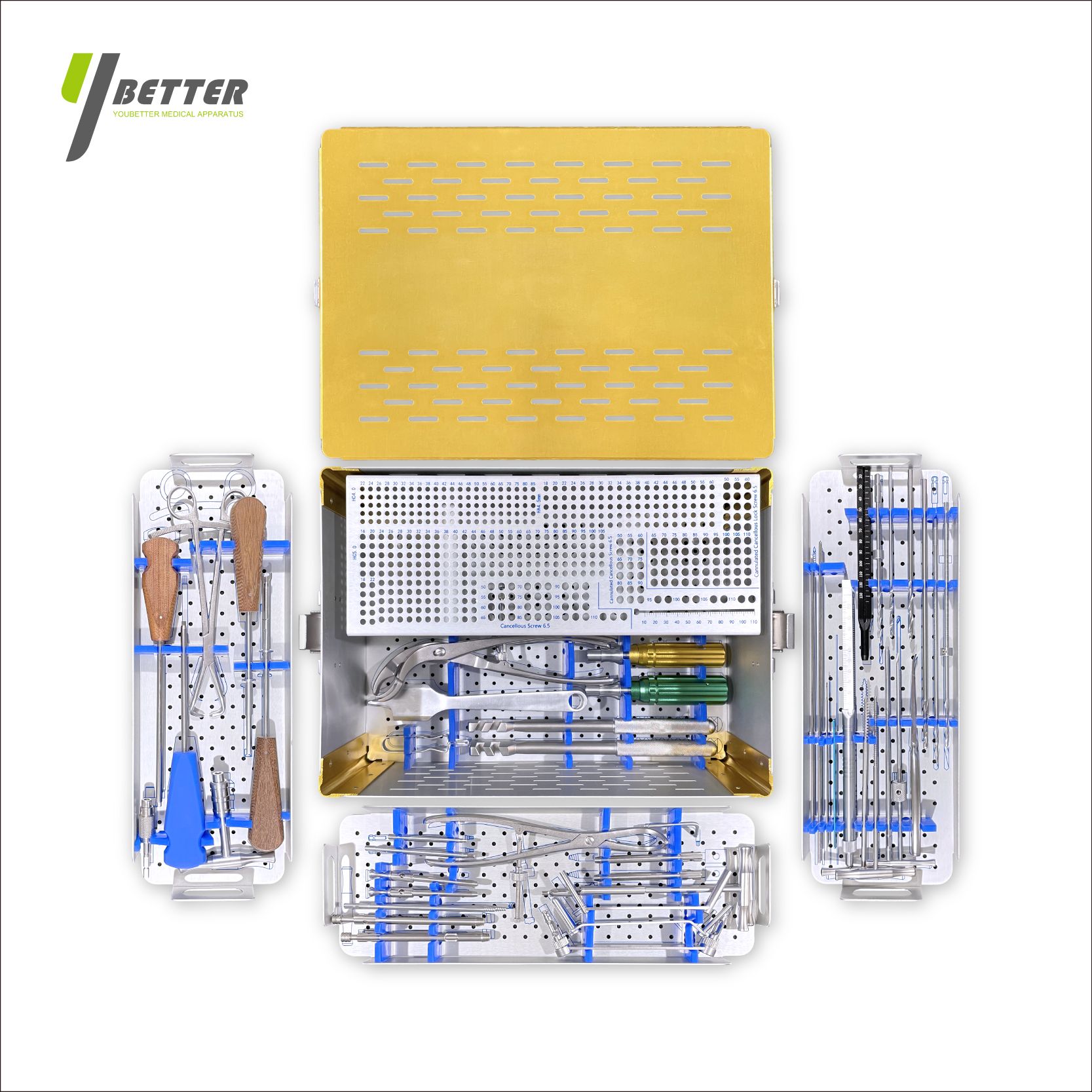
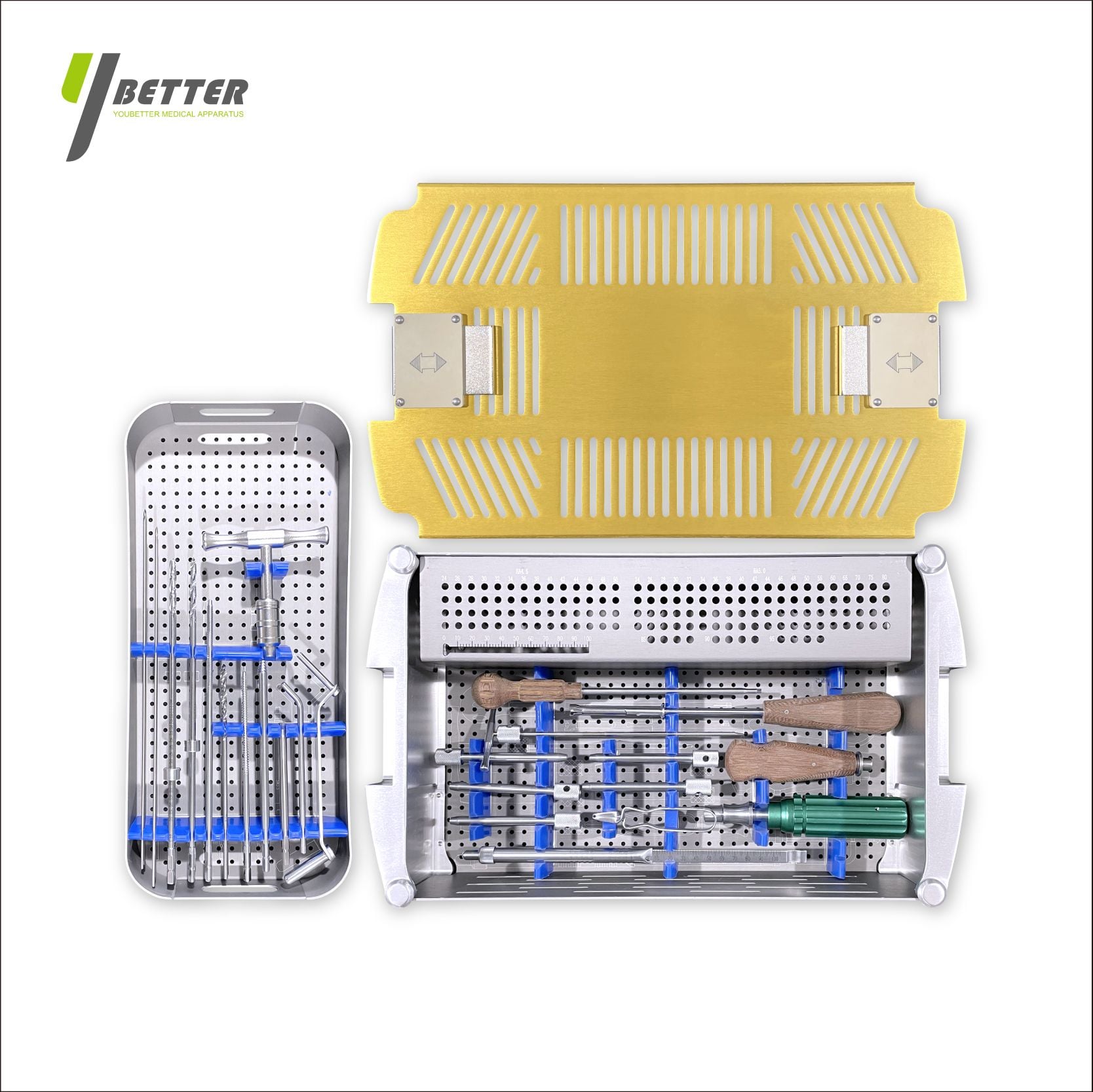
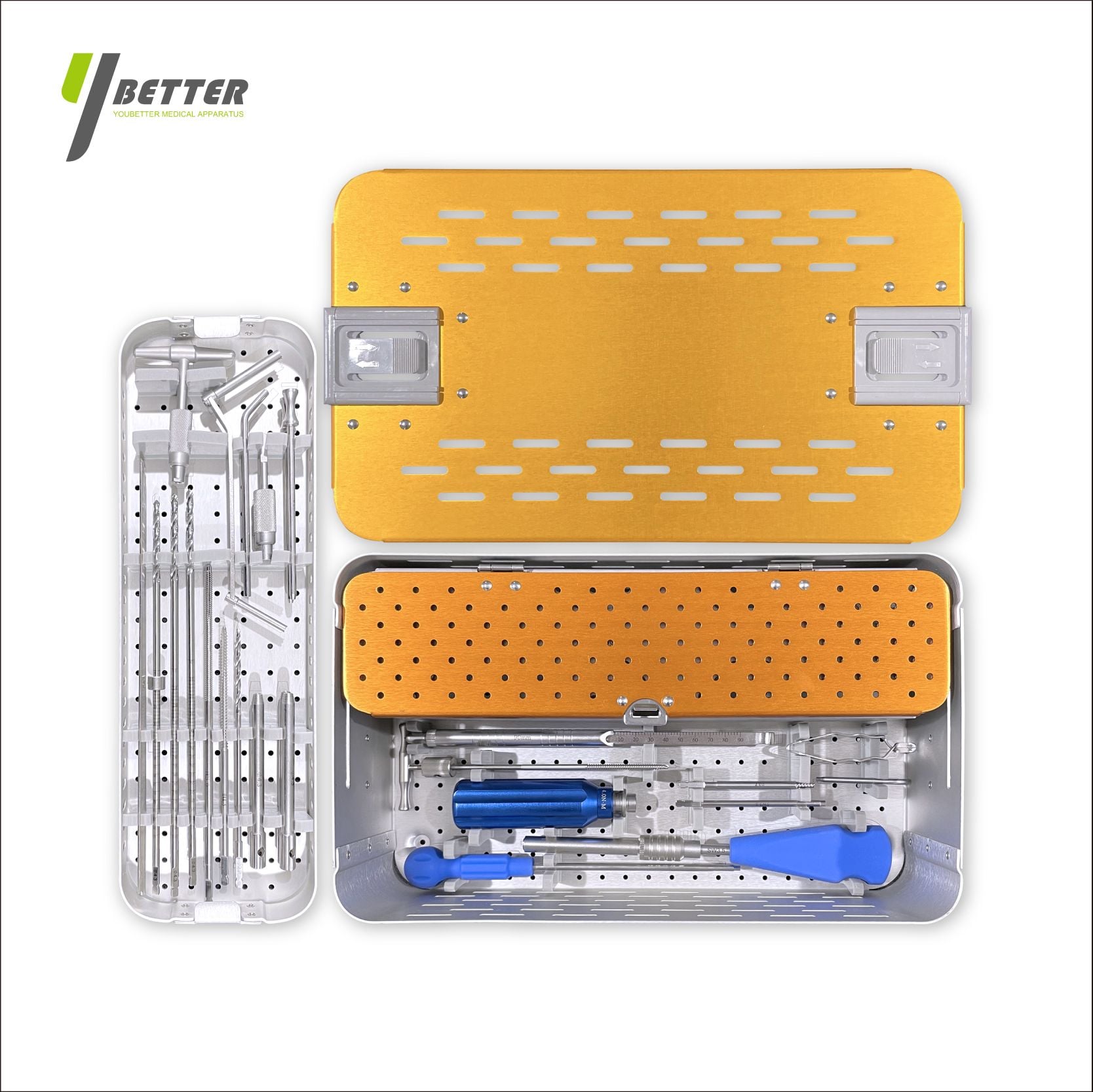
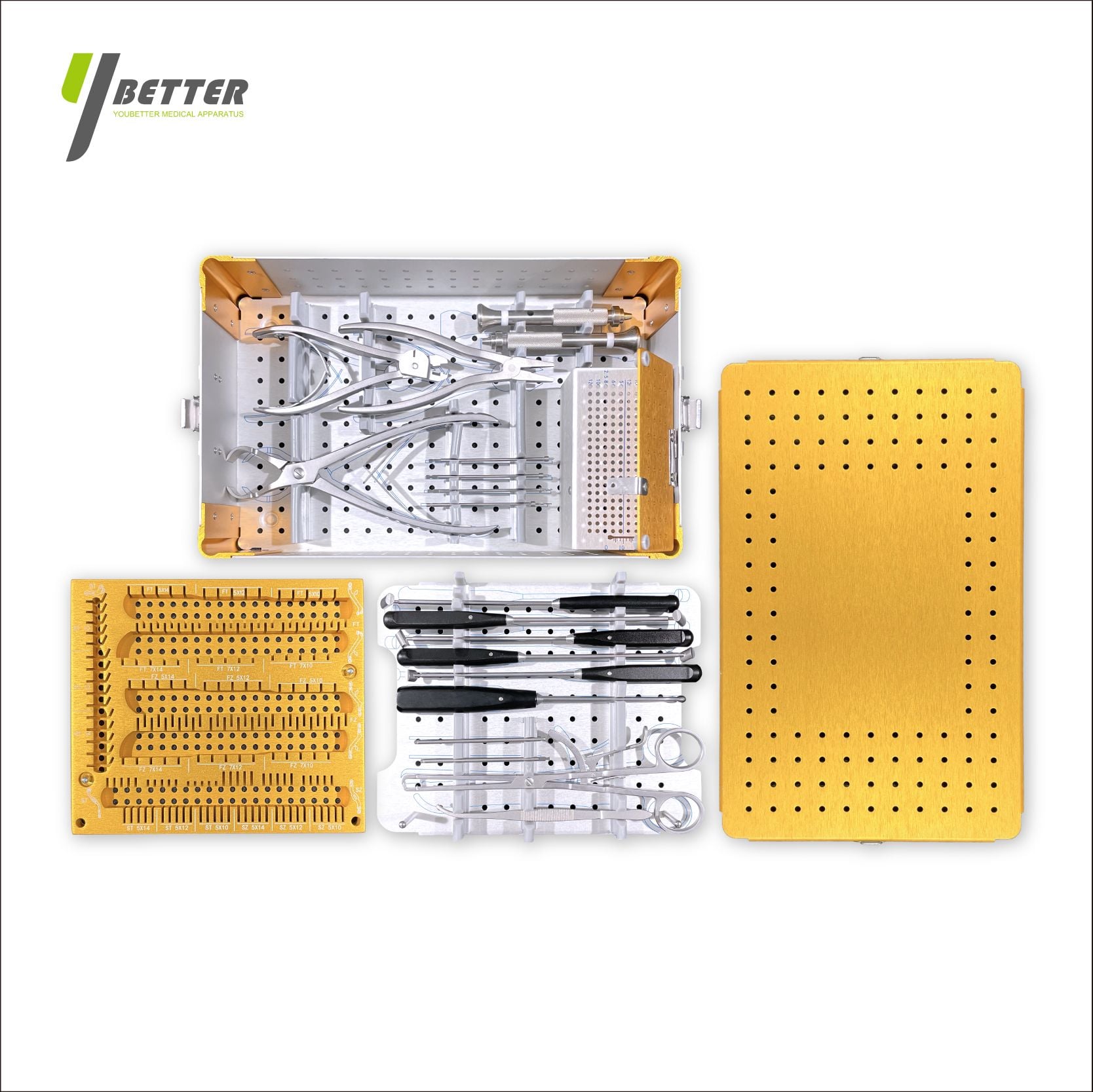
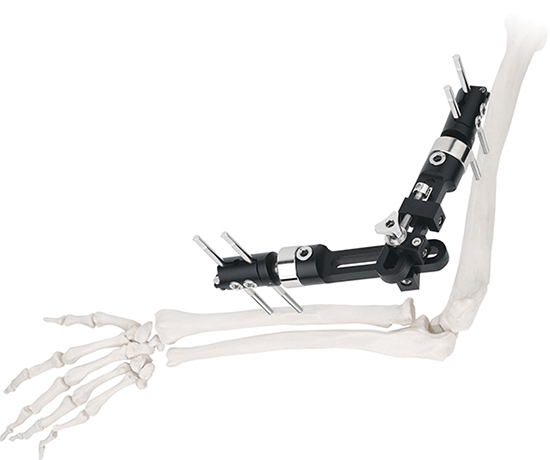
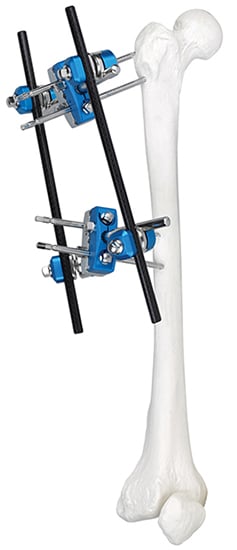
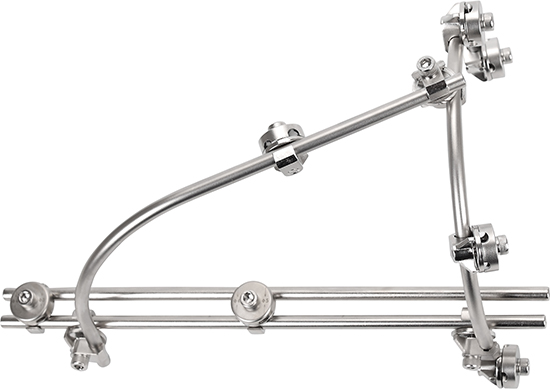
A fracture stabilization external fixator is an advanced orthopedic device designed to immobilize and align broken bones from outside the body, providing critical support during the healing process. This medical apparatus consists of strategically positioned pins or wires that penetrate the skin and bone, connected to an external framework of bars and clamps that maintain proper bone alignment. The fracture stabilization external fixator serves as a temporary or definitive treatment solution for complex fractures, enabling healthcare professionals to manage bone injuries that would be difficult to treat with traditional casts or internal fixation methods. The primary functions include maintaining bone length, controlling rotation, and preserving soft tissue integrity while allowing access to wounds. Technological features incorporate adjustable components that permit gradual correction of deformities, modular designs for customized configurations, and radiolucent materials that facilitate clear imaging during treatment monitoring. These systems are particularly valuable in managing open fractures where extensive soft tissue damage exists, treating infected fractures requiring repeated wound care, stabilizing pelvic and complex joint injuries, and performing limb lengthening procedures. The fracture stabilization external fixator finds applications across trauma surgery, orthopedic reconstruction, pediatric fracture management, and emergency medicine settings. Modern designs emphasize patient comfort through lightweight materials, simplified assembly mechanisms for rapid application in emergency situations, and enhanced stability through biomechanically optimized frame configurations that distribute forces effectively while promoting optimal healing conditions.

Popular Products

Choosing a fracture stabilization external fixator delivers substantial practical benefits that directly impact treatment outcomes and patient recovery experiences. This system provides immediate stabilization at accident scenes or emergency departments, allowing rapid intervention without requiring extensive surgical preparation, which proves invaluable when treating polytrauma patients or those medically unfit for lengthy anesthesia. The open-frame design permits unobstructed access to surrounding soft tissues, enabling medical teams to perform wound care, monitor healing progress, apply dressings, and address complications without removing the stabilization apparatus. Patients benefit from earlier mobility compared to traditional casting methods since the fracture stabilization external fixator allows weight-bearing adjustments and joint movement preservation, reducing muscle atrophy and joint stiffness during recovery. The adjustable nature means physicians can fine-tune bone alignment post-application without additional surgeries, correcting positioning as swelling subsides or as healing progresses, thereby optimizing final outcomes. For healthcare facilities, these devices offer cost-effective solutions for complex cases, as the fracture stabilization external fixator eliminates needs for expensive implants in certain scenarios and reduces operating room time requirements. The system proves especially suitable for contaminated or infected fractures where internal hardware would risk complications, for temporary stabilization before definitive surgery once patient conditions improve, and for pediatric applications where growth plate preservation matters. Decision-makers appreciate the versatility across multiple fracture types and anatomical locations, the compatibility with imaging technologies that enable continuous monitoring, and the reduced infection risks compared to internal fixation in compromised tissue environments. These combined operational benefits translate to improved patient satisfaction, shortened hospital stays, and enhanced clinical flexibility when managing challenging orthopedic cases.

Tips And Tricks

What Are the Differences Between Monoaxial and Polyaxial Pedicle Screw?

02

Jun

What Are the Differences Between Monoaxial and Polyaxial Pedicle Screw?

In spinal surgery, choosing the right implant can directly influence surgical outcomes, patient recovery, and long-term construct stability. Among the most critical decisions a spine surgeon faces is selecting the appropriate type of pedicle screw fo...
View More
What Are the Differences Between Spinal Screw and Pedicle Screw Systems?

06

Jul

What Are the Differences Between Spinal Screw and Pedicle Screw Systems?

When evaluating spinal implant instrumentation, one of the most common points of confusion is the distinction between a general spinal screw and a pedicle screw system. Both are used in spinal surgery, but they differ significantly in anatomy, biomec...
View More
What Are the Clinical Indications for Using Spinal Screw in Spine Trauma?

06

Jul

What Are the Clinical Indications for Using Spinal Screw in Spine Trauma?

When surgeons evaluate a patient with spine trauma, one of the most critical decisions they face is whether to use a spinal screw for stabilization. A spinal screw serves as the mechanical foundation of posterior fixation systems, anchoring rods or p...
View More
Why Is Accurate Spinal Screw Placement Crucial for Patient Safety?

06

Jul

Why Is Accurate Spinal Screw Placement Crucial for Patient Safety?

Pedicle screw placement is one of the most technically demanding steps in spinal surgery. When a surgeon positions each screw with precision, the entire construct gains stability, and the patient's recovery is protected from preventable complications...
View More

Get a Free Quote

Our representative will contact you soon.
Email
Name
Company Name
Message
0/1000

fracture stabilization external fixator

Immediate Stabilization with Minimal Invasiveness

Immediate Stabilization with Minimal Invasiveness

The fracture stabilization external fixator excels in providing rapid bone stabilization through a minimally invasive approach that significantly benefits both patients and medical teams. Unlike extensive surgical procedures requiring large incisions and prolonged anesthesia, this system utilizes small percutaneous pin insertions that minimize tissue disruption while achieving robust fixation. This characteristic becomes critically important in emergency trauma situations where patients present with multiple injuries, compromised circulation, or medical conditions that make lengthy surgeries risky. The ability to apply a fracture stabilization external fixator quickly in emergency departments or even field hospitals means patients receive definitive stabilization within minutes rather than waiting hours for operating room availability. This immediate intervention prevents further soft tissue damage from bone fragment movement, reduces pain levels dramatically, and minimizes complications associated with delayed treatment. The minimally invasive nature also means reduced blood loss during application, lower infection risks at insertion sites, and faster overall procedure times that benefit healthcare resource management. For patients, this translates to less postoperative pain, smaller scars, and quicker return to daily activities once healing completes.
Dynamic Adjustment Capabilities Throughout Treatment

Dynamic Adjustment Capabilities Throughout Treatment

One distinguishing advantage of the fracture stabilization external fixator lies in its remarkable adjustability after initial application, offering physicians unprecedented control over bone positioning throughout the entire healing journey. Traditional casts and many internal fixation methods lock bones in their initial alignment, but this external system incorporates adjustment mechanisms that enable gradual corrections as treatment progresses. Medical professionals can modify compression or distraction forces between bone fragments, correct rotational misalignments that become apparent after swelling reduction, and perform incremental bone lengthening in specific protocols. This dynamic capability proves essential when treating complex deformities or when initial alignment proves suboptimal upon radiographic review. The fracture establecimiento external fixator allows these modifications in clinic settings without anesthesia or additional surgeries, reducing patient burden and healthcare costs significantly. For limb lengthening procedures or bone transport techniques addressing segmental defects, the gradual adjustment features enable controlled bone regeneration at rates matching biological capacity. Patients experience the benefit of optimized outcomes since physicians can respond to individual healing patterns rather than accepting whatever alignment the initial treatment achieved, ultimately improving functional results and reducing the likelihood of secondary corrective procedures.
Superior Access for Wound Management and Monitoring

Superior Access for Wound Management and Monitoring

The open-frame architecture of the fracture stabilization external fixator provides unparalleled access to injured soft tissues, representing a critical advantage when treating open fractures or injuries involving significant skin and muscle damage. Unlike casts that encapsulate the entire limb or internal plates covered by closed incisions, this external system leaves wounds completely visible and accessible for ongoing care. Healthcare providers can perform daily dressing changes, apply topical treatments, debride non-viable tissue, monitor for infection signs, and assess healing progress without disturbing bone stabilization. This continuous access proves essential in preventing the severe complications associated with untreated soft tissue problems in fracture cases. The fracture stabilization external fixator enables vacuum-assisted wound closure systems to function alongside skeletal stabilization, combines effectively with skin grafting procedures, and permits plastic surgery interventions for soft tissue reconstruction while maintaining bone alignment. For patients with compromised vascularity, diabetes, or other conditions affecting wound healing, this monitoring capability enables early intervention when problems arise. The transparency of treatment also provides psychological benefits since patients and families can visualize healing progress, understand treatment status, and feel more engaged in recovery processes, contributing to improved compliance and satisfaction with orthopedic care.

Get a Free Quote

Our representative will contact you soon.
Email
Name
Company Name
Message
0/1000
Newsletter
Please Leave A Message With Us