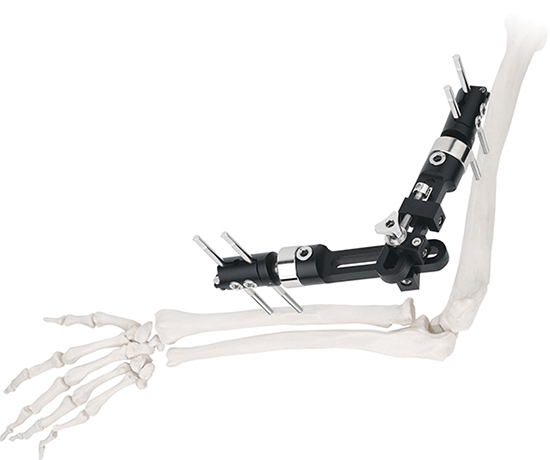
Enhanced Wound Management and Infection Control
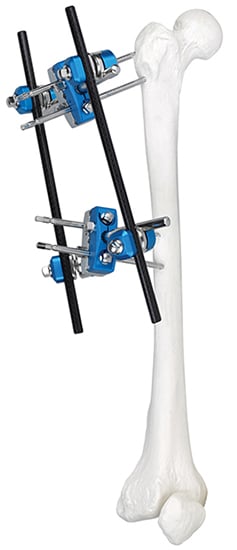
The external fixation surgical procedure provides superior wound management capabilities that significantly improve patient outcomes in complicated cases involving extensive soft tissue injury or infection. Unlike internal fixation methods that place foreign materials deep within tissues, this approach keeps all hardware components external to the body, creating a sterile barrier between the stabilization system and potentially contaminated wounds. This configuration allows healthcare providers unrestricted access to wound sites for inspection, dressing changes, debridement procedures, and application of advanced wound therapies without disturbing bone stability. The open access proves invaluable for managing severe open fractures where multiple surgical debridements are necessary to remove devitalized tissue and prevent infection establishment. In cases where infection already exists, the external fixation surgical procedure enables aggressive antimicrobial treatment while maintaining skeletal stability, something impossible with buried implants that serve as bacterial refuges. The minimal soft tissue disruption during pin insertion preserves local blood supply and immune function, enhancing the body's natural defense mechanisms against infection. Additionally, the external positioning facilitates early detection of pin site complications, allowing prompt intervention before minor issues progress to serious problems. This infection control advantage reduces antibiotic requirements, shortens hospital stays, and decreases the need for implant removal surgeries, delivering substantial value to patients facing high-risk orthopedic conditions.

 EN
EN