high precision orthopedic implants
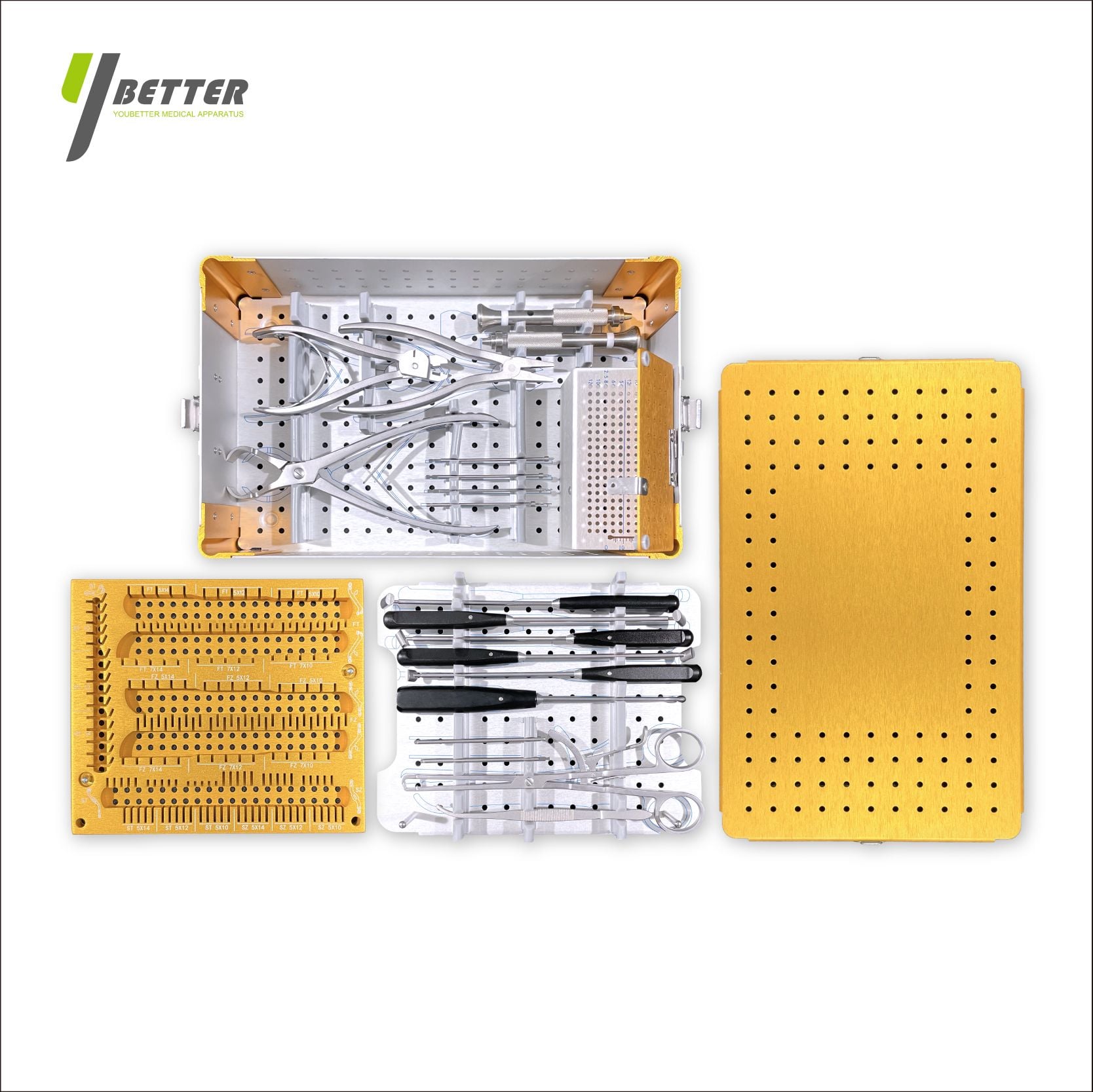
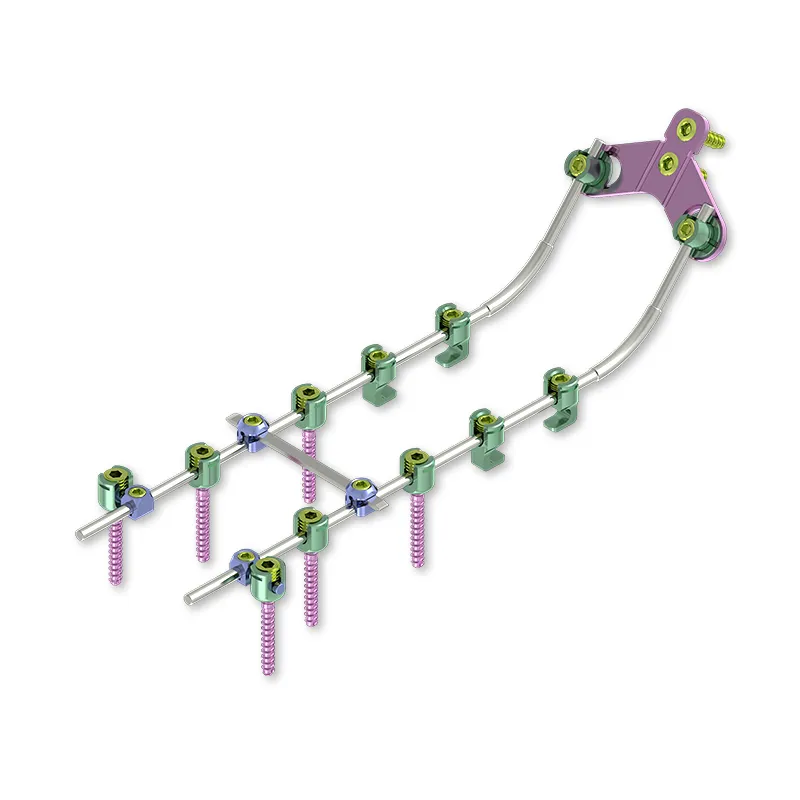
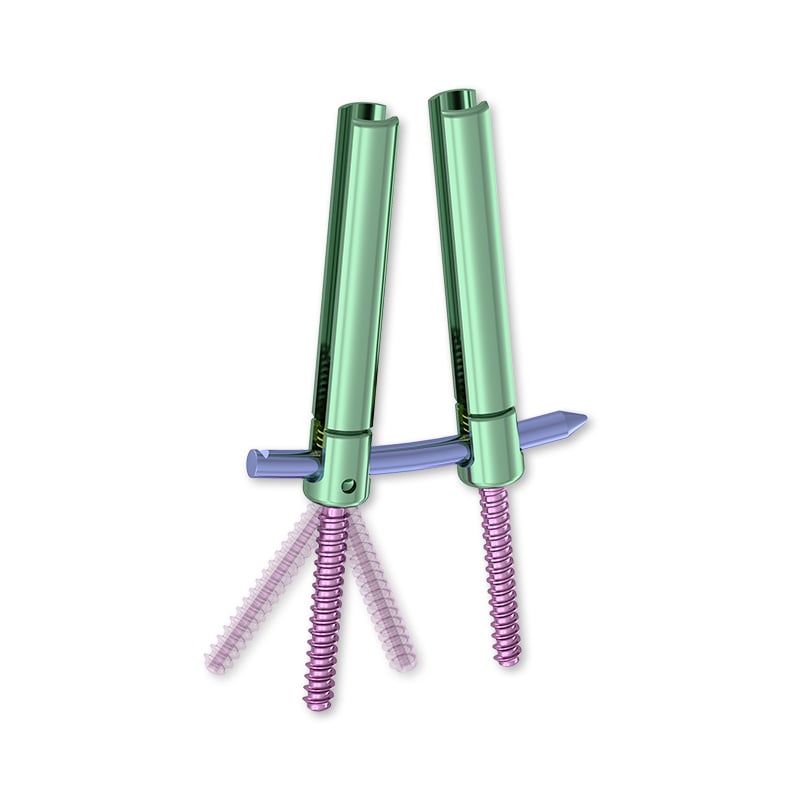
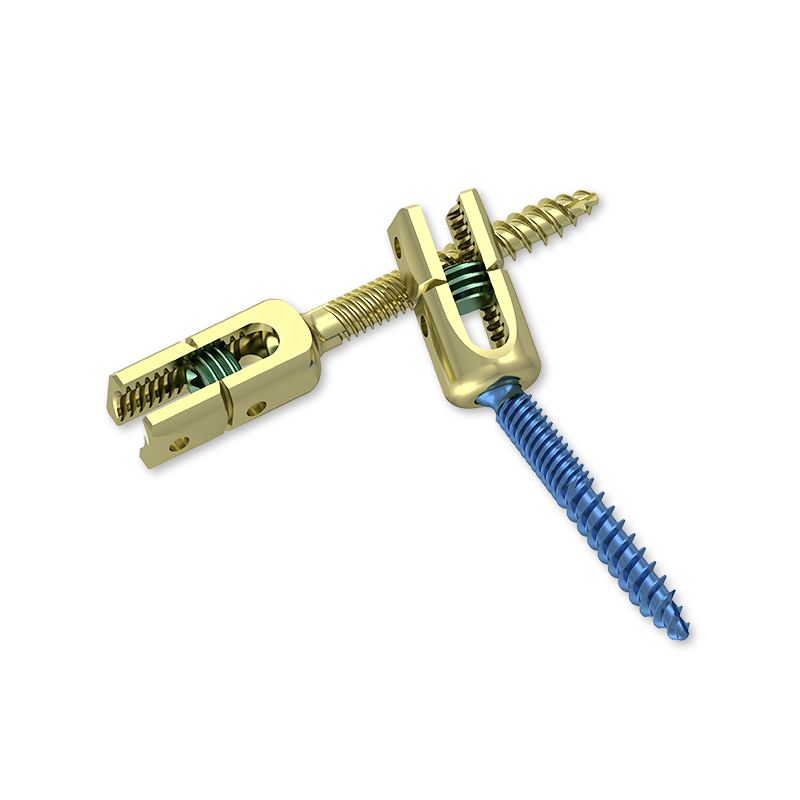
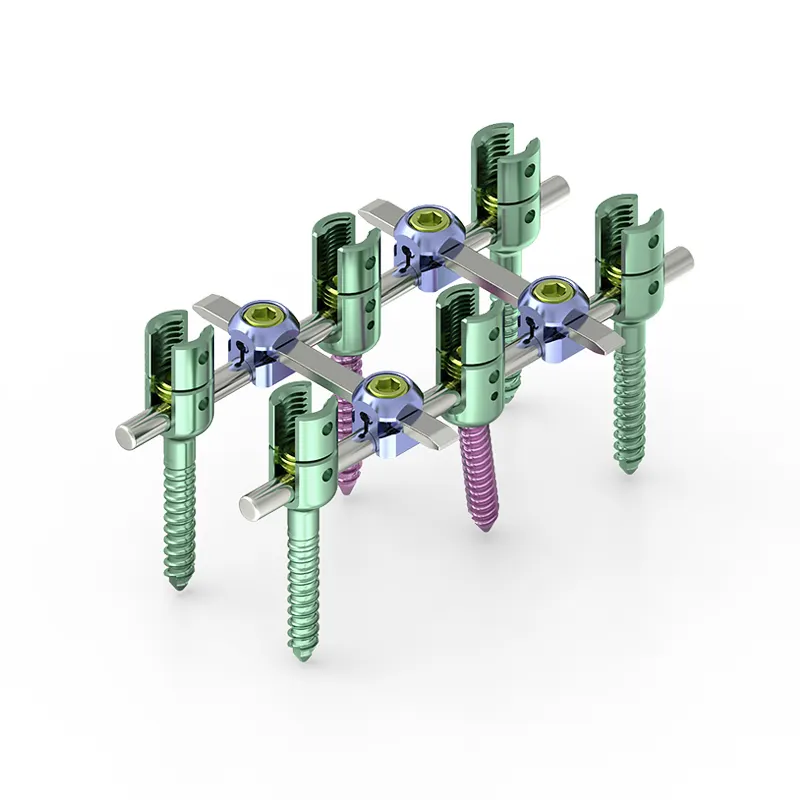
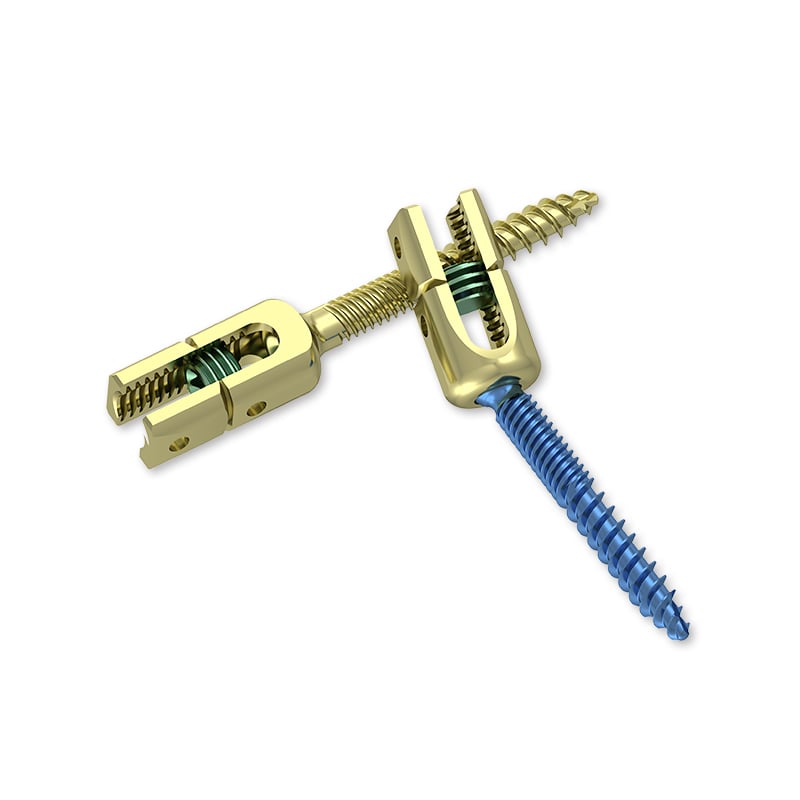
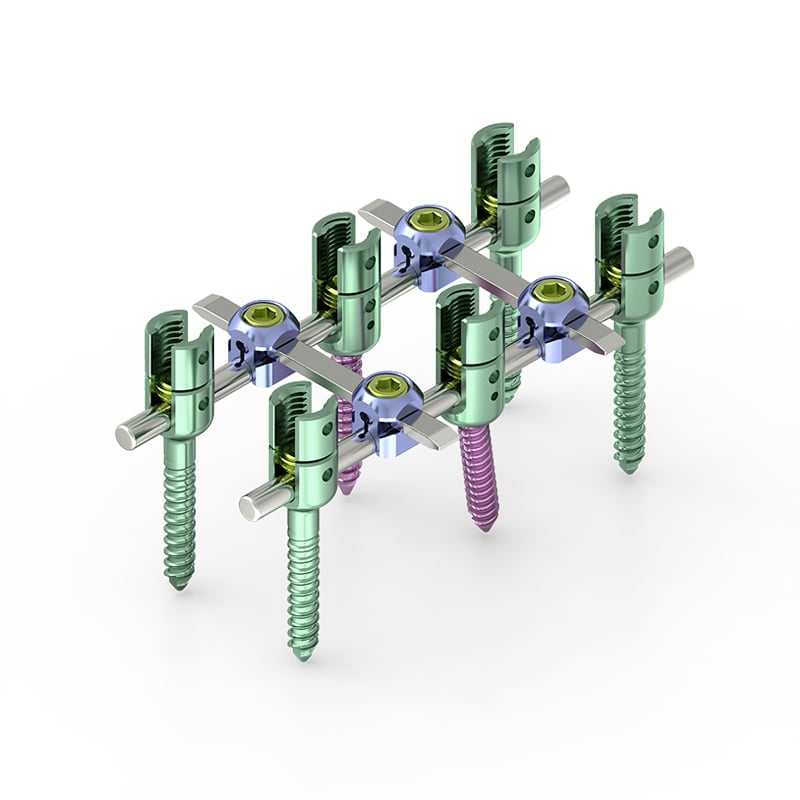
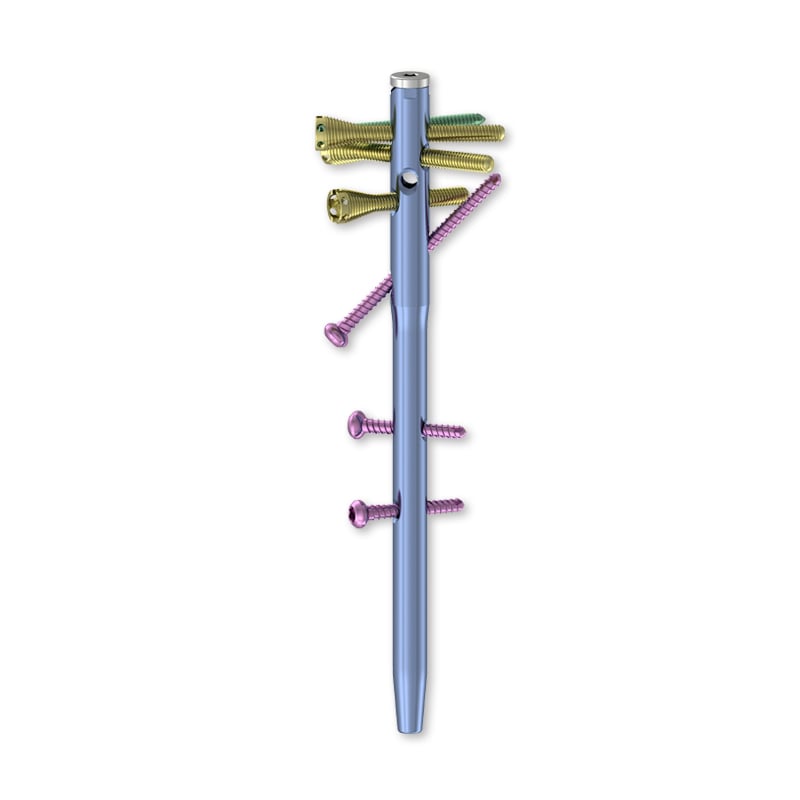
High precision orthopedic implants represent a transformative advancement in modern surgical technology, designed to restore mobility and improve quality of life for patients suffering from bone and joint disorders. These specialized medical devices are engineered with exceptionally tight tolerances, typically within micrometers, ensuring optimal fit and long-term stability within the human skeletal system. The main functions of high precision orthopedic implants include replacing damaged joints, stabilizing fractures, correcting deformities, and supporting bone regeneration. Manufactured using advanced materials such as titanium alloys, cobalt-chromium compounds, and medical-grade polymers, these implants undergo rigorous quality control processes to meet international medical standards. Technological features include computer-aided design systems that create patient-specific implant geometries, surface treatments that promote osseointegration, and biocompatible coatings that minimize rejection risks. High precision orthopedic implants utilize sophisticated manufacturing techniques such as CNC machining, additive manufacturing, and precision casting to achieve dimensional accuracy critical for surgical success. Applications span across hip replacements, knee arthroplasty, spinal fusion procedures, trauma fixation, and reconstructive surgeries. The precision engineering ensures seamless integration with surrounding tissue, reduces wear and tear, extends implant lifespan, and minimizes the need for revision surgeries. Surgeons rely on these devices to deliver predictable outcomes, faster patient recovery times, and improved functional performance compared to conventional implant solutions.

 EN
EN