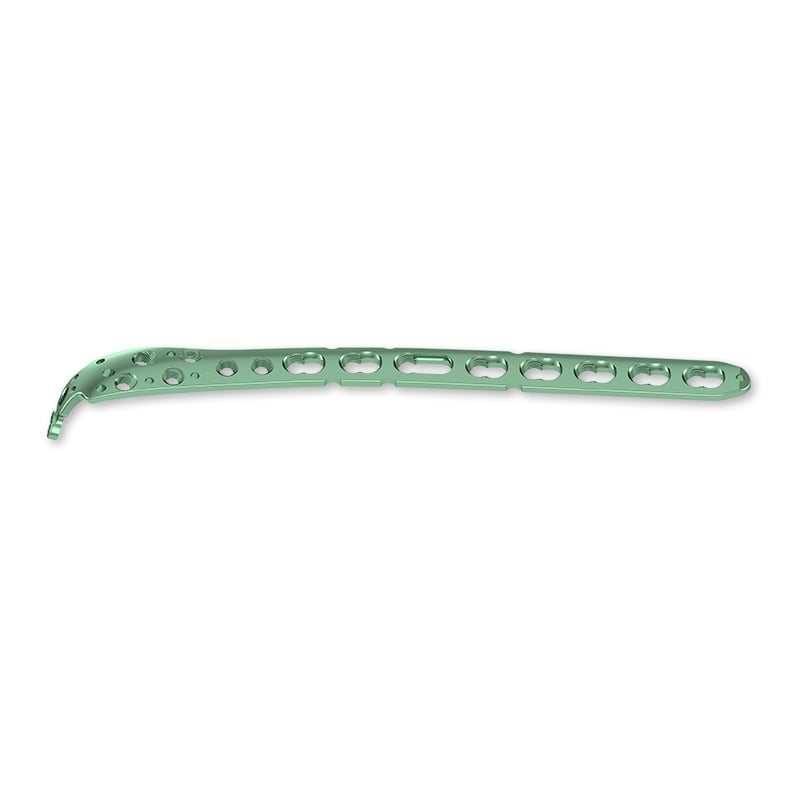
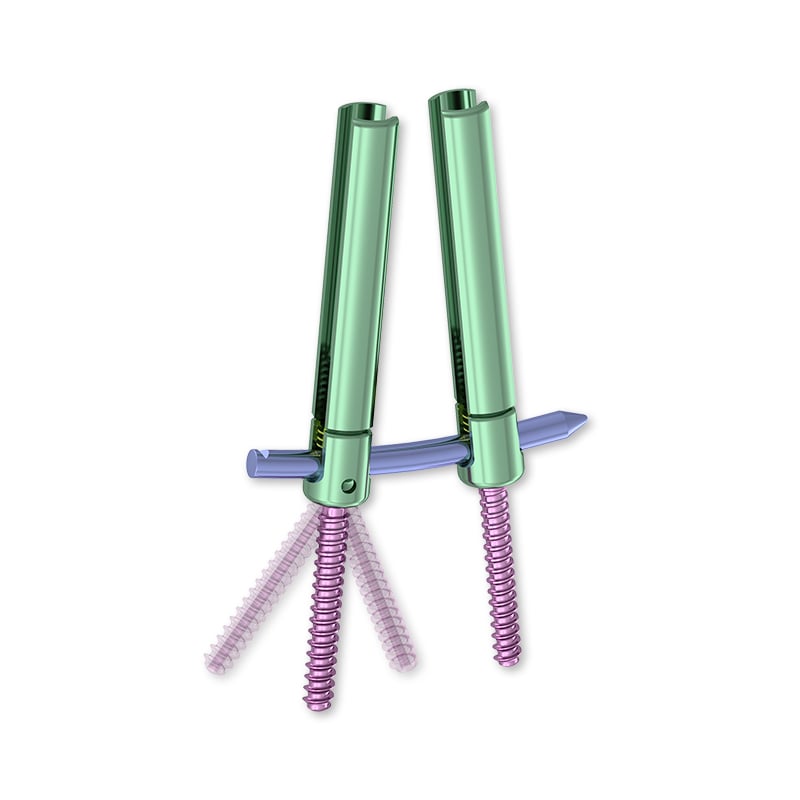
Locking Plate System: Advanced Fracture Fixation

All Categories

Get a Free Quote

Our representative will contact you soon.
Email
Name
Company Name
Message
0/1000

locking plate system

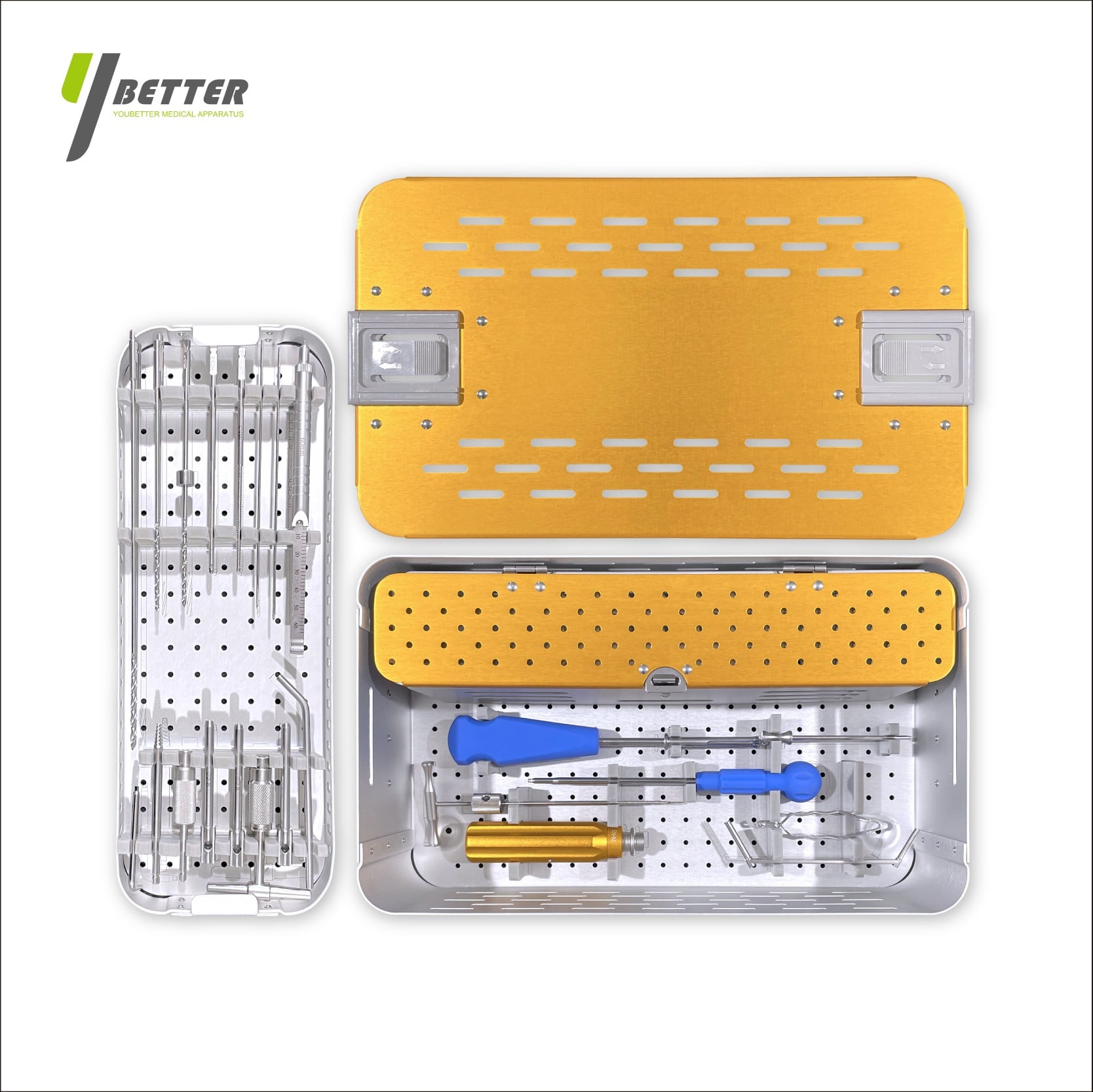
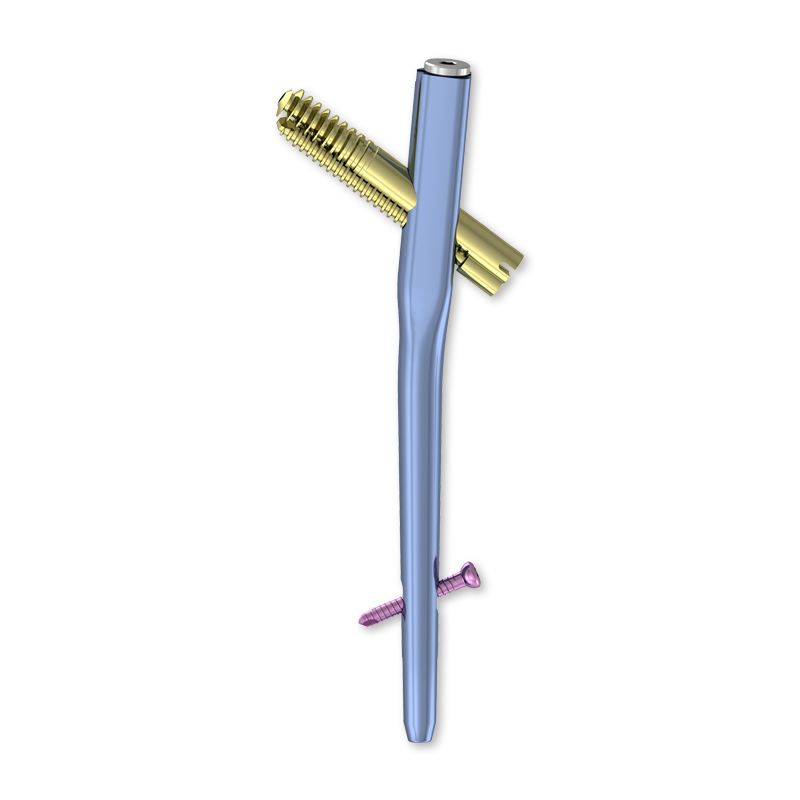
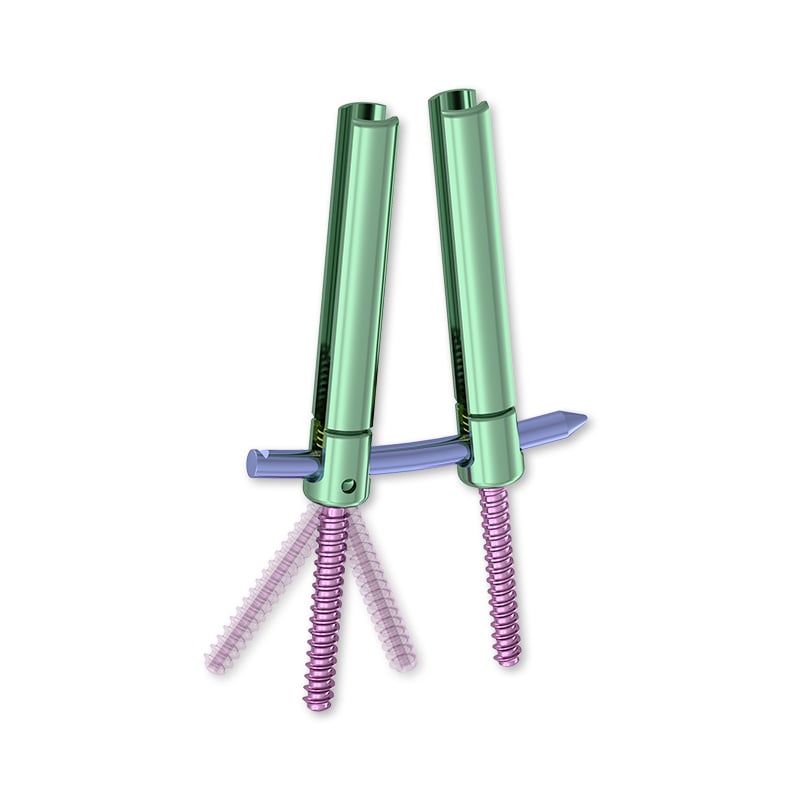
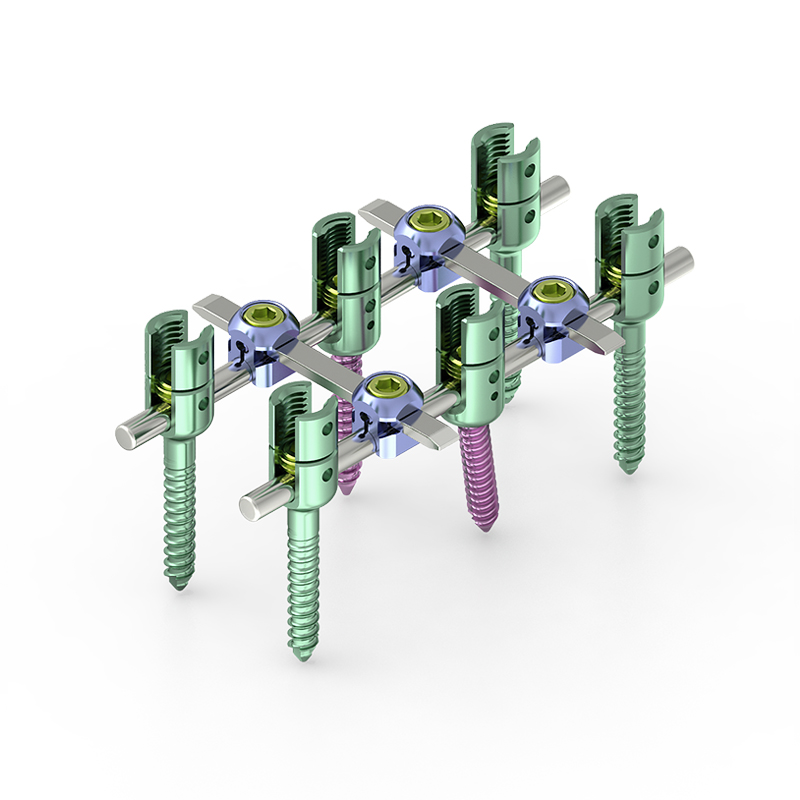
The locking plate system represents a revolutionary advancement in orthopedic fracture fixation technology, designed to provide superior bone stabilization and enhanced healing outcomes. This innovative system combines specialized plates with locking screws that create a fixed-angle construct, fundamentally different from conventional plating methods. In a locking plate system, the screws lock into the plate itself, creating a unified structure that functions as an internal fixator rather than relying on friction between the plate and bone surface. This advanced design distributes mechanical loads more evenly across the implant and reduces stress concentration at individual screw sites. The locking plate system is engineered with anatomically contoured profiles to match various bone geometries, ensuring optimal fit and minimal soft tissue irritation. Modern systems incorporate low-profile designs, precise locking mechanisms, and biocompatible materials such as titanium alloys or stainless steel. These systems find extensive applications in treating complex fractures, osteoporotic bone conditions, comminuted fractures, and periarticular injuries where traditional fixation methods may prove inadequate. The locking plate system offers surgeons versatile treatment options for upper extremity, lower extremity, and axial skeleton injuries. By providing angular stability independent of bone quality, this system enables early mobilization and accelerated rehabilitation protocols, ultimately improving patient outcomes and reducing recovery times across diverse clinical scenarios.

New Product Releases

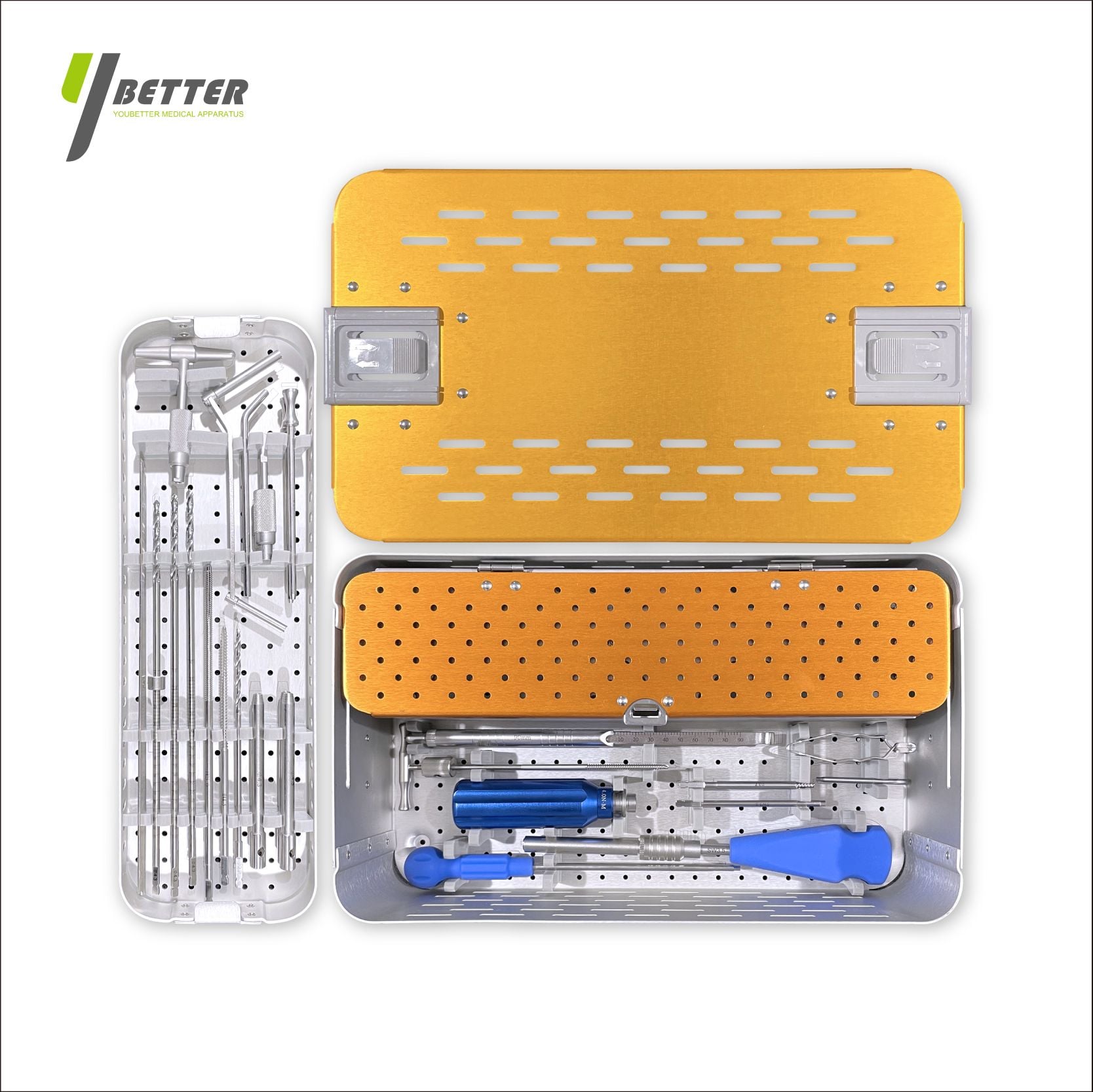
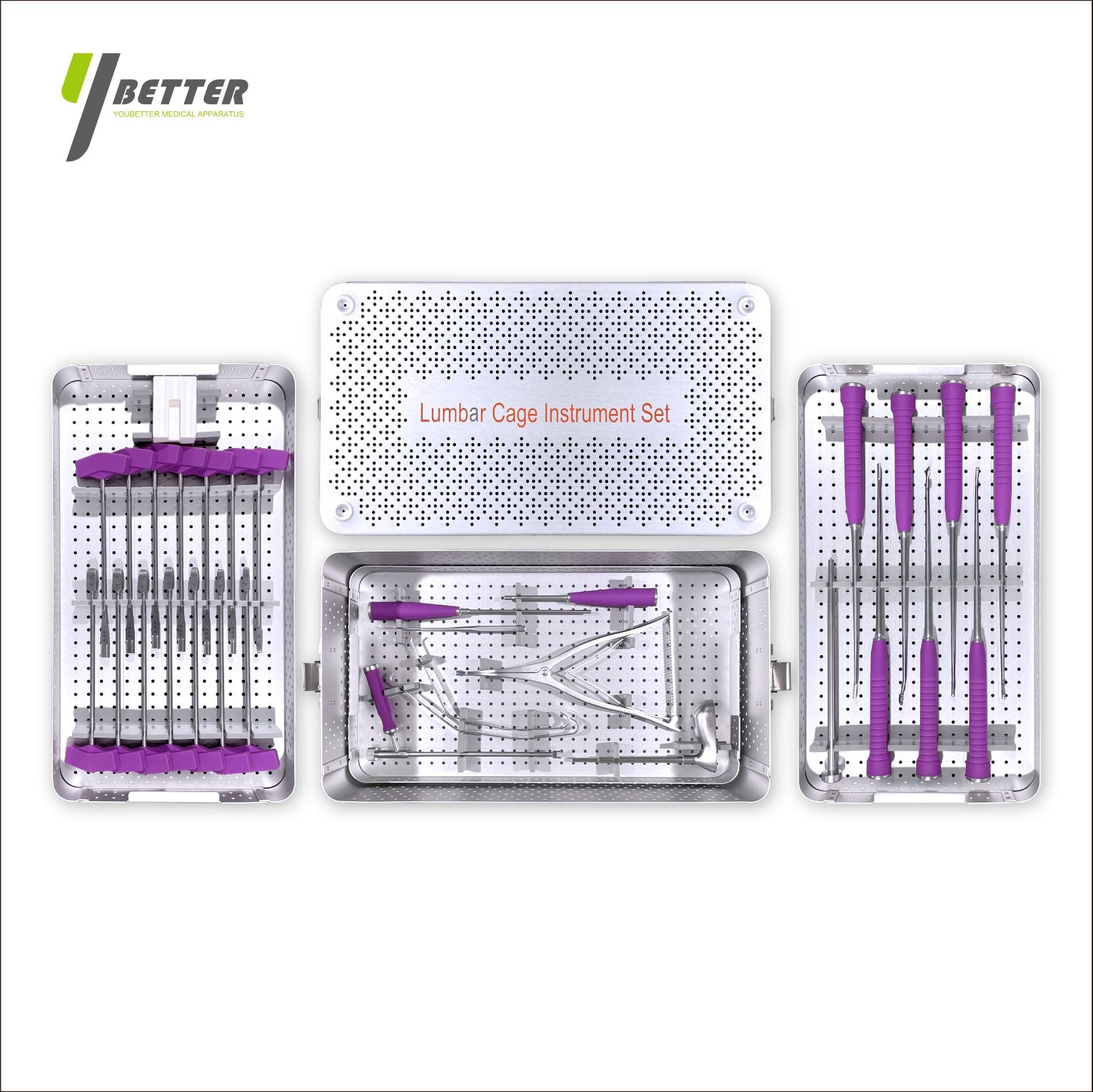
Choosing a locking plate system delivers tangible benefits that directly impact surgical outcomes and patient recovery. The primary advantage lies in angular stability, which eliminates dependence on bone-plate friction for fixation strength. This means the locking plate system maintains secure fixation even in osteoporotic or poor-quality bone, expanding treatment possibilities for elderly patients and complex cases. The fixed-angle relationship between screws and plate prevents screw toggle and loosening, a common complication with conventional plates. Surgeons benefit from reduced need for precise plate contouring since the locking plate system does not require intimate bone contact to achieve stability. This feature saves operative time and minimizes periosteal stripping, preserving blood supply to the fracture site and promoting faster healing. The locking plate system enables bridging fixation techniques where the plate spans across comminuted fracture zones without direct compression, maintaining fragment biology and reducing surgical trauma. Patients experience fewer hardware-related complications such as screw pullout or plate displacement, leading to lower revision surgery rates. The system supports early weight-bearing and joint mobilization, accelerating functional recovery and reducing hospitalization costs. From a practical standpoint, the locking plate system offers comprehensive instrument sets and multiple plate options for various anatomical locations, providing surgeons with flexible solutions for different fracture patterns. The technology reduces fluoroscopy time during surgery through improved screw placement guidance, minimizing radiation exposure for both patients and surgical teams while ensuring precise implant positioning for optimal mechanical performance.

Practical Tips

Why Is Innovation Important for Competitive Orthopedic Implants Suppliers?

02

Jun

Why Is Innovation Important for Competitive Orthopedic Implants Suppliers?

The medical device industry is undergoing rapid transformation, and nowhere is this change more consequential than in the field of orthopedic surgery. For orthopedic implants suppliers, staying competitive is no longer simply a matter of offering rel...
View More
What Role Does Spinal Screw Play in Complex Spinal Reconstruction?

06

Jul

What Role Does Spinal Screw Play in Complex Spinal Reconstruction?

In complex spinal reconstruction procedures, every implant must perform with precision and reliability. The spinal screw is one of the most critical components in these surgeries, serving as the primary anchor that holds rods, connectors, and bone se...
View More
What Are the Differences Between Spinal Screw and Pedicle Screw Systems?

06

Jul

What Are the Differences Between Spinal Screw and Pedicle Screw Systems?

When evaluating spinal implant instrumentation, one of the most common points of confusion is the distinction between a general spinal screw and a pedicle screw system. Both are used in spinal surgery, but they differ significantly in anatomy, biomec...
View More
How Can Distributors Assess Pedicle Screw Supplier Reliability?

06

Jul

How Can Distributors Assess Pedicle Screw Supplier Reliability?

Choosing the right pedicle screw supplier is one of the most consequential decisions a medical device distributor can make. A pedicle screw supplier directly affects patient safety, regulatory standing, and the commercial reputation of every distribu...
View More

Get a Free Quote

Our representative will contact you soon.
Email
Name
Company Name
Message
0/1000

locking plate system

Enhanced Stability Through Fixed-Angle Construction

Enhanced Stability Through Fixed-Angle Construction

The cornerstone feature of the locking plate system is its fixed-angle locking mechanism that creates superior biomechanical stability compared to traditional compression plates. When locking screws engage with threaded holes in the plate, they form a rigid angular-stable construct that functions as a single-beam device. This fixed-angle relationship prevents screw angulation changes under load, eliminating the primary failure mode seen in conventional plating where screws can toggle within bone and gradually loosen. The locking plate system distributes forces across all screw-bone interfaces rather than concentrating stress at individual points, reducing risk of catastrophic failure. This design proves especially valuable in osteoporotic bone where conventional screws lack sufficient purchase. The angular stability allows surgeons to use fewer screws while maintaining equivalent or superior fixation strength, reducing surgical invasiveness. Furthermore, the locking plate system permits bridging of comminuted zones without requiring every fragment to be directly fixed, preserving soft tissue attachments and blood supply that are critical for bone healing. This biomechanical advantage translates to improved fracture stability, reduced malunion rates, and better functional outcomes across diverse patient populations and fracture complexities.
Preservation of Bone Biology and Vascularity

Preservation of Bone Biology and Vascularity

A significant clinical advantage of the locking plate system lies in its ability to stabilize fractures while minimizing disruption to bone biology. Unlike conventional plates that require compression against the bone surface, the locking plate system achieves stability through the locked screw-plate interface, eliminating the need for tight plate-to-bone contact. This design feature allows surgeons to position the plate with a small gap between implant and bone, preserving the periosteal blood supply that is essential for fracture healing. The periosteum contains osteogenic cells and vascular networks that deliver nutrients and growth factors to the healing fracture site. By maintaining this biological environment, the locking plate system promotes faster callus formation and more robust bone regeneration. The system enables minimally invasive percutaneous plating techniques where plates can be inserted through small incisions and positioned beneath soft tissues without extensive surgical exposure. This approach reduces soft tissue trauma, decreases infection risk, and minimizes scarring. The locking plate system supports biological fixation principles by allowing controlled interfragmentary motion that stimulates secondary bone healing through callus formation, rather than requiring absolute stability that can impair natural healing processes in certain fracture types.
Versatile Application Across Multiple Anatomical Sites

Versatile Application Across Multiple Anatomical Sites

The locking plate system offers exceptional versatility, addressing fracture fixation needs across virtually all skeletal locations with specialized plate designs for each anatomical region. Manufacturers provide comprehensive portfolios including proximal and distal radius plates, humeral shaft and periarticular plates, clavicle-specific plates, femoral and tibial options, and specialized designs for foot, ankle, and pelvis applications. Each plate in the locking plate system features anatomical contouring derived from extensive bone morphology studies, ensuring optimal fit with minimal intraoperative adjustment. This anatomical specificity reduces surgical time and improves construct alignment. The system accommodates various surgical approaches including open reduction internal fixation and minimally invasive techniques through strategically placed screw holes and insertion guides. Surgeons can select from different plate lengths, widths, and configurations to match specific fracture patterns and patient anatomy. Many locking plate systems incorporate hybrid designs allowing combination of locking and non-locking screws in the same plate, providing flexibility to apply compression where beneficial while maintaining angular stability in key locations. This versatility makes the locking plate system a comprehensive solution that reduces inventory complexity while ensuring availability of appropriate implants for diverse clinical scenarios.

Get a Free Quote

Our representative will contact you soon.
Email
Name
Company Name
Message
0/1000
Newsletter
Please Leave A Message With Us